
Cookware GTM in India: How Kitchenware Brands Win the Shelf

Quick answer: A cookware brand rarely loses on the product. It loses at the utensil shop, when a customer wants a size, finish or piece the retailer does not have on display and buys whatever is stacked on the shelf instead. Winning the cookware market means trained people covering utensil shops and kitchenware stores again and again — checking range, display and stock — with geo-tagged proof of every visit, not just more distributors on paper.
AnaxeeAbout Anaxee
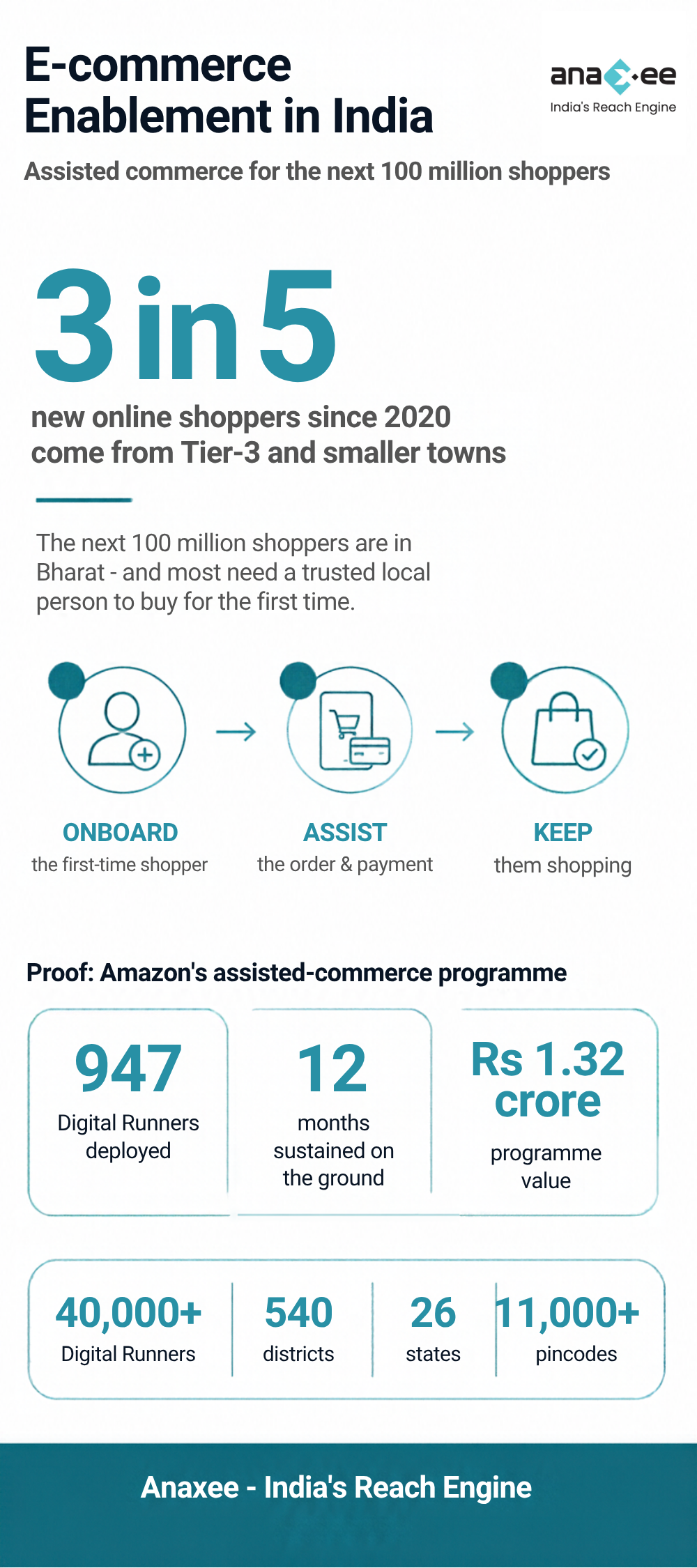
40,000+ Digital Runners · 540 districts · 26 states · 11,000+ pincodes
★ National Startup AwardTrusted by 350+ brandsIndia’s Reach Engine since 2016

Ask a cookware brand how distribution is going and the numbers sound healthy: so many dealers, so many districts, so many pieces dispatched. The primary-sales chart climbs. But ask whether your pressure cookers and non-stick range are actually on display at the utensil shop in a Tier 3 town this wedding season — and whether the shopkeeper reaches for your brand when a customer walks in — and nobody can say for sure.

That gap, between dispatch and the piece a customer actually picks up and buys, is where cookware-brand growth quietly leaks. The product is good, the pricing is fine, the ad is running. What is missing is verified presence, the right range and shelf visibility where the purchase decision is made: the utensil shop and the kitchenware store in small-town India.

Market reality
~USD 5.65B → 12.5B
India’s kitchenware market, 2025 to 2035 — with cookware at its core and much of it sold through small, unorganised utensil shops
India kitchenware market: ~$5.65B (2025) to ~$12.5B (2035)$5.65B$12.5B20252035
Cookware and kitchenware demand is broad, repeat and gifting-led, yet the trade is highly fragmented — thousands of utensil and general stores spread far from any brand head office. Reaching and holding that shelf is the real contest.

What cookware GTM actually means

Go-to-market for a cookware brand is not the dealer-board rollout or the launch offer. It is the full chain that turns a piece leaving your plant into one that gets stocked across the range, displayed, recommended and re-ordered, again and again, across thousands of scattered shops. The weak link is the last step — the one you can least see.

Cookware brand

primary sales

Distributor / wholesaler

secondary sales

Utensil shop / kitchenware store

the blind spot

Household

Primary sales to the distributor are easy to measure. Everything below — whether your range is stocked, visible on the shelf and pushed by the shopkeeper — is the blind spot. In cookware that blind spot bites hard, because the category is broad and display-led: a customer buys what they can see and compare on the shelf, so a missing piece or a hidden brand is a lost sale.

Why cookware GTM underperforms in Bharat

  • Range and display decide the sale. Cookware is bought by sight and comparison — a full range on display sells, a thin or hidden one does not. Shelf space and the right assortment at the counter matter as much as which brand the shop lists.
  • The market is fragmented and largely unorganised. Much of cookware and kitchenware still sells through small, unorganised utensil and general stores. A brand simply cannot count — let alone cover — the shops it is present in without feet on the ground.
  • Demand peaks around weddings and festivals. Cookware is a gifting and wedding-season category. If your range is not on display in those weeks, the buyer picks whatever the utensil shop has stacked up — and that shelf share is hard to win back.
  • Field data cannot be trusted. Dealer counts and visit reports filled from a tea shop tell you nothing. Without a geo-tag, a timestamp and a photo of the rack and display, a brand cannot separate a real visit from a fabricated one.

Anaxee runs your cookware field execution across 540 districts — utensil-shop mapping, range-and-display checks, visibility audits and geo-verified visits, without you hiring in a single new town.

Book a meeting

What good cookware GTM looks like

Map the real retailer universe first

Before chasing coverage, you need to know what full coverage even is. A geo-located census of the utensil shops, kitchenware stores and general retailers in a territory turns a vague target into a countable one. It is the base layer of any honest go-to-market plan for Bharat, and often starts with a focused retail shop survey.

Win the shelf, and keep the range on display

Structured, repeated visits that keep your range in stock, your display visible and the shopkeeper confident in replenishment do far more for cookware than another ad. The specific job is making sure the customer who walks in sees your brand — and your full range — before a substitute.

Measure sell-out and display, not dispatch

The number that matters is whether your cookware is present, visible, well-displayed and moving at the counter — verified on the ground — not how many pieces left the warehouse. That is the difference between a dashboard that flatters you and one you can act on.

Worth knowing: cookware is one of the most display-driven categories in Indian retail — a shopper decides between brands by what is stacked and shining on the shelf in front of them. A brand that owns the display at the utensil counter often wins the sale before price even comes up.

Where technology and AI change the game

Field execution only becomes trustworthy when every visit leaves evidence. Anaxee’s Digital Runners work through a single app: each shop visit is captured with a geo-tag and timestamp, rack, range and display photos are uploaded on the spot, and AI reviews those photos to flag blurred, duplicate or location-mismatched images before they reach your dashboard. Fake visits are caught automatically, data is cleaned as it comes in, and you see live, district-by-district coverage — including display and stock health ahead of a wedding or festive peak — instead of a month-end spreadsheet you have to take on faith.

How Anaxee helps cookware brands

Anaxee is India’s Reach Engine: a network of 40,000+ tech-enabled Digital Runners across 540 districts, 26 states and 11,000+ pincodes, recognised with a National Startup Award and trusted by 350+ brands. For cookware and other consumer and durable brands, we run the field layer end to end — utensil-shop mapping, range, stock and display checks, order-taking support and geo-verified visits — managed from a central dashboard, so you get national counter-level presence without building a team in every town. It plugs straight into your existing distribution and sits under the broader go-to-market playbook for Bharat.

AnaxeeProof on the ground — cookware & durable field execution
8,000
shops · 27 districts
TTK Prestige
14,500
retail outlets surveyed
APAR
30,000
retailers reached
Udaan
TTK Prestige — a cookware and kitchen-appliance brand — mapped and activated 8,000 shops across 27 new districts with Anaxee. 75,000+ retail outlets covered across GTM projects for consumer and durable brands. See all case studies →
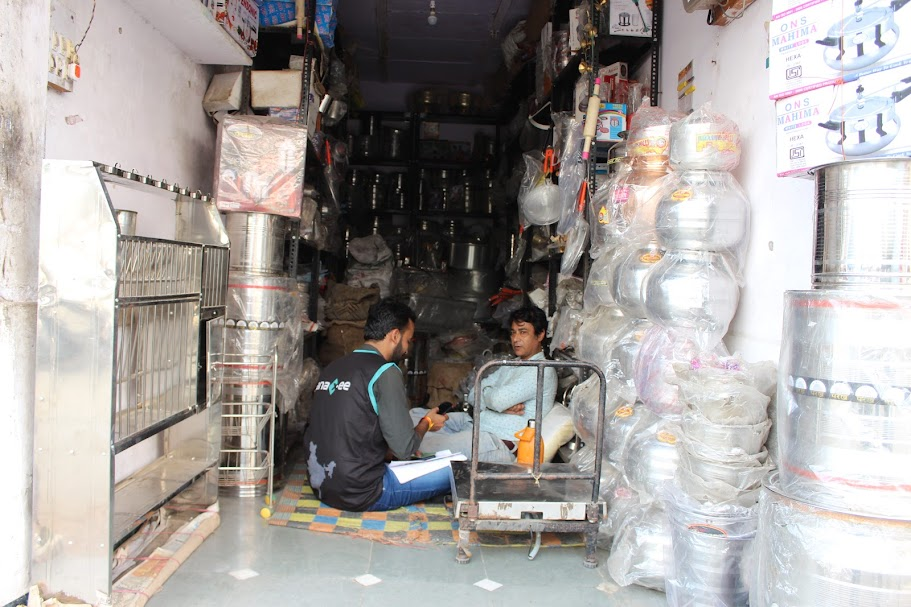
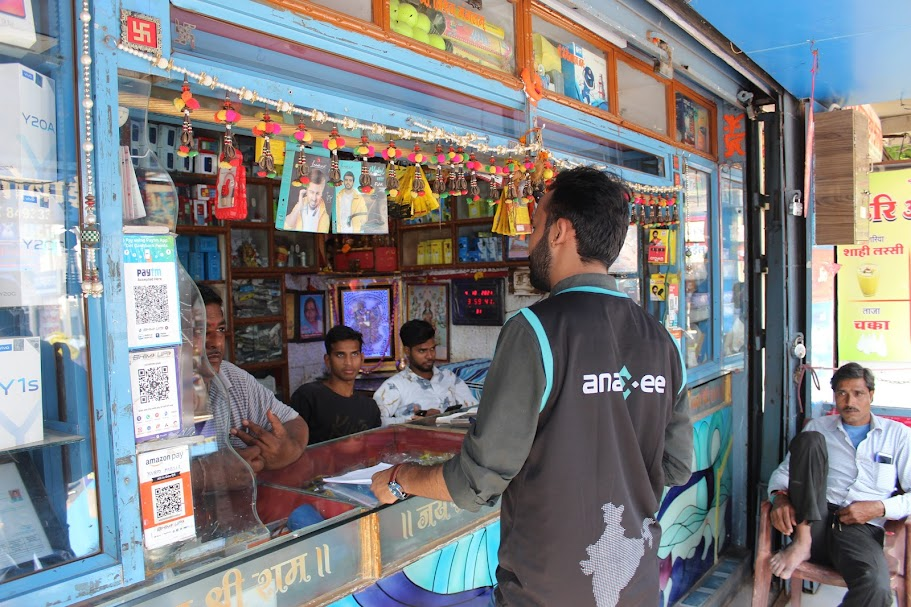
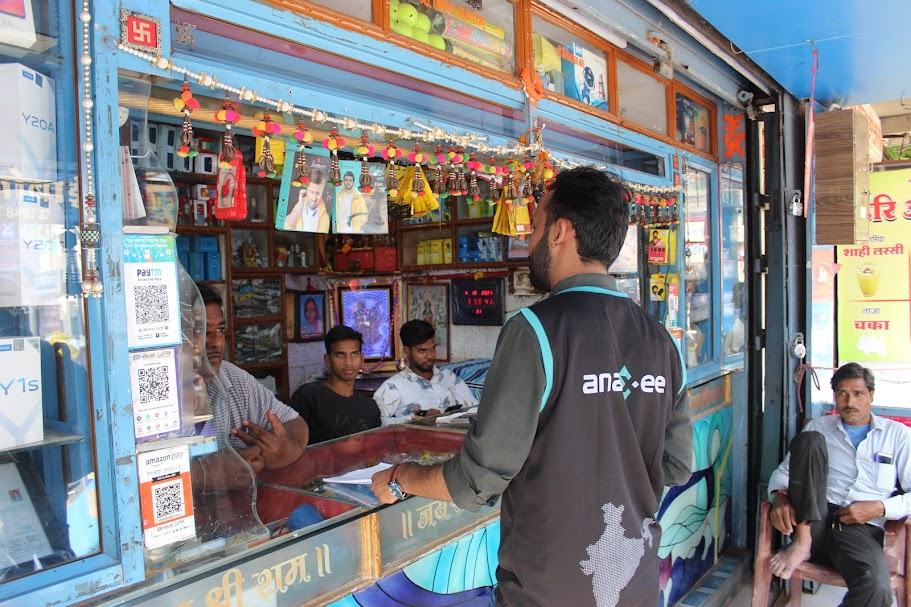
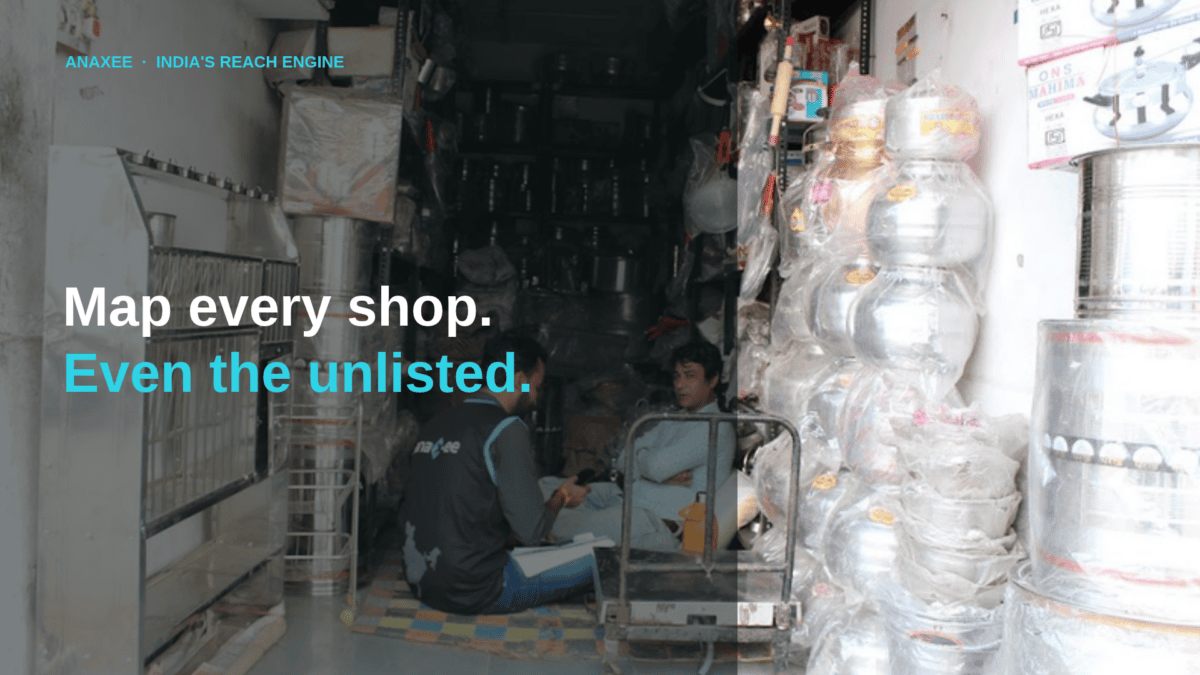
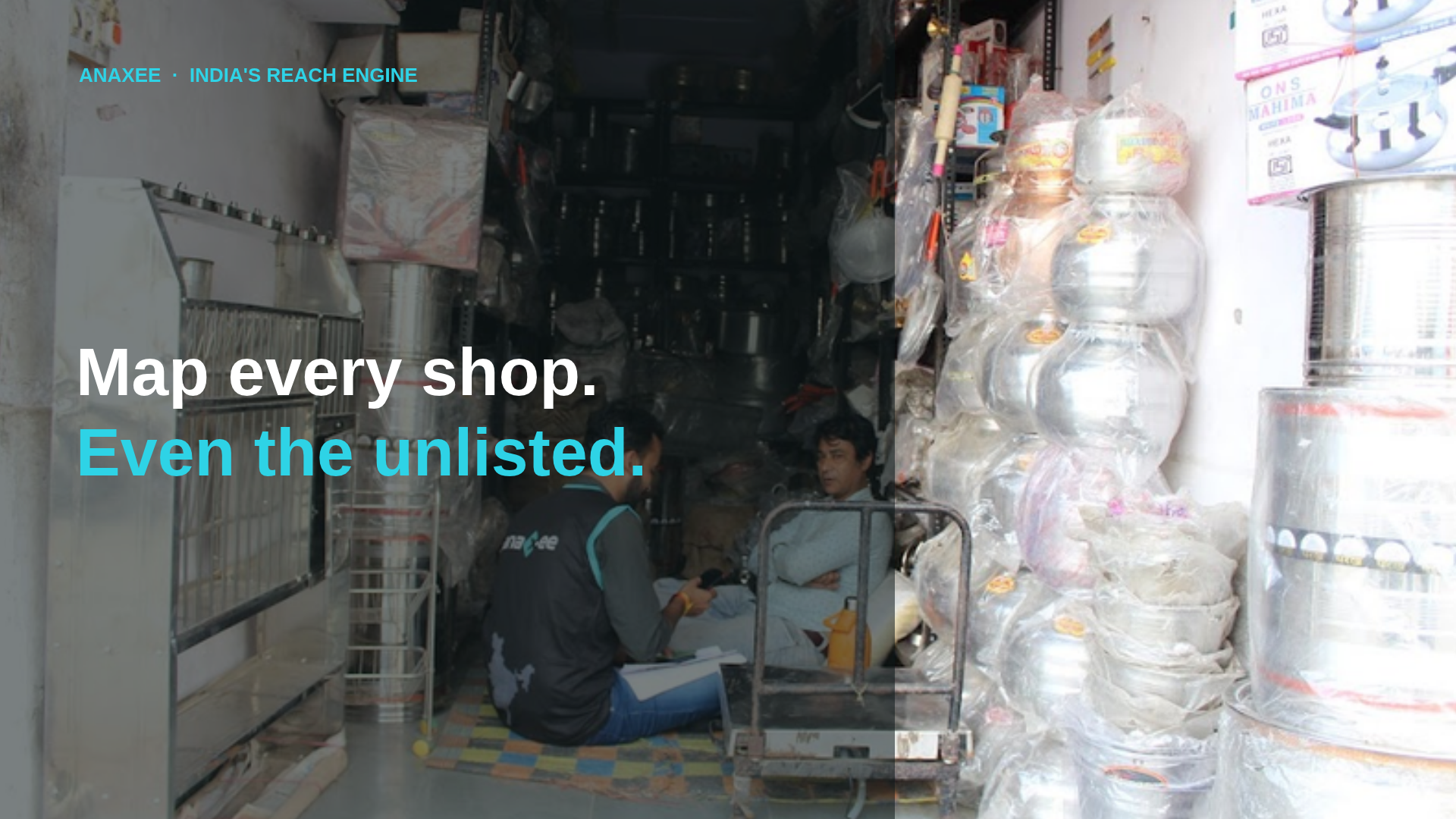
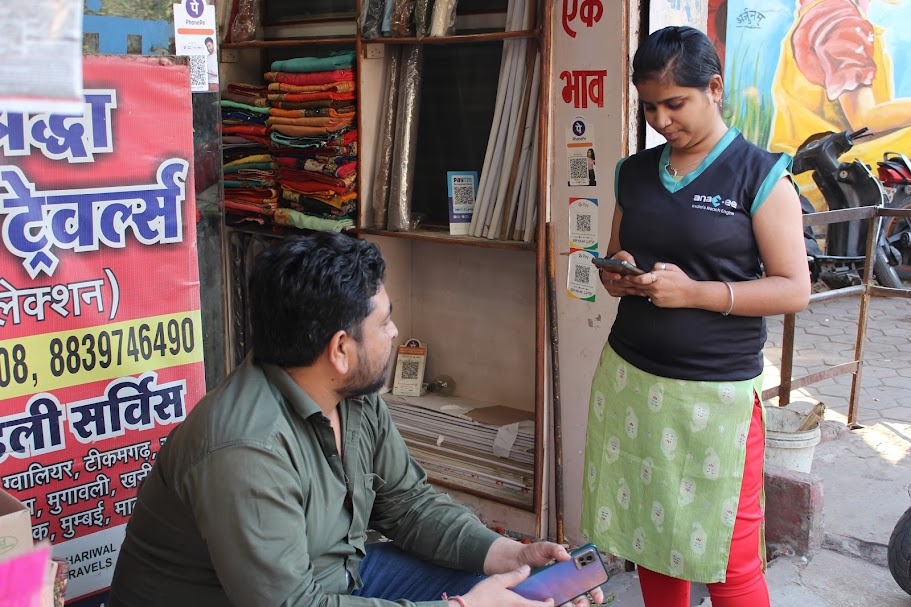
Anaxee Digital Runner collecting shop data in a utensil store

What happens when you reach out to Anaxee

  • We scope your range and SKUs, and the outlet types that matter — utensil shops, kitchenware stores, general retailers.
  • We map the retailer universe and run a pilot in a few districts so you see verified, geo-tagged field data on a live dashboard.
  • We scale across 540 districts, and you watch real counter-level coverage — and display health before each peak — grow week by week, with proof behind every number.

Frequently asked questions

What is cookware GTM?
It is the strategy and field execution that gets cookware from a brand to the utensil shop and the household — and keeps the range stocked, displayed and recommended at the counter. Because the category is display-led and bought by comparison, execution at the shop matters more than the launch.
Why do cookware brands struggle in Tier 2-4 towns?
Because distributor reach is not the same as retailer reach, own field teams are hardest to build in small towns, a thin or hidden display instantly hands the sale to a rival, and much of the market is unorganised utensil and general stores. Brands often cannot even count the shops they are present in.
Can Anaxee check range and display, not just presence?
Yes. Our Digital Runners capture which SKUs are stocked, how the range is displayed, and the brand’s visibility at each outlet — with geo-tag, timestamp and photos — so you see where your range is thin or hidden, not just whether the brand is listed.
Has Anaxee done this for a cookware brand?
Yes. TTK Prestige — a cookware and kitchen-appliance brand — worked with Anaxee to map and activate 8,000 shops across 27 new districts, part of 75,000+ outlets covered across our consumer and durable GTM projects.
Do we have to replace our cookware distributors?
No. Anaxee is the field-execution and verification layer on top of your existing distribution — it strengthens secondary reach and gives you ground truth, rather than replacing your dealer channel.
How fast can a programme start?
We typically begin with a pilot in a few districts so you can see verified field data quickly, then scale — useful to run ahead of a wedding or festive peak. Book a meeting to scope your range and territories.

The bottom line

In India’s cookware market, the winner is rarely the brand with the best product or the biggest campaign — it is the one on the utensil shop’s shelf, with its full range on display, in the most towns, ready before the wedding and festive rush, with proof to show for it. Appointing more dealers will not fix a last-mile problem. Verified, repeatable presence and display at the cookware counter across Tier 2-4 India will. That is the work Anaxee does.

Ready to see your real counter-level cookware coverage? Let us map your retailer universe and run a verified pilot in your priority districts.
Book a meetingCall +91 95841 32577

Footwear GTM in India: How Shoe Brands Win the Shelf

Quick answer: A footwear brand rarely loses on the shoe. It loses at the shop, when a customer wants a size or style the retailer does not have on the shelf and walks out with a competitor’s pair instead. Winning the footwear market means trained people covering shoe shops and multi-brand retailers again and again — checking stock depth, size availability and display — with geo-tagged proof of every visit, not just more distributors on paper.
AnaxeeAbout Anaxee
40,000+ Digital Runners · 540 districts · 26 states · 11,000+ pincodes
★ National Startup AwardTrusted by 350+ brandsIndia’s Reach Engine since 2016

Ask a footwear brand how distribution is going and the numbers sound healthy: so many dealers, so many districts, so many pairs dispatched. The primary-sales chart climbs. But ask whether your fast-moving sizes are actually on the rack at the shoe shop in a Tier 3 town this festive season — and whether the retailer reaches for your brand when a customer walks in — and nobody can say for sure.

That gap, between dispatch and the pair a customer actually tries on and buys, is where footwear-brand growth quietly leaks. The shoe fits, the pricing is fine, the ad is running. What is missing is verified presence, the right sizes and shelf visibility where the purchase decision is made: the footwear retailer and the multi-brand store in small-town India.

Market reality
~USD 22.7B → 47.5B
India’s footwear market, 2026 to 2034 — and roughly 80–85% of it is still unorganised
India footwear market: ~$22.7B (2026) to ~$47.5B (2034)$22.7B$47.5B20262034
India is the world’s second-largest footwear producer, yet the trade is highly fragmented — thousands of small retailers and a mostly unorganised market spread far from any brand head office. Reaching and holding that shelf is the real contest.
Source: IMARC, India Footwear Market; unorganised share per industry white papers.

What footwear GTM actually means

Go-to-market for a footwear brand is not the dealer-board rollout or the launch offer. It is the full chain that turns a pair leaving your plant into one that gets stocked in the right sizes, displayed, recommended and re-ordered, again and again, across thousands of scattered shops. The weak link is the last step — the one you can least see.

Footwear brand

primary sales

Distributor / wholesaler

secondary sales

Shoe shop / multi-brand retailer

the blind spot

Shopper

Primary sales to the distributor are easy to measure. Everything below — whether your brand is stocked in the sizes that sell, visible on the shelf and pushed by the retailer — is the blind spot. In footwear that blind spot bites hard, because a sale is lost the moment the size the customer wants is not on the rack: they simply try the pair next to it.

Why footwear GTM underperforms in Bharat

  • Size and SKU availability decides the sale. Footwear lives or dies on the shelf having the right size in the right article. A broken size run means a lost sale and a frustrated retailer — stock depth at the counter matters as much as which brand is listed.
  • The market is fragmented and mostly unorganised. With roughly 80–85% of footwear sold through small, unorganised outlets, a brand simply cannot count — let alone cover — the shoe shops and general stores it is present in without feet on the ground.
  • Demand is seasonal and festive-led. Footwear sells in waves — festivals, weddings, school reopening, monsoon. If your fast-moving articles are not on the rack in those weeks, an urgent buyer takes whatever is, and that shelf share is hard to win back.
  • Field data cannot be trusted. Dealer counts and visit reports filled from a tea shop tell you nothing. Without a geo-tag, a timestamp and a photo of the rack, display and size chart, a brand cannot separate a real visit from a fabricated one.

Anaxee runs your footwear field execution across 540 districts — shop mapping, stock-and-size checks, display audits and geo-verified visits, without you hiring in a single new town.

Book a meeting

What good footwear GTM looks like

Map the real retailer universe first

Before chasing coverage, you need to know what full coverage even is. A geo-located census of the footwear shops, multi-brand stores and general retailers in a territory turns a vague target into a countable one. It is the base layer of any honest go-to-market plan for Bharat, and often starts with a focused footwear and apparel shop survey.

Win the shelf, and keep the sizes right

Structured, repeated visits that keep your fast-moving articles and size runs in stock, your rack visible and the retailer confident in replenishment do far more for footwear than another ad. The specific job is making sure the shopper who walks in finds your brand — in their size — before a substitute.

Measure sell-out and availability, not dispatch

The number that matters is whether your footwear is present, visible, in the right sizes and moving at the counter — verified on the ground — not how many pairs left the warehouse. That is the difference between a dashboard that flatters you and one you can act on.

Worth knowing: in footwear, the single biggest silent killer of a sale is a missing size. A customer who likes the shoe but cannot get their fit rarely waits for a reorder — they buy the closest alternative on the shelf. That is why size-level availability at the counter, not brand awareness, so often decides footwear share.

Where technology and AI change the game

Field execution only becomes trustworthy when every visit leaves evidence. Anaxee’s Digital Runners work through a single app: each shop visit is captured with a geo-tag and timestamp, rack, display and size-availability photos are uploaded on the spot, and AI reviews those photos to flag blurred, duplicate or location-mismatched images before they reach your dashboard. Fake visits are caught automatically, data is cleaned as it comes in, and you see live, district-by-district coverage — including stock and size health ahead of a festive peak — instead of a month-end spreadsheet you have to take on faith.

How Anaxee helps footwear brands

Anaxee is India’s Reach Engine: a network of 40,000+ tech-enabled Digital Runners across 540 districts, 26 states and 11,000+ pincodes, recognised with a National Startup Award and trusted by 350+ brands. For footwear and other consumer and durable brands, we run the field layer end to end — shop mapping, stock, size and display checks, order-taking support and geo-verified visits — managed from a central dashboard, so you get national counter-level presence without building a team in every town. It plugs straight into your existing distribution and sits under the broader go-to-market playbook for Bharat.

AnaxeeProof on the ground — consumer & durable field execution
14,500
retail outlets surveyed
APAR
25,000
field touchpoints
Escorts
30,000
retailers reached
Udaan
75,000+ retail outlets covered across GTM projects for consumer and durable brands. See all case studies →
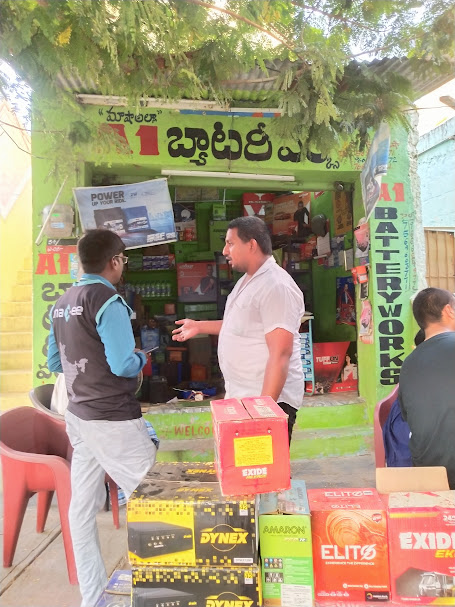
Anaxee Digital Runner interacting with a textile and garment shopkeeper

What happens when you reach out to Anaxee

  • We scope your range, articles and size runs, and the outlet types that matter — footwear shops, multi-brand stores, general retailers.
  • We map the retailer universe and run a pilot in a few districts so you see verified, geo-tagged field data on a live dashboard.
  • We scale across 540 districts, and you watch real counter-level coverage — and size-availability health before each peak — grow week by week, with proof behind every number.

Frequently asked questions

What is footwear GTM?
It is the strategy and field execution that gets footwear from a brand to the retailer and the shopper — and keeps it stocked in the right sizes, visible and recommended at the shop. Because the purchase turns on size and style being on the shelf, execution at the counter matters more than the launch.
Why do footwear brands struggle in Tier 2-4 towns?
Because distributor reach is not the same as retailer reach, own field teams are hardest to build in small towns, a missing size instantly hands the sale to a rival, and roughly 80–85% of the market is unorganised and fragmented. Brands often cannot even count the shops they are present in.
Can Anaxee check size and stock availability, not just presence?
Yes. Our Digital Runners capture stock depth, size-run availability, display and visibility at each outlet — with geo-tag, timestamp and photos — so you see where your fast-moving sizes are missing, not just whether the brand is listed.
How do you prove the field visits are real?
Every visit is geo-tagged and timestamped through our app, with on-site photos of the rack and display. AI checks those photos for location mismatch, duplication and quality, so fake or desk-filled reports are flagged before they reach your dashboard.
Do we have to replace our footwear distributors?
No. Anaxee is the field-execution and verification layer on top of your existing distribution — it strengthens secondary reach and gives you ground truth, rather than replacing your dealer channel.
How fast can a programme start?
We typically begin with a pilot in a few districts so you can see verified field data quickly, then scale — useful to run ahead of a festive peak. Book a meeting to scope your range and territories.

The bottom line

In India’s footwear market, the winner is rarely the brand with the best design or the biggest campaign — it is the one on the retailer’s shelf, in the right sizes, in the most towns, ready before the festive rush, with proof to show for it. Appointing more dealers will not fix a last-mile problem. Verified, repeatable presence and size availability at the footwear counter across Tier 2-4 India will. That is the work Anaxee does.

Ready to see your real counter-level footwear coverage? Let us map your retailer universe and run a verified pilot in your priority districts.
Book a meetingCall +91 95841 32577

Battery Aftermarket GTM in India: How Battery Brands Win the Dealer

Quick answer: A battery brand rarely loses on the battery. It loses at the dealer counter, when a vehicle will not start or an inverter dies and the customer buys whatever the nearest trusted dealer stocks and can service under warranty. Winning the battery aftermarket means trained people covering dealers and electricians again and again — checking stock, display and warranty signage — with geo-tagged proof of every visit, not just more distributors on paper.
AnaxeeAbout Anaxee
40,000+ Digital Runners · 540 districts · 26 states · 11,000+ pincodes
★ National Startup AwardTrusted by 350+ brandsIndia’s Reach Engine since 2016

Ask a battery brand how coverage is going and the numbers sound healthy: so many dealers, so many districts, so many batteries dispatched. The primary-sales chart climbs. But ask whether your battery is on the rack at the dealer in a Tier 3 town when the summer rush hits — and whether that dealer can service your warranty locally so he actually recommends you — and nobody can say for sure.

That gap, between dispatch and the battery a customer actually fits when their old one dies, is where battery-brand growth quietly leaks. The battery performs, the pricing is fine, the ad is on TV. What is missing is verified presence and service trust where the replacement decision is made: the battery dealer, the electrician and the garage in small-town India.

Market reality
~USD 617M → 1.2B
India’s automotive lead-acid battery market, 2025 to 2034 — and almost every unit is a replacement
India automotive lead-acid battery market: ~$617M (2025) to ~$1.2B (2034)$617M$1.2B20252034
A battery lasts only a few years, so demand is replacement-led and spread across lakhs of dealers and electricians — far from any brand head office. Add home inverter batteries and the scattered-counter problem grows.

What battery aftermarket GTM actually means

Go-to-market for a battery brand is not the dealer-board rollout or the launch offer. It is the full chain that turns a battery leaving your plant into one that gets fitted, warranted and re-recommended, again and again, across thousands of scattered counters. The weak link is the last step — the one you can least see.

Battery brand

primary sales

Distributor / stockist

secondary sales

Dealer / electrician / garage

the blind spot

Vehicle or inverter owner

Primary sales to the distributor are easy to measure. Everything below — whether your battery is stocked, visible, serviceable under warranty and recommended by the dealer — is the blind spot. In batteries that blind spot carries extra weight, because the purchase is urgent and warranty service is local: a dealer only pushes the brand whose warranty he can actually honour for the customer standing in front of him.

Why battery GTM underperforms in Bharat

  • Warranty service reach decides trust. A battery is a warranty product. If a dealer cannot get a quick replacement or claim settled for your brand in his town, he recommends the one he can. Service presence, not just stock, wins the counter.
  • Demand spikes, and stock-outs hand sales to rivals. Battery demand jumps in summer and peak seasons. If your fast-moving capacities are not on the rack in those weeks, an urgent buyer takes whatever is — and that dealer learns to stock the rival.
  • The inverter-battery segment needs its own feet. Home and shop inverter batteries sell through electricians and electrical shops, a different outlet set from auto dealers. Brands that cover one and ignore the other leave volume on the table.
  • Field data cannot be trusted. Dealer counts and visit reports filled from a tea shop tell you nothing. Without a geo-tag, a timestamp and a photo of the rack and warranty signage, a brand cannot separate a real visit from a fabricated one.

Anaxee runs your battery field execution across 540 districts — dealer and electrician mapping, stock-and-display checks, warranty-signage audits and geo-verified visits, without you hiring in a single new town.

Book a meeting

What good battery GTM looks like

Map the real dealer and electrician universe first

Before chasing coverage, you need to know what full coverage even is. A geo-located census of the battery dealers, auto garages, electricians and electrical shops in a territory turns a vague target into a countable one. It is the base layer of any honest go-to-market plan for Bharat, and often starts with a focused auto parts and spares shop survey.

Win the dealer, and make warranty visible

Structured, repeated visits that keep your fast-moving capacities in stock, your rack and warranty signage visible, and the dealer confident your service works locally do far more for a replacement category than another ad. For batteries, the specific job is making sure the brand on the rack is the one the dealer trusts to stand behind.

Measure sell-out and service trust, not dispatch

The number that matters is whether your battery is present, visible, serviceable and moving at the counter — verified on the ground — not how many units left the warehouse. That is the difference between a dashboard that flatters you and one you can act on.

Worth knowing: a battery is almost always bought under pressure — the vehicle will not start, or the inverter died mid-outage. The customer rarely shops around; whatever the nearest trusted dealer has in stock, with a warranty he can honour, usually wins. That is why counter presence and service trust, not TV spots, decide battery share.

Where technology and AI change the game

Field execution only becomes trustworthy when every visit leaves evidence. Anaxee’s Digital Runners work through a single app: each dealer or electrician visit is captured with a geo-tag and timestamp, rack, stock and warranty-signage photos are uploaded on the spot, and AI reviews those photos to flag blurred, duplicate or location-mismatched images before they reach your dashboard. Fake visits are caught automatically, data is cleaned as it comes in, and you see live, district-by-district coverage — including stock health ahead of a seasonal peak — instead of a month-end spreadsheet you have to take on faith.

How Anaxee helps battery brands

Anaxee is India’s Reach Engine: a network of 40,000+ tech-enabled Digital Runners across 540 districts, 26 states and 11,000+ pincodes, recognised with a National Startup Award and trusted by 350+ brands. For battery and other consumer and durable brands, we run the field layer end to end — dealer and electrician mapping, stock and display checks, warranty-signage audits, order-taking support and geo-verified visits — managed from a central dashboard, so you get national counter-level presence without building a team in every town. It plugs straight into your existing distribution and sits under the broader automotive aftermarket GTM playbook.

AnaxeeProof on the ground — consumer & durable field execution
14,500
retail outlets surveyed
APAR
25,000
field touchpoints
Escorts
30,000
retailers reached
Udaan
75,000+ retail outlets covered across GTM projects for consumer and durable brands. See all case studies →
Anaxee Digital Runner at a retail shop during a field survey

What happens when you reach out to Anaxee

  • We scope your range, capacities and territories, and the outlet types that matter — battery dealers, garages, electricians, electrical shops.
  • We map the dealer and electrician universe and run a pilot in a few districts so you see verified, geo-tagged field data on a live dashboard.
  • We scale across 540 districts, and you watch real counter-level coverage — and stock health before each peak — grow week by week, with proof behind every number.

Frequently asked questions

What is battery aftermarket GTM?
It is the strategy and field execution that gets replacement automotive and inverter batteries from a brand to the dealer, electrician and end customer — and keeps them stocked, visible, serviceable under warranty and recommended. Because the purchase is urgent and warranty service is local, execution at the counter matters more than the launch.
Why do battery brands struggle in Tier 2-4 towns?
Because distributor reach is not the same as dealer reach, own field teams are hardest to build in small towns, stock-outs in peak season hand sales to rivals, and a dealer only pushes the brand whose warranty he can service locally. Brands often cannot even count the dealers and electricians they are present in.
Can Anaxee cover both automotive and inverter-battery outlets?
Yes. Our Digital Runners cover battery dealers, garages, electricians and electrical shops — the full outlet set across automotive and home-inverter batteries — and capture each visit with geo-tag, timestamp and photos.
How do you prove the field visits are real?
Every visit is geo-tagged and timestamped through our app, with on-site photos of stock and warranty signage. AI checks those photos for location mismatch, duplication and quality, so fake or desk-filled reports are flagged before they reach your dashboard.
Do we have to replace our battery distributors?
No. Anaxee is the field-execution and verification layer on top of your existing distribution — it strengthens secondary reach and gives you ground truth, rather than replacing your dealer channel.
How fast can a programme start?
We typically begin with a pilot in a few districts so you can see verified field data quickly, then scale — useful to run ahead of a seasonal peak. Book a meeting to scope your range and territories.

The bottom line

In India’s battery aftermarket, the winner is rarely the brand with the best cells or the biggest campaign — it is the one on the dealer’s rack, with warranty service he trusts, in the most towns, ready before the seasonal rush, with proof to show for it. Appointing more dealers will not fix a last-mile problem. Verified, repeatable presence and service trust at the battery counter across Tier 2-4 India will. That is the work Anaxee does.

Ready to see your real counter-level battery coverage? Let us map your dealer and electrician universe and run a verified pilot in your priority districts.
Book a meetingCall +91 95841 32577

Lubricant Aftermarket GTM in India: How Oil Brands Win the Garage

Quick answer: A lubricant brand rarely loses on the oil itself. It loses at the garage and the parts shop, where the mechanic pours whatever grade he trusts and the counterfeit can sits next to the genuine one. Winning the lubricant aftermarket means trained people visiting those outlets again and again — building the mechanic relationship, checking genuine stock and visibility, and catching fakes — with geo-tagged proof of every visit, not just more distributors on paper.
AnaxeeAbout Anaxee
40,000+ Digital Runners · 540 districts · 26 states · 11,000+ pincodes
★ National Startup AwardTrusted by 350+ brandsIndia’s Reach Engine since 2016

Ask a lubricant brand how distribution is going and the answer is a confident set of numbers: so many distributors, so many districts, so many litres dispatched. The primary-sales chart looks healthy. But ask whether your genuine can is actually on the shelf at the parts shop in a Tier 3 town — and whether the mechanic there pours your grade or the one with a fatter margin — and nobody can say for sure.

That gap, between litres dispatched and litres actually poured into the right engines, is where lubricant-brand growth quietly leaks. The oil meets spec, the pricing is fine, the cricket sponsorship is running. What is missing is verified presence where the pouring decision is made: the roadside garage, the two-wheeler mechanic, the spare-parts counter in small-town India.

Market reality
3rd largest
India is the world’s third-largest lubricant market — roughly 2 billion litres of automotive lubricant a year
India automotive lubricant volume: ~1.45B litres (2021) to ~2B litres (2026)~1.45B L~2B L20212026
Demand keeps climbing with India’s vehicle parc, but it is spread across lakhs of garages, parts shops and general stores — far from any brand head office.
Source: Autocar Professional (volume data: Mordor Intelligence).

What lubricant aftermarket GTM actually means

Go-to-market for a lubricant brand is not the launch scheme or the distributor appointment. It is the full chain that turns a can leaving your plant into oil that actually gets poured into an engine, again and again, across thousands of scattered outlets. The weak link is the last step — the one you can least see.

Lubricant brand

primary sales

Distributor / stockist

secondary sales

Garage / parts shop / mechanic

the blind spot

Vehicle owner

Primary sales to the distributor are easy to measure. Everything below — whether your genuine can reaches the garage, is visible, is recommended by the mechanic, and is not quietly swapped for a fake — is the blind spot. In lubricants that blind spot is unusually costly, because the person who chooses the brand is almost always the mechanic, not the vehicle owner, and a convincing counterfeit can sit on the same shelf.

Why lubricant GTM underperforms in Bharat

  • The mechanic chooses the grade, not the owner. Most buyers say ‘jo achha ho daal do’ and trust the mechanic. If no field team is building that relationship, a competitor’s, or a counterfeiter’s, is.
  • Counterfeits and refilled cans leak your volume. Fakes and empty branded cans refilled with cheap oil are a long-standing problem in the Indian lubricant trade. Without someone checking genuine stock on the ground, a brand cannot see where it is losing to its own look-alike.
  • Distributor reach is mistaken for outlet reach. A distributor covering a district does not mean the garages and parts shops in it stock you. Most brands have never counted the lubricant outlets they are actually in versus the ones they could be.
  • Field data cannot be trusted. Visit reports filled from a tea shop tell you nothing. Without a geo-tag, a timestamp and a photo of the shelf, a brand cannot separate a real mechanic visit from a fabricated one.

Anaxee runs your lubricant field execution across 540 districts — garage and parts-shop mapping, mechanic engagement, genuine-stock and visibility checks, and geo-verified audits, without you hiring in a single new town.

Book a meeting

What good lubricant GTM looks like

Map the real outlet universe first

Before chasing coverage, you need to know what full coverage even is. A geo-located census of the garages, two-wheeler and car mechanics, spare-parts shops and general stores in a territory turns a vague target into a countable one. It is the base layer of any honest go-to-market plan for Bharat, and often starts with a focused auto parts and spares shop survey.

Win the mechanic, and protect the genuine can

Structured, repeated visits that build the mechanic relationship, keep your genuine stock visible, and check for look-alikes do far more for a push category than another sponsorship. For lubricants, the specific job is making sure the mechanic reaches for your can — and that it is really yours.

Measure sell-out and genuineness, not dispatch

The number that matters is whether your genuine product is present, visible and moving at the counter — verified on the ground — not how many litres left the warehouse. That is the difference between a dashboard that flatters you and one you can act on.

Worth knowing: a vehicle owner almost never picks the engine oil — they say ‘mechanic ji, aap daal do’ and trust whatever he pours. That single habit is why mechanic relationships and genuine-stock checks, not TV spots, quietly decide lubricant share in small-town India.

Where technology and AI change the game

Field execution only becomes trustworthy when every visit leaves evidence. Anaxee’s Digital Runners work through a single app: each garage or parts-shop visit is captured with a geo-tag and timestamp, shelf and can photos are uploaded on the spot, and AI reviews those photos to flag blurred, duplicate or location-mismatched images before they reach your dashboard. The same field layer can run genuineness and QR-code checks where you use them. Fake visits are caught automatically, data is cleaned as it comes in, and you see live, district-by-district coverage instead of a month-end spreadsheet you have to take on faith.

How Anaxee helps lubricant brands

Anaxee is India’s Reach Engine: a network of 40,000+ tech-enabled Digital Runners across 540 districts, 26 states and 11,000+ pincodes, recognised with a National Startup Award and trusted by 350+ brands. For lubricant and other consumer and durable brands, we run the field layer end to end — outlet mapping, mechanic and retailer engagement, genuine-stock and visibility checks, order-taking support and geo-verified audits — managed from a central dashboard, so you get national counter-level presence without building a team in every town. It plugs straight into your existing distribution and sits under the broader automotive aftermarket GTM playbook.

AnaxeeProof on the ground — consumer & durable field execution
14,500
retail outlets surveyed
APAR
25,000
field touchpoints
Escorts
30,000
retailers reached
Udaan
75,000+ retail outlets covered across GTM projects for consumer and durable brands. See all case studies →
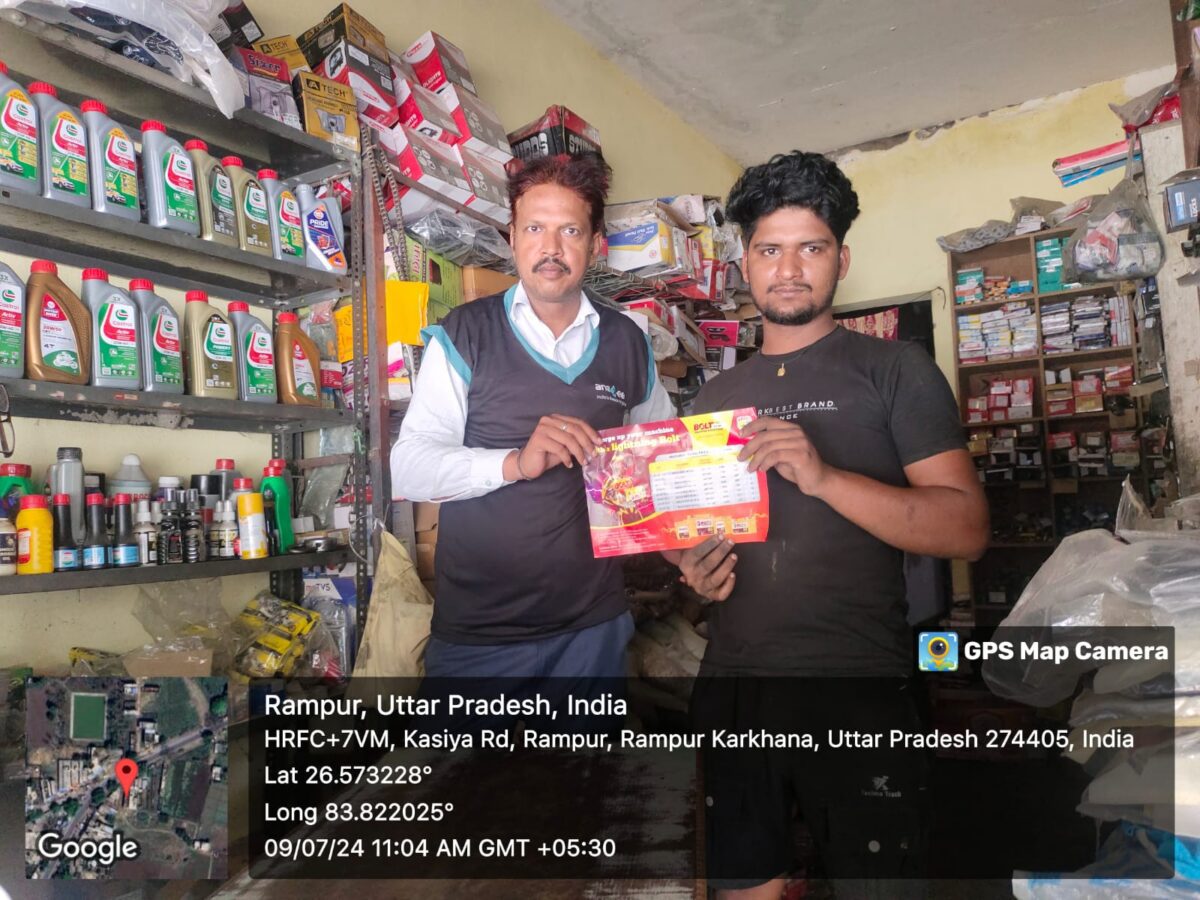
Anaxee Digital Runner at a retail shop during a field survey

What happens when you reach out to Anaxee

  • We scope your range, grades and territories, and the outlet types that matter — garages, two-wheeler and car mechanics, parts shops, general stores.
  • We map the outlet universe and run a pilot in a few districts so you see verified, geo-tagged field data on a live dashboard.
  • We scale across 540 districts, and you watch real counter-level coverage — and genuine-stock presence — grow week by week, with proof behind every number.

Frequently asked questions

What is lubricant aftermarket GTM?
It is the strategy and field execution that gets engine oils and lubricants from a brand to the garage, mechanic and vehicle owner — and keeps the genuine product present, visible and recommended. Because the mechanic usually chooses the brand and counterfeits are common, execution at the counter matters more than the launch.
Why do lubricant brands struggle in Tier 2-4 towns?
Because distributor reach is not the same as garage reach, own field teams are hardest to build in small towns, and the mechanic, plus the occasional look-alike can, decides the sale. Brands often cannot even count the outlets they are present in, let alone influence the mechanic who pours the oil.
Can Anaxee help tackle counterfeits and check genuine stock?
Yes. Our Digital Runners record genuine stock and visibility at each outlet with geo-tag, timestamp and photos, and can run your QR or genuineness checks in the field, so you can see where fakes are displacing you and act on it.
How do you prove the field visits are real?
Every visit is geo-tagged and timestamped through our app, with on-site photos. AI checks those photos for location mismatch, duplication and quality, so fake or desk-filled reports are flagged before they reach your dashboard.
Do we have to replace our lubricant distributors?
No. Anaxee is the field-execution and verification layer on top of your existing distribution — it strengthens secondary reach and gives you ground truth, rather than replacing your channel.
How fast can a programme start?
We typically begin with a pilot in a few districts so you can see verified field data quickly, then scale. Book a meeting to scope your range and territories.

The bottom line

In India’s lubricant aftermarket, the winner is rarely the brand with the best formulation or the biggest sponsorship — it is the one whose genuine can is on the shelf and whose relationship with the mechanic is strongest, in the most towns, with proof to show for it. Appointing more distributors will not fix a last-mile problem, or a counterfeit one. Verified, repeatable presence at the garage counter across Tier 2-4 India will. That is the work Anaxee does.

Ready to see your real counter-level lubricant coverage? Let us map your outlet universe and run a verified pilot in your priority districts.
Book a meetingCall +91 95841 32577

Companies Looking for Distributors in India: 28 Official Pages Where You Can Apply

Most businessmen looking for a distributorship start with a Google search and end up on a listing site full of unknown names. A better first step is the brand’s own website. Many well-known Indian companies run an official dealer or distributor enquiry page, and that is where real appointments begin.

Quick answer: Below are 28 companies that invite distributor or dealer applications on their own official websites, grouped by category: electricals, batteries, lubricants, tyres, appliances, mobile accessories, FMCG, agri inputs and building materials. Apply directly on each company page. To be visible to many brands at once, you can also register free on Anaxee Distributor Connect.
AnaxeeThis list at a glance
28 companies · 9 categories · official websites only · every link checked on 17 November 2026
No paid listingsNo marketplace linksUpdated as pages change
Please note: Anaxee does not appoint distributors for any company on this list and does not charge for any of these opportunities. Each link goes to the company’s own website. Terms, investment and territory are decided only by the company.

Electricals: wires, switches, fans and lighting

Polycab

Wires, cables, fans, lighting, switches, switchgear, pumps, solar

Dealership Request form on the support page. Polycab states it takes no registration fee for a dealership or distributorship.

Official page →

V-Guard

Stabilisers, inverters, water heaters, pumps, fans, wires, kitchen appliances

Choose Dealership in the enquiry form on the contact page; it asks for your state and district.

Official page →

Crompton

Fans, lights, water heaters, air coolers, pumps, kitchen appliances

Dealership Queries tab on the contact page, with product category and pincode.

Official page →

APAR Wires & Cables

House wires, cables, LAN cables

Become a Dealer / Distributor page; asks state, city, PIN and type of business.

Official page →

Ultravolt (UltraTech)

Wires and cables, a unit of UltraTech Cement, Aditya Birla Group

Become a Dealer page for electrical retailers, wholesalers and distributors, with an OTP-verified enquiry.

Official page →

Halonix

Consumer and professional lighting, fans

Become a Dealer form with business and contact details.

Official page →

Gold Coast (SNRG)

Modular switches, switchgear, cables

Asks for warehouse space and investment range; its criteria mention 300–500 sq ft of dry storage. Lists priority states including UP, Bihar, Jharkhand, West Bengal and Maharashtra.

Official page →

Batteries and inverters

Livguard

Inverters, inverter batteries, solar, automotive and e-rickshaw batteries

Distributor programme page with an application form; says the regional team responds within 48 hours.

Official page →

Leader Battery

Inverter, e-rickshaw and solar batteries

Distributorship and dealership form, plus a WhatsApp option. The page is in Hindi and English.

Official page →

Tuff Bull

Inverter, two-wheeler, e-rickshaw, solar and lithium batteries

Lists its requirements: GST, storage and logistics, capacity to invest in stock, and willingness to build a dealer network.

Official page →

Star Batteries

Automotive, tubular and solar batteries

Short dealership and distributorship form with city and district.

Official page →

Lubricants

HP Lubricants (HPCL)

Automotive and industrial lubricants

Appoints Industrial Lube Distributors and Bazaar Lube Distributors through an online application on the HPCL portal, and runs a webinar on the process.

Official page →

Caltex Lubricants

Caltex-brand lubricants, marketed in India by HPCL

Distributor enquiry form. HPCL also publishes selection guidelines and location details for Caltex distributors.

Official page →

Gulf Oil

Car, motorcycle, diesel engine and agri lubricants

Global Become a Gulf Distributor form; choose India as the country of interest.

Official page →

Tyres

JK Tyre

Car, two-wheeler, truck and farm tyres

Dealership Enquiry form under Contact Us; asks your state and whether you have GST.

Official page →

Home and kitchen appliances

Orpat

Fans, home appliances, switches, Ajanta clocks

Asks if you have a 1,500 sq ft warehouse with truck access, and states a minimum investment of ₹30 lakh.

Official page →

Summercool

Air coolers and home appliances

Distributor form with investment bands starting at ₹15 lakh.

Official page →

Oreva

Lighting, clocks, electricals, home appliances, e-bikes

Distributorship enquiry form where you choose the product line you want.

Official page →

Mobile and computer accessories

Portronics

Chargers, power banks, audio, computer accessories

Become a Channel Partner page with a WhatsApp contact.

Official page →

FMCG

Haldiram’s

Snacks, sweets, ready-to-eat foods

Five-step form that starts with state, district and tehsil. The page notes that submitting the form does not guarantee a distributorship.

Official page →

Patanjali Foods

Foods, edible oils, biscuits, personal and home care

Distributor application asking for storage area, commercial vehicles, investment and current distributorships.

Official page →

Anmol Biscuits

Biscuits, cakes, confectionery

Asks your FMCG experience, godown size (from 100 sq ft) and whether you own a delivery vehicle.

Official page →

Agri inputs and farm equipment

Anmol Agrico

Battery and petrol sprayers, HTP sprayers, water pumps, brush cutters

Dealer, sub-dealer and distributor applications, with investment bands from under ₹1 lakh.

Official page →

IFL Agrochemical

Organic and bio-based agri inputs

Asks for GST, an agri-input shop or warehouse, and working capital for minimum stock.

Official page →

Paints, pipes and building materials

Berger Paints

Paints, waterproofing, wood coatings, construction chemicals

Its FAQ puts the minimum investment at about ₹2–3 lakh, depending on location and other factors.

Official page →

Astral Pipes

Plumbing, drainage, agri and industrial pipes, water tanks

Become Distributor form where you choose a product category and yearly turnover.

Official page →

Astral Paints

Interior and exterior paints

Dealership callback form with city and pincode.

Official page →

British Paints

Decorative paints

Request for Dealership form with city and address.

Official page →

Links and details checked on each company’s official website on 17 November 2026. Companies change their pages; if a link stops working, search for the company name plus “dealership enquiry” and confirm the web address before sharing your details.

What these companies usually ask for

Read across the 28 forms and the same questions come up again and again. Have these answers ready before you apply:

  • Your firm and GST. Most forms ask for a firm name, and many ask for a GST number.
  • Godown or storage. From about 100 sq ft for biscuits to 1,500 sq ft with truck access for a large appliance brand.
  • Delivery vehicles. FMCG and food brands ask whether you own one or can hire.
  • Investment capacity. Where it is stated, it ranges from under ₹1 lakh for farm sprayers to ₹30 lakh for an appliance distributorship.
  • Your territory. State, district and sometimes tehsil or pincode.
  • Brands you already handle and your years in business.

Across a wider set of 402 distributor-wanted listings we reviewed, six in ten companies asked for less than ₹5 lakh to start. The breakdown is on our distributorship page.

Do not pay to apply

  • Polycab and Asian Paints both publish notices that they do not take any fee for a dealership or distributorship.
  • Apply only on the company’s own website. Check the address bar before you type your phone number.
  • Never pay a registration fee or deposit to a personal bank account or UPI ID before a signed agreement.
  • Check the company’s GSTIN on the government GST portal and meet its sales manager before you pay for any stock.

Apply once, reach many brands

Filling 28 forms takes days. Register once on Anaxee Distributor Connect with your category and up to 10 districts. When a brand registered with us needs a distributor there, we connect you. It is free, in Hindi or English, and registration is only through the website form.

Register freeहिंदी में रजिस्टर करें

Frequently asked questions

Which companies are looking for distributors in India right now?
The 28 companies above all invite distributor or dealer applications on their official websites, across electricals, batteries, lubricants, tyres, appliances, mobile accessories, FMCG, agri inputs and paints. An open enquiry page does not mean every district is open; the company decides by territory.
How do I apply for a distributorship of a big company?
Use the dealership or distributor enquiry form on the company’s own website, fill in your firm, GST, godown, vehicles and districts, and wait for the regional sales team to call. Meet them in person before paying for any stock.
Is there a fee to become a distributor?
Applying should be free. You will buy stock once appointed, and some companies ask for a security deposit under a signed agreement. Polycab and Asian Paints state publicly that they take no fee for dealership offers.
Why is a company I know not on this list?
We list only companies whose own website has a dealer or distributor enquiry page we could check. Many large brands appoint distributors through their regional sales offices instead. We add companies as we verify their pages.
Does Anaxee appoint distributors for these companies?
No. Anaxee does not appoint distributors for any company on this list. Anaxee Distributor Connect is a separate, free registration that connects businessmen with brands that register their distributor needs with us.
I am a brand. Can my company be listed?
If your website has an official dealer or distributor enquiry page, write to sales@anaxee.com. Brands can also register their distributor needs and receive their first 25 matched leads free.

AnaxeeLooking for a distributorship in your district?

Register once, free, for up to 10 districts. Brands that need distributors there will reach you through us. Brands managing an existing network can read our guide to distributor management.

Register for a distributorshipI am a brand

Tyre Aftermarket GTM in India: How Tyre Brands Win the Counter

Quick answer: A tyre brand almost never loses because of the tyre. It loses at the tyre shop, in a Tier 2-4 town, when the customer asks for a size and the fitter reaches for whatever brand is on the rack, in stock, and trusted. Winning the tyre aftermarket means trained people visiting those shops again and again, checking the right sizes are stocked and visible, and building the fitter relationship — with geo-tagged proof of every visit, not just more distributors on paper.
AnaxeeAbout Anaxee
40,000+ Digital Runners · 540 districts · 26 states · 11,000+ pincodes
★ National Startup AwardTrusted by 350+ brandsIndia’s Reach Engine since 2016

Every tyre brand in India runs on the same story at review time: so many dealers appointed, so many districts covered, so many tyres dispatched. The primary-sales chart climbs. But ask whether your 15-inch and 16-inch sizes are actually on the rack at the busy tyre shop in a Tier 3 town — and whether the fitter there recommends you or the brand next to you — and the honest answer is usually a shrug.

That is where tyre-brand growth quietly leaks. The tyre is good, the pricing works, the ad is on the highway hoarding. What is missing is verified presence at the fitment counter, in the right sizes, in the towns where most replacement tyres are actually sold.

Market reality
~58% replacement
Share of India’s ~USD 14.5 billion tyre market that is replacement, not new-vehicle fitment
Replacement ~58% vs OEM ~42% of India tyre demandReplacement ~58%OEM ~42%
Most tyres in India are bought when the old ones wear out — at a tyre shop or garage, not a showroom. That demand is spread across lakhs of small outlets, far from any brand head office.

What tyre aftermarket GTM actually means

Go-to-market for a tyre brand is not the dealer-board rollout or the launch scheme. It is the full chain that turns a tyre leaving your plant into a tyre that gets fitted, again and again, across thousands of scattered shops. The weak link is the last step — the one you can least see.

Tyre brand

primary sales

Distributor / stockist

secondary sales

Tyre shop / fitter

the blind spot

Vehicle owner

Primary sales to the distributor are easy to measure. Everything below — whether the right sizes reach the tyre shop, sit on a visible rack, and get recommended by the fitter — is the blind spot. In tyres that blind spot is unusually wide, because a single outlet stocks dozens of sizes across several brands, and the fitter’s word, plus whatever is physically in stock in the customer’s size, usually decides the sale.

Why tyre GTM underperforms in Bharat

  • The size that is not on the rack loses the sale. A customer needs a specific size today. If your SKU in that size is not physically in stock, the fitter sells whatever is — so stock-width at the counter, not just presence, decides share.
  • The fitter is the real salesperson. Most buyers say ‘bhaiya, achha wala daal do’ and take the fitter’s advice. If no one is building that relationship on the ground, a competitor’s field team is.
  • Dealer reach is mistaken for shop reach. A distributor ‘covering’ a district does not mean the tyre shops in it stock you. Most brands have never counted the tyre outlets they are actually in versus the ones they could be.
  • Visit data cannot be trusted. Dealer-board counts and visit reports filled from a tea shop tell you nothing. Without a geo-tag, a timestamp and a photo of the rack, a brand cannot separate a real visit from a fabricated one.

Anaxee runs your tyre field execution across 540 districts — tyre-shop mapping, stock-and-display checks, fitter engagement and geo-verified audits, without you hiring in a single new town.

Book a meeting

What good tyre GTM looks like

Map the real tyre-outlet universe first

Before chasing coverage, you need to know what full coverage even is. A geo-located census of the tyre shops, wheel-alignment centres, garages and multi-brand dealers in a territory turns a vague target into a countable one. It is the base layer of any honest go-to-market plan for Bharat, and often starts with a focused auto parts and spares shop survey.

Win the fitment bay, not just the shelf

Structured, repeated visits that check your priority sizes are in stock, keep the rack and board visible, and build the fitter’s trust do far more for a replacement category than another hoarding. For tyres, the specific job is making sure the fast-moving sizes are never the ones missing.

Measure sell-out and display, not dispatch

The number that matters is whether your tyres are present in the right sizes, visible and moving at the shop — verified on the ground — not how many left the warehouse. That is the difference between a dashboard that flatters you and one you can act on.

Worth knowing: a tyre buyer almost never walks in asking for a brand — they ask for a size and a budget, and the fitter picks the brand from what is on the rack. That single habit is why rack presence in the right sizes, not TV spots, quietly decides tyre share in small-town India.

Where technology and AI change the game

Field execution only becomes trustworthy when every visit leaves evidence. Anaxee’s Digital Runners work through a single app: each tyre-shop visit is captured with a geo-tag and timestamp, rack and board photos are uploaded on the spot, and AI reviews those photos to flag blurred, duplicate or location-mismatched images before they reach your dashboard. Fake visits are caught automatically, data is cleaned as it comes in, and you see live, district-by-district coverage — including which sizes are actually stocked — instead of a month-end spreadsheet you have to take on faith.

How Anaxee helps tyre brands

Anaxee is India’s Reach Engine: a network of 40,000+ tech-enabled Digital Runners across 540 districts, 26 states and 11,000+ pincodes, recognised with a National Startup Award and trusted by 350+ brands. For tyre and other consumer and durable brands, we run the field layer end to end — tyre-outlet mapping, stock and display checks, fitter and dealer engagement, order-taking support and geo-verified audits — managed from a central dashboard, so you get national counter-level presence without building a team in every town. It plugs straight into your existing distribution and sits under the broader automotive aftermarket GTM playbook.

AnaxeeProof on the ground — consumer & durable field execution
14,500
retail outlets surveyed
APAR
25,000
field touchpoints
Escorts
30,000
retailers reached
Udaan
75,000+ retail outlets covered across GTM projects for consumer and durable brands. See all case studies →
Anaxee Digital Runner at a retail shop during a field survey

What happens when you reach out to Anaxee

  • We scope your tyre range, priority sizes and territories, and the outlet types that matter — tyre shops, garages, alignment centres, multi-brand dealers.
  • We map the tyre-outlet universe and run a pilot in a few districts so you see verified, geo-tagged field data on a live dashboard.
  • We scale across 540 districts, and you watch real counter-level coverage — and in-stock sizes — grow week by week, with proof behind every number.

Frequently asked questions

What is tyre aftermarket GTM?
It is the strategy and field execution that gets replacement tyres from a brand to the tyre shop, fitter and vehicle owner — and keeps the right sizes present, visible and recommended. Unlike OEM supply to carmakers, the replacement tyre sale happens at thousands of small, scattered shops, so execution at the counter matters more than the launch.
Why do tyre brands struggle in Tier 2-4 towns?
Because distributor reach is not the same as tyre-shop reach, own field teams are hardest to build in small towns, and a sale is lost the moment the needed size is not on the rack. Brands often cannot even count the tyre outlets they are present in, let alone influence the fitter who decides the sale.
Can Anaxee check which tyre sizes are actually stocked?
Yes. Our Digital Runners record stock and display at each tyre shop — including your priority sizes — with geo-tag, timestamp and rack photos, so you can see where fast-moving sizes are missing and fix it.
How do you prove the field visits are real?
Every visit is geo-tagged and timestamped through our app, with on-site photos. AI checks those photos for location mismatch, duplication and quality, so fake or desk-filled reports are flagged before they reach your dashboard.
Do we have to replace our tyre distributors?
No. Anaxee is the field-execution and verification layer on top of your existing distribution — it strengthens secondary reach and gives you ground truth, rather than replacing your dealer channel.
How fast can a programme start?
We typically begin with a pilot in a few districts so you can see verified field data quickly, then scale. Book a meeting to scope your range and territories.

The bottom line

In India’s tyre aftermarket, the winner is rarely the brand with the best compound or the biggest campaign — it is the one whose fast-moving sizes are on the rack and whose relationship with the fitter is strongest, in the most towns, with proof to show for it. Appointing more dealers will not fix a last-mile problem. Verified, repeatable presence at the tyre counter across Tier 2-4 India will. That is the work Anaxee does.

Ready to see your real counter-level tyre coverage? Let us map your tyre-outlet universe and run a verified pilot in your priority districts.
Book a meetingCall +91 95841 32577

Go-to-Market for Building Materials & Home Brands in India

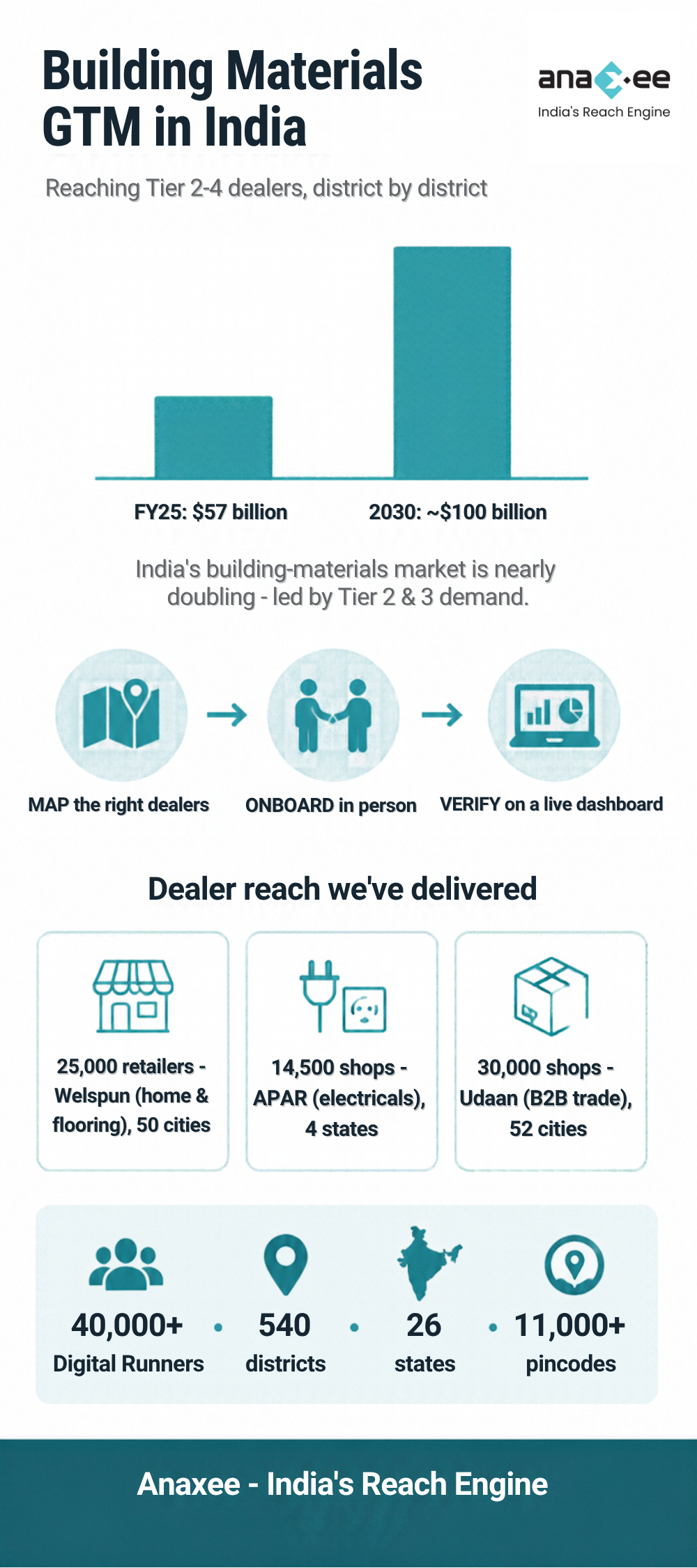
India's building materials market is heading to $100 billion, and the growth is in Tier 2-4 towns served by fragmented hardware, paint and tile dealers. How building-materials and home brands open those markets store by store.

Quick answer: For a building-materials or home brand, India’s growth sits with the hardware, paint, tile and sanitaryware dealers scattered across Tier 2-4 towns, not the handful of big-city showrooms. The market is heading to $100 billion, and reaching it means getting your products and visibility into thousands of dispersed dealers, without building a field team in every state. Anaxee opens those markets dealer by dealer, across 540 districts.
Anaxee, go-to-market partner for building materials brands in IndiaAbout Anaxee
40,000+ Digital Runners · 540 districts · 26 states · 11,000+ pincodes
★ National Startup Award25,000-retailer directory for Welspun14,500 electricals shops for APAR

India is building, and it is building everywhere. The homes going up are no longer only in the metros, they are in the Tier 2 and Tier 3 towns where families are buying their first branded tiles, better sanitaryware, a proper coat of paint and good wiring. That is where the building-materials market is growing fastest, and it is served by a dense, fragmented web of local hardware, paint, tile and electrical dealers.

For a brand, that is the opportunity and the problem in one. Those dealers are the shelf, and they are scattered across thousands of towns a central sales team can never cover. Getting your products, your visibility and your dealer network into all of them is a last-mile distribution problem, and it is exactly what Anaxee was built to solve.

The prize
~$100 billion
India’s building-materials market by 2030 — nearly double its FY25 size
India building-materials market: ~$57B (FY25) to ~$100B (2030)$57B$100BFY252030
Growth is led by residential construction and renovation in Tier 2 and Tier 3 cities — the markets hardest to reach from a central office.
Source: Avendus Capital (India building-materials market estimate, 2026).
Anaxee infographic: building materials GTM in India - market heading to $100 billion by 2030, dealer reach Welspun 25,000 retailers, APAR 14,500 shops, Udaan 30,000 shops, across 540 districts and 11,000+ pincodes
Building materials GTM in India: the market opportunity, the map-onboard-verify model, and verified dealer reach. Infographic by Anaxee Digital Runners.

Why building-materials distribution is hard in India

  • The dealers are fragmented. Hardware, paint, tile, sanitaryware and electrical shops run into the lakhs, spread thin across towns and talukas, each small on its own.
  • Distribution thins out past the metros. A brand strong in the big cities has little presence and no field team in the Tier 2-4 towns where construction is now booming.
  • The dealer, the contractor and the mason all matter. What gets specified and stocked depends on local influencers a remote team never meets, so presence has to be on the ground.
  • You cannot see your own distribution. Without someone in the market, you do not know which dealers stock you, whether your display is up, or where a rival owns the counter.

Expanding your building-materials or home brand into new markets? Anaxee onboards the right dealers district by district and hands you a verified, mapped view of your distribution.

Book a meeting

How to open a new market dealer by dealer

Use a field force already in the district

The economics only work if you do not build and disband a team per state. Anaxee already has Digital Runners living across 540 districts, so a new market opens on the strength of a network already there, in the local language, at a fraction of the cost and time.

Map, onboard and profile the right dealers

Runners identify the hardware, paint, tile, sanitaryware and electrical dealers that matter for your category, onboard each in person, and capture its details, what it stocks and photographs on the app, so you get a real dealer universe, not a bought list.

Put up visibility where buyers decide

Boards, shade cards, displays and in-shop branding go up alongside the stock, so your brand is seen at the counter where the dealer, contractor and homeowner actually choose.

See your distribution on a dashboard

Every onboarded dealer lands geo-tagged, time-stamped and photo-backed on a live dashboard, so the distribution you see on screen is the one that exists on the ground, district by district.

Where technology and AI change the game

Anaxee runs distribution as a tech product. Every Runner works through the Anaxee Partner app, which captures each dealer onboarding and visit with GPS, a timestamp and photographs, and pushes it live to a dashboard you watch in real time. AI reads the field photographs to flag duplicates and confirm the shop is what it claims to be, so your dealer network is verified, not taken on trust. The same system runs identically in every state, which makes a national rollout repeatable. It connects to your systems through our platform and API.

AnaxeeProof: building, home & electricals brands we’ve reached
25,000
Welspun (home & flooring)
retailer directory · 50 cities
14,500
APAR (electricals)
shops onboarded · 4 states
30,000
Udaan (B2B trade)
shops reached · 52 cities
Real, verified dealer reach delivered on the ground for home, electricals and trade brands. See all case studies →
Worth knowing: within building materials, electricals, paints, tiles and fittings, the so-called decorative and fast-moving segment is the biggest and fastest-growing pool, and it is overwhelmingly sold through general trade. That is the part no online catalogue reaches and where getting onto the dealer’s shelf first tends to stick.
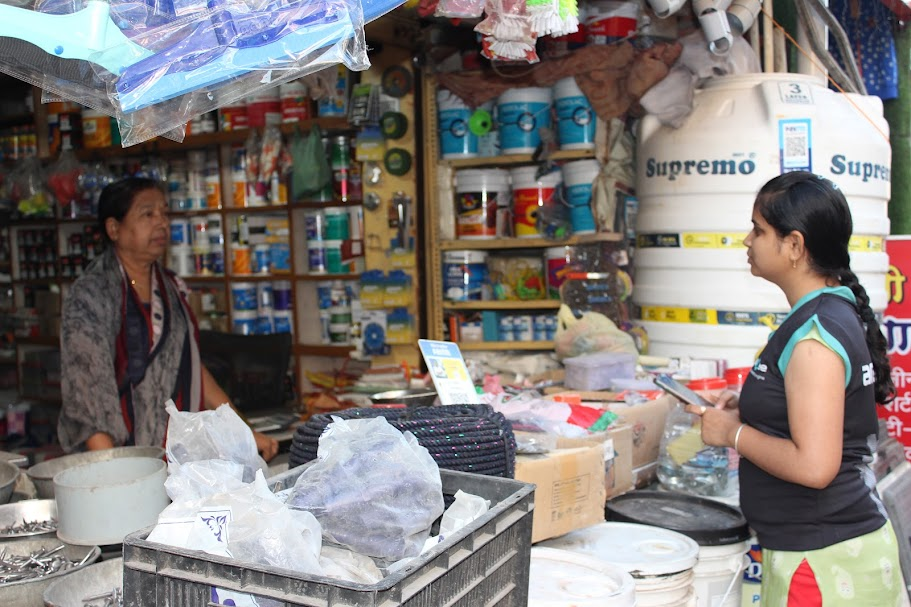
An Anaxee Digital Runner onboarding a hardware and paints store dealer in India

What happens when you reach out to Anaxee

  • We scope the markets, the states and districts you want to enter, and the dealer profile that matters for your category.
  • We run a pilot in one region so you see real, verified dealer onboardings before you scale.
  • We open your target districts dealer by dealer, with visibility up and a live dashboard on every outlet.

Who this is for

  • Tiles, sanitaryware & bathware brands expanding dealer networks into new towns.
  • Paints, coatings & cement-paint brands chasing Tier 2-4 painter and dealer reach.
  • Pipes, fittings, wires, switchgear & hardware brands building out distribution district by district.
  • Flooring, plywood, laminates & home-finish brands reaching the renovation and new-build market.

Frequently asked questions

How do building-materials brands reach Tier 2-4 India?
Through general trade, the hardware, paint, tile and sanitaryware dealers in smaller towns, reached by a last-mile field force that onboards each dealer in person and tracks it on a dashboard. Most building materials are still bought at a physical dealer, so shelf and counter presence in dispersed towns is what drives sales.
Can Anaxee help us enter a new state?
Yes. We already have Digital Runners in those districts, so instead of hiring a new team, we map and onboard the right dealers for you, geo-tagged and verified, and hand you a mapped view of your new distribution. We built a 25,000-retailer directory across 50 cities for Welspun this way.
Do you put up visibility and branding too?
Yes, boards, shade cards, displays and in-shop branding go up alongside stocking, and compliance is captured with photos, so you can see where visibility actually went live.
How do we know the dealers are real?
Every onboarding is captured geo-tagged, time-stamped and photo-backed on a live dashboard, and AI checks the photos for duplicates and authenticity, so your dealer network is verified on the ground.
How fast can you open a new market?
With a network already present across 540 districts, a rollout starts in days rather than the months it takes to build a dedicated field team. Book a meeting to scope your markets.

The bottom line

India’s building boom will be won at the dealer counter, in thousands of Tier 2-4 towns, by the brands that get there first. You do not need a payroll in every state to do it, you need a partner already on the ground in every district. Anaxee turns a network of 40,000+ Digital Runners into the distribution engine that opens new markets dealer by dealer, and proves every outlet on a dashboard. See our go-to-market playbook, how we handle market expansion, and how we reach rural retailers.

Ready to open your next set of markets? Let us scope a pilot in your target districts.

Book a meetingCall +91 95841 32577

Go-to-Market for Consumer Electronics & Appliance Brands in India

India is becoming the world's fourth-largest consumer durables market, and the growth is in Tier 2-4 towns where general trade still rules. How electronics and appliance brands open new districts store by store.

Quick answer: For a consumer electronics or appliance brand, the India growth story is a distribution story. The market is heading to Rs 3 lakh crore and the fastest growth is in Tier 2-4 towns, where general trade still rules and an online listing does not get you on the shelf. Winning means getting your product into thousands of dispersed retailers, fast, without building a field team in every new state. Anaxee opens those districts store by store, across 540 districts.
Anaxee, go-to-market partner for electronics and appliance brands in IndiaAbout Anaxee
40,000+ Digital Runners · 540 districts · 26 states · 11,000+ pincodes
★ National Startup AwardOpened 27 new districts for TTK Prestige14,500 shops onboarded for APAR

India is about to become the world’s fourth-largest consumer durables market, and for once the headline number is not the interesting part. The interesting part is where the growth is: Tier 2, Tier 3 and rural India, where households are buying their first refrigerator, their second TV and a better mixer-grinder, and where a brand’s biggest competitor is not another brand but its own absence from the shelf.

Because here is the catch that catches every durables brand. Online is growing, but most appliances and electronics are still bought in a physical shop a customer can walk into, and those shops are scattered across thousands of small towns. Getting onto those shelves, in all of those towns, is the real game, and it is a last-mile distribution problem that Anaxee was built to solve.

The prize
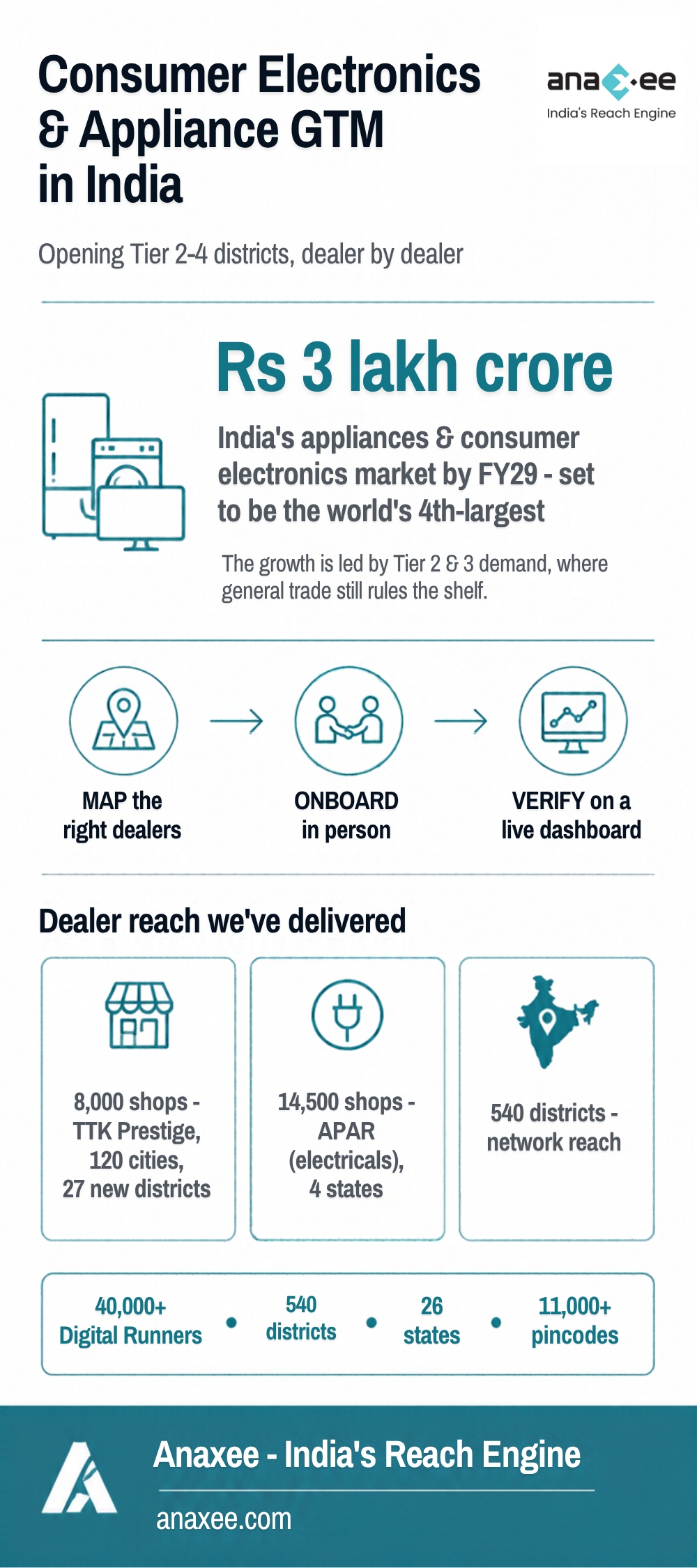
Rs 3 lakh crore
India’s appliances & consumer electronics market by FY29 — set to be the world’s fourth-largest
India ACE market to Rs 3 lakh crore by FY29Tier 2-4 towns drive the growth
The growth is led by Tier 2 and Tier 3 demand — the exact markets a central sales team struggles to reach on its own.
Anaxee infographic: consumer electronics and appliance GTM in India - market heading to Rs 3 lakh crore by FY29 (4th-largest), dealer reach TTK Prestige 8,000 shops across 27 new districts and APAR 14,500 shops, across 540 districts and 11,000+ pincodes
Consumer electronics & appliance GTM in India: the market opportunity, the map-onboard-verify model, and verified dealer reach. Infographic by Anaxee Digital Runners.

Why electronics & appliance distribution is hard in India

  • General trade still rules. The single-store electronics dealer and the neighbourhood appliance shop account for a large share of sales, and they sit in thousands of dispersed towns no central team can cover.
  • New geographies mean no feet on the ground. A brand strong in one region has no field team, no dealer relationships and no store list the moment it enters a new state.
  • Building a team per state is costly and slow. Hiring, training and later unwinding a permanent field force in every new market is a heavy bet before you even know the market works.
  • You cannot see your own shelf. Without someone on the ground, you do not know which stores stock you, whether your display is up, or where the white space is.

Expanding your electronics or appliance brand into new districts? Anaxee onboards the right retailers store by store and hands you a verified, district-wise view of your network.

Book a meeting

How to open a new market store by store

Use a field force that is already in the district

The economics only work if you do not build and disband a team for every state. Anaxee already has Digital Runners living across 540 districts, so a new market opens on the strength of a network that is already there, in the local language, at a fraction of the cost and time of hiring your own.

Map, onboard and verify the right retailers

Runners identify the electronics and appliance dealers that actually matter for your category, onboard each one in person, and capture its details, location and photographs on the app at the point of visit, so you get a real store universe, not a bought list.

See your expanding network on a dashboard

Every onboarded store lands geo-tagged, time-stamped and photo-backed on a live dashboard, so the network you see on screen is the one that exists on the ground, district by district.

Where technology and AI change the game

Anaxee runs distribution as a tech product. Every Runner works through the Anaxee Partner app, which captures each dealer onboarding and store visit with GPS, a timestamp and photographs, and pushes it live to a dashboard you watch in real time. AI reads the field photographs to flag duplicates and confirm the store is what it claims to be, so your expanding dealer network is verified, not taken on trust. The same system runs identically in every state, which is exactly what makes a national rollout repeatable. It connects to your systems through our platform and API.

AnaxeeProof: durables & electricals brands we’ve expanded
8,000
TTK Prestige
shops onboarded · 120 cities · 27 new districts
14,500
APAR Industries
shops onboarded · 4 states (electricals)
540
Network reach
districts · 11,000+ pincodes
Real, verified retail expansion delivered on the ground. Read the TTK Prestige story →
Worth knowing: general trade still accounts for roughly 40% of the appliances market, concentrated in Tier 2+ towns and rural India. That is the part of the market an e-commerce listing does not reach, and the part where whoever gets on the shelf first tends to stay there.
An Anaxee Digital Runner onboarding an appliances and utensils retailer in India

What happens when you reach out to Anaxee

  • We scope the markets, the states and districts you want to enter, and the dealer profile that matters for your category.
  • We run a pilot in one region so you see real, verified store onboardings before you scale.
  • We open your target districts store by store, with a live dashboard on every dealer.

Who this is for

  • Appliance & white-goods brands — kitchen appliances, refrigerators, washing machines, fans, coolers — expanding beyond their home markets.
  • Consumer electronics brands — TVs, audio, mobiles and accessories — chasing Tier 2-4 retail reach.
  • Electricals & home-improvement brands — wiring, lighting, switchgear, fittings — building out dealer networks district by district.

Frequently asked questions

How do electronics and appliance brands reach Tier 2-4 India?
Through general trade — the dealers and appliance shops in smaller towns — reached by a last-mile field force that onboards each store in person and tracks it on a dashboard. Online helps, but most durables are still bought in a physical shop, so shelf presence in dispersed towns is what drives the numbers.
Can Anaxee help us enter a new state?
Yes. We already have Digital Runners in those districts, so instead of hiring and training a new team, we map and onboard the right retailers for you store by store, geo-tagged and verified, and hand you a district-wise view of your new network. We did exactly this for TTK Prestige across 27 new districts.
Do you onboard dealers or just map them?
Both. Runners identify the relevant stores and onboard them in person, capturing details, location and photographs, so you get an active, verified dealer universe rather than a static list.
How do we know the stores are real?
Every onboarding is captured geo-tagged, time-stamped and photo-backed on a live dashboard, and AI checks the photos for duplicates and authenticity, so your dealer network is verified on the ground.
How fast can you open a new market?
With a network already present across 540 districts, a rollout starts in days rather than the months it takes to build a dedicated field team. Book a meeting to scope your markets.

The bottom line

India’s durables boom will be won on the shelf, in thousands of Tier 2-4 towns, by the brands that get there first. You do not need a payroll in every state to do it, you need a partner already on the ground in every district. Anaxee turns a network of 40,000+ Digital Runners into the distribution engine that opens new markets store by store, and proves every dealer on a dashboard. See our go-to-market playbook, how we handle market expansion, and how we reach rural retailers.

Ready to open your next set of districts? Let us scope a pilot in your target markets.

Book a meetingCall +91 95841 32577

E-commerce Enablement in India: Reaching the Next 100 Million Shoppers in Bharat

The next wave of online shoppers is in Tier 2-4 India, and most of them need a trusted local person to buy for the first time. How assisted commerce and on-ground enablement bring e-commerce to Bharat at scale.

Quick answer: E-commerce enablement is the on-ground work of bringing online shopping to people who do not yet buy online on their own, by giving them a trusted local person who helps them discover, order and pay. Most of India’s next 100 million shoppers are in Tier 2-4 towns and villages, and an app alone does not convert them. Anaxee runs this assisted-commerce layer at scale, with a field network across 540 districts.
Anaxee, e-commerce enablement partner in IndiaAbout Anaxee
40,000+ Digital Runners · 540 districts · 26 states · 11,000+ pincodes
★ National Startup AwardRan Amazon’s assisted-commerce push for 12 months947 Runners on one programme

India just became the world’s second-largest online shopper base, and the growth is not coming from the metros any more. It is coming from Indore, Vizag, Coimbatore and the thousands of towns and villages behind them, where crores of people are about to buy online for the very first time. Reaching them is the single biggest prize in Indian retail, and it is an on-ground problem before it is a digital one.

The reason is simple. A first-time shopper in a Tier-3 town does not browse an app, compare options, pay digitally and trust that a parcel will arrive, all on their own. They need a trusted local person to walk them through it the first few times. That person, at national scale, is what e-commerce enablement actually delivers, and it is exactly what Anaxee was built to run.

Where the growth is
~3 in 5
new online shoppers since 2020 come from Tier-3 and smaller towns
3 in 5 new online shoppers from Tier-3 and smaller townsTier-3 & beyond
India’s e-retail market is projected to roughly triple to $170-190 billion by 2030, with the new shoppers overwhelmingly from smaller towns and villages.
Anaxee infographic: e-commerce enablement in India - 3 in 5 new online shoppers since 2020 from Tier-3 and smaller towns, Amazon assisted-commerce programme 947 Digital Runners, 12 months, Rs 1.32 crore, across 540 districts and 11,000+ pincodes
E-commerce enablement in India: where the next shoppers are, the assisted-commerce model, and the Amazon programme Anaxee ran. Infographic by Anaxee Digital Runners.

What e-commerce enablement actually means

It is not marketing, and it is not a delivery fleet. It is the human layer that converts a first-time buyer and keeps them shopping. In practice it covers a few connected jobs on the ground.

  • Assisted shopping. A local Runner helps a customer discover products, place the order and pay, until they are confident enough to do it themselves.
  • Customer & seller onboarding. Signing up new buyers, and bringing local shops and sellers onto the platform, with KYC-light steps, photos and verification done in person.
  • Trust and handholding. Explaining returns, payments and delivery in the local language, so the first order is not the last one.
  • Reach into the long tail. Doing all of the above in towns and villages a central team can never visit, consistently, over months.

Why an app alone does not convert Bharat

Digital payments, cheap data and 5G have levelled the field, but the last barrier is human: trust. A first-time rural shopper worries that the money will vanish, the product will be fake, or the parcel will never come. No push notification fixes that. A familiar face in the same town, who has helped a neighbour buy before, does. This is why the platforms chasing the next 100 million users keep coming back to one answer: boots on the ground, coordinated by technology.

Expanding your platform into Tier 2-4 India? Anaxee can put a trusted, trained field force in front of your next million customers, and measure every interaction.

Book a meeting

How Anaxee runs assisted commerce at scale

Anaxee is India’s Reach Engine: 40,000+ tech-enabled Digital Runners across 540 districts, 26 states and 11,000+ pincodes, coordinated through a single app. For an e-commerce or assisted-commerce company, that network becomes your on-ground team, your customers’ trusted contact and your onboarding force, in places you cannot staff yourself. Every order assisted, customer onboarded and seller signed up is tracked on a live dashboard, so a programme running across hundreds of towns stays visible and measurable. It plugs into your systems through our platform and API, and scales from a district pilot to a national rollout.

AnaxeeProof: Amazon’s assisted-commerce programme
947
Digital Runners deployed
12 months
sustained on the ground
₹1.32 Cr
programme value delivered
Anaxee ran Amazon’s assisted-shopping push on the ground for a full year, bringing online shopping to customers who do not buy online on their own. Read the case study →
Worth knowing: the companies winning Bharat are not the ones with the slickest app, but the ones who solved distribution and trust on the ground. In small-town India, a recommendation from a familiar local person still beats any amount of digital advertising, which is why assisted models keep outperforming pure-digital ones for first-time users.
An Anaxee Digital Runner assisting a customer at a mobile electronics retail shop in India

What happens when you reach out to Anaxee

  • We scope the programme, the geographies, the targets and what each Runner interaction should achieve.
  • We run a pilot in a cluster of towns so you see real onboarding and assisted-order numbers before scaling.
  • We scale the field force across your target districts, with a live dashboard on every interaction.

Who this is for

  • E-commerce & marketplaces pushing into Tier 2-4 and rural markets and needing first-time buyers onboarded in person.
  • Assisted-commerce & agent-network models that need a ready field force rather than building one town by town.
  • Platforms onboarding local sellers who need shops verified, catalogued and trained on the ground.

Frequently asked questions

What is e-commerce enablement?
It is the on-ground work that brings online shopping to people who do not yet buy online on their own, through a trusted local person who helps them discover, order and pay, plus onboarding of new customers and local sellers. It is what converts first-time shoppers in smaller towns, where an app alone is not enough.
What is assisted commerce?
Assisted commerce is a model where a local agent or Runner helps a customer shop online, handling discovery, ordering and payment on their behalf until the customer is confident doing it alone. It is the proven way to bring first-time users in Bharat onto e-commerce platforms.
Can Anaxee onboard sellers as well as customers?
Yes. Our field network signs up and verifies local shops and sellers in person, photographs and catalogues their stores, and trains them on the platform, alongside onboarding and assisting customers.
How do you measure a programme like this?
Every interaction runs through our app and lands on a live dashboard, so onboarding counts, assisted orders, geographies covered and Runner productivity are all visible in real time across hundreds of towns.
How fast can you deploy?
We typically start with a pilot in a cluster of towns so you can validate the numbers, then scale across districts. Book a meeting to scope geographies and targets.

The bottom line

The next 100 million online shoppers in India will not be won by a better app. They will be won in person, one trusted interaction at a time, in towns and villages that no central team can reach. Anaxee turns a network of 40,000+ Digital Runners into the on-ground enablement layer that brings your platform to Bharat, and proves every step on a dashboard. See how we reach rural markets and our full go-to-market offering.

Ready to bring your platform to the next 100 million? Let us scope a pilot in your target towns.

Book a meetingCall +91 95841 32577

AI Training Data Collection in India: Field, Multilingual & Verified Datasets at Scale

The models that work in Bharat are trained on data that was collected in Bharat. How real-world, multilingual, consent-first AI training data is gathered and verified across India at scale.

Quick answer: AI training data collection is the work of gathering real-world images, audio, video, text and sensor data, from actual people and places, so a model learns the world it will operate in. For India, that means data in dozens of languages, accents, handwriting styles and rural contexts that simply are not on the internet. Anaxee collects it at the source, across 540 districts, with consent, geo-tag and AI quality checks built in.
Anaxee, AI training data collection partner in IndiaAbout Anaxee
40,000+ Digital Runners · 540 districts · 26 states · 11,000+ pincodes
★ National Startup Award100,000+ app downloads3M+ person-projects completed

Every AI team eventually hits the same wall. The model performs beautifully in the lab and then stumbles the moment it meets the real world, a Bhojpuri voice command, a handwritten Marathi shop board, a crop disease photographed on a cheap phone in a Chhattisgarh field. The architecture was never the problem. The training data was.

The data that teaches a model to work in Bharat has to be collected in Bharat, from real people, in real conditions, with their consent. That is a last-mile, feet-on-the-ground problem long before it is a machine-learning one, and it is exactly the kind of problem Anaxee was built to solve.

Market reality
~$540 million
India’s AI training-dataset market by 2029
India AI training-dataset market: ~$123M (2024) to ~$540M (2029)$123M$540M20242029
India’s AI training-dataset market is growing faster than the global average, driven by demand for localised, multilingual data that only on-ground collection can supply.
AI training data collection in India infographic: India’s AI training-dataset market reaching ~$540 million by 2029; Anaxee’s consent-first field pipeline of collect, annotate and verify, proven by 3M+ person-projects, 100,000+ field-app downloads and reach across 540 districts; a network of 40,000+ Digital Runners across 26 states and 11,000+ pincodes.
How to build India’s AI training data — collect in the field, annotate and label, verify and clean, with consent on every sample. Infographic by Anaxee Digital Runners.

What AI training data collection actually involves

Useful training data is not scraped, it is produced. A real pipeline runs in stages, and most AI teams underestimate how much of the effort sits in the first two.

Collect in the field

images, audio, video, text

Annotate / label

tag, transcribe, box

Verify & clean

QA, consent, de-dupe

Ready-to-train dataset

Collection is the hard, physical part: finding the right people, capturing clean samples across languages and regions, and proving each one is real and consented. Annotation and verification then turn raw captures into a dataset a model can actually learn from.

Why collecting AI data in India is hard

  • The data is not online. Low-resource languages, regional accents, handwritten scripts and rural scenes barely exist on the public internet. The only way to get them is to go and collect them.
  • Diversity has to be engineered. A dataset skewed to one city or one accent bakes bias into the model. True coverage means many districts, languages, devices, ages and conditions, by design, not by luck.
  • Consent and provenance are non-negotiable. With tightening data rules worldwide, every sample needs clear, recorded consent and a traceable origin, or it is a liability, not an asset.
  • Quality breaks at scale. Ten clean samples is easy. A hundred thousand, collected by thousands of people across the country, needs a system that catches blur, duplication and faked captures automatically.

Need real-world, multilingual, consented data from across India? Anaxee collects image, audio, video and text data at the source, with geo-tag, timestamp and AI quality checks on every sample.

Book a meeting

What good AI data collection looks like

Multimodal by default

Speech, images, short video, handwriting, typed and dictated text, captured to spec with the right metadata. The value is in collecting the modality your model is weak at, not the one that is easy to find.

Multilingual and truly local

Real coverage of India means dozens of languages and dialects, captured by local people who actually speak them, across the kind of towns and villages where the next wave of users lives. This is the same deep reach we use for field data collection across India.

Consent-first and verifiable

Every contributor gives recorded consent; every sample carries a geo-tag, timestamp and a traceable chain back to the field. That is what turns a pile of files into a dataset you can defend.

Worth knowing: the hard part of modern AI is shifting from model size to data quality. As the public internet gets exhausted and licensing tightens, the teams that win are the ones who can commission fresh, consented, real-world data on demand, which is a logistics problem as much as a tech one.

Where technology and AI change the game

Anaxee runs collection through one app, so quality is enforced as the data comes in, not weeks later. Each sample is geo-tagged and timestamped; AI checks images and audio for blur, silence, duplication and location mismatch on the spot; and a central dashboard shows coverage by language, district and modality in real time. You see where the gaps are and fill them deliberately, instead of discovering a biased dataset after training. It is the same quality layer that powers our view on why real-world primary data still beats synthetic data.

How Anaxee helps AI teams

Anaxee is India’s Reach Engine: 40,000+ tech-enabled Digital Runners across 540 districts, 26 states and 11,000+ pincodes, with a field app that has crossed 100,000+ downloads and 3M+ completed person-projects. For AI and data teams, that network becomes a programmable data-collection layer, you specify the languages, modalities, scenarios and volumes; we collect at the source, with consent and verification, and hand back clean, structured data. It connects to your pipeline through our platform and API, and scales from a focused pilot to a nationwide collection drive.

AnaxeeIndependent field data at national scale
540
districts of on-ground reach
11,000+
pincodes covered
3M+
person-projects completed
A consent-first collection network spanning India’s languages, regions and real-world conditions. See our coverage →
An Anaxee Digital Runner collecting geo-tagged field data in India

What happens when you reach out to Anaxee

  • We scope your data need, modalities, languages, scenarios, volume, consent terms and acceptance criteria.
  • We run a pilot in a few districts so you see real, verified samples and quality before committing to scale.
  • We scale collection across 540 districts, with live coverage-by-language dashboards and QA on every sample.

Frequently asked questions

What is AI training data collection?
It is the process of gathering real-world data, images, audio, video, text and sensor readings, from actual people and environments, so an AI model can learn to perform in those conditions. For India it is heavily about languages, accents and rural contexts that are missing from scraped internet data.
What kinds of data can Anaxee collect?
Multimodal field data: speech and voice samples, photographs, short video, handwriting and document images, and structured text, across India’s languages and regions, with the metadata and consent your pipeline needs.
How do you ensure data quality and diversity?
Collection runs through our app with geo-tag, timestamp and on-the-spot AI checks for blur, duplication and location mismatch. A live dashboard tracks coverage by language, district and modality, so diversity is engineered deliberately rather than left to chance.
Is the data consented and compliant?
Yes. Every contributor gives recorded consent and each sample carries a traceable origin. Consent-first collection is built into the workflow, not added afterwards.
Do you only collect, or also annotate?
We specialise in the hard part, reliable collection at the source, and provide first-pass labelling, transcription and verification. We scope the exact split of collection, annotation and QA with you up front.
How quickly can a collection project start?
We typically begin with a pilot so you can validate quality fast, then scale. Book a meeting to scope languages, modalities and volumes.

The bottom line

As the easy, scraped data runs out, the advantage shifts to whoever can commission fresh, diverse, consented data from the real world, on demand. In India that is a last-mile collection problem at heart. Anaxee turns a network of 40,000+ Digital Runners into the data-collection layer that feeds your models the Bharat they need to understand.

Ready to collect the data your model is missing? Let us scope a pilot in your target languages and modalities.

Book a meetingCall +91 95841 32577