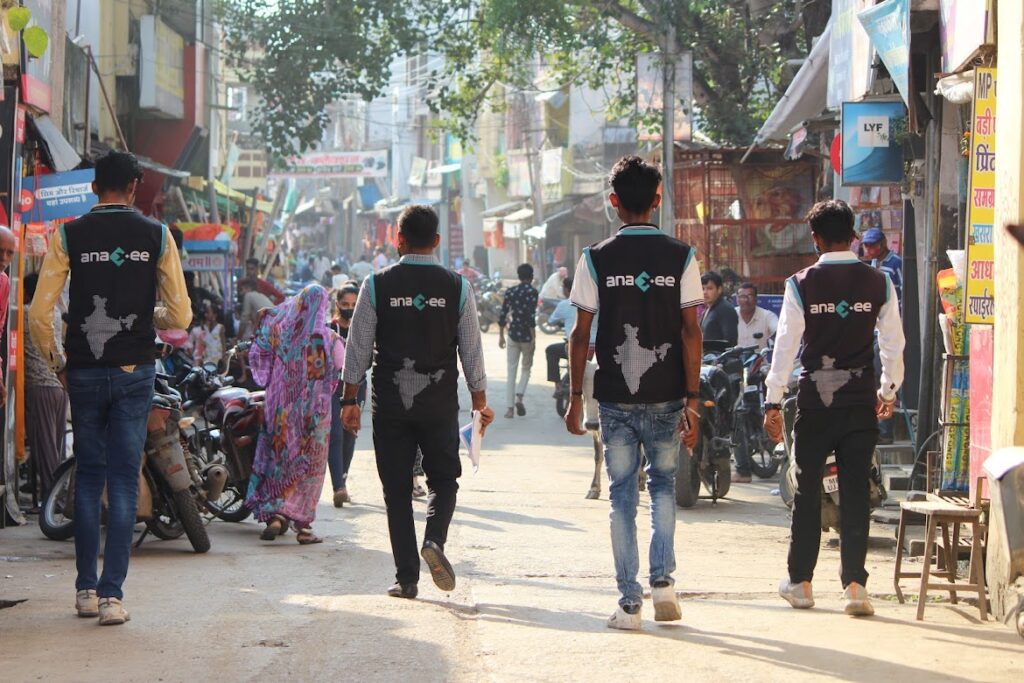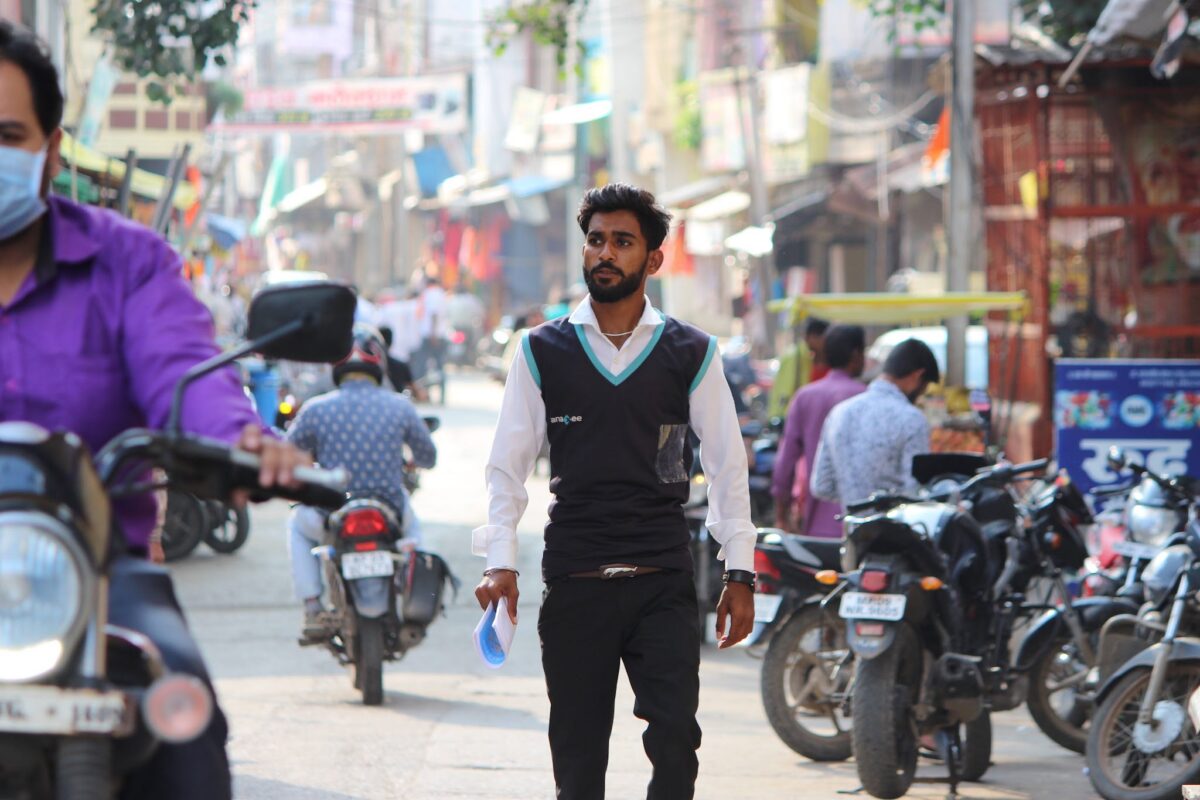

New Product Launch in India: How to Get a Product onto Shelves Nationwide

A great product fails quietly if it never reaches the shelf. Here’s how brands turn a national launch into actual on-ground availability, visibility and trial across India’s scattered retail.

Quick answer: A new product launch succeeds or fails on execution — whether it actually reaches shelves, gets visible, and earns trial across the market in the critical first weeks. The brands that win launches pair the marketing push with a last-mile field force that gets the product onto real outlets and proves it.
AnaxeeAbout Anaxee

40,000+ Digital Runners · 540 districts · 26 states · 11,000+ pincodes of reach

★ Winner, National Startup Award (Govt. of India)Trusted by 350+ brands — incl. Mahindra & ITCIndia’s Reach Engine since 2016

The launch plan is beautiful. The ad campaign is booked, the packaging is sharp, the distributor order is in. Then the first month’s numbers come in soft, and the post-mortem begins — was it the product, the price, the positioning? Usually it was none of those. It was that in most of the country the product simply never made it to the shelf in time, in the right outlets, with any visibility. The demand the campaign created walked into shops that didn’t stock it.

A launch is an execution event, not a marketing event. The campaign creates the pull; the shelf has to be ready to catch it.

The launch reality
76%
of new FMCG products fail within their first year
76% of new products fail in year one vs 24% surviveFail in year oneSurvive ~24%
Most not because the product was weak, but because it never reached enough shelves, visibly, in time.
Source: Nielsen Breakthrough Innovation Report, via Business Standard

Why launches fail on the ground

  • Slow shelf availability. Stock sits with distributors while demand peaks and fades.
  • Wrong outlets. The product reaches a few easy shops, not the ones the target buyer visits.
  • No visibility. Even where it’s stocked, nothing signals it’s there.
  • No trial. For a new or unfamiliar product, awareness without trial rarely converts.
  • No feedback loop. By the time weak data surfaces, the launch window has closed.
The scale
12 million+
retail outlets carry 90%+ of India’s FMCG sales through traditional trade
90%+ traditional trade vs ~10% modern retailTraditional tradeModern ~10%
Your launch has to physically land across them — in days, not months — to catch the demand you paid to create.

AnaxeeLaunching soon? Anaxee will get it onto real shelves — in the launch window.

Anaxee Digital Runners drive availability, visibility and trial across 540 districts, outlet by outlet, tracked live — so campaign-driven demand meets a stocked, visible shelf.

Book a meeting

How to execute a launch that lands

Get it on the right shelves, fast

A field force can drive availability directly — onboarding and stocking the outlets your target buyer actually visits, in the launch window, not weeks later.

Make it visible

POSM and displays go up alongside the stock, so the campaign’s pull meets visible supply at the counter.

Drive trial

Sampling and demos turn awareness into first purchase — especially vital for new or unfamiliar products.

Measure in real time

Geo-tagged field data shows, within days, where availability and visibility are lagging — so you fix the launch while it’s still live.

Fun fact: a launch lives or dies in its first few weeks on shelf — the short window when campaign-driven demand peaks. Miss availability then and you’re paying to send shoppers to empty shops.

Where technology and AI change the game

Anaxee runs launch execution as a tech product. Field teams capture every outlet — stocking, POSM, trial — in-app, geo-tagged and time-stamped, feeding a live launch dashboard the brand watches day by day. On top sits AI that reads shelf photos to confirm availability and visibility and flag the markets lagging — so the launch can be corrected in its window, not reviewed after it’s over.

How Anaxee helps

Anaxee — India’s Reach Engine, a National Startup Award winner working with 350+ brands — turns a launch plan into on-ground reality: availability, visibility, sampling and live field feedback through 40,000+ Digital Runners across 540 districts and 11,000+ pincodes, executing the three-phase go-to-market playbook. It’s part of our Go-To-Market work.

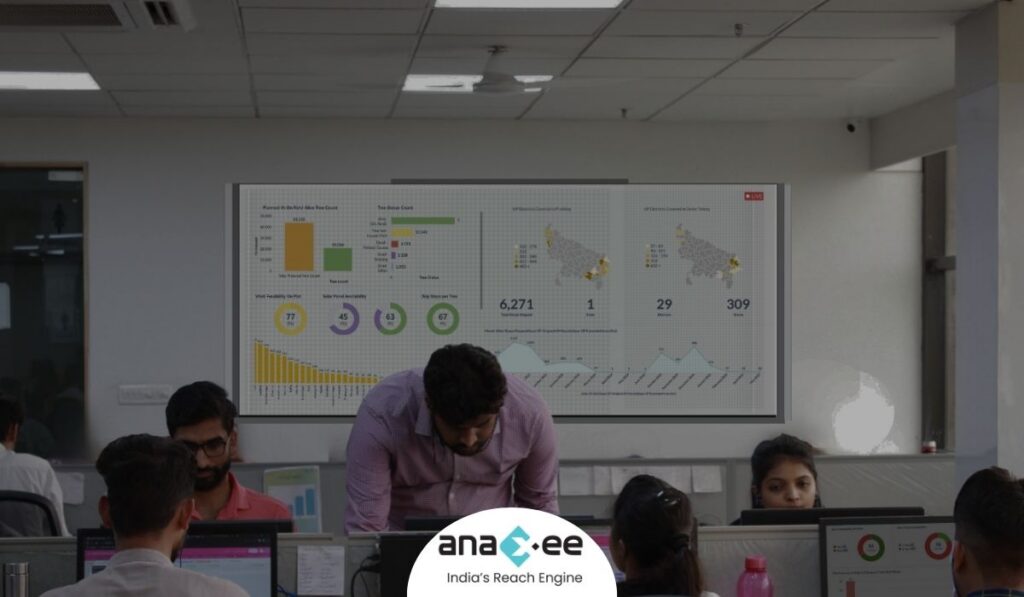
Anaxee team at work in the Indore office

AnaxeeWhat happens when you reach out to Anaxee

  1. Tell us your launch markets — form, WhatsApp, or a call.
  2. A real person calls back — our Indore GTM team, within one working day.
  3. We scope a pilot — one launch market, availability and visibility data in real time, before you scale nationally.

A 150+ person team in Indore and 40,000+ Digital Runners on the ground — your enquiry reaches people who do this every day, not an inbox that goes quiet.

Tell us about your launch

Share your product and launch markets — our team will get back within one working day.

    Frequently asked questions

    Why do good products fail at launch?
    Usually execution, not the product — the item doesn’t reach the right shelves, with visibility, in the launch window, so campaign-driven demand finds empty shops.
    How fast can a field force drive availability?
    With a pan-India network already in place, availability can be built in the launch window — days to weeks — rather than waiting on organic distributor pickup.
    What is launch execution?
    The on-ground work that makes a launch real: getting stock onto the right outlets, putting up visibility, driving trial, and measuring it all in real time.
    How do I get a new product onto shelves nationwide?
    Map the target outlets, deploy a field force to onboard and stock them in the launch window, and verify placement outlet by outlet — rather than relying on distributors alone.
    How do I drive trial for a new product?
    Sampling and in-shop demos convert awareness into first purchase — essential for a new or unfamiliar product, and best run alongside availability.
    Can you measure launch execution on the ground?
    Yes — geo-tagged field data shows availability, visibility and trial by market in near real time, so the launch can be corrected while live.
    Should I hire a team or outsource launch execution?
    A launch is a burst of work across many markets at once — an outsourced pan-India field force spins up fast and stands down after, which is hard and costly to staff in-house.
    Can you cover Tier 2-4 and rural markets for a launch?
    Yes — that’s where launches usually leak, and where a last-mile network of 40,000+ Digital Runners has the edge.
    How does technology track a launch?
    Every outlet is captured in-app, geo-tagged, on a live dashboard, with AI reading shelf photos to confirm availability and visibility and flag lagging markets.
    What does launch execution cost in India?
    It depends on markets, outlet count and duration. Anaxee scopes it to your launch — book a short call for a number.

    The bottom line

    A launch is won on the shelf, not in the deck. Pair the marketing push with a last-mile force that gets the product onto real outlets — visible and tried — and you catch the demand you paid to create.

    AnaxeeTalk to Anaxee — whichever way is easiest
    Book a meetingCallEmail

    In-Shop Branding & Visibility in India: Making Sure Your POSM Actually Goes Up

    You paid for the posters, racks and danglers. But did they actually go up — and stay up? Here’s how brands verify in-shop branding and visibility across thousands of outlets, with proof.

    Quick answer: In-shop branding and visibility is about being the brand a shopper notices and reaches for at the counter — through displays, POSM and shelf presence. The hard part isn’t designing it; it’s verifying it actually went up across thousands of scattered outlets and stayed there — which takes geo-tagged, photo-backed field audits.
    AnaxeeAbout Anaxee

    40,000+ Digital Runners · 540 districts · 26 states · 11,000+ pincodes of reach

    ★ Winner, National Startup Award (Govt. of India)Trusted by 350+ brands — incl. Mahindra & ITCIndia’s Reach Engine since 2016

    A brand ships thousands of posters, danglers, shelf-strips and racks to its markets ahead of a big push. The trade spend is signed off, the creatives look sharp, everyone moves on. Three weeks later a sales head visits a Tier-3 town and finds the reality: half the shops have nothing up, a competitor’s branding is where theirs should be, and the expensive rack is still in its plastic behind the counter.

    This is the quiet leak in almost every trade-marketing budget — you pay for visibility you never actually get. And in India, visibility is usually where the sale is won or lost.

    The shopper reality
    76%
    of purchase decisions are made in-store, at the shelf
    76% in-store decisions vs 24% pre-storeDecided in-storePre-store ~24%
    Not before the shopper walks in. Your in-shop visibility often matters more than the ad that brought them to the market.
    Source: POPAI shopper-engagement study, via Supermarket News

    What is in-shop branding and visibility?

    In-shop branding is everything that makes your product stand out inside a retail outlet — point-of-sale material (POSM) like posters and danglers, branded racks and displays, shelf share, and placement at the counter. Visibility is the outcome: when a shopper walks in, is it your brand they see first?

    Why visibility spend leaks

    • It never goes up. Material reaches the distributor or shop and simply isn’t installed.
    • It comes down. A competitor’s promoter replaces it the next week.
    • Wrong outlets. Premium displays land in low-footfall shops.
    • No proof. “Branding done” is a line in a report with nothing behind it.
    The scale
    12 million+
    retail outlets carry 90%+ of India’s FMCG sales through traditional trade
    90%+ traditional trade vs ~10% modern retailTraditional tradeModern ~10%
    That’s the scale your visibility has to land — and be verified — across. It can’t be checked from head office.

    AnaxeeSee whether your branding actually went up — Anaxee will show you.

    Anaxee Digital Runners photo-verifies your POSM, shelf share and competitor presence across 540 districts — each shot geo-tagged, outlet by outlet.

    Book a meeting

    How brands actually get visibility — and prove it

    Deploy to the right outlets

    Visibility should follow footfall and sales potential, not whoever the distributor drops material with. That starts from a real outlet map.

    Verify installation with proof

    A field team visits outlets and photographs what’s actually up — your POSM, its condition and placement, and what competitors have alongside — each shot geo-tagged and timestamped. “Installed” now means someone can see it was installed, in that shop, on that day.

    Measure share of visibility

    Across audited outlets you get a real number: in how many is your brand the most visible? That’s the metric trade spend should be judged on.

    Fun fact: a typical Indian kirana squeezes thousands of SKUs into a few hundred square feet — shelf space is the most fiercely contested real estate in retail, and most of it is won or lost at eye level.

    Where technology and AI change the game

    Anaxee runs visibility as a tech product. Every outlet visit is captured in a field app, geo-tagged and time-stamped, with photos of your POSM and the shelf flowing to a live dashboard — not a monthly claim. On top sits AI that reads those shelf photos: measuring share of shelf, checking planogram compliance, and flagging where your branding is missing or a competitor has taken the spot. Thousands of store photos become structured, searchable visibility data.

    How Anaxee helps

    Anaxee — India’s Reach Engine, a National Startup Award winner working with 350+ brands — deploys and audits POSM and visibility across 540 districts and 11,000+ pincodes as part of the three-phase go-to-market playbook, outlet by outlet, with geo-tagged photos on a live dashboard. So your visibility budget buys visibility you can see. It’s part of our Go-To-Market work.

    Anaxee team at work in the Indore office

    AnaxeeWhat happens when you reach out to Anaxee

    1. Tell us your markets — form, WhatsApp, or a call.
    2. A real person calls back — our Indore GTM team, within one working day.
    3. We scope a pilot — one state or city, photo-verified shelf reality in about two weeks, before you scale.

    A 150+ person team in Indore and 40,000+ Digital Runners on the ground — your enquiry reaches people who do this every day, not an inbox that goes quiet.

    Tell us about your markets

    Share where you need visibility checked — our team will get back within one working day.

      Frequently asked questions

      What is POSM?
      Point-of-sale material — posters, danglers, shelf-strips, standees, racks and other in-shop branding that drives visibility at the counter.
      What is share of shelf?
      The proportion of visible shelf space your brand occupies versus competitors in an outlet. It’s one of the strongest predictors of off-take, and it’s measurable from shelf photos.
      How do I verify that in-shop branding was actually installed?
      Through geo-tagged, timestamped photos captured in each outlet by a field team, so every “installed” claim traces back to a real shop on a real date.
      How do I measure in-store visibility at scale?
      Run outlet-level audits that capture your POSM, placement and competitor presence, then roll them into a share-of-visibility number across the markets audited.
      What is a planogram audit?
      A check of whether the shelf matches the agreed layout — right products, right facings, right position. AI can now do this from a shelf photo.
      How do I improve retail visibility in rural and small-town markets?
      Map the real outlets first, deploy to the ones that matter, and verify on the ground — which is where a last-mile field network has the edge over a thin in-house team.
      How do I stop competitors covering or replacing my branding?
      Regular audits catch it — recurring visits surface where branding has come down or been replaced, so you can act while it still matters.
      Should I outsource merchandising and visibility audits?
      For scattered Tier 2-4 coverage you can’t justify staffing, an outsourced pan-India field force is faster and cheaper than hiring. Many brands keep an in-house team for metros and outsource the rest.
      How does AI check shelf compliance?
      AI reads field photos of the shelf to measure share of shelf, verify planogram compliance, and flag missing branding or competitor takeover — turning photos into structured data.
      What does a visibility audit cost in India?
      It depends on outlet count, markets and frequency. Anaxee scopes it to your network — book a short call for a number.

      The bottom line

      Visibility you can’t verify is visibility you’re probably not getting. Photo-backed field audits turn in-shop branding from a hopeful line item into something you can measure and defend.

      AnaxeeTalk to Anaxee — whichever way is easiest
      Book a meetingCallEmail

      Go-to-Market Execution: Why Retail Presence Defines Brand Success Beyond Advertising

      Go-to-Market Execution: Why Retail Presence Defines Brand Success Beyond Advertising

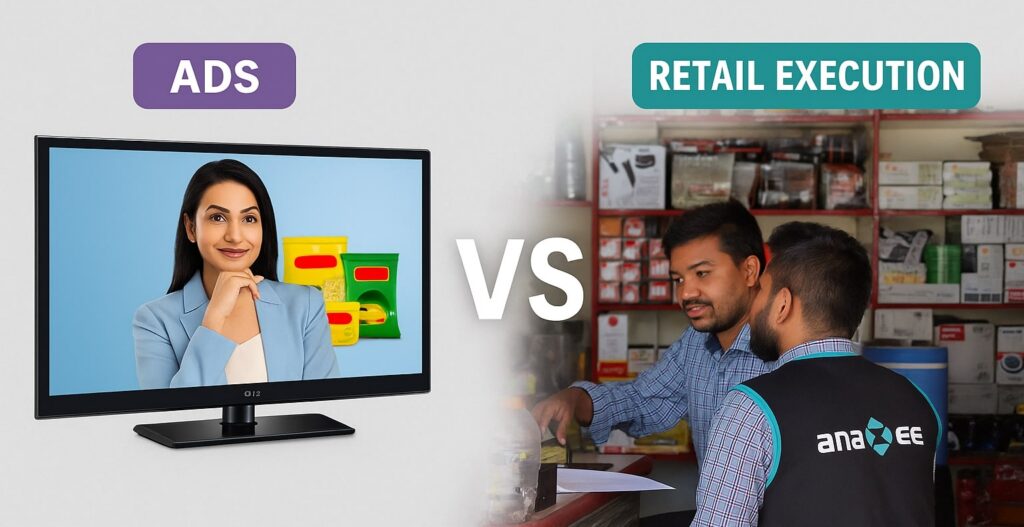
      In today’s crowded market, brands pour millions into digital ads, influencer marketing, and glossy campaigns. But here’s the hard truth: if your product isn’t visible on the retailer’s shelf, your GTM strategy has already failed.

      Advertising might drive awareness, but execution at the retail level is what drives sales. This is the missing piece for many non-FMCG brands. Unlike FMCG giants, who’ve mastered their distribution playbooks, electronics, cookware, footwear, and other consumer brands still struggle to convert demand into actual purchases.

      At Anaxee, we have seen this gap repeatedly. That’s why we focus on retail execution as the cornerstone of Go-to-Market strategies.


      The Harsh Reality of Retail in India

      Most brands assume:

      -If customers see ads, they will walk into shops and demand the product.

      -Distributors will naturally push their products to every retailer.

      -Retailers will stock a brand because “consumers are asking.”

      But what actually happens is very different:

      -Retailers prioritize products they get on credit, consistently, and with better margins.

      -Distributors play safe — they push only in shops they already know or where relationships exist.

      -Competing brands fill the gap by capturing shelf space in unexplored outlets.

      So while marketing budgets burn on digital impressions, many shops in Tier-2 and Tier-3 India don’t even stock the advertised brand.


      Why Retail Execution is the True GTM

      FMCG brands learned long ago that execution > advertising. Their GTM models focus on:

      -Ensuring uniform sales across districts.

      -Mapping and knowing every retail outlet.

      -Beating credit/relationship biases through structured distribution.

      -Expanding reach beyond city limits into talukas and rural hubs.

      This same discipline is now critical for non-FMCG brands too.


      The GTM Gap: What Brands Miss

      1. No Shop-Level Visibility
        Brands rarely know how many shops in a district even sell their category.

      2. Distributor Over-Reliance
        Growth depends on the “comfort zone” of one or two distributors.

      3. No Data-Backed Strategy
        Decisions are based on gut feel instead of shop-level analytics.

      4. Inconsistent Retailer Engagement
        Without regular touchpoints, retailers prefer competitors who show up consistently.

      5. Marketing–Execution Disconnect
        Ads may generate interest, but execution gaps leave retailers unable to fulfill demand.


      Anaxee’s Solution: GTM as Retail Execution

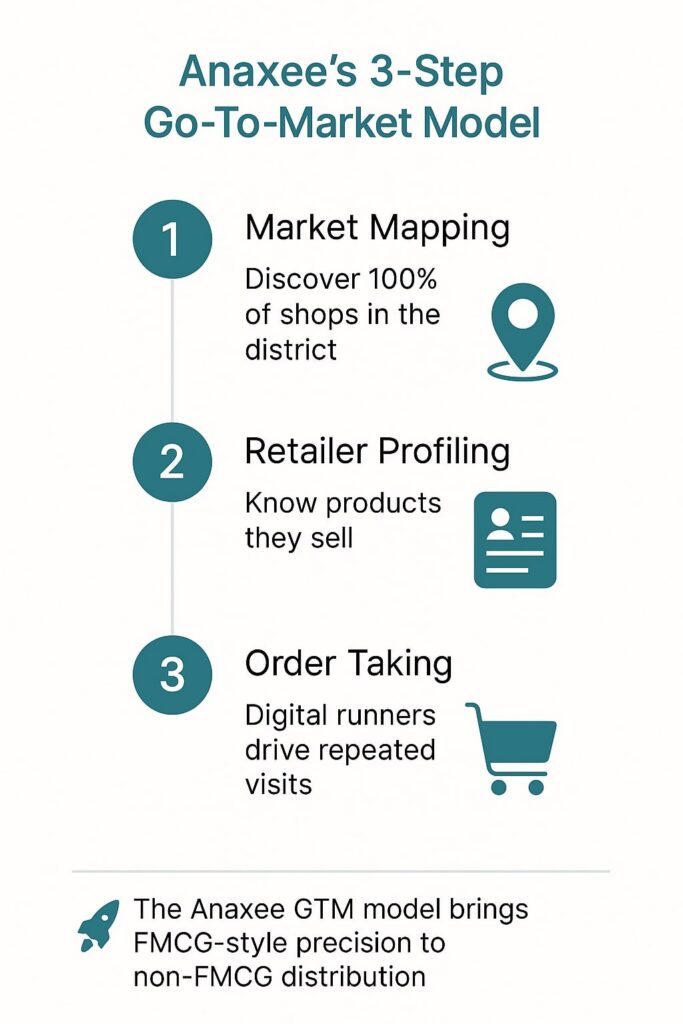
      Our GTM framework works in three stages — each designed to bridge the advertising–retail gap:

      1. Market Mapping

      -Every shop in a district is mapped with GPS.

      -Product categories and competitor presence are logged.

      -Brands can see their real vs potential reach.

      (Example: In East UP, Anaxee mapped 8,000+ shops across 27 districts, identifying untapped clusters that held 25–35% market share potential.)


      2. Retailer Profiling

      -Runners collect shop-level details: what brands are stocked, who supplies them, and what pain points exist.

      -Profiling helps identify “hidden opportunities” — shops selling similar products but not stocking your brand.

      (Case: In Prayagraj, only 140 out of 404 cookware retailers stocked a client’s brand. The remaining 264 shops became targeted opportunities.)


      3. Order Taking

      -Our runners don’t stop at profiling. They actively pitch, take orders, and expand SKUs stocked per shop.

      -Regular visits convert “potential” shops into loyal partners.

      -Orders are logged digitally, ensuring transparency and visibility.


      Why This Model Works

      Unlike traditional approaches, Anaxee’s model is tech-driven and execution-focused.

      -Dashboards for Brands: Shop-level visibility, SKU tracking, district-wise analytics.

      -Support for Distributors: Empowerment with data, reducing reliance on gut feel.

      -Retailer Relationships: Consistent visits build trust and loyalty.

      -Scalable Execution: Digital runners act as an extended GTM force.


      Case Study: Ads Without Retail Execution = Lost Opportunity

      One non-FMCG brand invested heavily in digital marketing for a product launch. Awareness campaigns ran on Facebook, Instagram, and YouTube. But when consumers went to local shops, retailers said: “We don’t have this product.”

      Why?

      -Distributors hadn’t supplied those shops.

      -No one profiled which outlets to target.

      -Retailers stocked competing products already visible.

      Result: Millions spent on ads, zero ROI at retail.

      After onboarding with Anaxee, the same brand saw:

      -40% increase in district coverage.

      -Order inflows from previously untapped towns.

      -Uniform monthly sales instead of erratic bursts.


      Benefits of Retail-Centric GTM

      1. Ads Create Demand, Execution Captures It
        Without retail presence, advertising is wasted.

      2. Distributors Become Partners, Not Gatekeepers
        With data, distributors expand systematically.

      3. Retailers Gain Confidence
        Regular engagement builds trust and loyalty.

      4. Brands Build Visibility & Market Share
        Every shelf counts — more shops, more presence.

      5. Growth Becomes Predictable
        Uniform sales across districts replace random spikes.


      Moving Forward: GTM as a Growth Engine

      The future belongs to brands that treat GTM not as a sales channel, but as a strategic growth engine.

      At Anaxee, we believe:

      -Distributors must be empowered.

      -Retailers must be consistently engaged.

      -Brands must have real-time visibility at shop-level.

      That’s how FMCG companies won India’s markets. And that’s how non-FMCG brands can too.


      Conclusion

      GTM isn’t about flashy campaigns. It’s about ensuring your product is on the right shelf, in the right shop, at the right time.

      Execution is everything. And execution at retail is where Anaxee makes the difference.


      About Anaxee:

      Anaxee is India’s Reach Engine- building the country’s largest last-mile outreach network of 100,000 Digital Runners (shared, tech-enabled feet-on-street). We enable brands, corporates, and agri-focused companies to break distribution barriers and scale their presence into rural and semi-urban India, covering 26 states, 540+ districts, and 11,000+ pin codes. Our technology-driven GTM solutions deliver on-ground activations, customer acquisition, lead generation, and project execution at unmatched speed and scale- while ensuring complete visibility and control over last-mile operations.

      Alongside commercial execution, Anaxee also leads large-scale Climate and Carbon Credit projects nationwide. We provide the tech and field infrastructure to implement and monitor Nature-Based Solutions (NbS) and community projects like agroforestry, regenerative agriculture, and clean energy interventions, bringing transparency and verifiable impact to global carbon markets.

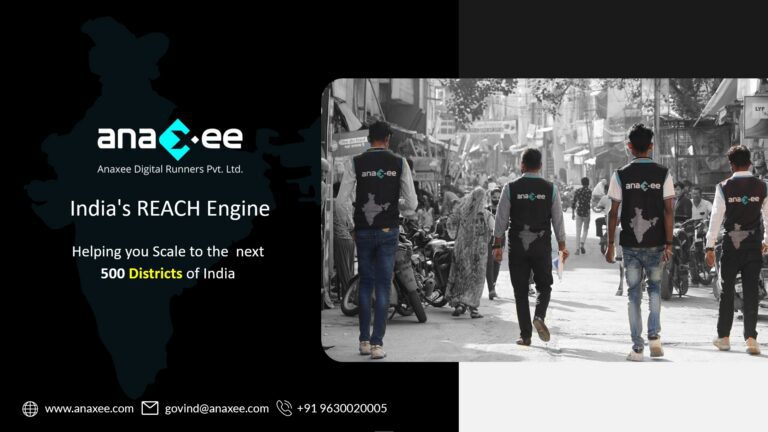
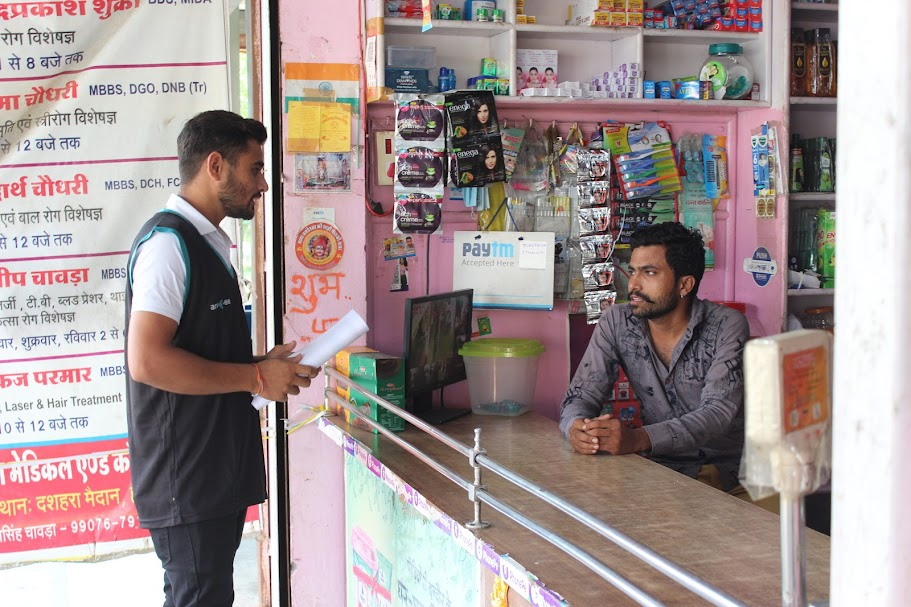
      Anaxee's Field team in Indian Market

      Want to scale your business or explore GTM partnerships?
      Connect our sales team at sales@anaxee.com