BLOG
Large-Scale Field Surveys in India: How to Run a Market Survey at Scale
 About Anaxee
40,000+ Digital Runners · 540 districts · 26 states · 11,000+ pincodes of reach
A survey decides things. Which product to launch, which scheme to scale, which market to enter, how a programme is really performing on the ground. The slide deck that follows looks authoritative — clean charts, confident percentages. But every one of those numbers rests on a quiet assumption: that a field team, spread across hundreds of towns and villages you will never visit, actually knocked on the doors, asked the questions, and wrote down what people really said.
At small scale you can supervise that. At large scale — thousands of respondents across dozens of districts — you cannot. And that is exactly where survey data quietly breaks.
Why large-scale surveys fail on the ground
Need a survey run across real India — and proof it was actually done?
Anaxee Digital Runners collect field surveys across 540 districts, every response geo-tagged, time-stamped and verifiable — so your data holds up to scrutiny.
How to run a field survey that holds up
Design a sample that represents the market
Start from who the decision is about, not who is easy to reach. Set clear quotas — geography, outlet type, farm size, demographic — and enforce them in the field, so the final dataset mirrors the real population rather than the path of least resistance.
Reach the whole market, not just the metros
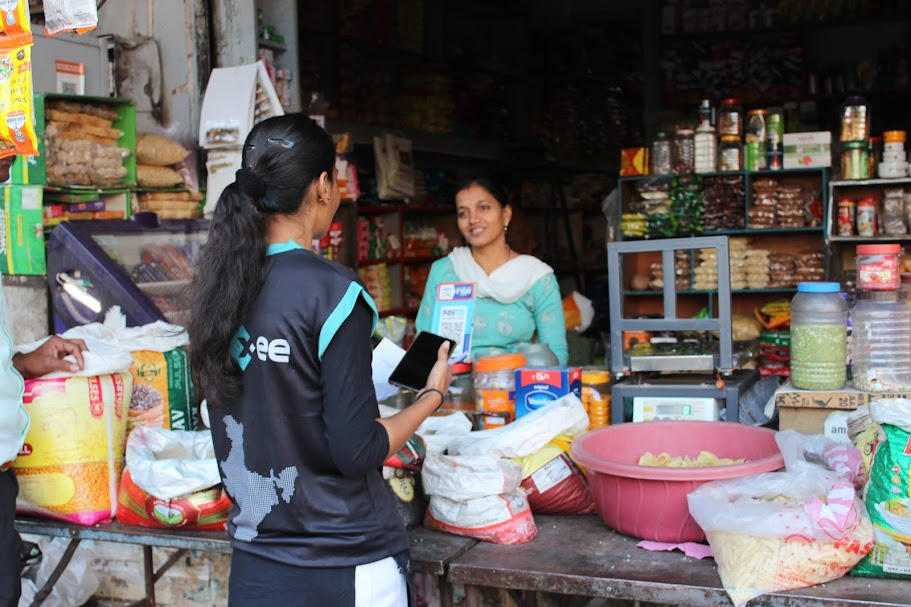
Representative means Tier 2, 3 and 4 towns and the villages behind them. That needs a field force that is already present across districts, in the local language, not a team flown in for a week.
Verify every single response
This is the part most surveys skip and the part that decides whether the data is real. Each response should carry a GPS location, a timestamp, and — where relevant — a photo or audio capture, so a back-office can confirm the interview happened where and when it claims. Fabrication in field surveys is a well-documented risk (Finn & Ranchhod, 2013; Koczela et al.); geo-tagged, time-stamped capture is what removes it.
Turn it around while it still matters
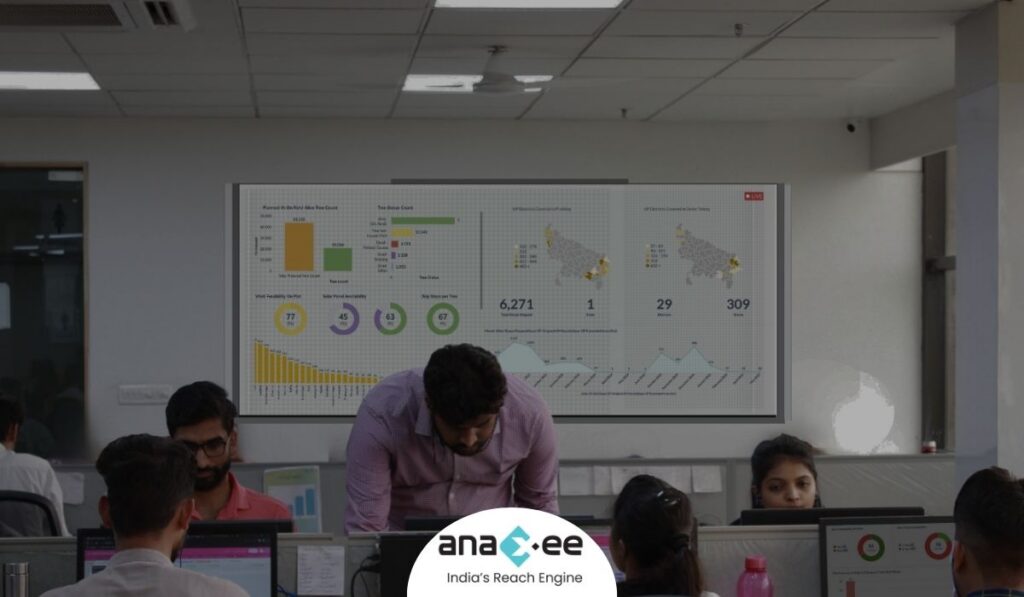
In-app data entry flows to a live dashboard as the fieldwork happens — so you watch coverage fill in by district in real time, and the dataset is ready days after the last interview, not weeks.
Where technology and AI change the game
Anaxee runs field surveys as a tech product. Every response is captured in-app, geo-tagged and time-stamped, flowing to a live dashboard the client watches by district and quota. On top sits automated quality-control: flagging responses collected too fast to be real, duplicate entries, locations that do not match the assigned beat, and implausible patterns — so fabricated or weak data is caught during the survey, not discovered after the report ships.
How Anaxee helps
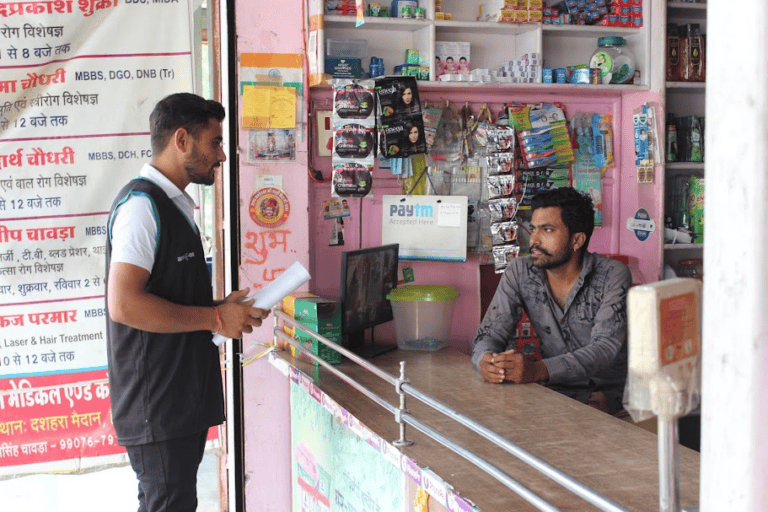
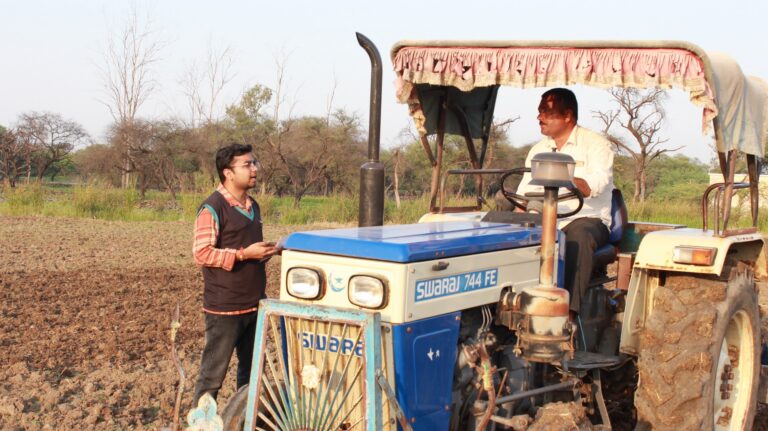
Anaxee — India’s Reach Engine, a National Startup Award winner working with 350+ brands and institutions — runs large-scale field surveys, censuses and data collection through 40,000+ Digital Runners across 540 districts and 11,000+ pincodes, every response verifiable. It powers everything from retail shop surveys to farmer data collection. See our field services.
Proof on the ground — surveys & data we’ve runField surveys and data collected across all 26 states and 3,600+ villages for research, agri and utility clients. See all case studies →
What happens when you reach out to Anaxee
- Tell us the survey — the question, the sample, the markets — by form, WhatsApp or a call.
- A real person calls back — our Indore team, within one working day.
- We scope a pilot — one region, verifiable data in real time, before you scale nationally.
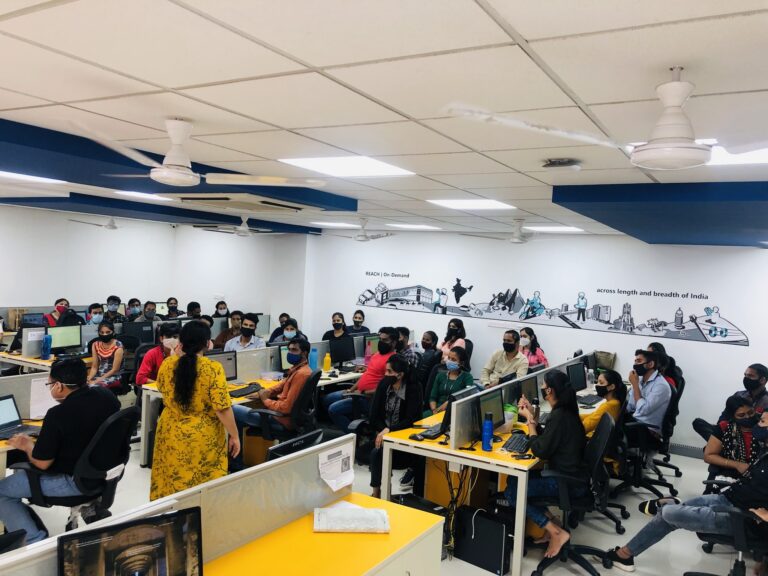
A 150+ person team in Indore and 40,000+ Digital Runners on the ground — your enquiry reaches people who run field surveys every day, not an inbox that goes quiet.
Tell us about your survey
Share the sample and the markets — our team will get back within one working day.
Frequently asked questions
What is a large-scale field survey?
How do you stop surveyors from faking responses?
How fast can a national survey run?
How many respondents can you cover?
How do you make sure the sample is representative?
Can you reach rural and Tier 2-4 markets?
What is curbstoning?
What kinds of surveys do you run?
What does a large-scale survey cost in India?
The bottom line
A large-scale survey is a trust exercise as much as a research one. Pair a representative sample with a field force that genuinely reaches the whole market — and make every response prove, automatically, that it was collected where it says it was. Do that, and the numbers in your deck will hold up to any question anyone asks of them.
Talk to Anaxee — whichever way is easiest