BLOG
BRSR Value-Chain Verification: Independent Field Data for ESG and Social Metrics
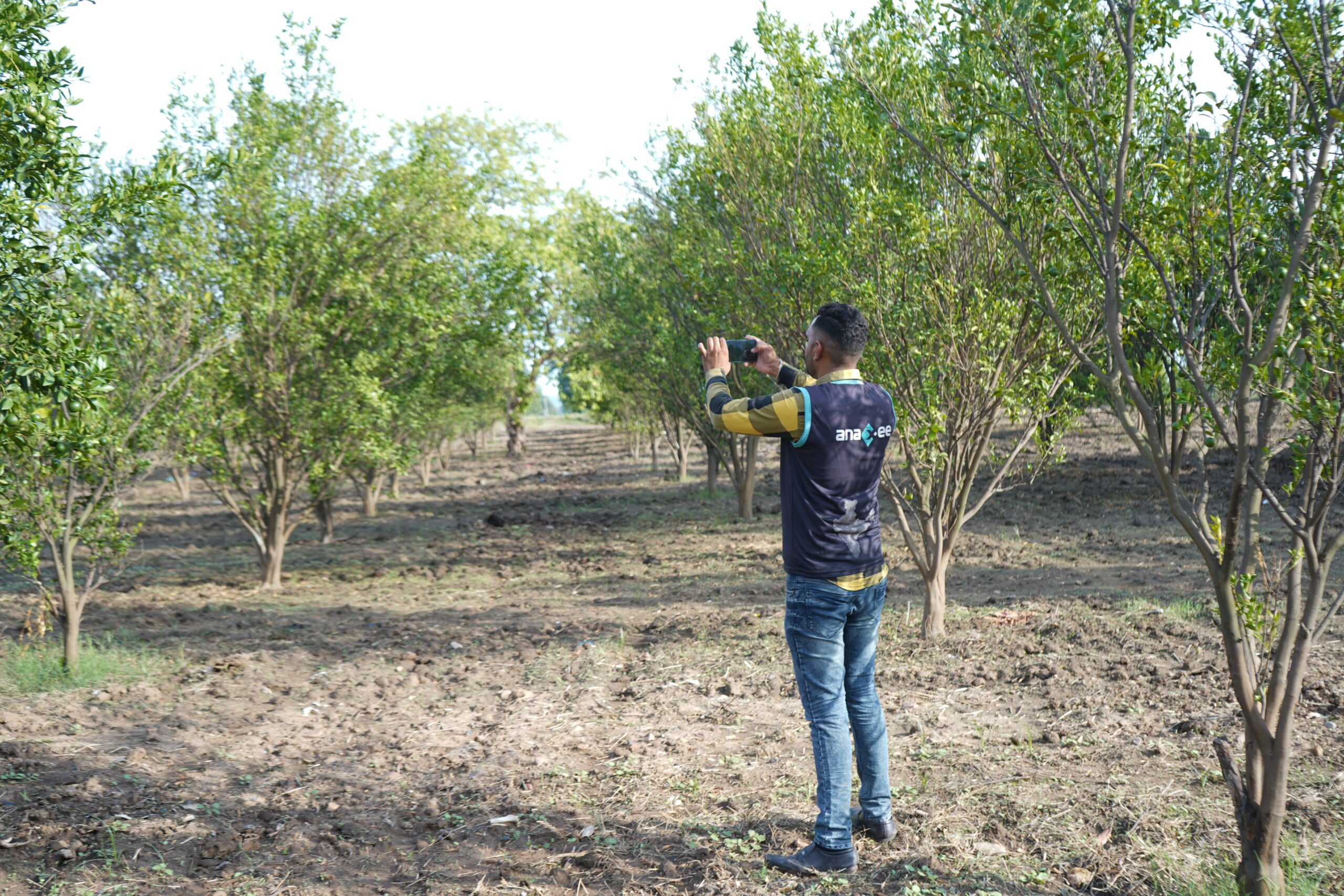
Sustainability disclosure in India has moved from a narrative to an audited number. Under SEBI’s Business Responsibility and Sustainability Report (BRSR) framework, a defined set of KPIs — the BRSR Core — now requires independent reasonable assurance, and that obligation is widening each year to the largest listed companies. The part that is hardest to get right is not the data inside your own ERP. It is the value-chain and social data that sits outside it: in your suppliers’ factories, on the farms that grow your raw material, and in the communities your programmes touch. This page explains what the rules now ask for, why field data is the weak point, and where an independent field-and-verification layer like Anaxee fits — honestly, without overstating its role.
What BRSR Core and value-chain disclosure now require
BRSR itself is mandatory for the top 1,000 listed companies by market capitalisation. On top of the full report, SEBI defined the BRSR Core — a focused set of ESG KPIs (greenhouse gas intensity, energy and water use, waste, wages and inclusive development, among others) that must carry reasonable assurance from an independent provider. That assurance obligation phases in by company size (per SEBI’s framework):
| Financial year | Companies in scope for BRSR Core reasonable assurance |
|---|---|
| FY2023-24 | Top 150 listed companies by market capitalisation |
| FY2024-25 | Top 250 |
| FY2025-26 | Top 500 |
| FY2026-27 | Top 1,000 |
From FY2026-27, the framework also brings the value chain into scope: ESG disclosures for upstream and downstream partners that each account for 2% or more of a company’s purchases or sales, on the BRSR Core attributes. Timelines and the exact basis (assessment or assurance) are set by SEBI and have been revised before, so confirm the current applicability for your company — but the direction is settled: your suppliers’ and your raw-material chain’s ESG data is now your reporting problem, not just theirs.
Why value-chain and social metrics are the hard part
Your own emissions and energy numbers can be pulled from meters, invoices and an ERP. The BRSR Core attributes that break an assurance engagement are the ones with no system of record — they only exist where the work happens:
| Metric type | Where the data actually lives | How it gets verified |
|---|---|---|
| Own operations (energy, GHG, water, waste) | Meters, utility bills, ERP — inside the company | Document review and reconciliation |
| Supplier / value-chain ESG | At the supplier site, often an MSME with no ESG system | On-site primary collection and checks |
| Raw-material / farm conditions | On thousands of farms and plots, often smallholder | Field visits, geo-tagged sampling, farmer survey |
| Social & inclusive-development KPIs | In communities and among workers, not in a database | Independent beneficiary and community verification |
This is exactly where disclosure quietly fails — a number is entered because it has to be reported, but there is no primary evidence underneath it that an assurance provider can test. When the value chain comes into scope, that gap scales from your four walls to your entire supplier and sourcing base.
What Anaxee verifies in the field
Anaxee runs a nationwide, tech-enabled field network — reaching 540 districts, 11,000+ pincodes and 26 states — built to collect and verify exactly the data that has no system of record. For BRSR and value-chain reporting, that means producing the geo-tagged, timestamped, photo-backed primary evidence behind the soft metrics:
Where Anaxee fits in your BRSR workflow
Think of three layers. Your internal ESG team owns the report. Your assurance provider tests and signs the BRSR Core KPIs. Between them sits the data-collection problem — getting trustworthy numbers out of suppliers, farms and communities that have no system to pull from. Anaxee is built for that middle layer: an independent, repeatable field engine that turns up season after season, collects the evidence to a defined protocol, and hands back structured data both your team and your assurer can rely on. Because Anaxee has nothing to sell in your supply chain — no cotton, no offsets, no certificate — its data has no claim to flatter.
Facing BRSR Core assurance or value-chain disclosure? If your hard numbers live in suppliers, farms and communities, let’s talk about putting verified field data underneath them — before your assurance provider asks for it.
FAQ
Does Anaxee provide BRSR Core reasonable assurance?
Which companies have to get BRSR Core assured?
What is value-chain ESG disclosure under BRSR?
Why can’t value-chain data just be self-reported by suppliers?
How does this relate to Anaxee’s CSR and cotton work?