BLOG
CSR Project Verification in India: Prove the Money Reached the Ground
 About Anaxee
40,000+ Digital Runners · 540 districts · 26 states · 11,000+ pincodes of reach
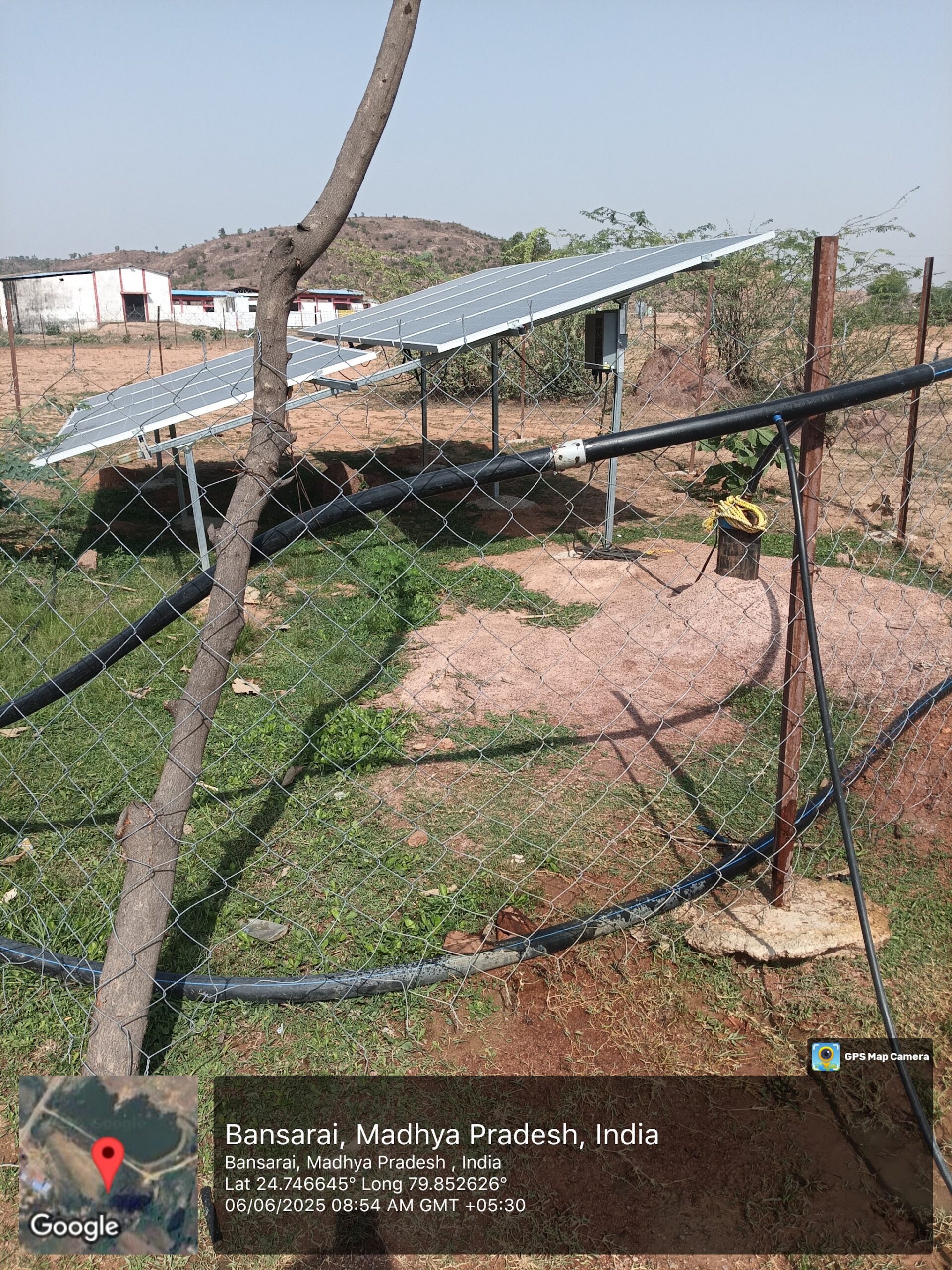
You funded the programme. The implementing partner says it went well. But a board, a donor, or a global HQ wants more than a feel-good report — they want proof. Were the 10,000 kits actually delivered, and used? Do the oxygen concentrators still exist and still work, and where are they? Did the plantation survive the summer?
For a CSR team or a foundation, the distance between “we were told it went well” and “we verified it on the ground” is exactly where credibility lives — and where an independent check earns its keep.
What CSR verification actually checks
Why a report is not proof
Almost everything a funder learns about a programme comes from the people running it — and their report naturally shows the best of it. There is rarely any independent eye on the ground, so a board or a donor in another city, or another country, is asked to take delivery, usage and impact on trust. That is the gap where credibility leaks and, occasionally, where money is lost to a delivery that never happened. An independent, geo-tagged check closes it: a neutral party physically goes, sees, and brings back dated proof.
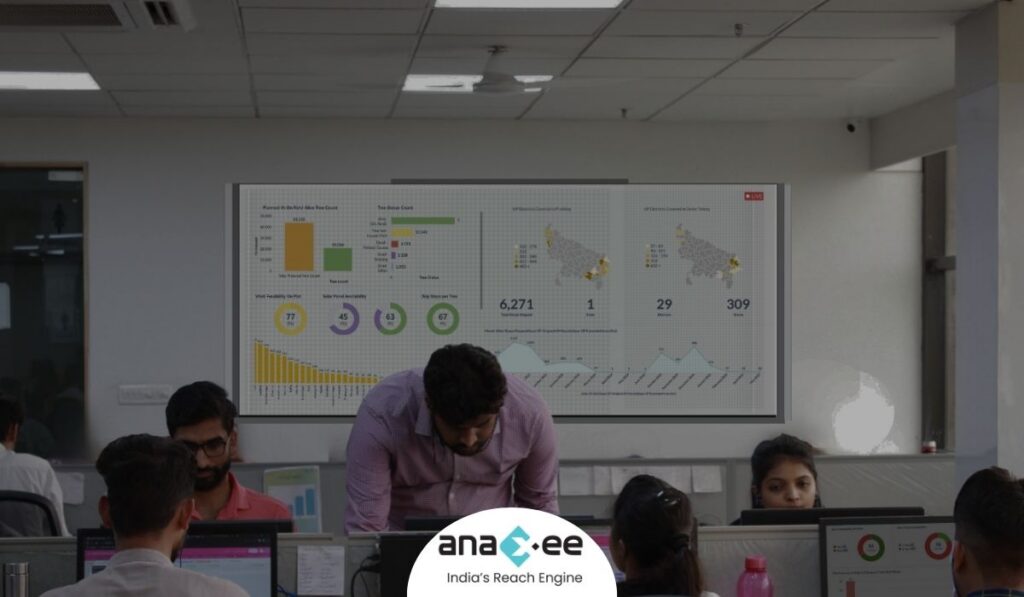
A donor in another country cannot fly to a village in rural India to check a relief camp or an oxygen plant. But they can open a dashboard and see it — dated photos, GPS, a verified beneficiary — through an independent party on the ground.
That is how transparency becomes trust: the programme stops asking to be believed and starts letting itself be checked.
Need independent proof your CSR programme worked?
Anaxee verifies delivery, assets and beneficiaries on the ground across 540 districts, delivered on a dashboard you can open yourself. See our field verification services.
How Anaxee runs it
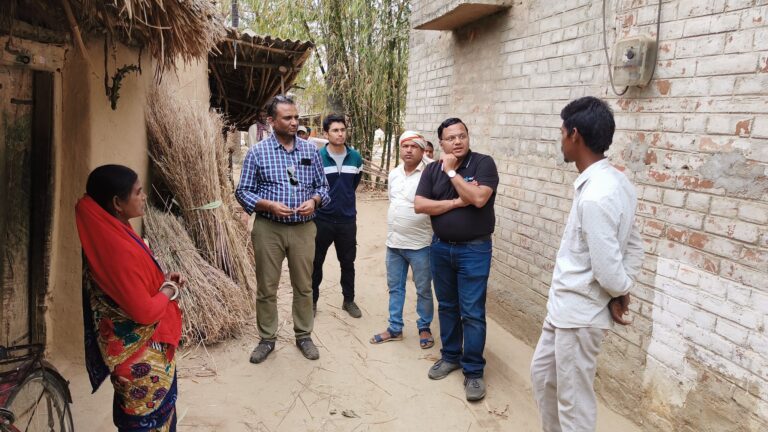
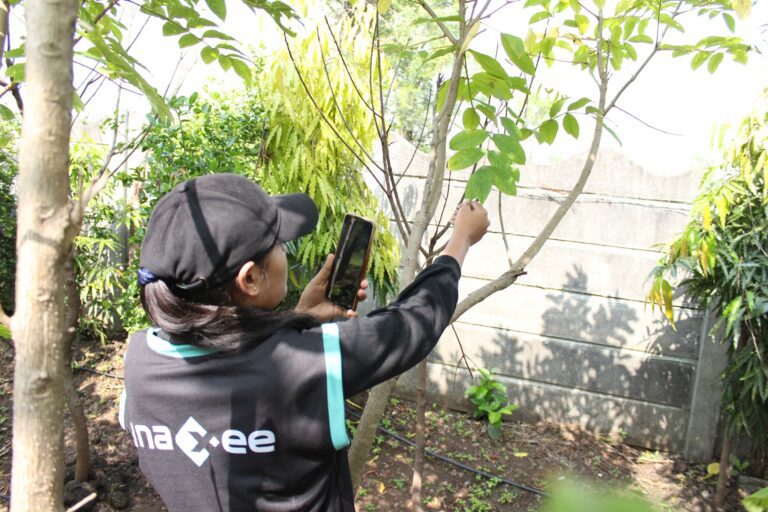
Anaxee was built to reach exactly the places CSR programmes run — rural and small-town India — so there is already a runner near almost every beneficiary. Each verification is phygital: a real person physically visits, confirms the beneficiary or the asset, and captures it as GPS-tagged, time-stamped photos with a structured questionnaire. A layer of back-checks and QA re-verifies a sample so the proof holds up to an auditor, and everything lands on a live dashboard — with maps, images and data in one place — that your CSR team, your board or a foundation abroad can open any time. It has been used for relief-kit delivery, medical-equipment tracking, plantation survival and programme monitoring alike.
Where technology and AI change it
GPS and photo stamps turn a claim into evidence — the asset, the location, the date, all captured. AI assists the load: reading and validating the field photos, cleaning the data, and flagging anomalies for the QA team. And because the dashboard is live, a programme is monitored as it runs, so a problem is caught and fixed mid-course instead of discovered in a post-mortem.
How Anaxee helps
Anaxee — India’s Reach Engine, a National Startup Award winner — runs independent, geo-tagged field verification and data collection through 40,000+ Digital Runners across 540 districts and 11,000+ pincodes, delivered on live dashboards. See Project Swaraksha, how we run baseline & endline impact surveys, and why the quality lives in the back office, not the app.
Proof — CSR & impact verification at scaleIndependent, geo-tagged verification delivered across all 26 states. See all case studies →
What happens when you reach out to Anaxee
- Tell us the programme — what was funded, where, and what you need to prove — by form, WhatsApp or a call.
- A real person calls back — our Indore team, within one working day.
- We scope a pilot — a sample of beneficiaries or assets verified in one district, delivered as a dashboard you can open yourself.
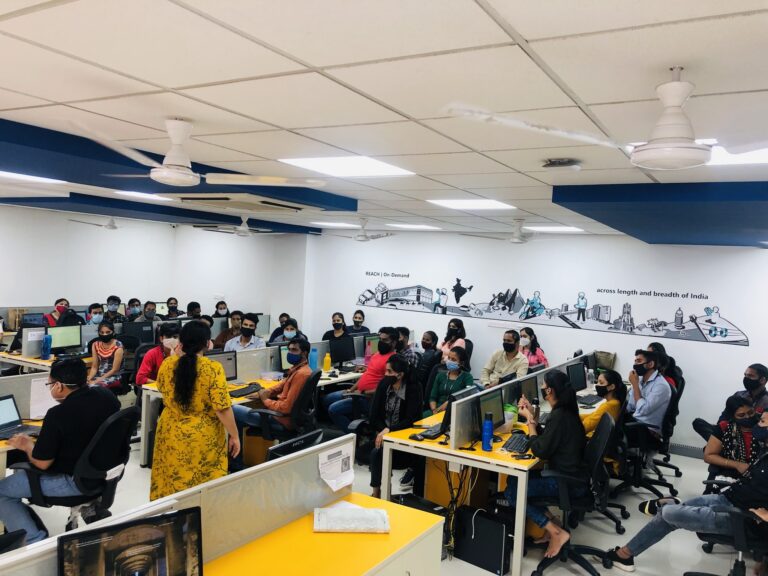
A 150+ person team in Indore and 40,000+ Digital Runners on the ground — a real, independent network verifies your programme, not an inbox that goes quiet.
Tell us about your programme
Share what was funded and where — our team will get back within one working day.
Frequently asked questions
What is CSR project verification?
What can you verify?
Do you work for foundations and overseas donors?
How is this different from an impact survey?
How do you stop the verification itself from being faked?
How large and how fast can you go, and what does it cost?
The bottom line
CSR budgets are under more scrutiny every year, and “trust us, it went well” no longer satisfies a board or a donor. The answer is not a thicker report — it is an independent set of eyes on the ground, with photos, GPS and a date attached. That is what turns a funded programme into a verified one, and it is exactly what Anaxee’s field network was built to deliver, right down to the last beneficiary.
Talk to Anaxee — whichever way is easiest
