BLOG
CSR Impact Assessment in India: Rules, Process & Independent Verification
 About Anaxee
40,000+ Digital Runners · 540 districts · 26 states · 11,000+ pincodes of reach
Every CSR programme ends with a report. The hard question is whether the report is true. Did the toilets get built and are they used? Did the training reach the people on the list, or just the people who were easy to reach? Did the plantation survive the summer? A glossy deck and a folder of photographs do not answer any of that – and the people who fund CSR, sit on its committees, or regulate it have stopped accepting them as proof.
That is what a CSR impact assessment is for, and for large projects it is no longer optional. This guide explains what it covers, when the law requires it, why the credible version is independent and field-verified, and how the three layers of verification fit together.
What a CSR impact assessment actually checks
“Impact assessment” gets used loosely, so it helps to separate the three distinct things a credible verification programme confirms – because most reports only do the first, and the value is in the other two.
Output & asset check
Did it get built?
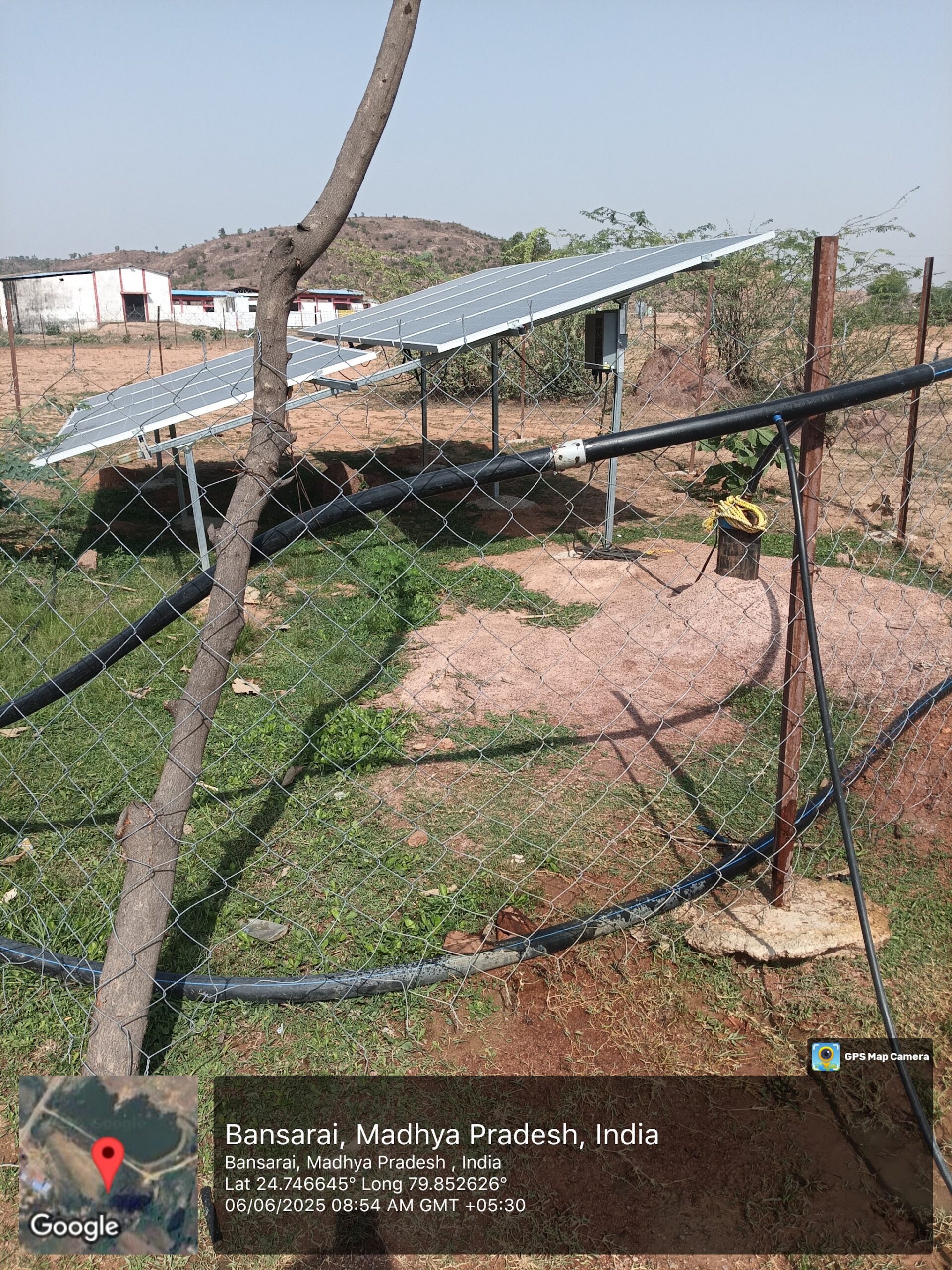
The physical thing – a toilet, a water pump, a classroom, a plantation – exists, is where it should be, and is in working condition. Geo-tagged, photo-verified.
Answers
“Was the asset actually created, and does it still stand?”
Beneficiary check
Did real people receive it?
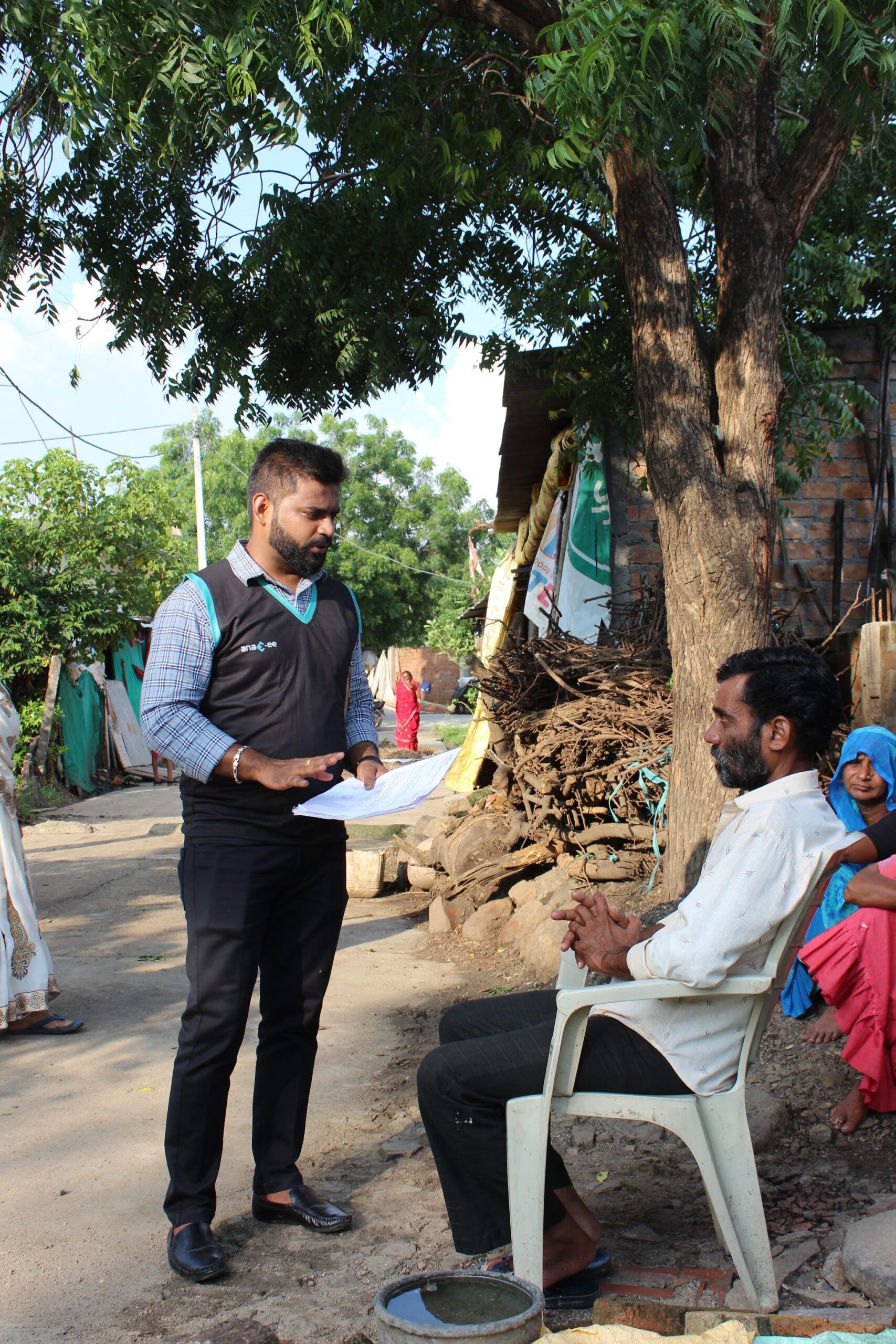
Independent field interviews with the people the programme claims to have reached – confirming they exist, received the benefit, and are not a list on paper.
Answers
“Did the benefit reach the intended people, not just the easy ones?”
Impact assessment
Did it change anything?
The outcome measure – did incomes, enrolment, health or yields actually move – against a baseline. This is the Rule 8(3) study for large projects.
Answers
“Did the money produce the change it promised?”
Why it has to be independent
An implementing partner assessing its own project has an obvious conflict – it is grading its own homework, and the grade is always an A. That is exactly why the rules call for an independent agency, and why boards increasingly want a neutral third party in the field regardless of what the law requires. Independence is not a formality; it is the whole point. The value of a verification is that the person who checked had no stake in the answer.
When you need third-party field verification
How technology and AI change it
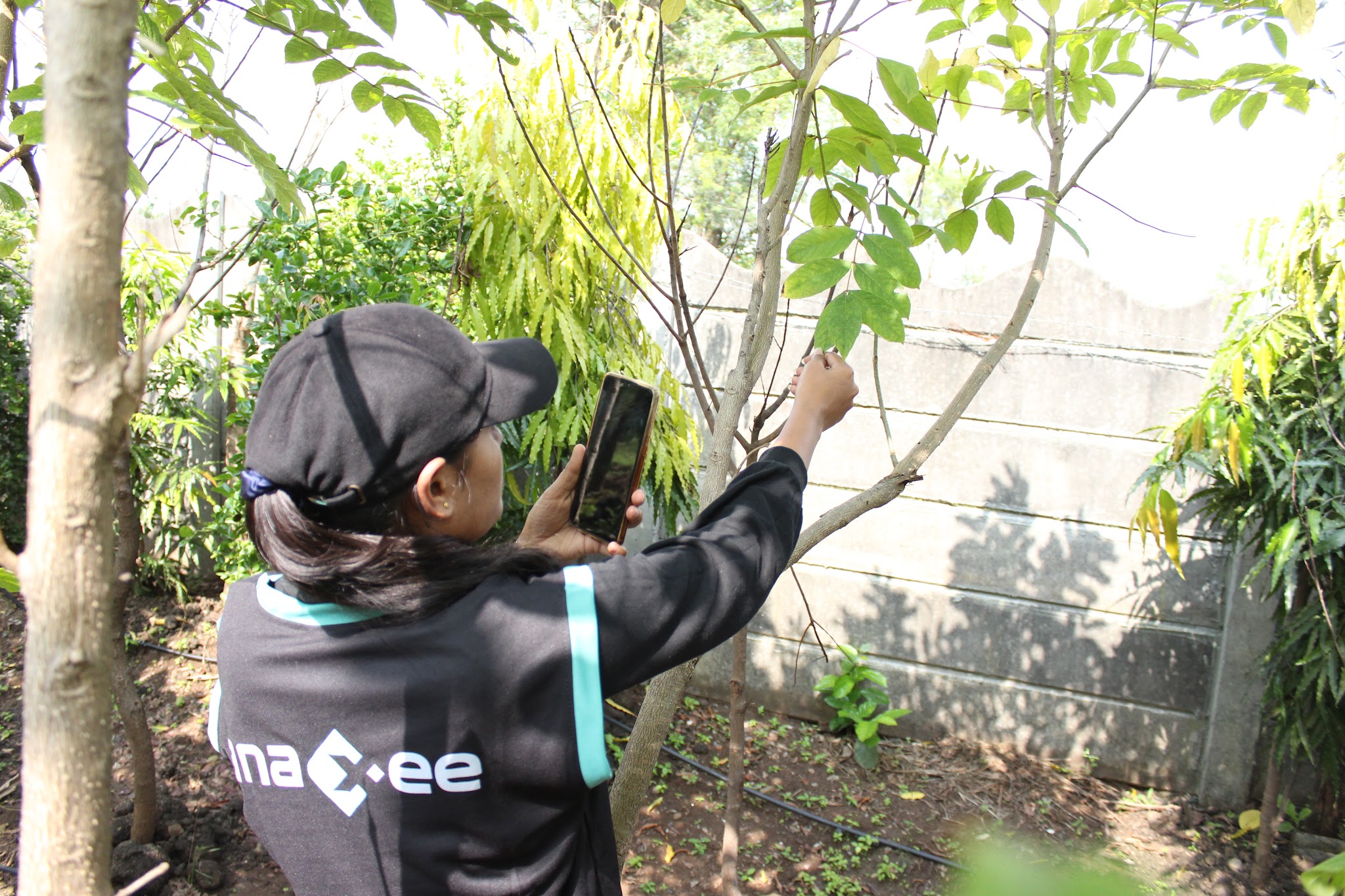
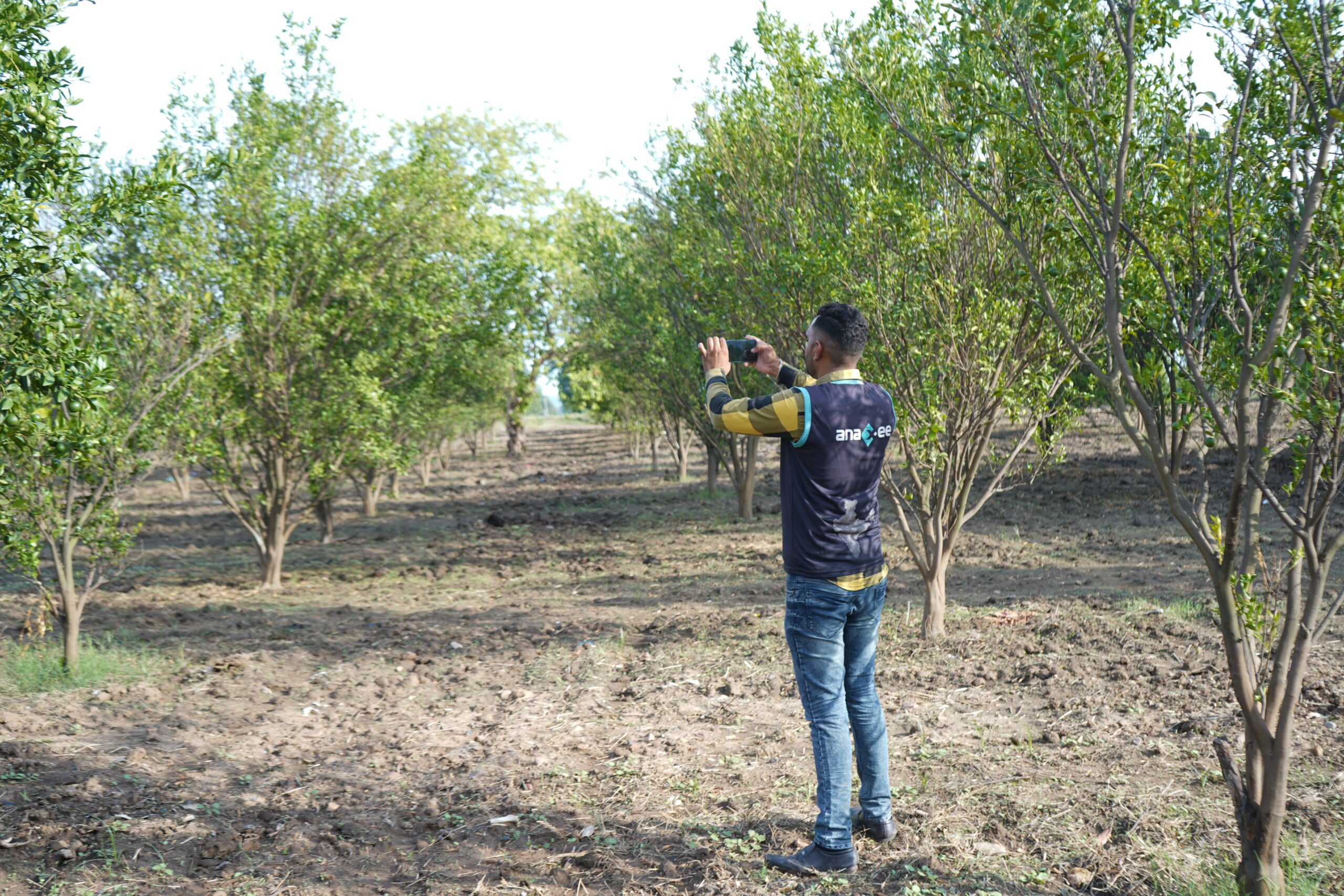
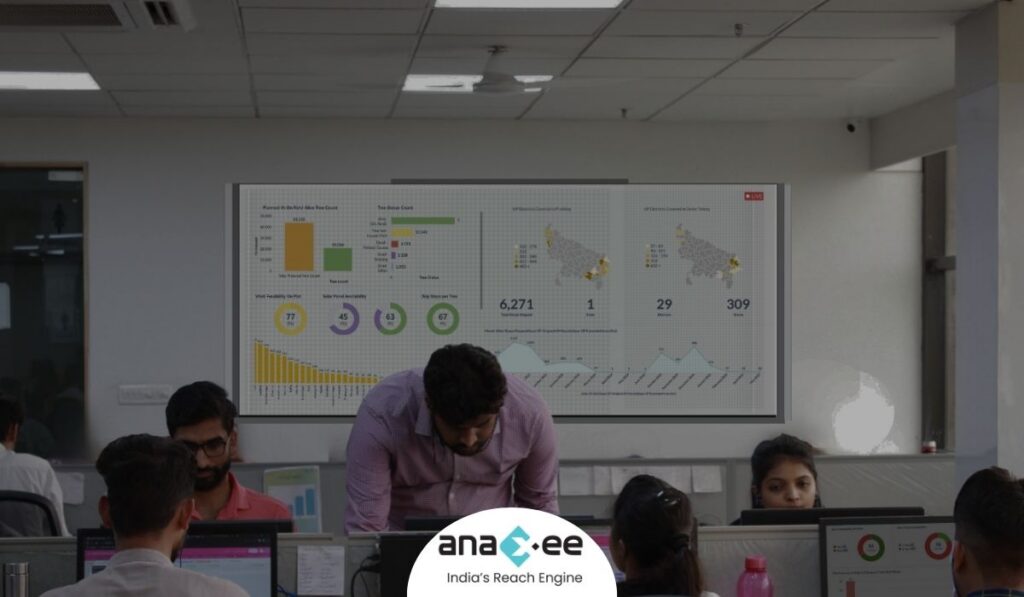
Field verification used to mean a consultant, a sample of a few villages, and a report months later. Technology changes the economics. Every site visit is captured on an app – GPS location, time-stamped photos, the beneficiary interview, the asset’s condition – so each record is tied to a real place and moment. AI reads the photos to confirm the asset type and flags the records that do not add up (impossible locations, duplicate sites, interviews that ran too fast) for re-verification. Because it all lands on a live dashboard, the CSR team watches coverage build district by district and can open any single record – photo, location, status – rather than waiting for a PDF. Verification stops being an annual event and becomes something you can see.
How Anaxee helps
Anaxee – India’s Reach Engine, a National Startup Award winner – runs the independent ground layer for CSR and ESG programmes: CSR project and asset verification, beneficiary verification, plantation geotagging and survival checks, and monitoring & evaluation, through 40,000+ Digital Runners across 540 districts and 11,000+ pincodes – every record geo-tagged and on a live dashboard. For green projects it pairs with drone tree-counting and carbon MRV. As a neutral third party with no stake in the implementation, Anaxee is built for exactly the independence these assessments require.
Proof – independent field verification at scaleIndependent, geo-tagged verification of assets and beneficiaries – across all 26 states. See all case studies →
What happens when you reach out to Anaxee
- Tell us the programme – the projects, the geographies and what needs verifying – by form, WhatsApp or a call.
- A real person calls back – our Indore team, within one working day.
- We scope the verification – sample design, a geo-tagged pilot and QA, on a dashboard you can open yourself.
A 150+ person team in Indore and 40,000+ Digital Runners on the ground – a neutral party that verifies in the field every day, not an inbox that goes quiet.
Tell us about your CSR programme
Share the projects and geographies – our team will get back within one working day.
Frequently asked questions
Is a CSR impact assessment legally mandatory?
What’s the difference between monitoring and impact assessment?
Why can’t our implementing partner just do the assessment?
What does Anaxee actually verify in the field?
Can you verify programmes spread across many states?
How do you prevent fake or copied verification visits?
The bottom line
A CSR programme is only as credible as its proof, and proof does not come from a report – it comes from the field. Confirm the asset, confirm the beneficiary, measure the outcome, and have a neutral party do it. For large projects that is now the law; for all of them it is what turns spend into a story you can defend. Get the ground layer right and everything above it – the board deck, the BRSR disclosure, the next year’s budget – rests on something real.
Talk to Anaxee – whichever way is easiest