BLOG
Doctor Database Verification in India: Keeping Your Physician Data Clean
 About Anaxee
40,000+ Digital Runners · 540 districts · 26 states · 11,000+ pincodes of reach
A pharma company runs on its doctor master. Field forces are deployed against it, campaigns are targeted on it, and coverage and compliance are reported from it. So when the master is wrong, everything built on top is wrong too — quietly, and expensively. The medical representative still makes the visit; it is just to a clinic that moved two years ago, or to a doctor whose speciality was never the right fit for the brand.
Verification is the unglamorous work that keeps that from happening: confirming, on the ground, that each doctor on the list is real, is practising, and is profiled correctly.
Why your doctor database is quietly wrong
Working off a doctor list you are not sure of?
Anaxee verifies physician and chemist data on the ground across 540 districts — each record confirmed, profiled and geo-tagged.
How to verify a doctor database that holds up
Confirm each doctor is real and practising
Every record is checked against reality — a field or phone contact confirms the doctor exists, still practises, and is at the clinic and hours on file. Unverifiable entries are flagged rather than silently carried forward.
Capture the profile that actually matters
Speciality, qualification, clinic type, prescribing relevance to the brand, and the chemists around them — the attributes that decide whether an MR visit is worth making at all.
De-duplicate and standardise
Matching on verified location and identity collapses the same doctor’s multiple entries into one clean record, so coverage numbers mean what leadership thinks they mean.
Keep it refreshed
A doctor master is a living thing. Periodic re-verification keeps it current as doctors move, retire and start new practices — so the list stays trustworthy, not just clean once.
Where technology and AI change the game
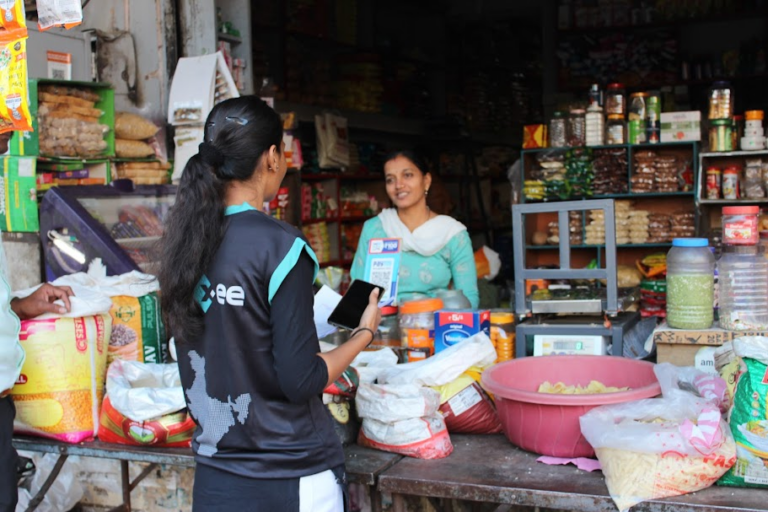
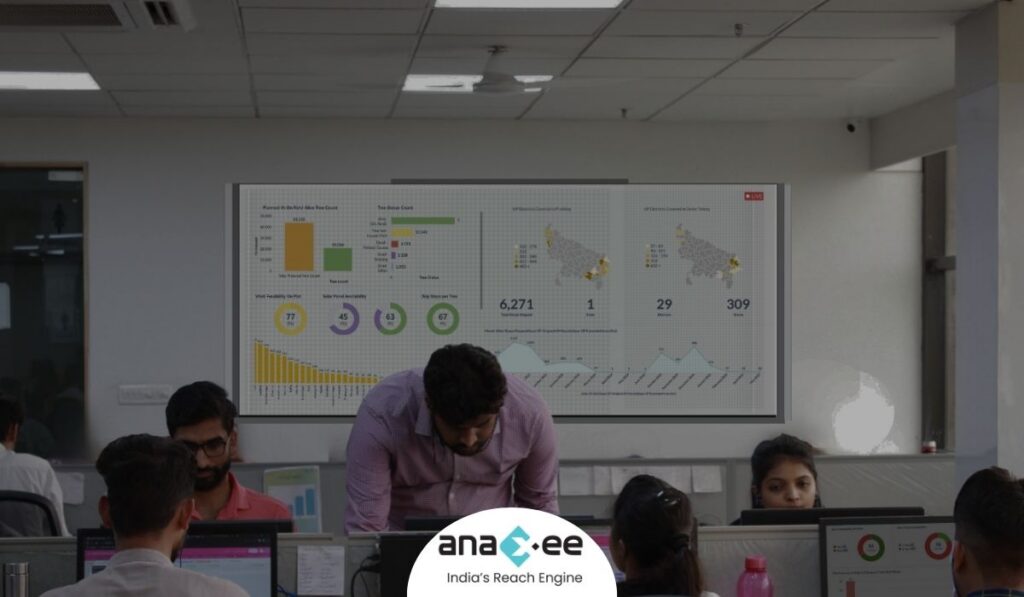
Anaxee runs data verification as a tech product. Each doctor is confirmed in-app, the clinic geo-tagged and time-stamped, the record cross-checked and de-duplicated, and the whole exercise tracked on a live dashboard by territory. Automated checks flag records that cannot be confirmed, locations that do not match, and likely duplicates — so what you get back is a master you can deploy a field force against with confidence.
How Anaxee helps
Anaxee — India’s Reach Engine, a National Startup Award winner — verifies and cleans field databases through 40,000+ Digital Runners across 540 districts and 11,000+ pincodes, every record confirmed on the ground. The same engine audits a pharma field force’s actual coverage — see medical representative coverage & productivity — and our broader field services.
Proof — independent field verification at national scaleIndependent field verification and data collection across all 26 states, for research, utility and development clients. See all case studies →
What happens when you reach out to Anaxee
- Tell us the database — size, territories and the fields you need verified — by form, WhatsApp or a call.
- A real person calls back — our Indore team, within one working day.
- We scope a pilot — one territory verified and de-duplicated, so you see the accuracy lift before you scale.
A 150+ person team in Indore and 40,000+ Digital Runners on the ground — your enquiry reaches people who verify field data every day, not an inbox that goes quiet.
Tell us about your doctor database
Share the size and territories — our team will get back within one working day.
Frequently asked questions
What is doctor database verification?
Why does physician data decay?
How do you confirm a doctor actually exists?
How do you capture speciality correctly?
How do you de-duplicate a doctor master?
Can you verify chemists and pharmacies too?
How large a database can you verify?
What does doctor data verification cost in India?
The bottom line
A doctor database is not an asset until it is verified. Confirm each physician on the ground, profile them for what the brand actually needs, strip the duplicates, and keep it refreshed — and your field force stops spending its most expensive hours on doctors who moved, retired, or were never the right target. Clean data is the cheapest productivity a pharma company can buy.
Talk to Anaxee — whichever way is easiest
