BLOG
Retail Outlet Mapping & Census in India: Building the Retailer Database You Don’t Have
 About Anaxee
40,000+ Digital Runners · 540 districts · 26 states · 11,000+ pincodes of reach
Ask a brand how many outlets it could sell through in a state, and you usually get the number of outlets its distributors already bill. Those are not the same thing. The distributor list is a record of who buys today; the market is every shop that could buy tomorrow. The gap between the two is exactly where growth hides — and most brands cannot see it, because they have never actually mapped it.
A retailer census — a real, on-the-ground count of outlets — is how you turn that invisible market into a list you can plan, target and measure against.
Why your retailer database is already wrong
Want the full map of your market — not just the outlets that already order?
Anaxee Digital Runners build and refresh retailer censuses across 540 districts — every outlet geo-tagged, categorised and photographed.
How to build a retailer census that stays true
Cover the whole market on the ground
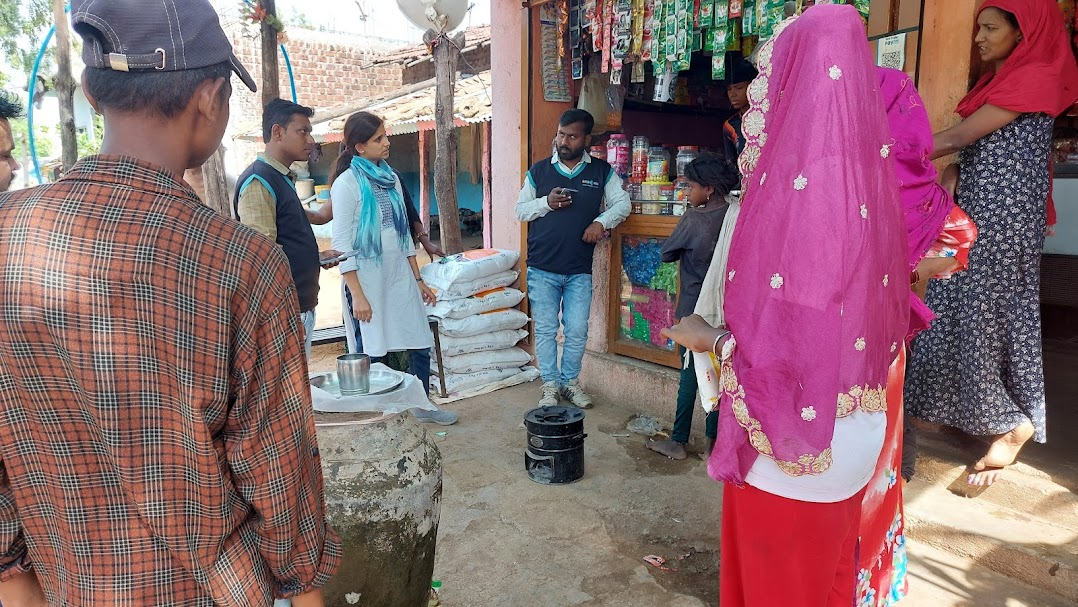
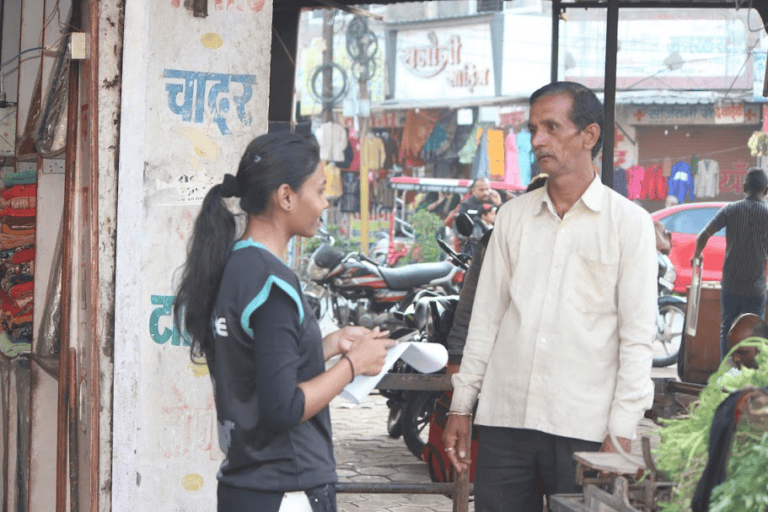
A census is a physical exercise, not a desk one. A field team walks the beat — every lane of a market, every village cluster — and records the outlets that are actually there, including the ones no existing database has ever seen.
Capture the attributes that make it useful
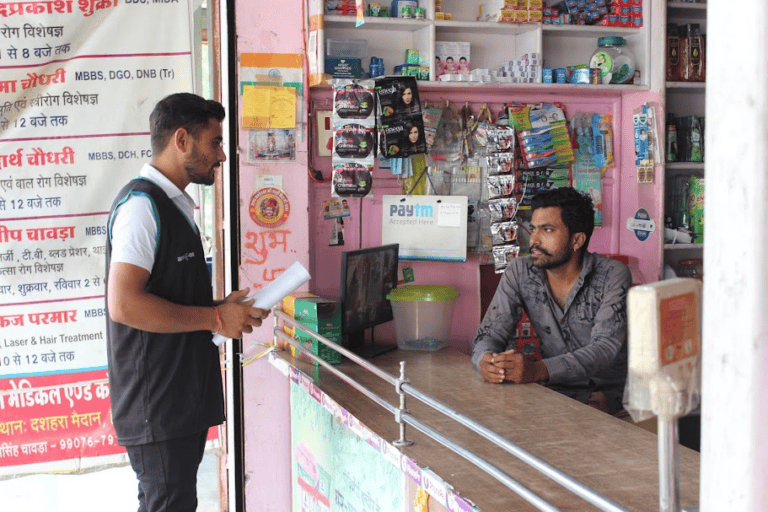
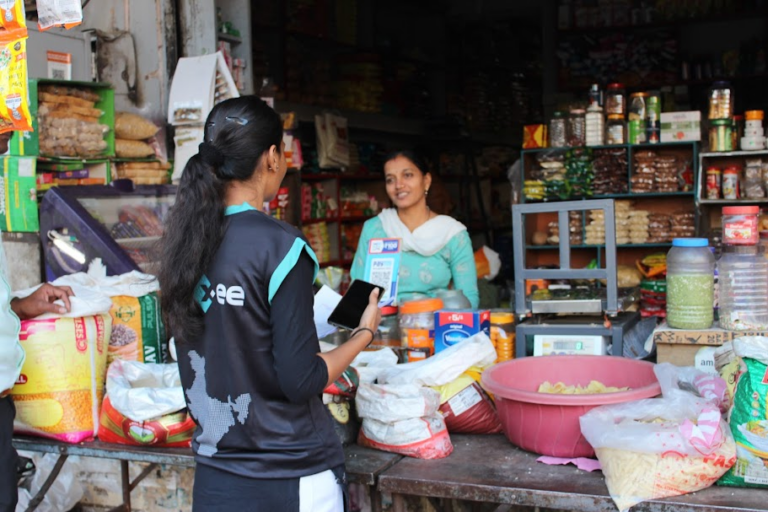
Each outlet gets a GPS pin, a category (kirana, chemist, hardware, electrical, agri-input), a rough size, the owner and contact, and a photo of the storefront. That is the difference between a list of names and a database you can actually route and target against.
Verify and de-duplicate
Geo-location and storefront photos let a back-office confirm each outlet is real, is where it says it is, and is not already in the list under another name — so the census is clean enough to act on.
Keep it alive
A market map decays. Scheduled refresh cycles re-walk the territory, retire the shops that closed and add the ones that opened, so the database stays a live picture rather than a one-time snapshot.
Where technology and AI change the game
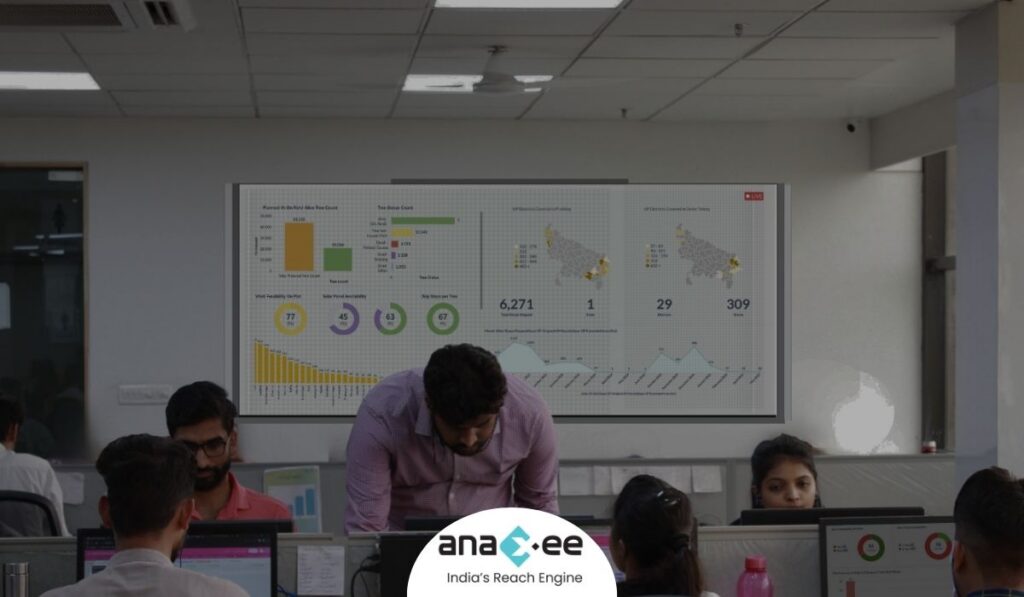
Anaxee runs outlet mapping as a tech product. Runners capture each shop in-app, geo-tagged and time-stamped with a storefront photo, flowing to a live dashboard that fills in by district as the census runs. Automated checks catch duplicates and off-beat locations, and AI reads storefront photos to help classify outlet type — so what you get back is a clean, categorised, mappable universe, not a messy spreadsheet.
How Anaxee helps
Anaxee — India’s Reach Engine, a National Startup Award winner working with 350+ brands — maps and verifies retail universes through 40,000+ Digital Runners across 540 districts and 11,000+ pincodes. It is the groundwork beneath distributor management and retail shop surveys, and part of our Go-To-Market work.
Proof on the ground — outlets we’ve mapped75,000+ retail outlets mapped and activated across GTM projects. See all case studies →
What happens when you reach out to Anaxee
- Tell us the market — the geography and outlet types you want mapped — by form, WhatsApp or a call.
- A real person calls back — our Indore GTM team, within one working day.
- We scope a pilot — one district mapped and categorised, so you see the data quality before you scale.
A 150+ person team in Indore and 40,000+ Digital Runners on the ground — your enquiry reaches people who map markets every day, not an inbox that goes quiet.
Tell us about the market you want mapped
Share the geography and outlet types — our team will get back within one working day.
Frequently asked questions
What is a retail outlet census?
How is it different from my distributor’s list?
How do you keep a retailer database current?
Can you map Tier 2-4 and rural outlets?
How do you avoid duplicate or fake entries?
What do you capture for each outlet?
How many outlets can you map?
What does outlet mapping cost in India?
The bottom line
You cannot grow distribution you cannot see. A retailer census turns the invisible market — every shop that could stock you — into a clean, categorised, geo-tagged database you can plan against. Build it on the ground, keep it alive, and the gap between your distributor’s list and the real market becomes your roadmap instead of your blind spot.
Talk to Anaxee — whichever way is easiest