BLOG
Why an App Isn’t Enough for Quality Field Data in India
 About Anaxee
40,000+ Digital Runners · 540 districts · 26 states · 11,000+ pincodes of reach
Here is a trap a lot of teams fall into. They buy or build a data-collection app, watch someone tap through a form with a GPS stamp and a photo, and conclude that field data collection is a solved problem. A few taps, done. What could go wrong?
Almost everything — once you leave the demo and point thousands of people at that app across hundreds of districts. Did they actually go where they said? Did they fill it honestly, or from under a tree? Did two different people read the same question the same way? Is anyone checking any of it? An app is a tool, not an outcome. Without the machinery behind it, an app just lets you collect bad data faster.
Think about a CRM. Buying one is easy — a credit card and an afternoon. But a CRM only creates value if every lead gets entered, every follow-up gets logged, every record is kept current. That is discipline, process and people. Skip it, and all you own is an expensive database full of stale junk.
Field data collection is exactly the same. The app is the CRM. Buying it is easy; implementing it is hard; getting a reliable business output from it is harder still. The output depends entirely on the operation behind the screen.
What actually makes field data trustworthy
Anaxee runs a defined Quality Control & Analysis Framework on every project, because a model that generates thousands of data points has thousands of chances to go wrong. It is not one check at the end — it is a loop that runs the whole way through.
Want data you can actually trust — not just an app?
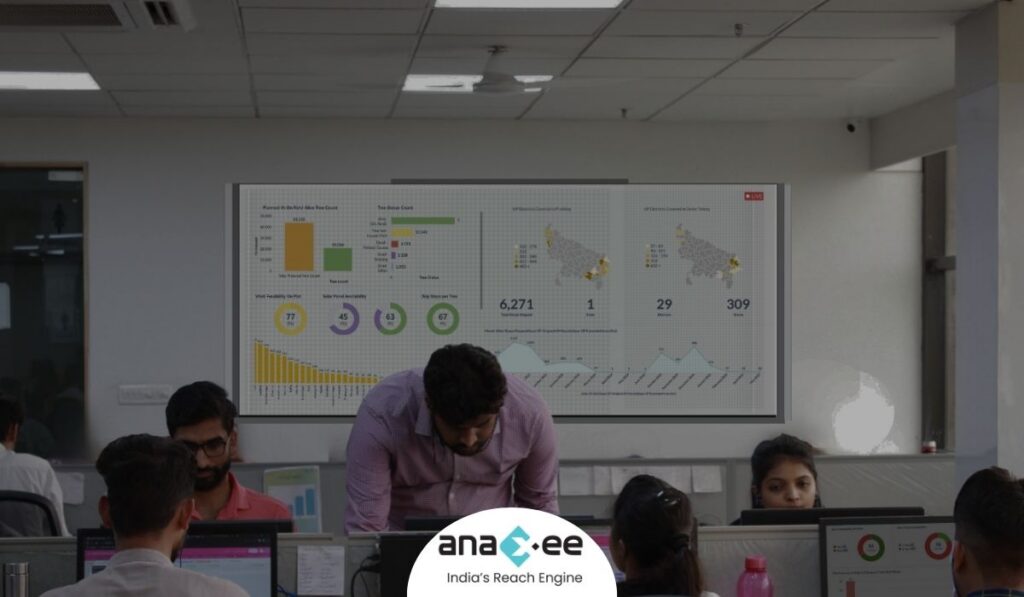
Anaxee runs field data collection with the training, QA and correction built in, delivered on a dashboard you can open yourself.
Why the app is the easy 10%
The app is the part you can see, so it gets all the attention. The real work is everything around it: recruiting and training tens of thousands of runners to ask a question the same way; doing it in the respondent’s own language; actually reaching the villages and small towns where the data is; back-checking a sample of every batch; running a command centre that watches the work in real time; and turning raw entries into a structured dataset on a live dashboard. None of that comes in the box with an app. It comes from having done it, project after project, for years.
Where technology and AI help — and where they don’t
Technology does the heavy lifting on the parts that scale: the app enforces a consistent form, GPS and photo stamps make a visit checkable, and AI flags the suspicious patterns — forms filled too fast, answers that do not line up, locations that do not match — so the QA team looks where it matters. But deciding whether a resource is legitimate, judging a borderline case, and taking corrective action still need experienced people. The tech makes quality scalable; the back office is what makes it real.
How Anaxee helps
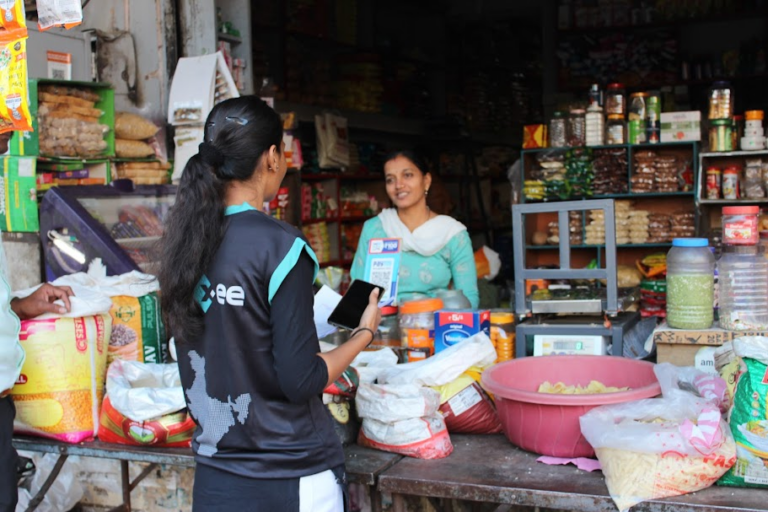
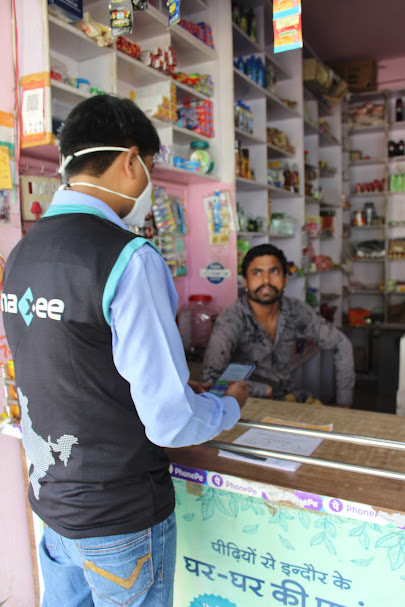
Anaxee — India’s Reach Engine, a National Startup Award winner — runs field data collection, surveys and verification through 40,000+ Digital Runners and a 150+ person back office across 540 districts and 11,000+ pincodes, with quality control built into every project and results on a live dashboard. See our large-scale field surveys, baseline & endline studies, and pharma field audits.
Proof — verified field data at scaleQuality-checked, geo-tagged field data delivered across all 26 states. See all case studies →
What happens when you reach out to Anaxee
- Tell us the data you need — what, where and to what standard — by form, WhatsApp or a call.
- A real person calls back — our Indore team, within one working day.
- We scope a pilot — a sample collection with the full QA loop, delivered as a dashboard you can open yourself.
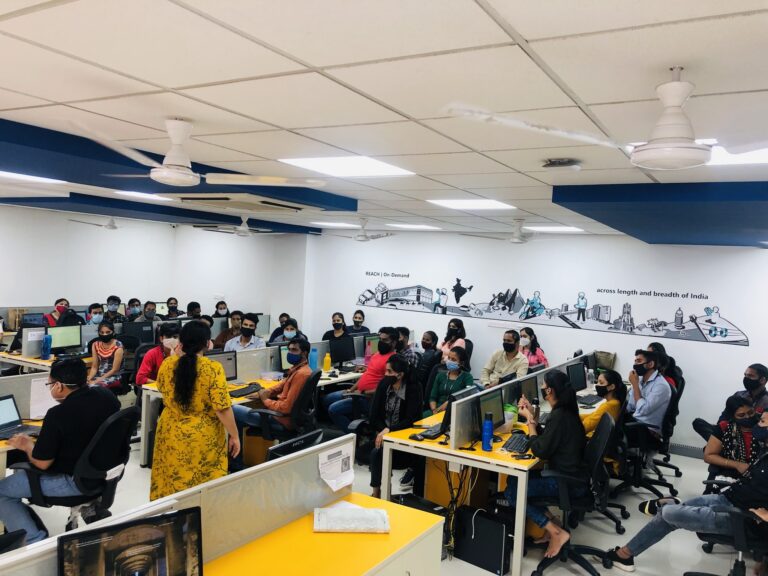
A 150+ person team in Indore and 40,000+ Digital Runners on the ground — the back office is the point, not an afterthought.
Tell us what you need to collect
Share the data and geography — our team will get back within one working day.
Frequently asked questions
Isn’t a data-collection app enough on its own?
Why compare it to a CRM?
How do you stop runners from faking data?
What is Anaxee’s quality framework?
Can we just licence your app and run it ourselves?
The bottom line
Any team can buy an app. Far fewer can turn thousands of field visits into data a board will trust — because that depends on the part nobody demos: the training, the verification, the variance analysis, the corrections, the experience of having done it before. Buying the CRM was never the hard part. Neither is the app. Anaxee’s advantage is the operation behind the screen, and that is exactly what turns field activity into field data you can actually use.
Talk to Anaxee — whichever way is easiest