BLOG
Baseline & Endline Surveys in India: Proving Your Programme Actually Worked
 About Anaxee
40,000+ Digital Runners · 540 districts · 26 states · 11,000+ pincodes of reach
You ran the programme. You spent the budget. Now someone — a board, a funder, a ministry — asks the only question that really matters: did it work? And “we think so” is not an answer anyone can stand behind.
That is what a baseline–endline study is for. You measure the situation before the intervention, you measure it again after, and the difference — carefully collected and honestly reported — is your evidence. The idea is simple. Doing it credibly, across scattered villages in rural India, is not.
What a baseline–endline study measures
Why doing it at India scale is hard
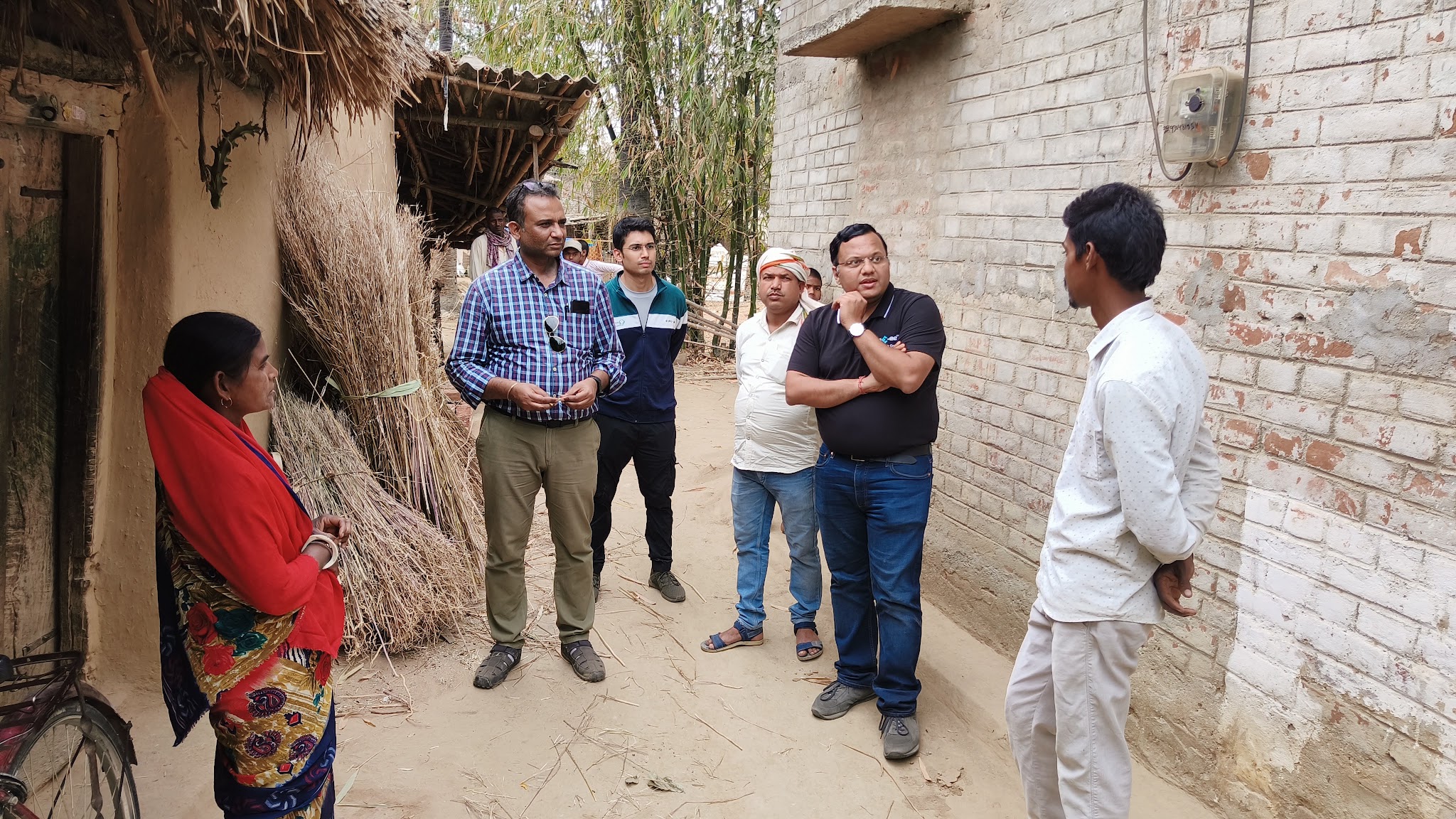
The method is textbook; the execution is where studies fall apart. Respondents are spread across villages that are hard to reach and easy to skip. Interviews have to run in the local language, consistently, by people who actually turned up. For an endline, you often need to find the same households again, sometimes a year or two later. And the quietest failure of all is fabricated data — an interviewer who fills forms from the shade of a tree instead of knocking on doors. Any one of these turns a careful study into a number nobody can trust.
Need to prove your programme worked?
Anaxee runs baseline and endline surveys across rural India — geo-tagged, quality-checked and delivered on a dashboard you can open yourself.
How Anaxee runs it
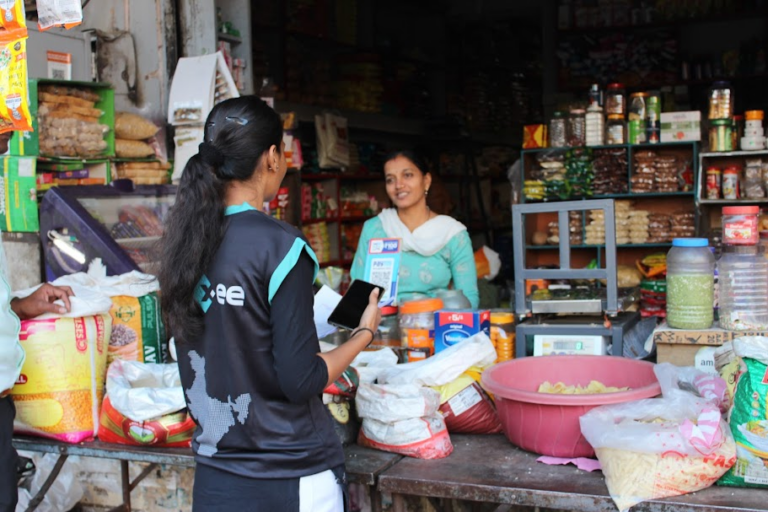
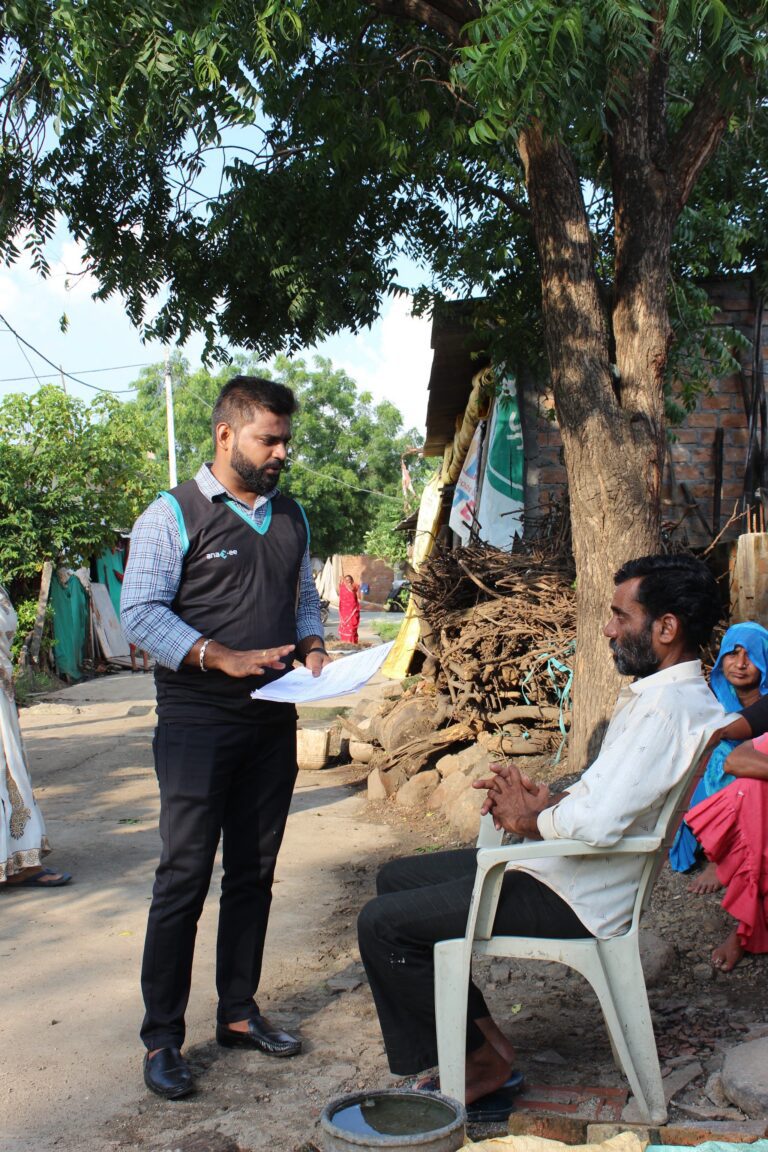
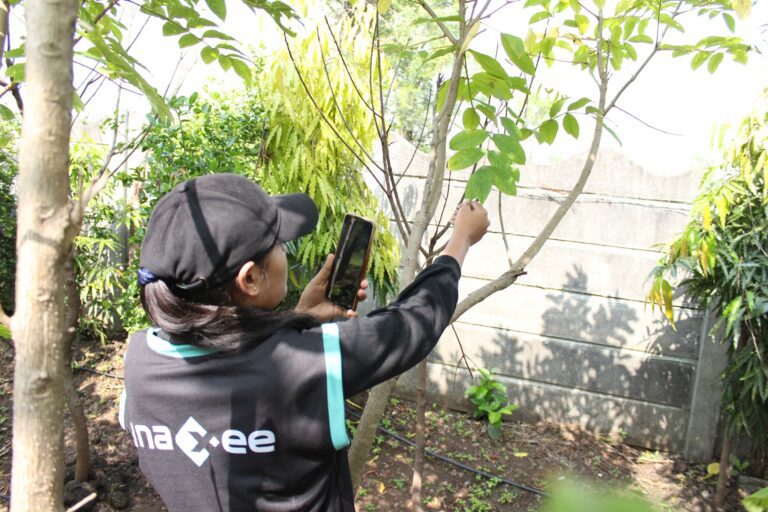
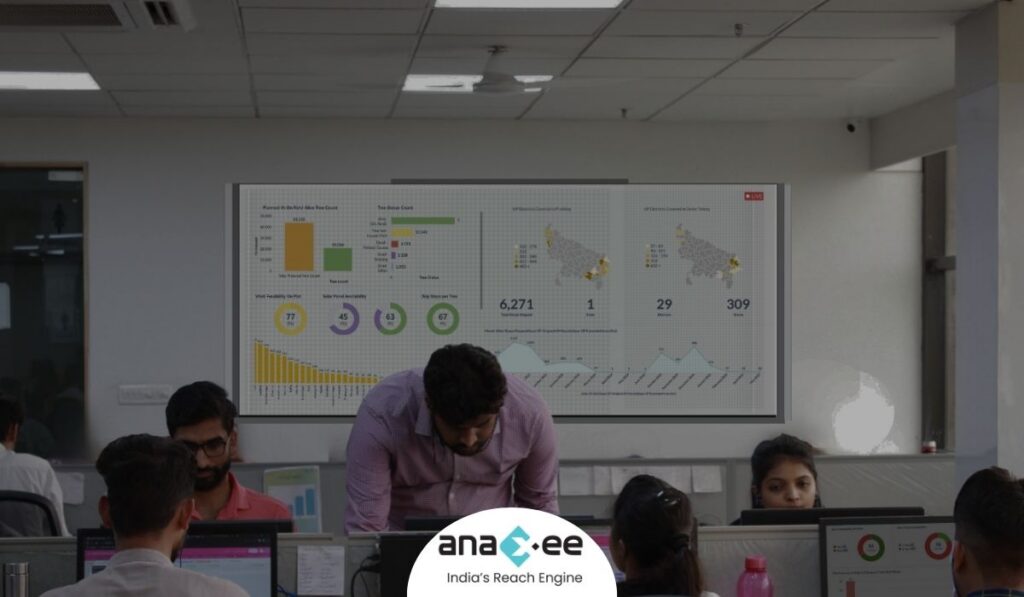
Anaxee was built for exactly this problem: getting accurate data out of hard-to-reach India, at scale. A network of 40,000+ Digital Runners means there is already someone near the village, who speaks the language, who can run the interview in person. Responses are captured on a mobile app (CAPI), each one geo-tagged and time-stamped, often with a photo — so you can see the interview happened where and when it was meant to. A layer of back-checks and QA re-verifies a sample of responses to catch fabrication before it reaches your report. And the whole dataset lands on a live dashboard, not a spreadsheet emailed three weeks late.
Where technology and AI change it
The mobile-first, geo-tagged capture is what makes scale and honesty compatible. GPS and photo stamps make curbstoning — faking interviews — far harder to hide. Automated checks flag suspicious patterns (interviews that are too fast, duplicated answers, locations that do not match) for re-verification. And because everything is live, you watch the data come in and fix problems mid-survey, instead of discovering them after the field team has gone home.
How Anaxee helps
Anaxee — India’s Reach Engine, a National Startup Award winner — runs field surveys and verification through 40,000+ Digital Runners across 540 districts and 11,000+ pincodes, captured on app, geo-tagged and delivered as live dashboards. See our broader large-scale field surveys, our work in rural market research, and how the same field network powers drone surveys for agriculture.
Proof — field data collection & verification at scaleIndependent, geo-tagged field data collected across all 26 states. See all case studies →
What happens when you reach out to Anaxee
- Tell us the study — the programme, the geography and what you need to measure — by form, WhatsApp or a call.
- A real person calls back — our Indore team, within one working day.
- We scope a pilot — a sample baseline in one block, captured and quality-checked, delivered as a dashboard you can open yourself.
A 150+ person team in Indore and 40,000+ Digital Runners on the ground — your enquiry reaches people who run field surveys every day, not an inbox that goes quiet.
Tell us about your study
Share the programme and geography — our team will get back within one working day.
Frequently asked questions
What is a baseline–endline survey?
How is it different from a one-time survey?
How do you stop interviewers from faking data?
Can you find the same households again for the endline?
What kinds of programmes is this for?
How large and how fast can you go?
What does a baseline–endline study cost?
The bottom line
Impact you cannot measure is impact you cannot defend. A baseline–endline study, run properly, turns “we think it helped” into a number you can put in front of a board or a ministry — and the hard part is never the method, it is collecting honest data at scale across rural India. That is the part Anaxee was built for: a field network that reaches the village, captures geo-tagged proof, checks its own work, and shows you the change on a dashboard you can open yourself.
Talk to Anaxee — whichever way is easiest