BLOG
Raymond Sustainable Cotton — Organic, BCI & Recycled (Wool-Led)
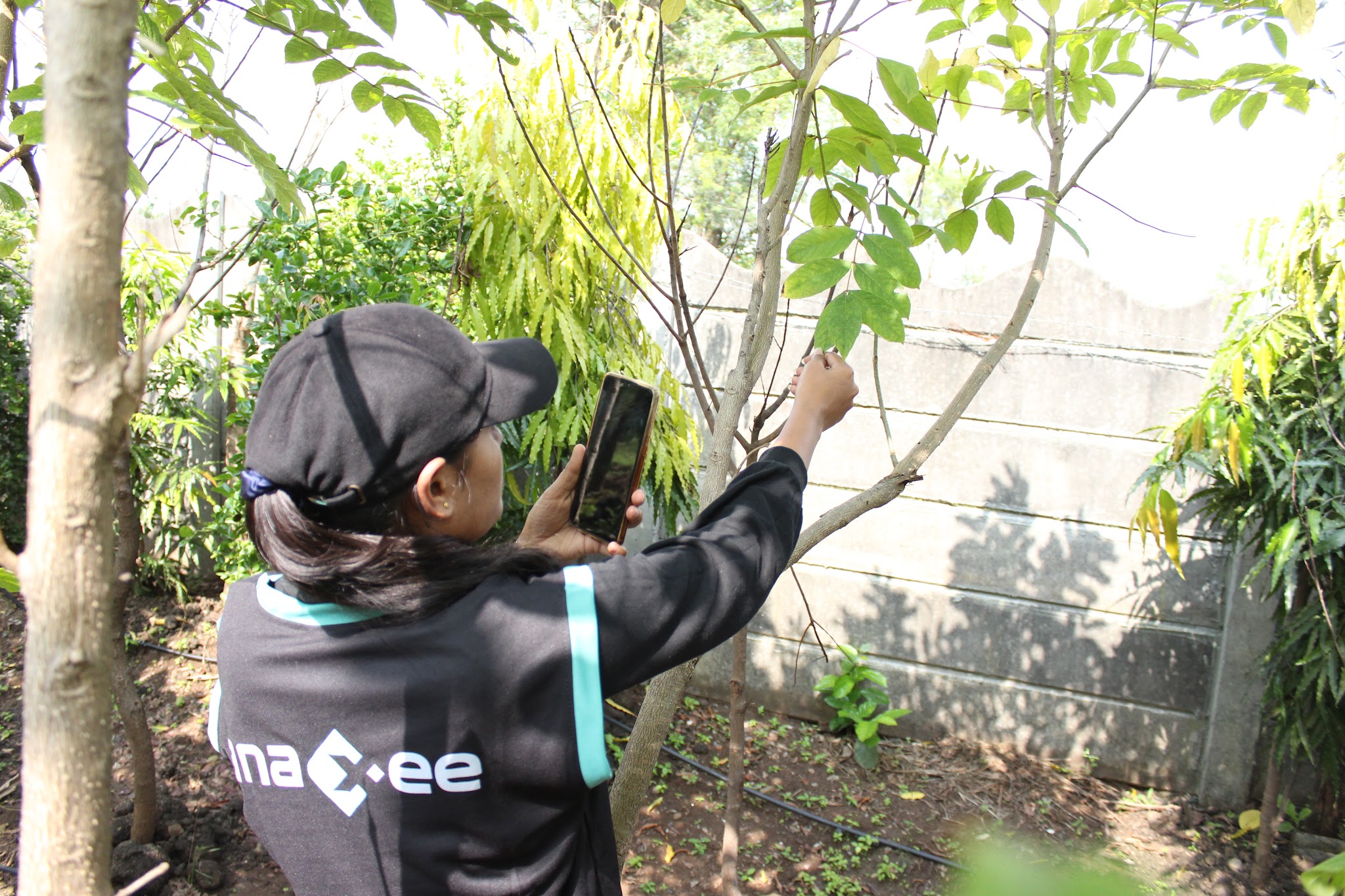
If you are researching how India’s big apparel-and-fabric houses approach sustainable cotton, Raymond is a useful but particular case — it is primarily a wool and worsted-suiting company, so cotton is one fibre among several. Its ESG reporting is strongest on certified wool, with certified cotton as a growing but smaller part of the mix. Below is a factual reference — who Raymond is in sustainable cotton, the schemes it uses, and what it publishes — drawn entirely from Raymond’s own disclosures. We also explain, honestly, where an independent field-and-verification partner like Anaxee fits.
Who Raymond is in sustainable cotton
Raymond is one of India’s largest and best-known textile and lifestyle groups, long synonymous with premium worsted suiting. Its core fibre is wool, and its sustainability reporting reflects that — it reports 100% certified wool to the International Wool Textile Organisation (IWTO) standard. In cotton, its role is that of a buyer and manufacturer of certified sustainable options rather than a grower or a dedicated organic-cotton house.
Per its ESG disclosures, Raymond’s certified materials include Organic, Better Cotton (BCI) and GRS-certified cotton options, with recycled cotton a small share of the mix (reported at 2.21% in FY2023-24). So Raymond offers sustainable cotton, but it is a secondary fibre behind wool.
The sustainable-fibre schemes Raymond uses
Raymond’s disclosures name several sustainable-fibre standards. Each is distinct, with different rules and different claim strength:
| Scheme | What it is | Raymond’s public role |
|---|---|---|
| Organic cotton | Cotton grown without synthetic fertilisers, pesticides or GMO seed; certified at farm level. | Offers certified organic cotton among its material options (Raymond ESG disclosure). |
| Better Cotton (BCI) | A mass-balance farm programme training growers in better practices; volumes are tracked, fibre is not traced to a specific farm. | Offers Better Cotton (BCI) certified cotton options (Raymond). |
| Recycled cotton (GRS) | Reclaimed cotton fibre certified under the Global Recycled Standard. | Offers GRS-certified recycled cotton; reported ~2.21% recycled cotton in FY2023-24 (Raymond). |
| Certified wool (IWTO) | Wool certified to the International Wool Textile Organisation standard (Raymond’s primary fibre, shown for context). | Reports 100% certified wool (Raymond). |
Scheme descriptions: Better Cotton / Textile Exchange / IWTO. Raymond roles: Raymond ESG Data Book FY2023-24.
What Raymond publishes
These are drawn from Raymond’s own disclosures, each attributed to its source:
Why Raymond is a useful benchmark
Raymond shows the wool-led house’s approach to sustainable cotton: it offers certified organic, Better Cotton and recycled cotton options, but these sit alongside a much larger certified-wool story. For buyers, the point is to look past the headline ‘sustainable’ label and check which fibre and which certification a specific product actually carries.
Where an independent field & verification layer fits
Anaxee is not affiliated with Raymond, and Raymond runs its own sourcing. But Raymond makes the point: wherever a company offers organic or Better Cotton, the claim depends on what happened upstream on the farm — and default programmes often track volume, not origin. For houses, mills and brands that want independent assurance of what is actually happening in the field, Anaxee is the independent, tech-enabled field-execution and verification layer — reaching cotton farmers at scale, running the recurring season work, and producing geo-tagged, timestamped, photo-backed ground-truth to stand behind a claim.
Anaxee has no cotton to sell, so its data has nothing to flatter. It is not a Better Cotton member, not a certification body, and does not buy or sell cotton — it is the field and verification partner underneath the programme. Explore the model: cotton supply-chain verification · farm-to-gin traceability · Better Cotton field & verification partner.
Buying or defending a sustainable-cotton claim? If you need independent field execution and on-ground verification across India’s cotton belt — the recurring, season-by-season work behind the claim — let’s talk.
FAQ
Does Raymond use sustainable cotton?
Is Raymond a cotton or a wool company?
What cotton certifications does Raymond offer?
Can a Better Cotton claim be traced to the farm?
Is Anaxee connected to Raymond?