BLOG
Cotton Traceability in India: Farm-to-Gin Origin Data, Tracked on the Ground
 About Anaxee
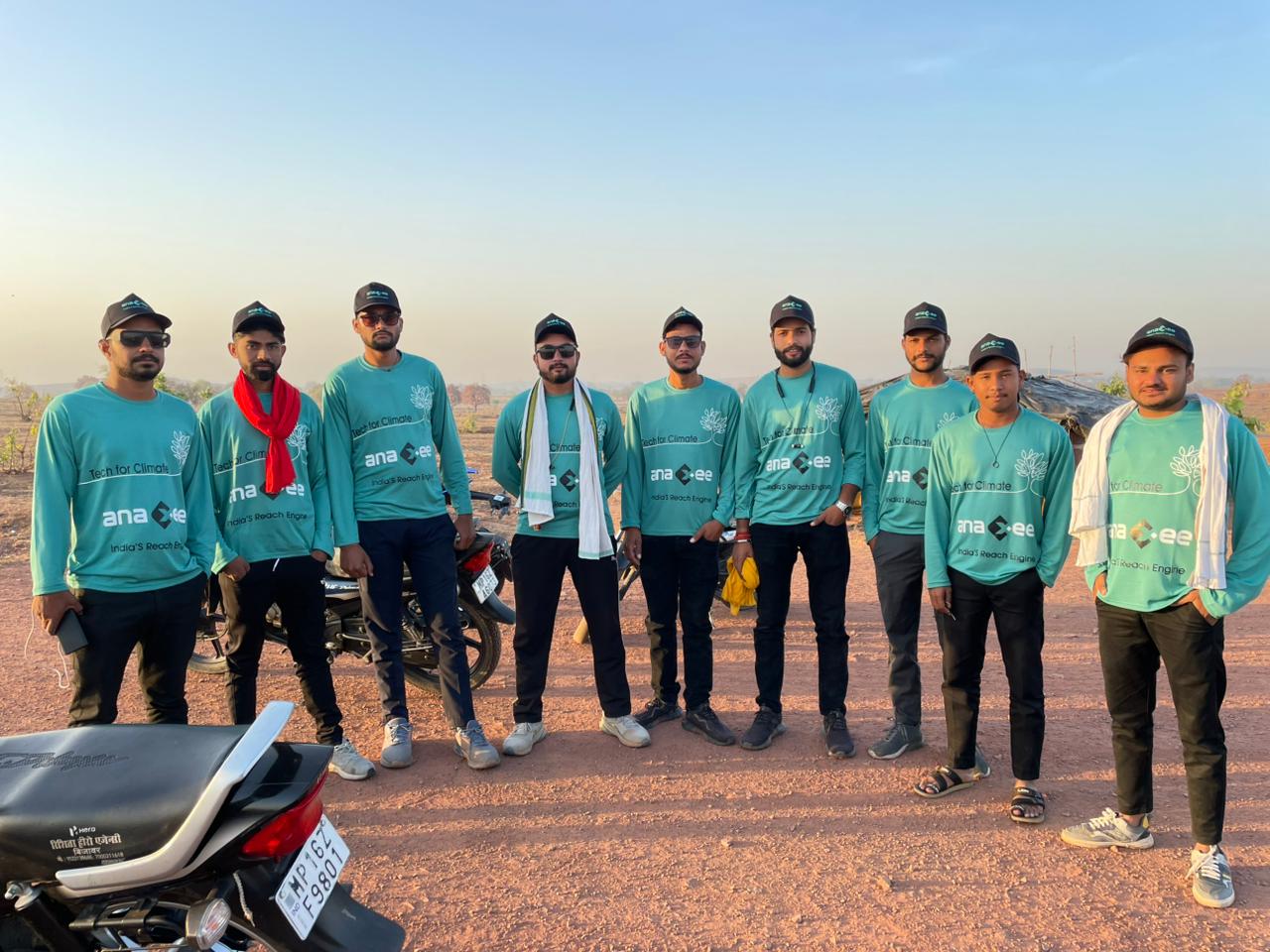
40,000+ Digital Runners · 540 districts · 26 states · 11,000+ pincodes of reach
For most of its history, cotton has been deliberately hard to trace. Smallholder cotton is pooled at the village, aggregated by traders, mixed at the gin, and blended again at the spinner — and by the time it reaches a brand, the link back to the farm is long gone. That used to be acceptable. It no longer is. Buyers, regulators and standards now want cotton that can be traced to its origin, with evidence — and the hardest, most important link to capture is the very first one, from the farm to the gin.
Why cotton traceability matters now
What has to be captured — at the first mile
How Anaxee captures and verifies the origin data
One field network for the whole first mile. Use the full set, or just the piece you are missing.
Identify, register and geo-tag the cotton farmers and plots behind your supply — a verified origin, de-duplicated.
Explore →
Capture harvest & volumeRecord harvest volumes at the producer-unit level — the quantity data a segregated or mass-balance trace needs.
Explore →
Verify farm-to-gin recordsIndependent on-ground checks that the farms, volumes and handoff records are real — not just declared.
Explore →
Live traceability dashboardThe origin and handoff data on a live dashboard and API — reconcilable with satellite, ready for your systems.
Explore →
We capture the origin data — we don’t buy the cotton
To be clear about where we fit: Anaxee is not a cotton trader, ginner or aggregator, and we do not buy or sell the cotton, and we are not a certification body. We capture and independently verify the origin and handoff data at the first mile — the farms, the volumes, the farm-to-gin link — and deliver it on a live dashboard. The cotton, the ginning and the chain-of-custody certificate stay with your supply chain and its accredited bodies. We make the origin real and provable; what you build on it is yours.
Where technology and AI change the game
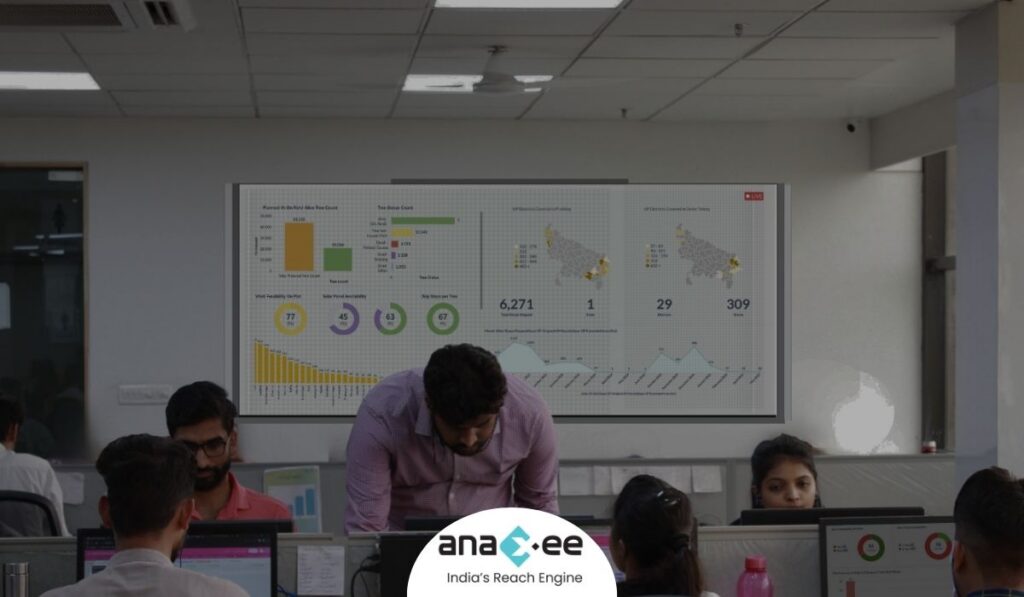
Origin data is only worth having if it is trustworthy. Anaxee captures every farmer, plot, harvest record and handoff on a field app — geo-tagged, time-stamped and photographed to a live dashboard and API — with AI de-duplicating farmers, flagging volumes that do not add up and catching records that never happened, and acreage and output reconcilable against satellite. You get a farm-to-gin trace an auditor, a buyer or a regulator can stand behind.
How Anaxee helps with cotton traceability
Anaxee — India’s Reach Engine, a National Startup Award winner — is the first-mile data partner for cotton traceability: 40,000+ Digital Runners across 540 districts and 11,000+ pincodes who register and geo-map farms, capture harvest and handoff data, and verify it on a live dashboard. It is the same engine behind our Better Cotton field partner, cotton verification and sustainable-sourcing work across India.
Proof on the groundLarge-scale, geo-tagged, independently verified farmer field data delivered across agri and CSR programmes — the same first-mile discipline cotton traceability needs. See all case studies →
What happens when you reach out to Anaxee
- Tell us the cotton supply — the belt, the gins and the scale — by form, WhatsApp or a call.
- A real person calls back — our Indore team, within one working day.
- We scope a pilot — one belt traced farm-to-gin on a live dashboard, so you see the data before you scale.
A 150+ person team in Indore and 40,000+ Digital Runners on the ground — your enquiry reaches people who run farmer field programmes every week, not an inbox that goes quiet.
Frequently asked questions
What is cotton traceability?
How is this different from cotton verification?
Does Anaxee issue a chain-of-custody certificate?
Does Anaxee buy or gin the cotton?
How does this help with regulation?
How do we start?
The bottom line
Cotton traceability lives or dies at the first mile — the farm-to-gin link that paper trails cannot reconstruct and that only on-ground data can capture. The brands and mills that will meet tightening regulation and genuine traceable-cotton demand are the ones capturing that origin data now, verified. Doing it across India’s cotton belt, on a live dashboard, is exactly what Anaxee is built for.
Need your cotton traced to the farm?
Tell us the belt and the gins and we will scope a pilot — farms registered, volumes captured and the farm-to-gin link verified on a live dashboard before you scale.
See also: Better Cotton field partner · Cotton supply-chain verification · Sustainable cotton sourcing · What is the Better Cotton Initiative?