BLOG
Sportking India Sustainable Cotton: Organic, Better Cotton, Recycled & Fairtrade
If you are researching how India’s large yarn spinners handle sustainable cotton, Sportking India is a clear example — a major manufacturer of cotton, poly-cotton and synthetic yarn (Ludhiana, Punjab) that sources certified sustainable cotton to meet buyer requirements. Below is a factual reference — who Sportking is in sustainable cotton, the schemes it uses, and the figures it publishes — drawn entirely from Sportking’s own Business Responsibility & Sustainability Report (BRSR). We also explain, honestly, where an independent field-and-verification partner like Anaxee fits.
Who Sportking is in sustainable cotton
Sportking India Limited manufactures cotton, polyester-cotton blended and synthetic yarn from three plants in Ludhiana, Punjab, exporting to 37 countries with exports at around 51% of turnover (BRSR FY2024-25). Cotton is a core raw material.
Like most spinners, Sportking’s sustainable-cotton model is that of a buyer and manufacturer: it procures certified sustainable cotton and recycled fibre rather than running its own farmer programme. Its stated policy is to encourage the purchase of organic cotton, BCI-certified cotton and recycled polyester, and it also uses recycled cotton fibre.
The sustainable-cotton schemes Sportking uses
Sportking’s disclosures name several sustainable-cotton and fibre standards it sources and certifies against. Each is a distinct standard with different rules and different claim strength:
| Scheme | What it is | Sportking’s public role |
|---|---|---|
| Better Cotton (BCI) | The world’s largest cotton sustainability programme; a farm-level training standard. Volume is tracked by mass balance unless a physical chain of custody is used. | Names BCI-certified cotton in its responsible-sourcing policy (BRSR). |
| Organic cotton (GOTS / OCS) | Cotton grown without synthetic fertilisers, pesticides or GMO seed; certified at farm level and traceable through the supply chain. | Buys organic cotton; holds GOTS 6.0 and OCS 3.0 certification (BRSR). |
| Recycled (GRS / RCS) | Recycled fibre certified under the Global Recycled Standard / Recycled Claim Standard for recycled content and chain of custody. | Uses recycled cotton fibre and recycled polyester; holds GRS 4.0 and RCS 2.0 certification (BRSR). |
| Fairtrade & CMIA | Fairtrade (fair prices + community premium) and Cotton made in Africa (a responsibly-grown-cotton origin scheme). | Holds a Fairtrade certificate and a CMIA certificate; also reports a Higg Index certificate (BRSR). |
Scheme descriptions: Better Cotton / Textile Exchange. Sportking roles: Sportking India BRSR.
The figures Sportking publishes
These are drawn from Sportking’s own reporting, each attributed to its source:
Why Sportking is a useful benchmark
Sportking shows the export yarn spinner’s model: it buys certified sustainable cotton from compliant vendors, adds recycled fibre, and sells sustainable yarn to customers in dozens of countries. That is efficient — but it also means the strength of a ‘sustainable cotton’ claim depends on the certification upstream and on what can be verified about where the fibre actually came from. The harder a brand or regulator pushes on ‘prove it’, the more that question points back to the field.
Where an independent field & verification layer fits
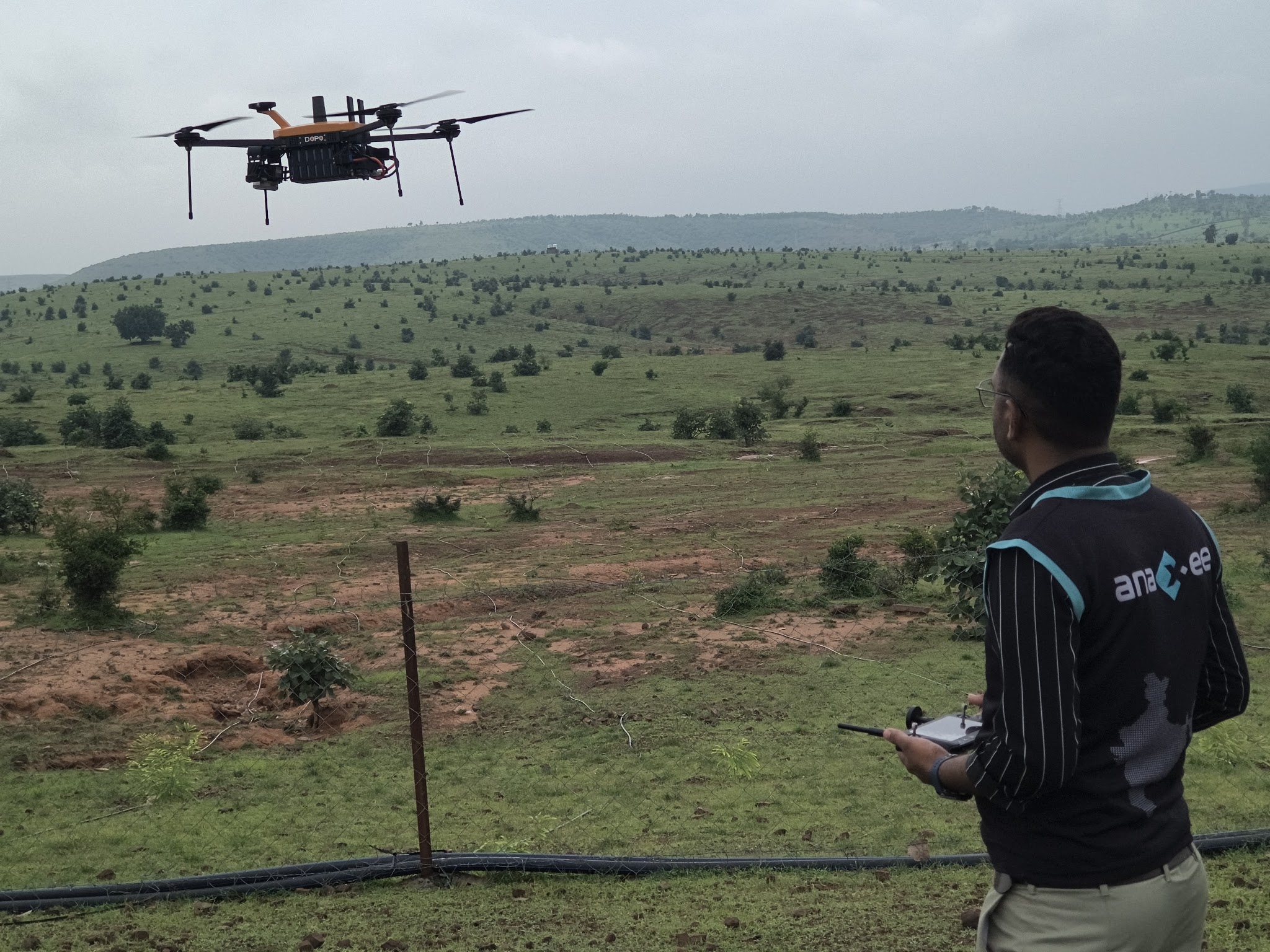
Anaxee is not affiliated with Sportking, and Sportking runs its own sourcing. But Sportking makes the point: a spinner buying organic and BCI cotton from certified vendors depends on what happened upstream on the farm — and default programmes often track volume, not origin. For spinners, mills and brands that want independent assurance of what is actually happening in the field, Anaxee is the independent, tech-enabled field-execution and verification layer — reaching cotton farmers at scale, running the recurring season work, and producing geo-tagged, timestamped, photo-backed ground-truth to stand behind a claim.
Anaxee has no cotton to sell, so its data has nothing to flatter. It is not a Better Cotton member, not a certification body, and does not buy or sell cotton — it is the field and verification partner underneath the programme. Explore the model: cotton supply-chain verification · farm-to-gin traceability · Better Cotton field & verification partner.
Buying or defending a sustainable-cotton claim? If you need independent field execution and on-ground verification across India’s cotton belt — the recurring, season-by-season work behind the claim — let’s talk.
FAQ
Does Sportking India use sustainable cotton?
What certifications does Sportking hold?
What does Sportking manufacture?
Can Sportking trace its cotton to the farm?
Is Anaxee connected to Sportking?