BLOG
Rural Market Research in India: Getting Real Consumer Insight at Village Scale
 About Anaxee
40,000+ Digital Runners · 540 districts · 26 states · 11,000+ pincodes of reach
The next phase of India’s consumption growth is being written in its villages and small towns. Yet most market research still over-indexes on the cities, because rural respondents are hard and expensive to reach. The result is a quiet distortion: brands make rural decisions on urban data, or on rural data so thin and unverified that it is barely better than a guess.
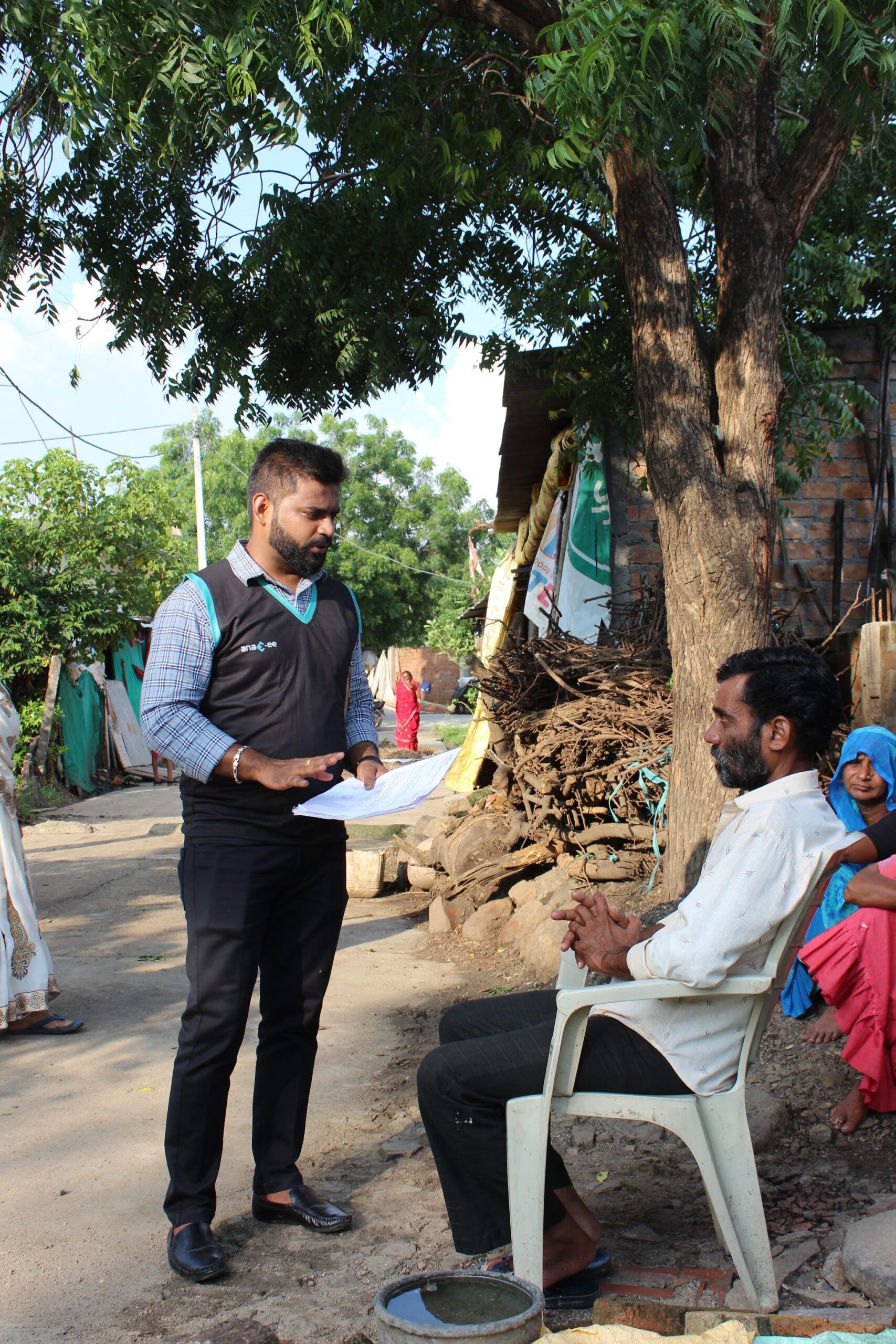
Getting it right means doing the hard thing — actually going to the villages, in the local language, and proving the research happened.
Why rural market research goes wrong
Need a real read on the rural consumer?
Anaxee runs rural research across 540 districts — respondents reached in the local language, every interview geo-tagged and verifiable.
How to run rural research that is actually real
Reach a representative rural sample on the ground
Set quotas across geographies, village sizes and demographics, and enforce them in the field — so the sample reflects rural India as it is, not just the villages closest to a highway.
Interview in the local language, with rapport
Field researchers who are from the region and speak the language get honest, considered answers — the difference between a real insight and a politely empty one.
Verify every response
Each interview carries a GPS location, a timestamp and, where relevant, a photo or audio capture, so a back-office can confirm it genuinely happened — the practical cure for fabricated rural fieldwork.
Turn it around fast
In-app capture flows to a live dashboard as the fieldwork runs, so coverage fills in by district in real time and the dataset is ready days after the last interview.
Where technology and AI change the game
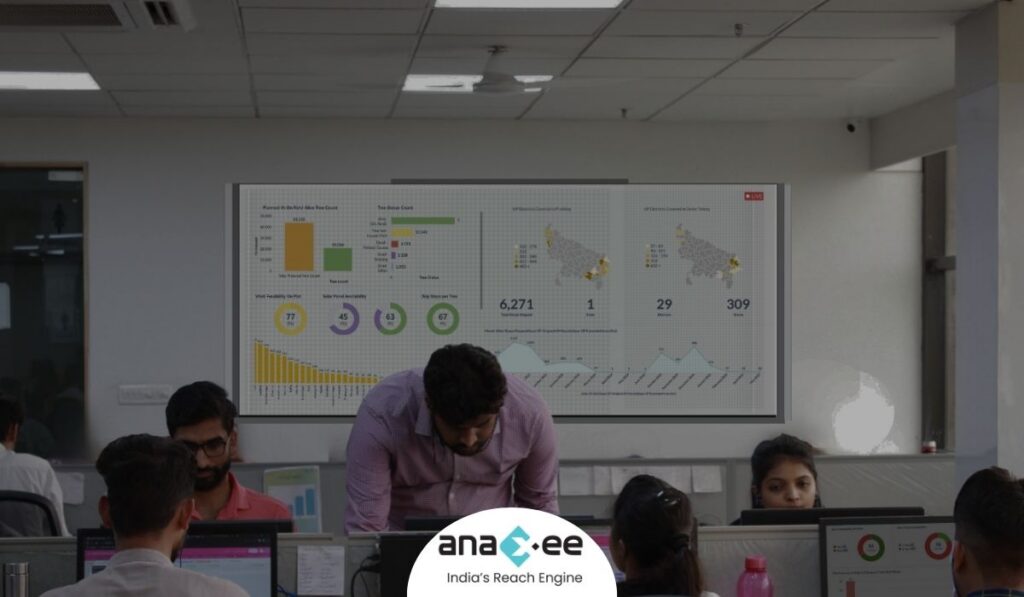
Anaxee runs rural research as a tech product. Every response is captured in-app, geo-tagged and time-stamped, flowing to a live dashboard the client watches by region and quota. Automated quality-control flags responses collected too fast, duplicates, and locations off the assigned beat — so a rural study comes back representative and verifiable, not a black box of fieldwork you have to take on trust.
How Anaxee helps
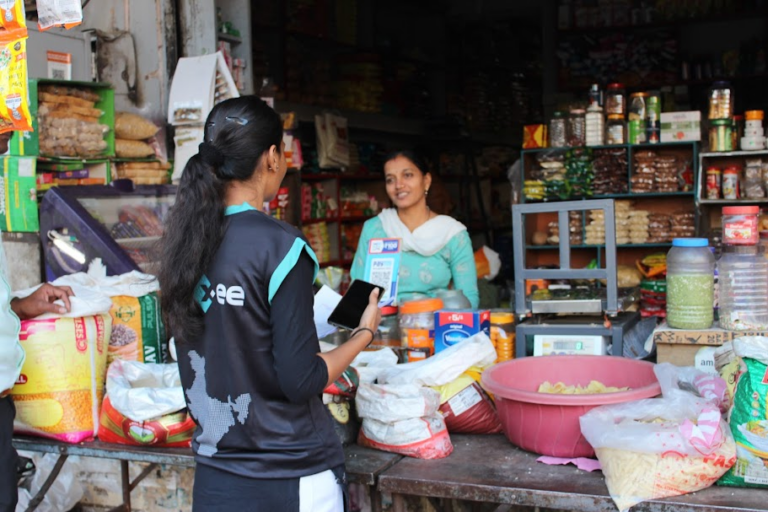
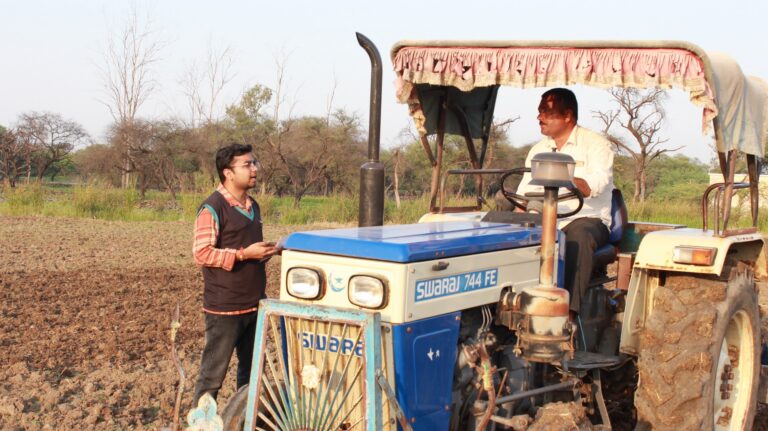
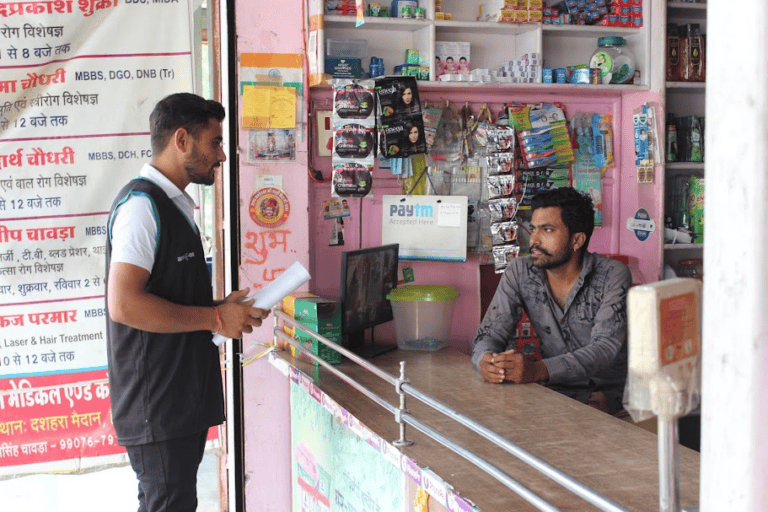
Anaxee — India’s Reach Engine, a National Startup Award winner working with 350+ brands and institutions — runs rural surveys, consumer research and data collection through 40,000+ Digital Runners across 540 districts and 11,000+ pincodes, in local languages, every response verifiable. It is the rural edge behind our large-scale field surveys and farmer data collection. See our field services.
Proof on the ground — rural research & data we’ve runRural surveys and data collected across all 26 states and 3,600+ villages for research, agri and media clients. See all case studies →
What happens when you reach out to Anaxee
- Tell us the study — the question, the rural sample and the markets — by form, WhatsApp or a call.
- A real person calls back — our Indore team, within one working day.
- We scope a pilot — one region surveyed, verifiable data in real time, before you scale.
A 150+ person team in Indore and 40,000+ Digital Runners on the ground — your enquiry reaches people who run rural research every day, not an inbox that goes quiet.
Tell us about your rural study
Share the sample and the markets — our team will get back within one working day.
Frequently asked questions
What is rural market research?
Why can’t I just use urban data for rural decisions?
How do you reach rural respondents?
How do you ensure the responses are honest and real?
What kinds of rural research can you run?
Which languages can you cover?
How fast and how large can a rural study be?
What does rural market research cost in India?
The bottom line
Rural India is where the next trillion dollars of consumption will be won — and it is invisible to research that never leaves the main road. Reach a representative rural sample on the ground, interview in the local language, and verify every response. Do that, and you trade a guess about the rural consumer for an insight you can actually bet on.
Talk to Anaxee — whichever way is easiest
