BLOG
CAPI vs CATI vs PAPI: Choosing the Right Survey Mode in India
 About Anaxee
40,000+ Digital Runners · 540 districts · 26 states · 11,000+ pincodes of reach
Every survey starts with the same fork: how do we actually collect the data? Face-to-face, over the phone, or on paper? It looks like a logistics detail, but the mode you pick quietly decides your cost, your speed, who ends up in the sample — and whether the numbers can be trusted at all. Pick wrong, and a well-designed study comes back biased, slow or unverifiable.
This guide lays out the three modes plainly — CAPI, CATI and PAPI — when each wins, and why the strongest studies in India rarely use just one.
The three modes at a glance
CAPI
Computer-assisted personal interviewing
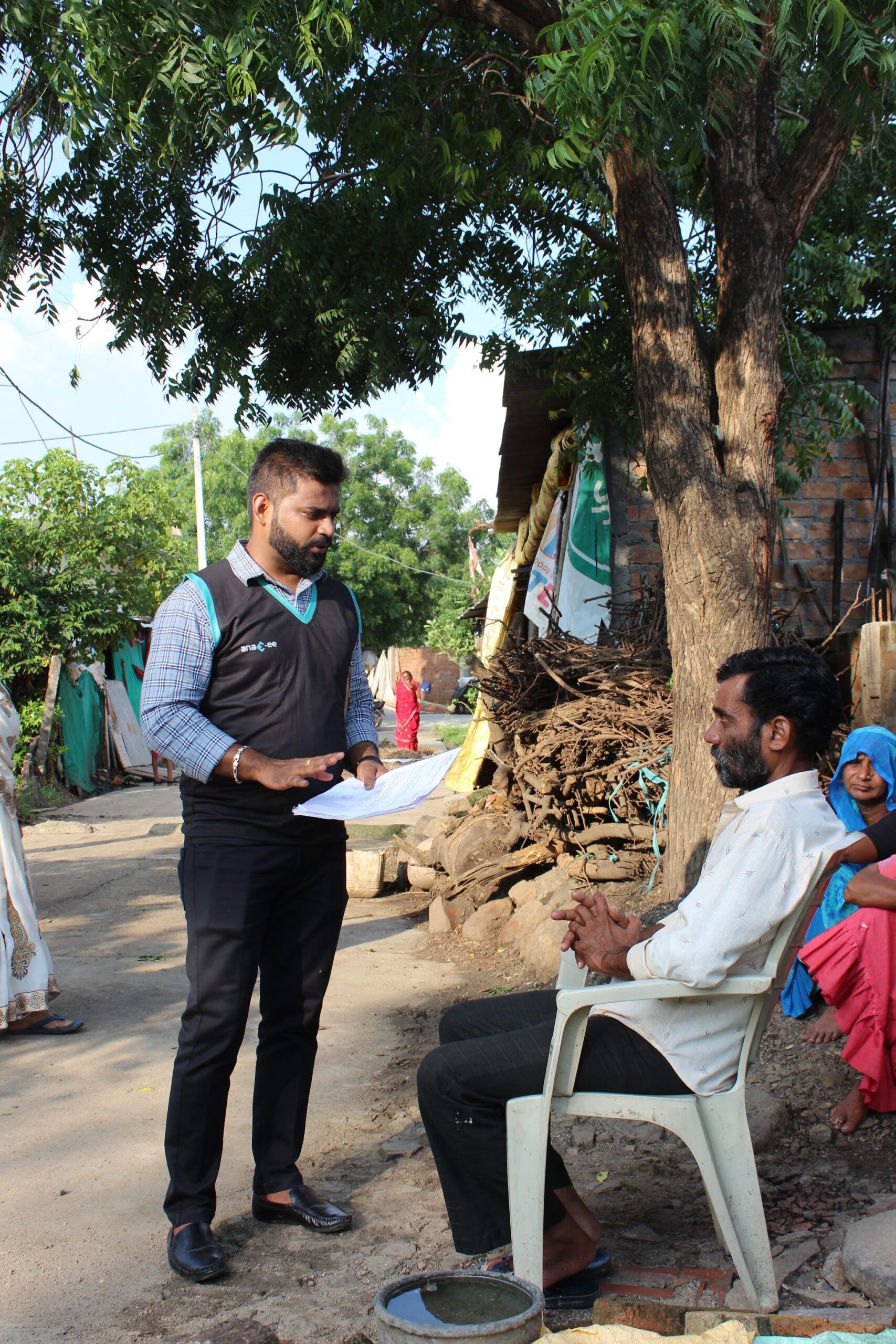
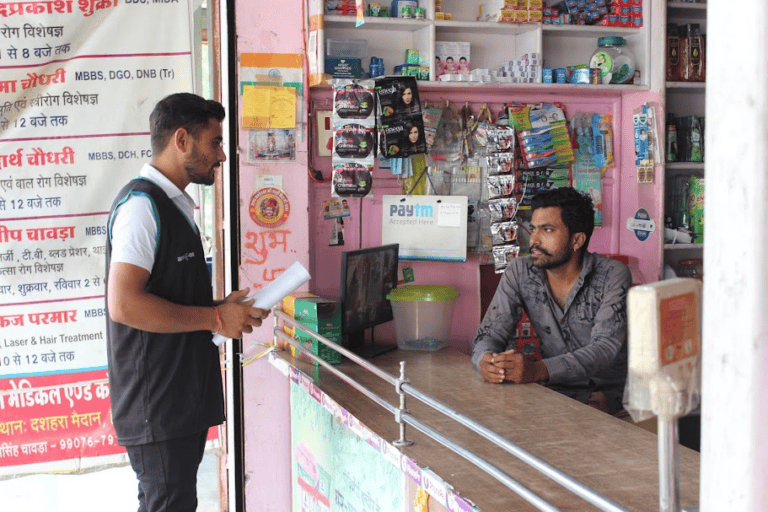
In person, on a mobile app. A trained interviewer visits the respondent; answers captured on screen, geo-tagged and photo-verified.
Best for
Depth, rural & unlisted respondents, anything that must be seen or verified.
CATI
Computer-assisted telephonic interviewing
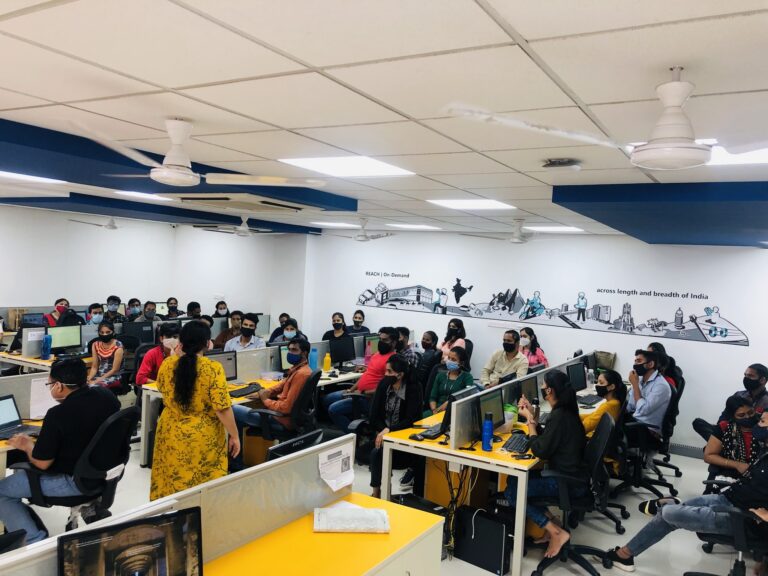
Over the phone from a calling centre, questionnaire on screen. No travel between interviews.
Best for
Speed, wide spread, lower cost per response, tracking and screening.
PAPI
Paper-and-pencil interviewing
The traditional method — printed forms, manual entry afterwards. No device in the field.
Best for
Only where devices genuinely cannot be used; otherwise its weaknesses show.
How to choose — the questions that decide it
Why PAPI is usually the wrong default
Paper feels cheap and simple, and for decades it was the only option. But it carries the costs that do not show up on the quote: weeks of manual data entry, transcription errors, no GPS or timestamp to prove the interview happened, and no automated check for the biggest field risk of all — fabrication, where an interviewer fills forms from a tea stall instead of walking the beat. A digital mode removes those costs by default. Unless devices genuinely cannot be used, CAPI or CATI beats PAPI on quality, speed and trust — which is why serious studies have largely moved on from paper.
The real answer: blend the modes
The framing of “CAPI vs CATI vs PAPI” is a little misleading, because the best studies do not pick one — they combine them. Run CATI for the wide, phone-reachable base, and CAPI for the hard-to-reach rural tail and the parts that need a human eye, delivered as one dataset. Most vendors do one mode or the other; a provider built for field data collection at national scale can run both and switch between them within a single study. That is how you get speed where the phone wins and depth where it does not — without compromising on either.
Not sure which mode your study needs?
Anaxee runs CAPI and CATI — and blends them — across 540 districts, every response verified and on a live dashboard. Tell us the study and we’ll recommend the mix.
Where technology and AI change it
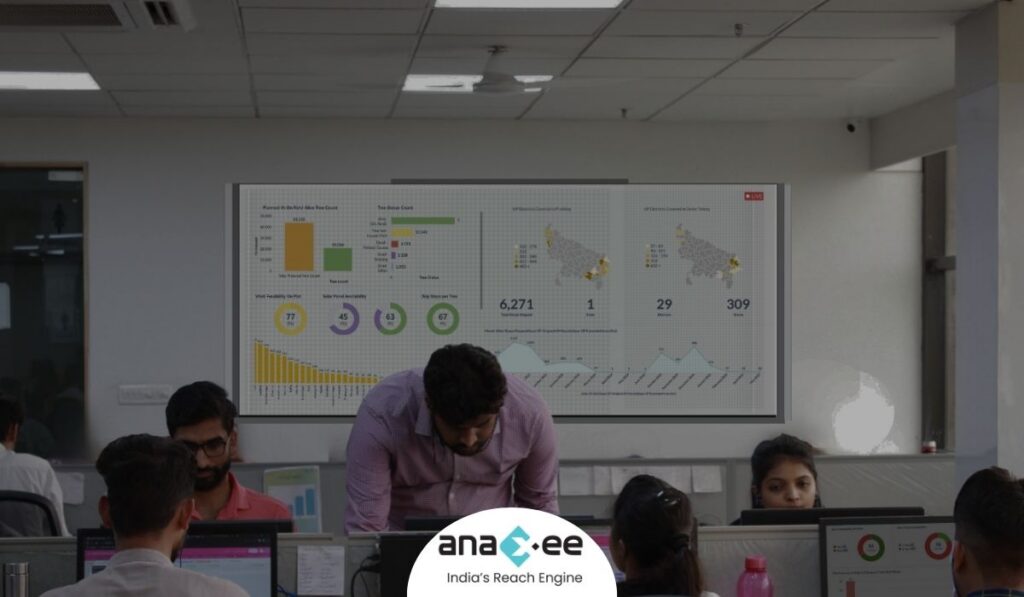
Across CAPI and CATI, the same tech layer is what makes the data trustworthy: on-screen scripting with skip logic keeps every interview consistent; geo-tag, timestamp and call recording tie each response to a real place and moment; and AI reads the field photos and flags the suspect records — interviews that ran too fast, impossible locations, duplicate entries — for re-verification. Because it all flows to a live dashboard, you watch coverage build by district and fix the sample or the script while the survey is still running. Paper offers none of this.
How Anaxee helps
Anaxee — India’s Reach Engine, a National Startup Award winner — runs field surveys and data collection in every mode, through 40,000+ Digital Runners and a telecalling command centre across 540 districts and 11,000+ pincodes, every response verifiable and on a live dashboard. See our CAPI and CATI surveys, large-scale field surveys and rural market research.
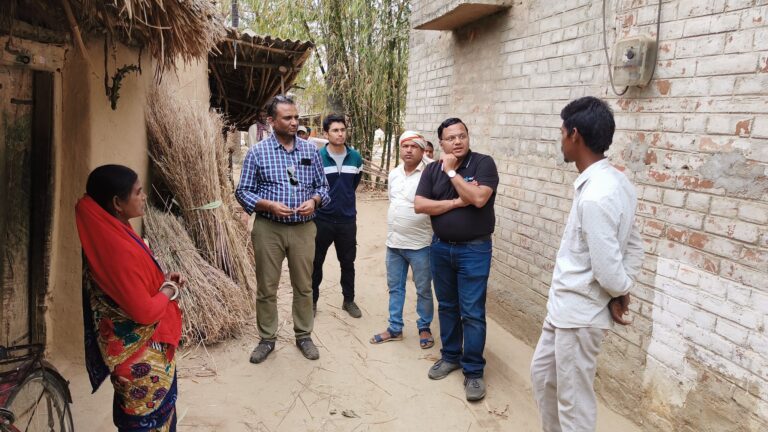
Proof — field & telephonic data at scaleVerified data collection — in person and on the phone — across all 26 states. See all case studies →
What happens when you reach out to Anaxee
- Tell us the study — the questions, the audience and the geography — by form, WhatsApp or a call.
- A real person calls back — our Indore team, within one working day.
- We recommend the mode mix — and scope a pilot, geo-tagged and QA-checked, on a dashboard you can open yourself.
A 150+ person team in Indore, a telecalling command centre and 40,000+ Digital Runners on the ground — people who run surveys every day, not an inbox that goes quiet.
Tell us about your survey
Share the questions and audience — our team will get back within one working day.
Frequently asked questions
What do CAPI, CATI and PAPI stand for?
Which is cheapest?
When should I still use face-to-face (CAPI)?
Is paper (PAPI) ever the right choice?
Can one study use more than one mode?
How do digital modes prevent fake responses?
The bottom line
There is no single best survey mode — only the right one for the study. Match the mode to who you need to reach, what must be captured, how fast and how verifiable it has to be, and most large studies land on a blend of CAPI and CATI. Get the mode right first, and everything downstream — the sample, the data, the decision — rests on solid ground.
Talk to Anaxee — whichever way is easiest