BLOG
CAPI Surveys in India: In-Person Field Data, Verified
 About Anaxee
40,000+ Digital Runners · 540 districts · 26 states · 11,000+ pincodes of reach
Some answers only exist on the ground. The farmer on no calling list, the kirana three turns down an unmarked lane, the household a phone survey never reaches — the data you most need is usually the data that takes a person to go and get. That is what a CAPI survey is for: a real interviewer, in person, capturing responses on an app.
The catch is the one that haunts all fieldwork — you cannot see it happen. An interviewer who sits under a tree and fills the form from imagination (curbstoning) hands you a clean-looking dataset that quietly leads every decision wrong. Anaxee runs CAPI — computer-assisted personal interviewing — with that risk designed out: every interview tied to a real place, a real time and a real photo.
When a CAPI survey is the right tool
CAPI + CATI: the hybrid advantage
Field and phone are not rivals — they cover each other’s blind spots. In-person CAPI is how you reach the unlisted, see what must be seen and go deep; a telephonic (CATI) survey is unbeatable for a fast, wide base. Most vendors do one or the other. Anaxee does both, and blends them in a single study — feet on the ground for the hard-to-reach tail and the parts that need a human eye, phone for the wide base — delivered as one dataset. That is the edge of a provider built for field data collection at national scale.
Need real in-person field data you can trust?
Anaxee runs CAPI field surveys — and blends them with telephonic — with geo-tagged, photo-verified capture and results on a dashboard you can open yourself.
How Anaxee runs it
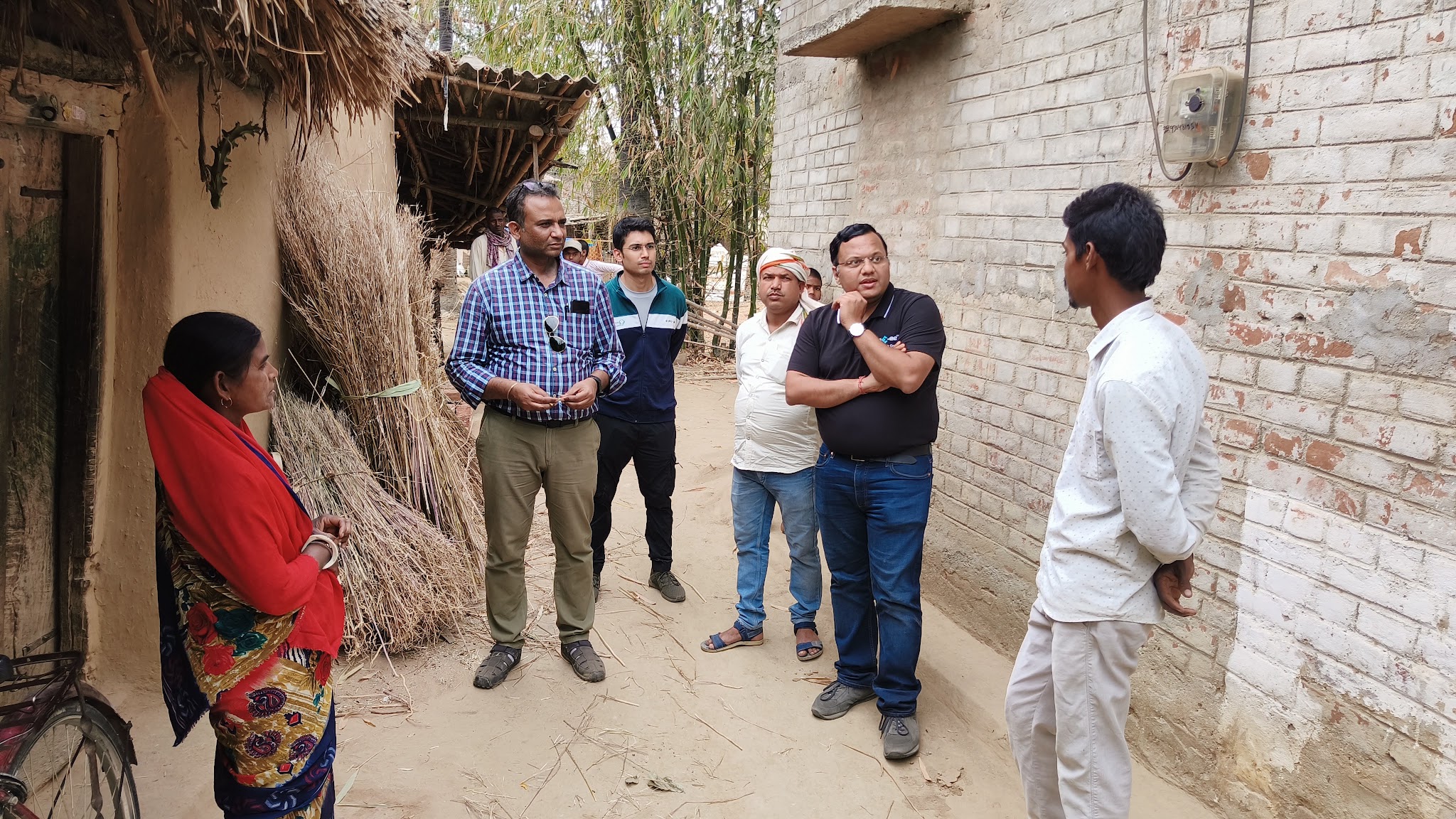
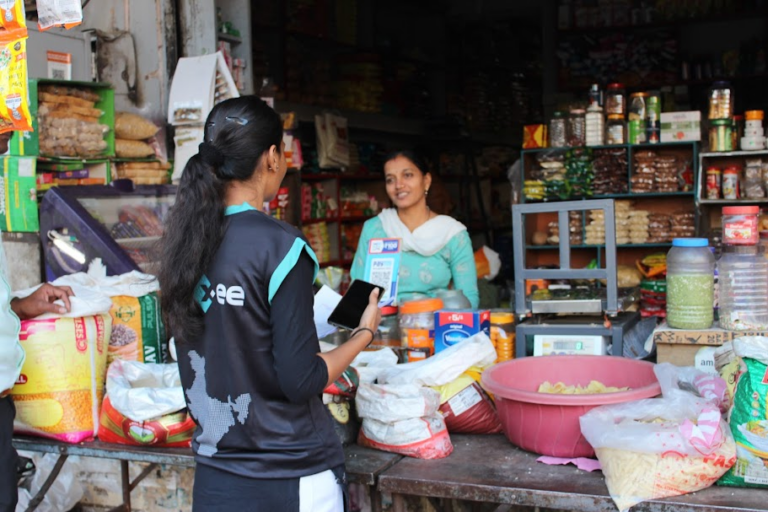
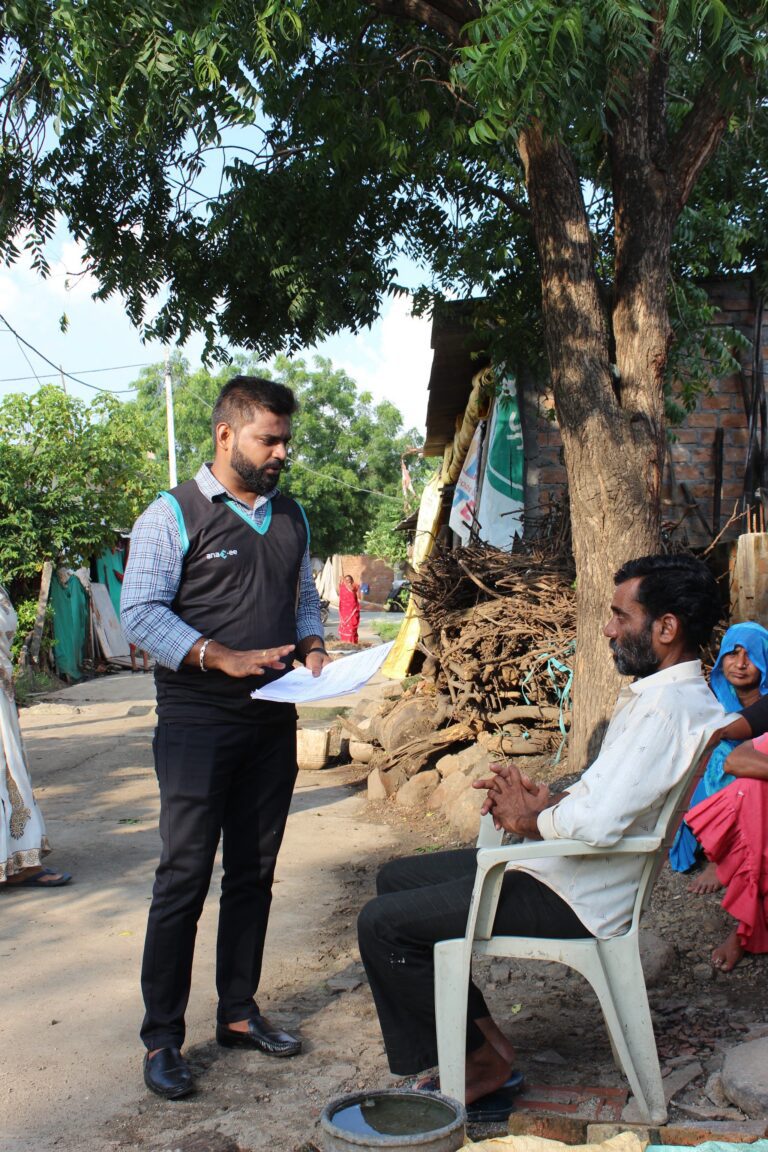
Anaxee runs CAPI through trained, local Digital Runners who already live in the districts you need — so interviews happen in the respondent’s own language, with someone the community trusts. Every visit runs off an on-screen script with skip logic, and each response is geo-tagged, time-stamped and photo-captured, so a ‘done’ is tied to a real shop or household at a real moment. A sample is back-checked, and when a study also needs the fast, phone-reachable base, the same project runs CATI alongside it — one provider, one dataset, on a live dashboard.
Where technology and AI change it
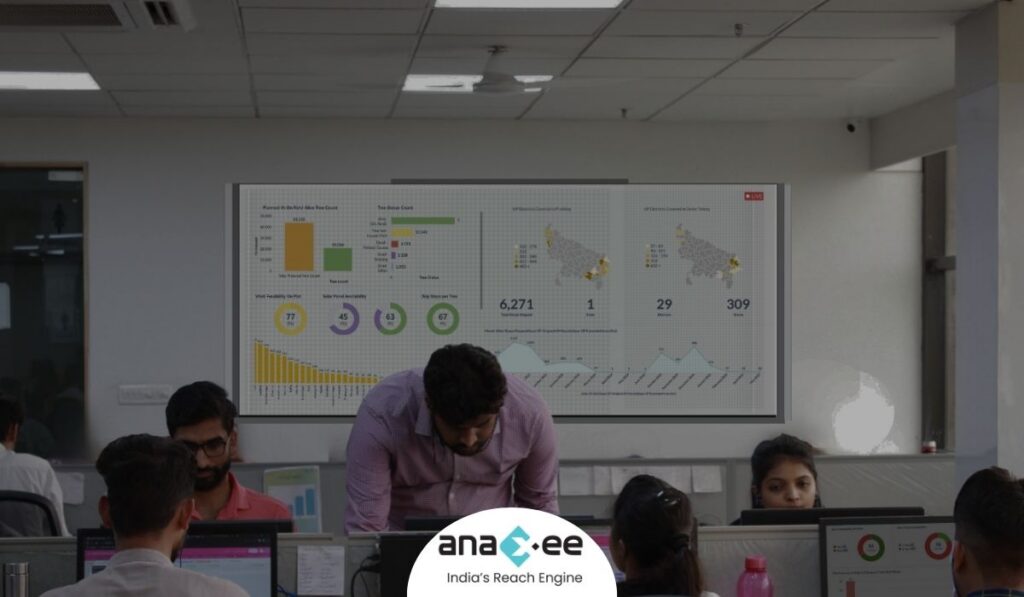
On-screen scripting and skip logic keep every interview consistent and complete. Geo-tag and timestamp tie each response to a real place and time, and the AI reads the photos — flagging the suspect visits (impossible GPS jumps, interviews that ran too fast, duplicate or recycled images) for re-verification. That is how curbstoning is caught before the data reaches you. Because the dashboard is live, you watch coverage fill in district by district and fix the sample or the script while the survey is still running.
How Anaxee helps
Anaxee — India’s Reach Engine, a National Startup Award winner — runs field surveys and data collection, in person and on the phone, through 40,000+ Digital Runners across 540 districts and 11,000+ pincodes, every response verifiable and on a live dashboard. See our large-scale field surveys, baseline & endline studies and rural market research, and our M&E data collection work.
Proof — in-person field data at scaleVerified data collection — in person and on the phone — across all 26 states. See all case studies →
What happens when you reach out to Anaxee
- Tell us the survey — the questions, the audience and the geography — by form, WhatsApp or a call.
- A real person calls back — our Indore team, within one working day.
- We scope a pilot — a sample run of field interviews, geo-tagged and QA-checked, delivered as a dashboard you can open yourself.
A 150+ person team in Indore and 40,000+ Digital Runners on the ground — your enquiry reaches people who run surveys every day, not an inbox that goes quiet.
Tell us about your survey
Share the questions and audience — our team will get back within one working day.
Frequently asked questions
What is a CAPI survey?
CAPI or CATI — when should I use which?
How do you stop interviewers faking responses (curbstoning)?
Which languages can you interview in?
Can you reach remote and rural areas?
Can you combine CAPI and CATI in one study?
How large can you go, and what does it cost?
The bottom line
When the answer lives on the ground, the only honest way to get it is to send a real person — and to prove they went. Anaxee runs CAPI field surveys with geo-tag, timestamp, photo and back-checks built in, and blends them with telephonic when a study needs both. Deep where only a visit will do, fast where the phone wins, verified either way, and on a dashboard you can open yourself.
Talk to Anaxee — whichever way is easiest