Data Collection Form & Format: A Free Template You Can Adapt
Nov 9 2026
Quick answer: A data collection form (or format) is the structured template your team fills for every record – the fields, in order, that make the data consistent and verifiable. A good one always has five things beyond the questions themselves: visit metadata, respondent details, the core questions, observation/verification, and quality checks. Below is a free, ready-to-adapt template you can download, plus how Anaxee runs it at scale.
About Anaxee
40,000+ Digital Runners · 540 districts · 26 states · 11,000+ pincodes of reach
★ Winner, National Startup Award (Govt. of India)Millions of verified field data points collectedIndia’s Reach Engine since 2016
Most data problems are born on the form. If the template is vague, inconsistent, or missing the fields that prove a record is real, no amount of analysis later will fix it. A good data collection format is what makes thousands of records, gathered by different people in different places, actually add up.
This page shows what a solid data collection form should contain, gives you a free template to adapt, and explains how to design one that returns clean data – the kind Anaxee has built for projects reaching millions.
What a good data collection form includes
Whatever you are collecting, the structure is the same. Six blocks:
1. Visit metadata. Project code, date and time, collector ID, GPS location and consent – the context that makes a record traceable.
2. Respondent / entity details. Who or what the record is about – name, location (village, district, state, pincode), type or category.
3. Core questions. Your actual data – kept mostly closed-ended (fixed options) so it stays consistent and easy to analyse.
4. Observation & verification. A photo, the condition observed, any measurement – the proof that the visit really happened.
5. Quality checks. A back-check reference, collector remarks and a data-quality flag – so a sample can be re-verified.
6. Close. Notes and whether follow-up is needed.
Get the free Data Collection Form Template
A ready structure (all six blocks, with sample fields and design tips) you can copy into any tool or the Anaxee Partner app. We email it to you in about 20 seconds.
How to design a form that gives clean data
The template is a starting point; these rules decide whether the data is usable:
Closed over open. Fixed options wherever possible – they are faster to fill and far cleaner to analyse than free text.
Skip-logic. Show each respondent only the questions that apply, so the form stays short and relevant.
Validation at entry. Required fields and number ranges catch errors on the spot, not weeks later.
Geo-tag, timestamp & photo on every record. The single biggest upgrade to data quality – it proves each record was collected where and when it claims.
Pilot it first. Run the form with a handful of records before the full collection – you will always find a confusing question.
From a form to a finished dataset
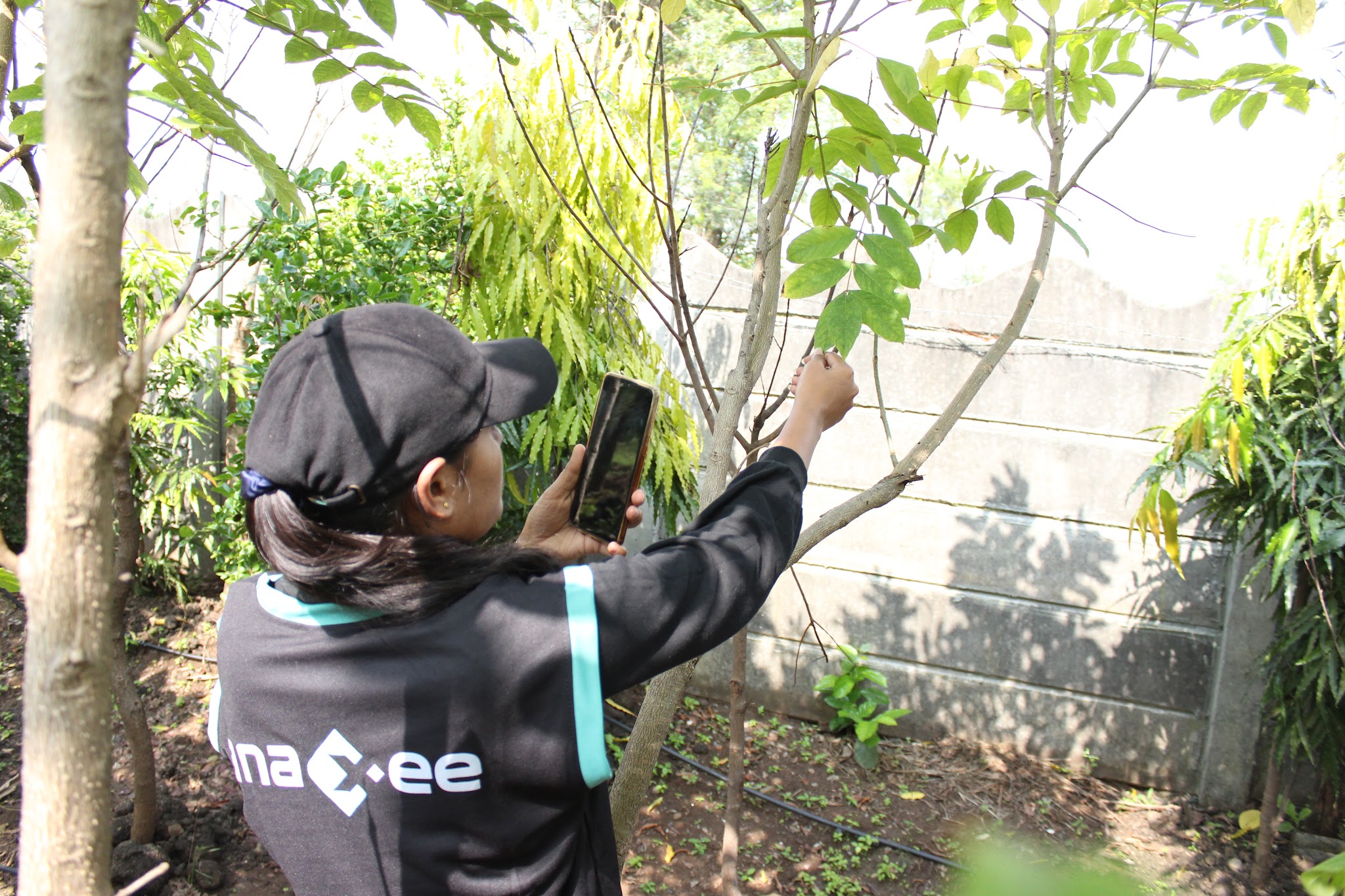
A format is step one. Turning it into a clean, verified dataset across India takes the field force, the technology and the quality control behind it – see data collection and why an app alone isn’t enough. Anaxee runs your form two ways: fully managed by our 40,000+ field executives, or on the Anaxee Partner app for your own team – offline capture, geo-tag, photo, in-app training, payments and a live dashboard. Collecting household data? See the household survey format too.
Want your form run across India – and verified?
Tell us what to collect and where, and we’ll turn your format into a verified dataset on a live dashboard – managed, or on our app for your own team.
A data collection form (or format) is the structured template a collector fills for each record, so data gathered by many people in many places stays consistent and verifiable. It covers visit metadata, respondent details, the core questions, observation/verification and quality checks.
What should a data collection format include?
Six blocks: visit metadata (project, date, collector, GPS, consent), respondent/entity details, core questions (mostly closed-ended), observation and verification (photo, condition), quality checks (back-check, flag), and a close (notes, follow-up). Download the free template above for the full structure.
What is the difference between a data collection form and a questionnaire?
A questionnaire is the set of questions you ask; a data collection form is the complete template around it – including the metadata, verification and quality fields that make each record traceable and trustworthy, not just the questions.
Can I get a free data collection form template?
Yes – use the form above and we will email you Anaxee’s Universal Data Collection Form Template (all six blocks with sample fields and design tips) that you can adapt to any project.
How do you keep form data clean at scale?
Closed questions, skip-logic and entry validation in the form; geo-tag, timestamp and photo on every record; and a back-office that back-checks a sample and re-verifies flagged records – see why an app alone isn’t enough.
The bottom line
Good data starts with a good form. Build the six blocks, keep questions closed and short, and make every record prove itself with a geo-tag, timestamp and photo. Grab the free template above to start – and when you need it collected and verified across India, Anaxee brings the field force, the app and the quality control.
Govind Agrawal is the Founder & CEO of Anaxee Digital Runners — India’s Reach Engine. He writes on last-mile reach across Bharat, go-to-market, field data and climate-tech execution.
 About Anaxee