BLOG
Data Collection in India: Methods, Types & How to Collect Reliable Field Data
 About Anaxee
40,000+ Digital Runners · 540 districts · 26 states · 11,000+ pincodes of reach
Data collection is the first and most important step in any research, business or development project: without reliable data, every analysis and decision after it is built on sand. This guide explains what data collection is, the main types and methods, how the process works, and – the part most guides skip – how you actually collect trustworthy primary data on the ground in India, where the information you need is spread across hundreds of thousands of villages and towns.
What is data collection?
Data collection is the systematic process of gathering, measuring and recording information on variables of interest, in an established and verifiable way, so you can answer research questions, test a hypothesis or guide a decision. The emphasis is on systematic and verifiable: a number is only useful if you know how, where and when it was collected, and can trust that it is real. Good data collection is defined as much by its quality controls as by the information itself.
Types of data
Before you collect, it helps to know what kind of data you are after – it decides your method.
Data collection methods
There is no single best method – you choose by the data you need, the people you are reaching, and the scale. The main methods:
The data collection process, step by step
- Plan. Define the question, the variables, the sample and the quality bar – what counts as a valid record.
- Design the instrument. Build the questionnaire or form, with skip-logic, validation and clear definitions.
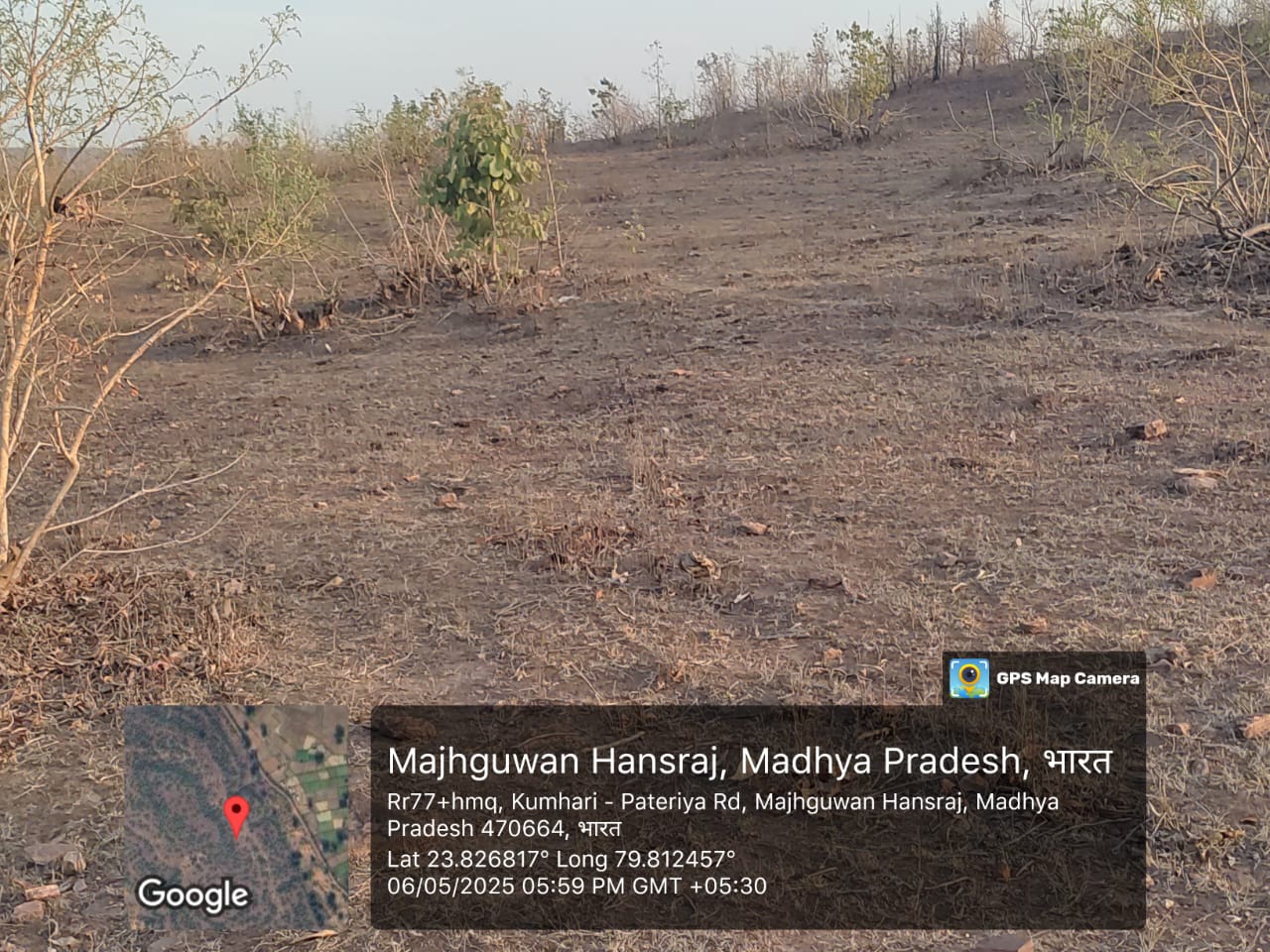
- Collect. Gather the data in the field or remotely, geo-tagged and time-stamped so every record is traceable.
- Quality-check. Back-check a sample, flag anomalies, re-verify what does not add up – before the data is used.
- Clean & analyse. De-duplicate, structure and turn verified records into answers and decisions.
Primary vs secondary: which do you need?
Secondary data is the right place to start – it is fast, cheap and often enough for background. But the moment your decision rests on something current, specific or local – how many shops in this district stock your brand, whether these trees are alive, what these households actually earn – secondary data runs out, and you need primary data collected in the field. That is where most Indian projects get hard, and where collection quality makes or breaks the result.
Collecting primary data at scale in India
Collecting a few hundred data points is easy. Collecting hundreds of thousands, reliably, across a country of 650,000 villages is a different problem – and you have three ways to solve it.
Build your own team
Hire & manage field staff
Full control, but slow to recruit, costly to carry, hard to supervise across districts, and you build the tech and QC yourself.
Best for
A small, permanent collection team in one area.
A survey tool / panel
Self-serve app or online panel
Fast and cheap for digital respondents, but misses offline Bharat and gives little control over who really answered.
Best for
Quick, urban, digitally-reachable samples.
Managed field collection (Anaxee)
On-demand network + tech + QC
A ready field force that collects, verifies and dashboards data task-by-task across 540 districts. Pay per verified record.
Best for
Large, spread-out, offline primary data that must be trusted.
How Anaxee collects data you can trust
Anaxee does not hand you a spreadsheet and hope – it delivers verified data. Five layers sit on every collection project:
What data Anaxee collects
- Surveys & research – large-scale field surveys, household surveys, market research, M&E and evaluation.
- Retail & shop data – shop data collection, outlet mapping, retail audits.
- Agri & farmer data – farmer profiling, crop and yield data, plot verification.
- Verification & asset data – site, asset and CSR/impact verification, document and record checks.
Need primary data collected across India – and verified?
Tell us what to collect, where and how much, and we’ll run it on our 540-district network – geo-tagged, quality-checked, on a live dashboard. Pay per verified record.
Where technology and AI change data collection
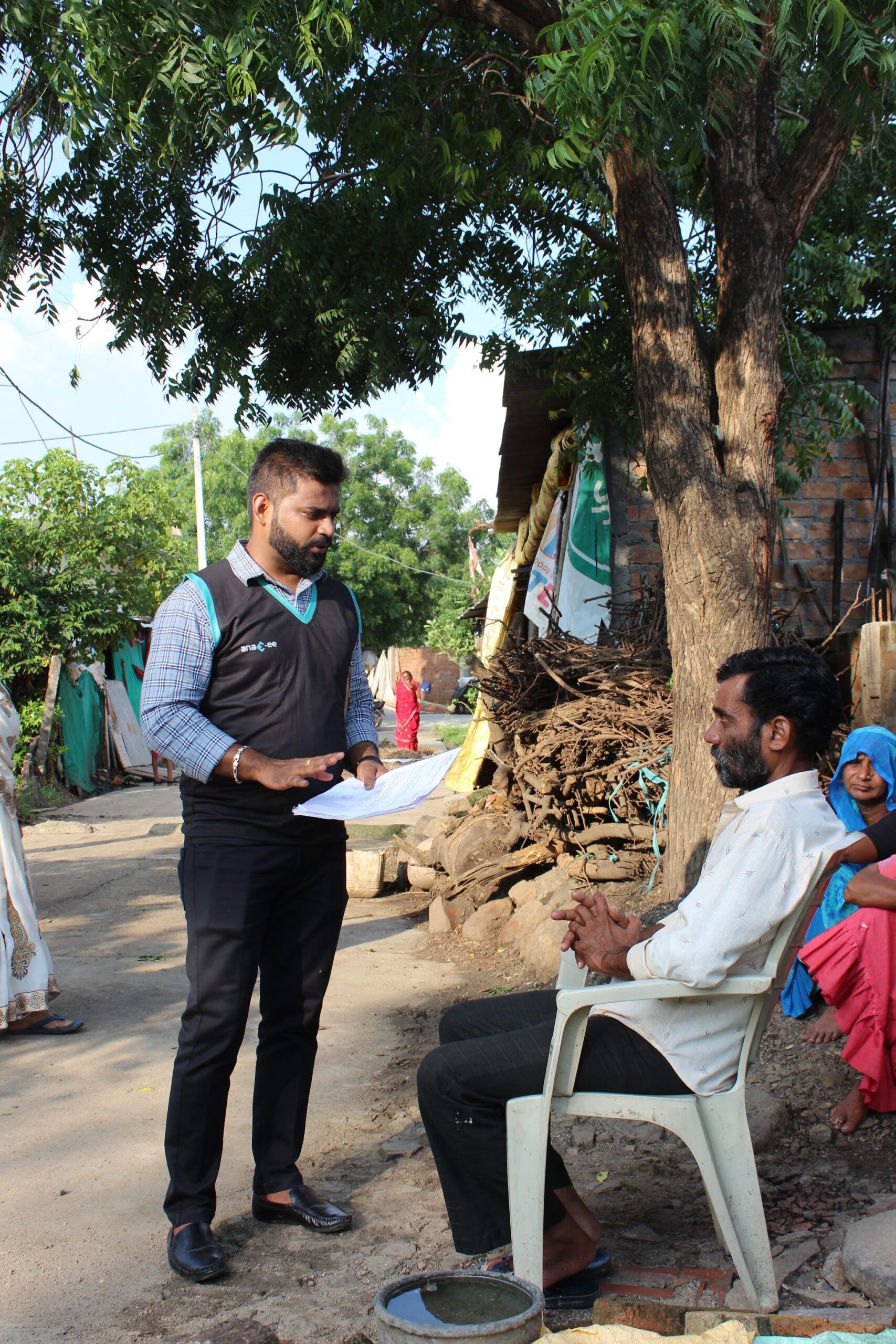
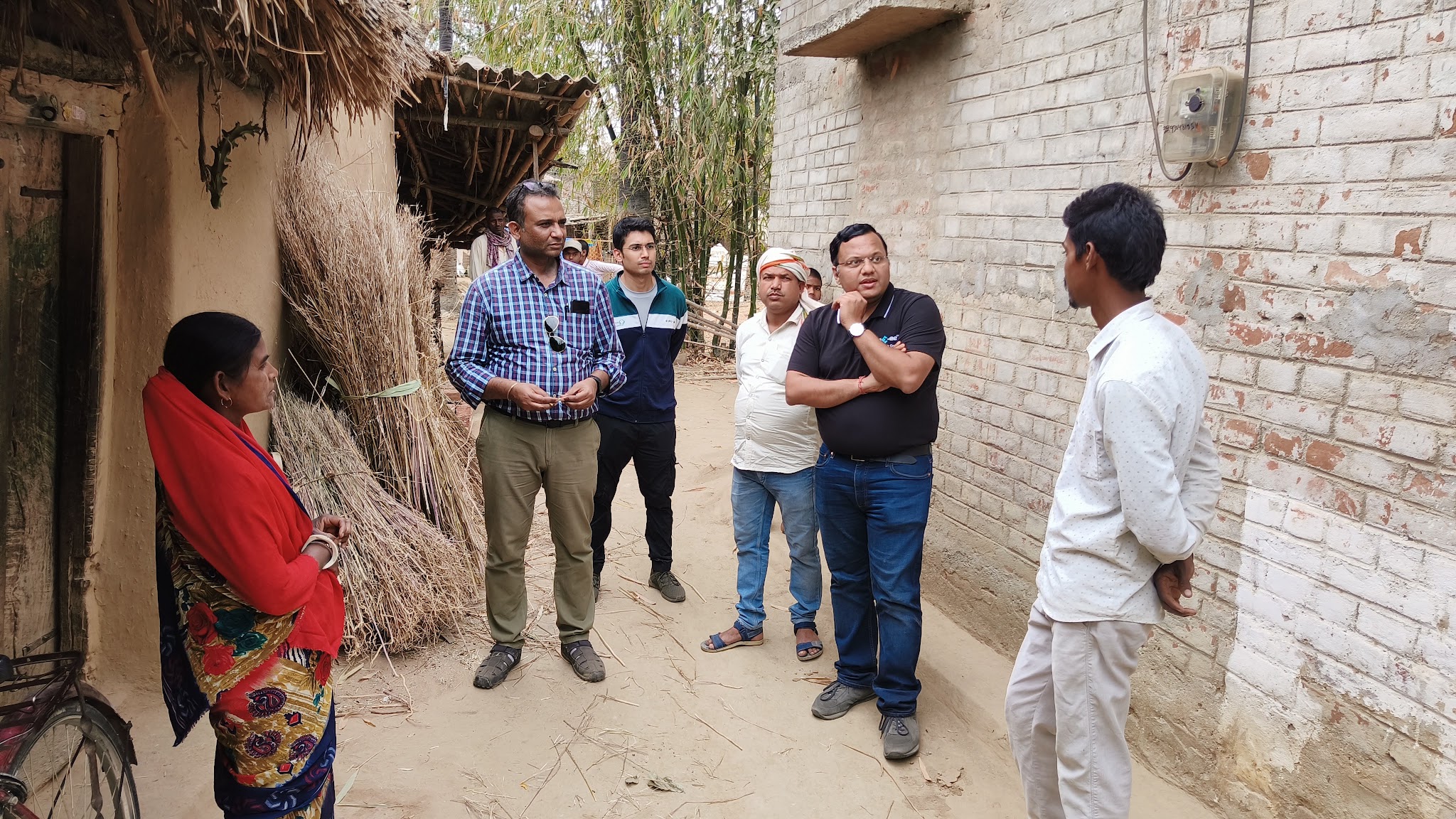
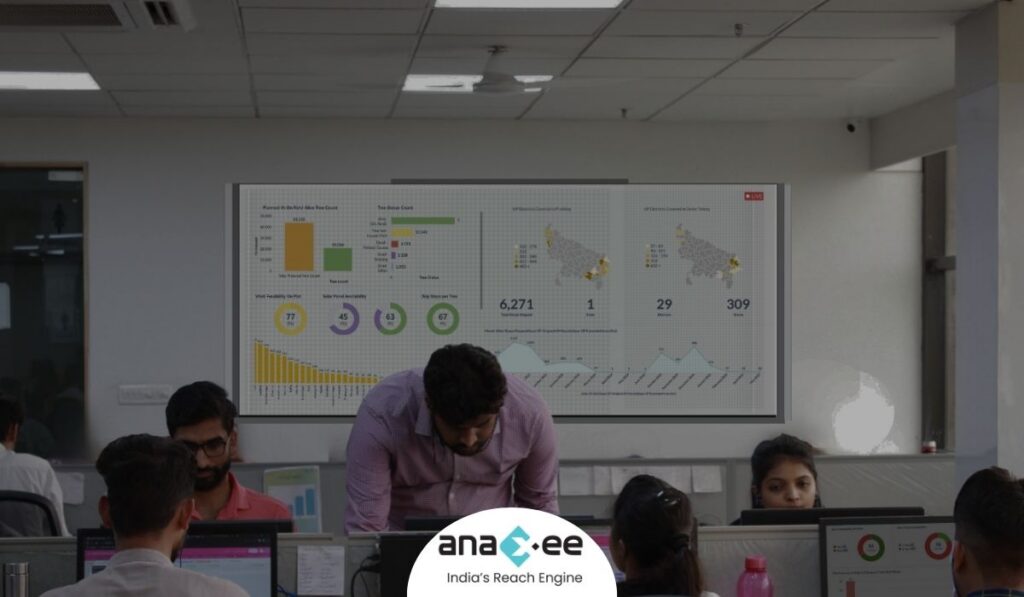
The old worry with field data collection was trust – did the enumerator really visit, really ask, really record what the shop said? Technology settles it, and it is why Anaxee is a technology company that fields people, not a labour contractor. Every record carries GPS, a timestamp, a photo and the data itself, tied to a real person and place. AI reads the field photos and records and flags what does not add up – impossible locations, duplicates, surveys filled too fast – for re-verification, and scores enumerator productivity. It all lands on a live dashboard wired into your systems. That is how you collect data across hundreds of districts without losing sight of a single record – see how Anaxee delivers. And in an age of synthetic data, this real, verified ground-truth is exactly what AI-generated data cannot replace.
How Anaxee helps
Anaxee – India’s Reach Engine, a National Startup Award winner – is the field data collection layer for brands, institutions and governments: an on-demand network of 40,000+ Digital Runners across 540 districts, collecting verified primary data – surveys, retail, agri, verification – with the technology, back office, training and quality control in one place, on a live dashboard. Use it as software (the Anaxee Partner app) for your own team, or fully managed by our network. Start with large-scale field surveys or household surveys.
Proof – data collected at scalePrimary data collected and verified on the ground, across India. See all case studies →
What happens when you reach out to Anaxee
- Tell us what to collect – the data, the geography and the volume – by form, WhatsApp or a call.
- A real person calls back – our Indore team, within one working day.
- We collect a pilot – verified, geo-tagged data from a district or two, on a dashboard you can open yourself.
A 150+ person team in Indore, a telecalling command centre and 40,000+ field executives on the ground – data collected and verified, not just promised.
Tell us about your data collection project
Share what to collect, where and how much – our team will get back within one working day.
Frequently asked questions
What is data collection?
What are the 5 methods of data collection?
What are the four types of data collection?
What is the difference between primary and secondary data?
How do you ensure data collection quality?
Who does field data collection in India?
The bottom line
Data collection is simple to define and hard to do well – and in India, the hardest part is collecting trustworthy primary data across a country too big and too offline to reach from a desk. Know your types and methods, follow the process, and for ground-truth at scale, use a managed, tech-run field network that verifies every record. Define the question; we’ll bring the data.
Talk to Anaxee – whichever way is easiest