BLOG
GTM Is Not a Campaign – It’s a Fitness Journey
 About Anaxee
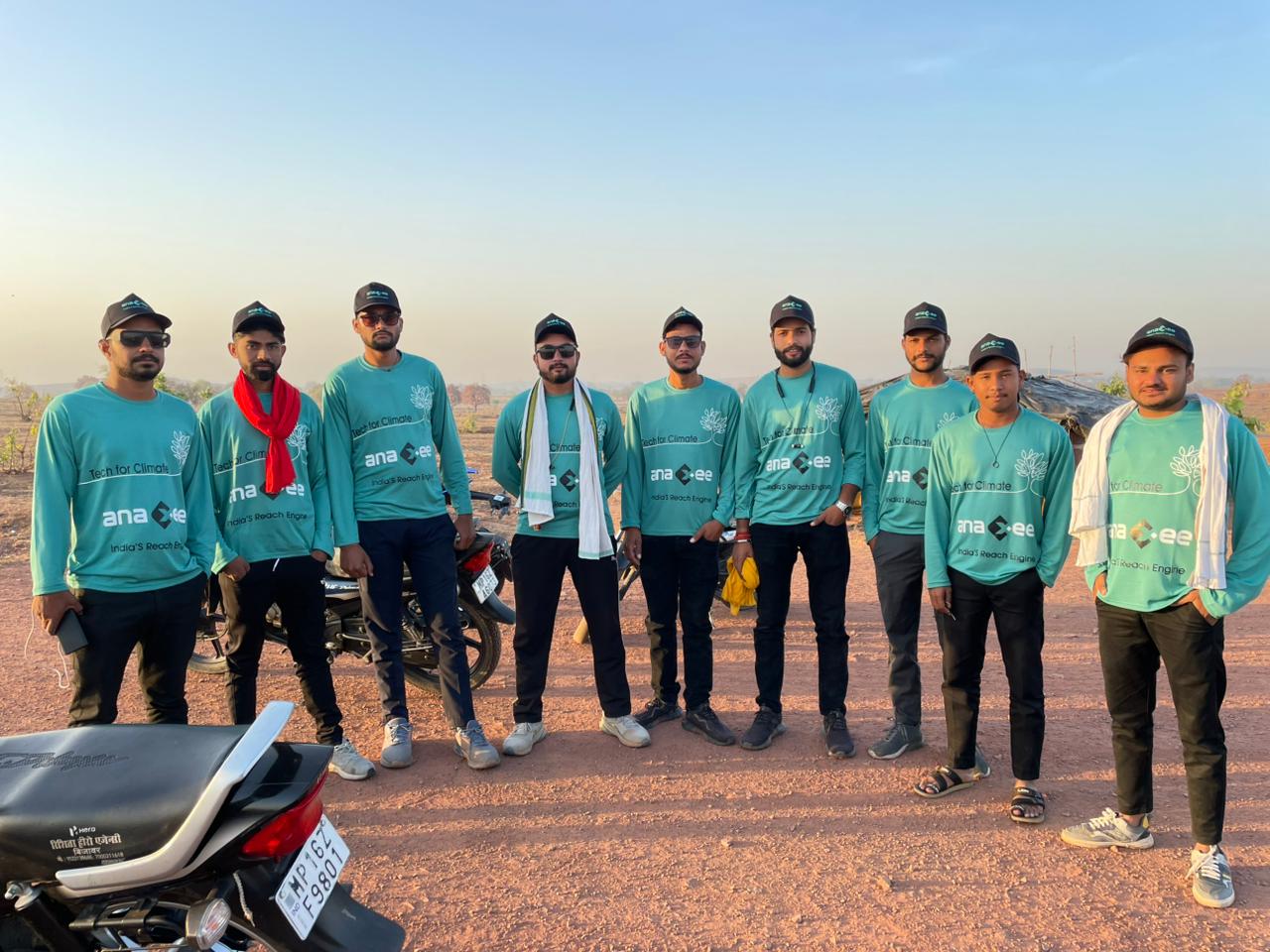
40,000+ Digital Runners · 540 districts · 26 states · 11,000+ pincodes of reach
If someone sold you a pill for instant six-pack abs, you already know how that ends. Go-to-market works exactly the same way. Brands keep treating GTM like a campaign — a big launch, a burst of visits, a quarter of spend — and then wonder why the numbers sag the moment the push stops. GTM is not a campaign. It is a body you build, district by district, and it only gets strong with consistent training.
Muscle is not built in a month
Nobody expects to walk into a gym and leave stronger that evening. Strength is the sum of hundreds of ordinary sessions, most of which feel like nothing is happening. Then one day the results are undeniable. A market behaves the same way: the first month of field work looks like very little, the first year builds real momentum, and by year three you are the brand the retailer reaches for first.
Same market, same effort — compounding returns, if you keep showing up.
The effort in month one and the effort in year three can look identical from the outside — a runner walking into a shop, taking an order, checking stock. What changes is everything underneath: the retailer now trusts you, the distributor now rotates your stock, the route now runs like clockwork. That is compounding, and it is the whole game.
The five systems that have to work together
Here is why GTM cannot be rushed: like the body, a market is not one thing. It is five systems that each take time, and no amount of effort in one makes up for neglect in another.
Metabolism
Distributor health
Wrong incentives, credit misuse or slow stock rotation block everything downstream. Add a sales team on top of a broken distributor and results still will not show.
Daily workout
Local sales discipline
Beat plans, route discipline, retailer follow-ups, issue resolution. One intense push changes nothing; consistency does. Miss two or three weeks in a district and progress slides back.
Muscle building
Retailer trust
Built slowly, lost fast. Trust grows only when promises are kept repeatedly, problems are solved locally, and someone shows up even when the order is small.
Diet discipline
Deliveries and service
Late deliveries, partial fulfilment, wrong SKUs and inconsistent pricing quietly undo every bit of selling effort. You cannot out-train a bad diet.
Sleep and recovery
Credit and collections
Poor credit hygiene creates fragile growth and hidden defaults. Expansion without healthy recovery is how a strong-looking market quietly breaks down.
The point
They only work together
Fix one and ignore the rest and the body still does not change. A market gets strong only when all five improve, district by district, month after month.
The district-by-district timeline
Every district is its own training programme. You cannot copy-paste month twelve of one market onto day one of the next — each starts from its own baseline. But the shape of the journey is consistent:
Stop training, and the gains reverse
This is the part most brands get wrong. Pausing GTM to save cost is not saving — it is detraining. Skip the gym for three months and the muscle softens; pull your field team out of a district for a quarter and retailer trust cools, shelves empty, and the distributor quietly shifts attention to a brand that is still showing up. The worst part: you usually stop right when the compounding was about to show. Quitting early does not bank the savings; it forfeits the returns on everything you already spent.
How Anaxee makes the training consistent
Consistency is hard precisely because it is boring and relentless. That is where a managed, tech-tracked field engine earns its place. Anaxee — India’s Reach Engine, a National Startup Award winner working with 350+ brands — runs the daily reps so your market keeps getting stronger whether or not head office is watching:
Proof — consistent field execution at scaleOn-ground across 540 districts, every visit geo-tagged and verified. See all case studies →
Ready to train your market, not just launch at it?
Anaxee runs consistent, tech-tracked GTM across 540 districts — and shows you the progress every week.
The real question
Are your numbers limited by what the market can give — or by the fact that no one is in the gym when head office stops watching? Campaign GTM looks good on a slide and fades on the ground. Managed GTM is the load-bearing version: built in sequence, trained consistently, measured honestly. That is how a market gets strong and stays strong.
Frequently asked questions
How long does go-to-market really take in India?
Why is GTM a slow, long-term process and not a one-time project?
What happens if we pause GTM to cut costs?
How is this different from just hiring a field sales team?