BLOG
Mafatlal Sustainable Cotton & Textiles — OEKO-TEX, Heritage Mill
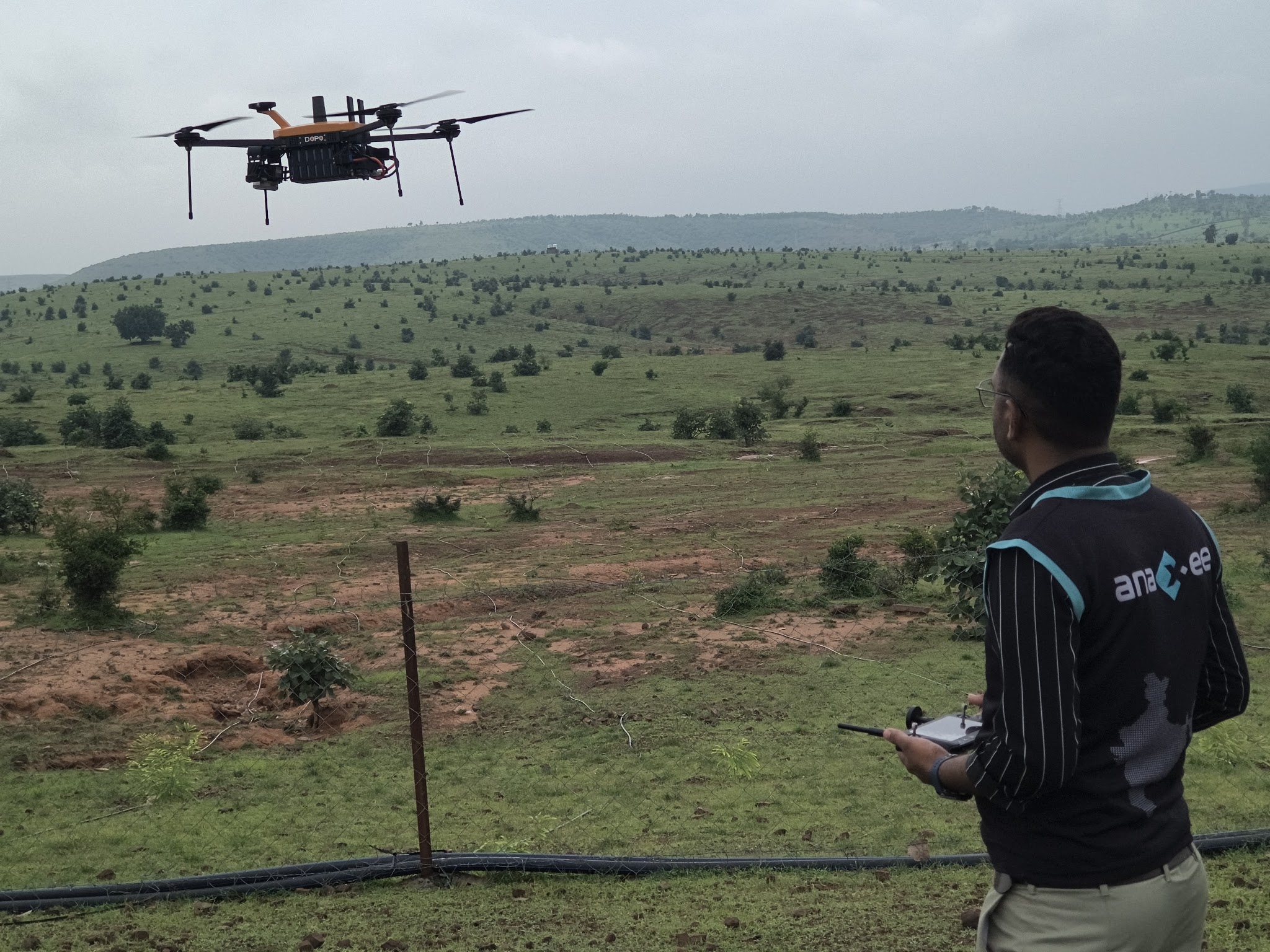
If you are researching how India’s heritage fabric houses approach sustainability, Mafatlal is a useful case — a century-old textile manufacturer whose published sustainability work sits in the factory (energy, water, emissions) and whose products carry OEKO-TEX certification. On sustainable cotton specifically, Mafatlal does not publish an organic or Better Cotton breakdown, which itself is useful to know. Below is a factual reference — who Mafatlal is, what it publishes, and how to read its cotton position — drawn entirely from Mafatlal’s own disclosures. We also explain, honestly, where an independent field-and-verification partner like Anaxee fits.
Who Mafatlal is in sustainable cotton
Mafatlal Industries Limited, part of the Arvind Mafatlal Group, is one of India’s oldest textile companies, with a legacy of more than 120 years. It makes mens’ and womens’ wear fabrics (suiting, shirting, trousering, voiles, rubia), uniforms, home furnishing (bed linen, towels), ready-to-stitch and speciality fabrics (flame-retardant, anti-static, Teflon-coated, anti-bacterial), sold through 200+ stores.
In sustainable cotton, Mafatlal’s role is that of a fabric manufacturer. Its public disclosures emphasise product quality and manufacturing sustainability rather than a named organic or Better Cotton programme — its textiles are OEKO-TEX certified, but it does not publish an organic-or-Better-Cotton share. So where a sustainable-cotton claim is needed, it is worth confirming at the order level.
What Mafatlal reports on sustainability
Mafatlal’s disclosures are organised by manufacturing area rather than by a cotton certificate. Each is distinct:
| Area | What it is | Mafatlal’s public role |
|---|---|---|
| Product certification (OEKO-TEX) | Tests finished textiles for harmful substances (a product-safety standard, not a farm standard). | Reports OEKO-TEX certified products and ISO 9001 quality standards (Mafatlal disclosure). |
| Renewable energy & emissions | Buying solar/wind power and running cogeneration to cut carbon. | Purchases renewable power; runs a 2.75 MW cogeneration plant; reports ~23,248 tonnes CO2 cut over five years (Mafatlal). |
| Water & effluent | Reducing freshwater use and treating wastewater before discharge. | Caustic and condensate recovery; ~25% lower wastewater (2021-22); a 5.2 MLD effluent treatment plant (Mafatlal). |
| Sustainable cotton (organic / BCI) | Farm-level certified cotton (organic, Better Cotton) with a published share. | Not publicly broken out in Mafatlal’s disclosures — confirm per order. |
Area descriptions: OEKO-TEX / general. Mafatlal roles: Mafatlal Industries sustainability & quality disclosures.
What Mafatlal publishes
These are drawn from Mafatlal’s own disclosures, each attributed to its source:
Why Mafatlal is a useful benchmark
Mafatlal shows the heritage fabric house’s position: strong on manufacturing sustainability and product-safety certification, lighter on published farm-level cotton claims. That is a useful reminder that ‘certified’ can mean different things — product safety, quality, or farm-level sustainability — and that the cotton-growing claim is the one most worth checking.
Where an independent field & verification layer fits
Anaxee is not affiliated with Mafatlal, and Mafatlal runs its own operations. But the Mafatlal case makes the point: a sustainable-cotton claim is a farm-level claim, separate from manufacturing or product-safety certificates, and it is only as strong as what can be verified upstream. For fabric houses, mills and brands that want independent assurance of what is actually happening in the field, Anaxee is the independent, tech-enabled field-execution and verification layer — reaching cotton farmers at scale, running the recurring season work, and producing geo-tagged, timestamped, photo-backed ground-truth to stand behind a claim.
Anaxee has no cotton to sell, so its data has nothing to flatter. It is not a Better Cotton member, not a certification body, and does not buy or sell cotton — it is the field and verification partner underneath the programme. Explore the model: cotton supply-chain verification · farm-to-gin traceability · Better Cotton field & verification partner.
Buying or defending a sustainable-cotton claim? If you need independent field execution and on-ground verification across India’s cotton belt — the recurring, season-by-season work behind the claim — let’s talk.
FAQ
Does Mafatlal make sustainable or organic cotton fabric?
What does OEKO-TEX certification mean?
What sustainability does Mafatlal report?
How should a buyer verify Mafatlal’s cotton claim?
Is Anaxee connected to Mafatlal?
