BLOG
Go-to-Market in Rural India: A Field Playbook for Reaching Bharat
 About Anaxee
40,000+ Digital Runners · 540 districts · 26 states · 11,000+ pincodes of reach
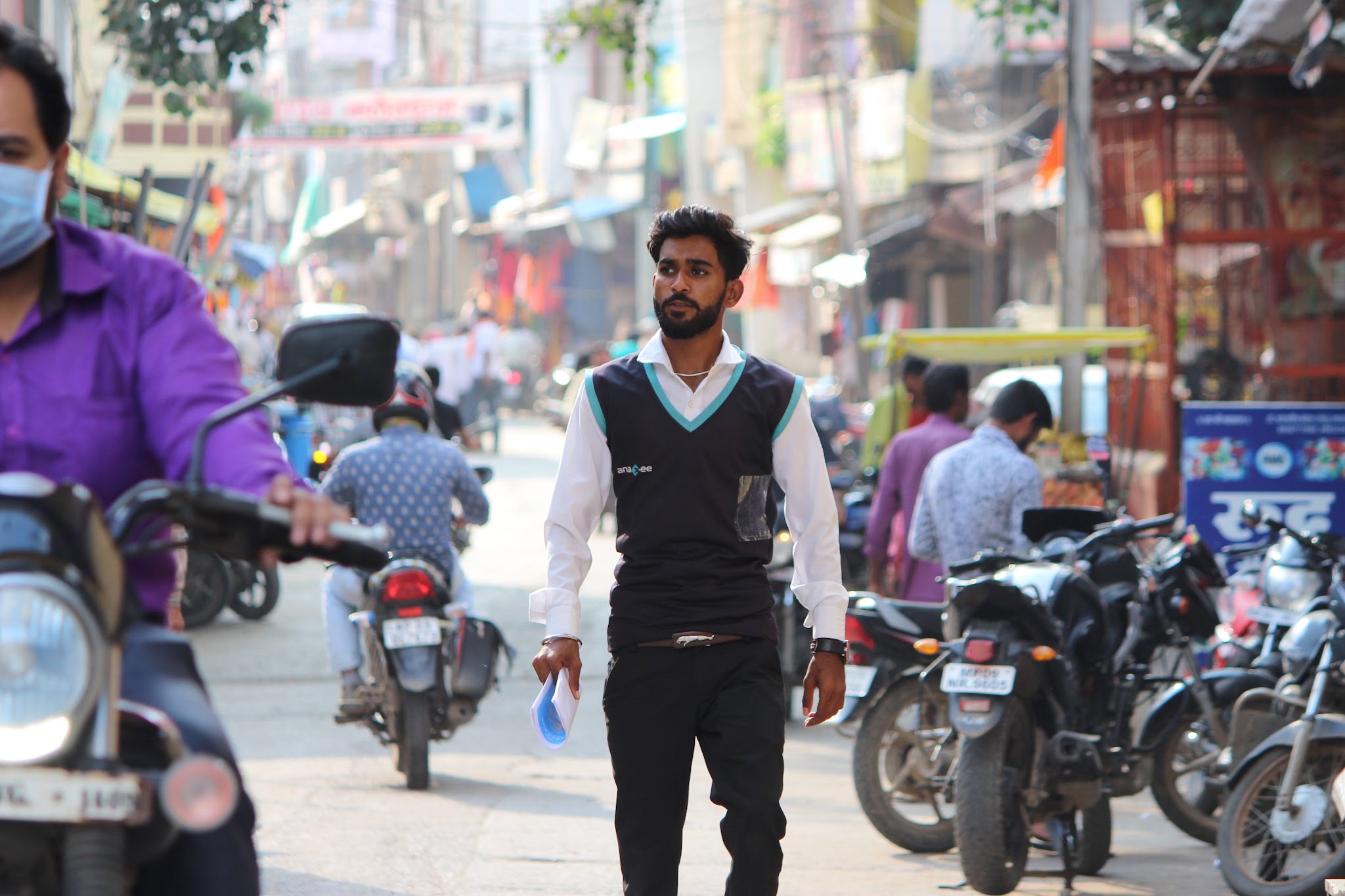
Most brands have a city playbook that works and a rural plan that is mostly hope. They run the campaign, light up the digital channels, appoint a distributor or two – and then wait for Bharat to behave like a metro. It does not. Rural India is not a smaller version of urban India; it is a different market with a different physics, and the thing that breaks is almost always the same: the last mile.
The last mile in rural India is physical. The shop that needs onboarding, the farmer who needs a demo, the household that needs to be surveyed, the scheme that needs a real person to explain it – none of that happens through a screen alone. This guide lays out what rural go-to-market actually takes, where the usual approaches stall, and how field execution and technology fit together.
The three jobs of rural GTM
Strip away the jargon and rural go-to-market is three jobs done in sequence – and most plans invest heavily in the middle one while neglecting the first and last, which is exactly why they underperform.
1. Map the market
Know the ground first
Where are the outlets, dealers, farmers, households? A verified, geo-tagged list of the actual market – not a guess from a city office.
Without it
You push product into a market you cannot see, and discover the gaps months later.
2. Activate & convert
Put it in front of them
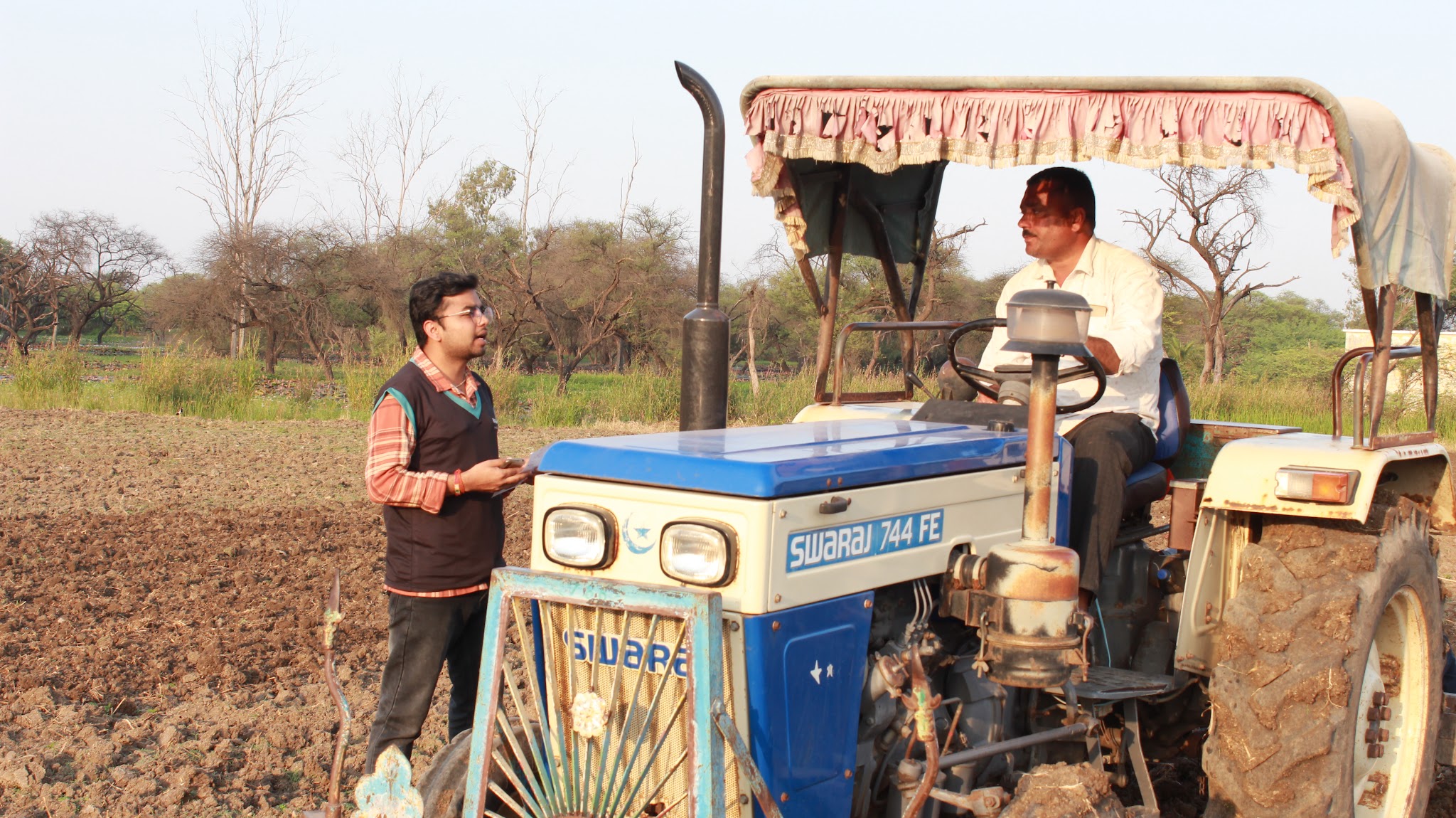
Onboard the shop, run the demo, generate and follow up the lead, explain the scheme – a real person, in the local language, on the ground.
Without it
Awareness goes up, nothing moves, and the campaign gets blamed.
3. Verify & learn
Prove it happened
Geo-tagged proof of every visit, feedback from the field, and a live view of coverage – so you fix the plan while it runs.
Without it
You pay for activity you cannot confirm and learn nothing for next time.
Why digital-only GTM stalls in Bharat
Digital is indispensable for awareness, and rural India is online – but a video view is not a sale, and an impression does not onboard a shop or demo a tractor. The further you get from a metro, the more the decision depends on a trusted person showing up in person: the retailer wants to be onboarded by someone who will come back, the farmer wants to see the machine work in his field, the household wants a human to explain the scheme. Digital opens the door; feet on the ground walk through it. A rural plan that is all screen and no street stalls at exactly the point where the money is made.
What rural GTM actually requires
The playbook: map, activate, verify – on one backbone
Put the three jobs together and the playbook is simple to state and hard to execute: map the real market with a geo-tagged survey, activate it with trained field people running onboarding, demos and lead follow-up in the local language, and verify every touch on a live dashboard – with digital and peer amplification carrying awareness ahead of the feet. The hard part is doing all three on one backbone, at national scale, without assembling a new field team for every project. That is the difference between a rural plan and a rural result.
Planning a push into rural India?
Anaxee runs the full field layer – mapping, activation and verification – across 540 districts, on a live dashboard. Tell us the market and we’ll scope the ground game.
Where technology and AI change it
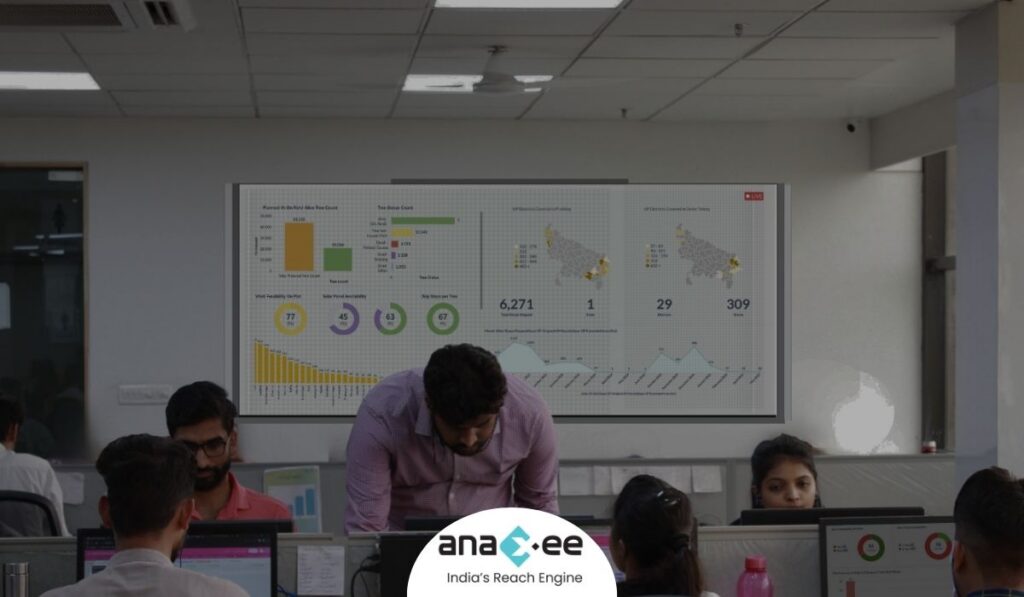
Field GTM used to mean trusting a distributor’s word and a stack of paper. Technology changes the economics of trust. Every visit runs on an app – beat route, the outlet or farmer, geo-tag, timestamp, photos, the order or lead – so each touch is tied to a real place and moment. AI reads the field photos and flags the visits that do not add up (impossible locations, duplicates, visits that ran too fast) for re-checking, so coverage numbers mean something. And because it all flows to a live dashboard, you see the market fill in by district and shift budget to what is working while the campaign is still live. That is the tech backbone under the feet on the ground.
How Anaxee helps
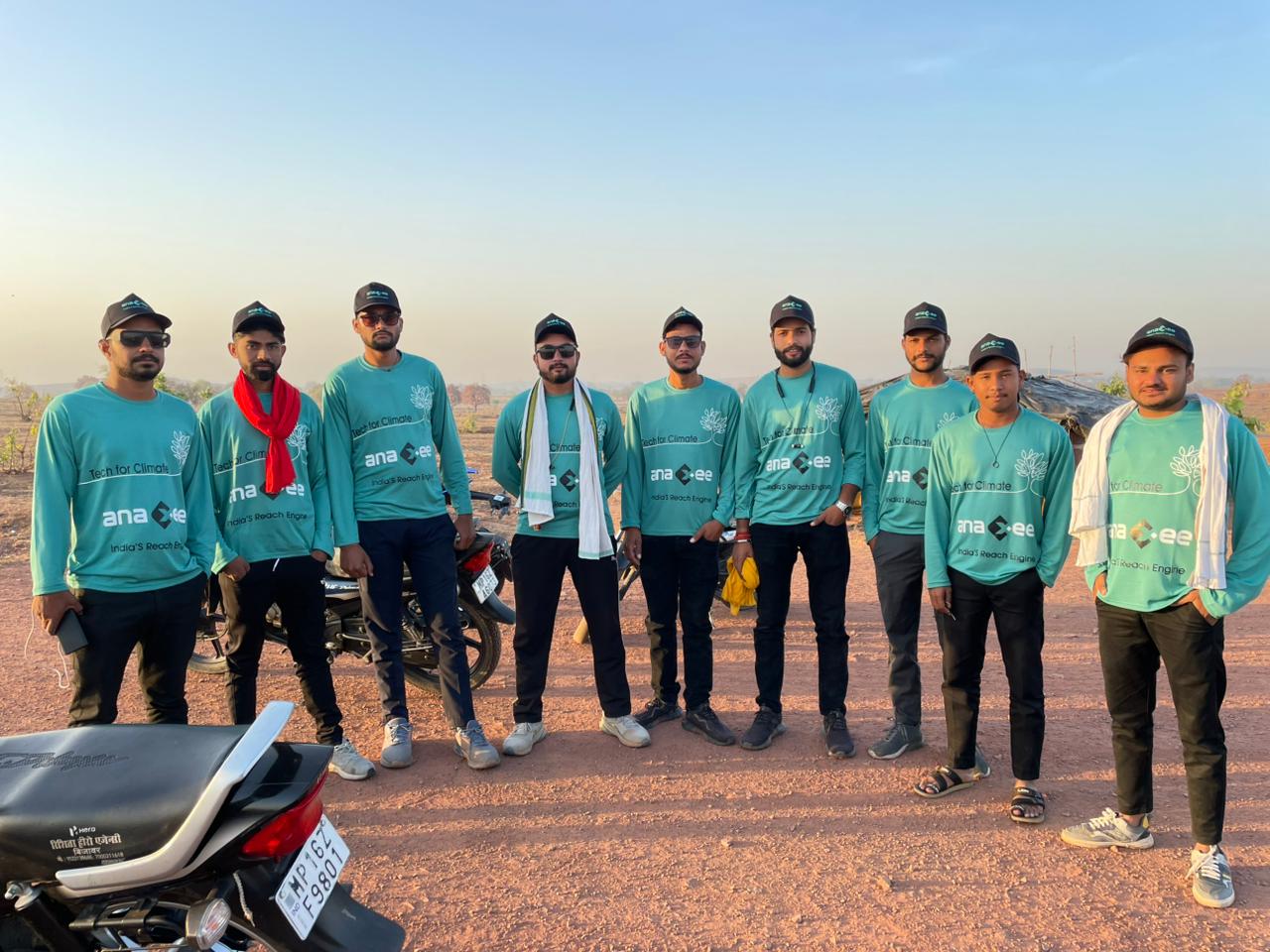
Anaxee – India’s Reach Engine, a National Startup Award winner – runs go-to-market and last-mile execution for consumer, durable, agri and automotive brands: market mapping, retail onboarding and shop surveys, demos and verified lead generation, agri field services, and peer amplification – through 40,000+ Digital Runners across 540 districts and 11,000+ pincodes, every touch verified and on a live dashboard. It also runs the market surveys that tell you where to play before you spend.
Proof – last-mile GTM at scaleVerified last-mile reach for brands – outlet by outlet, village by village, across all 26 states. See all case studies →
What happens when you reach out to Anaxee
- Tell us the market – the product, the geography and the goal – by form, WhatsApp or a call.
- A real person calls back – our Indore team, within one working day.
- We scope the ground game – map, activation and verification, with a geo-tagged pilot on a dashboard you can open yourself.
A 150+ person team in Indore and 40,000+ Digital Runners on the ground – a permanent last-mile network, not a team assembled for one campaign.
Tell us about your rural GTM push
Share the product and the geography – our team will get back within one working day.
Frequently asked questions
What does “go-to-market” mean for rural India specifically?
Why can’t we just run digital ads and appoint distributors?
How do you verify that field visits actually happened?
Which kinds of brands is this for?
How fast can a rural GTM programme start?
How does amplification fit with field execution?
The bottom line
Rural India rewards presence. The brands that win Bharat are not the ones with the loudest campaign – they are the ones who mapped the market, put trusted people in front of real customers, and verified every step. Treat rural go-to-market as a field operation with a tech backbone, do all three jobs on one system, and the last mile stops being where plans go to die and starts being where the growth is.
Talk to Anaxee – whichever way is easiest