BLOG
What Is Organic Cotton Certification in India? NPOP, GOTS, OCS & the OCA
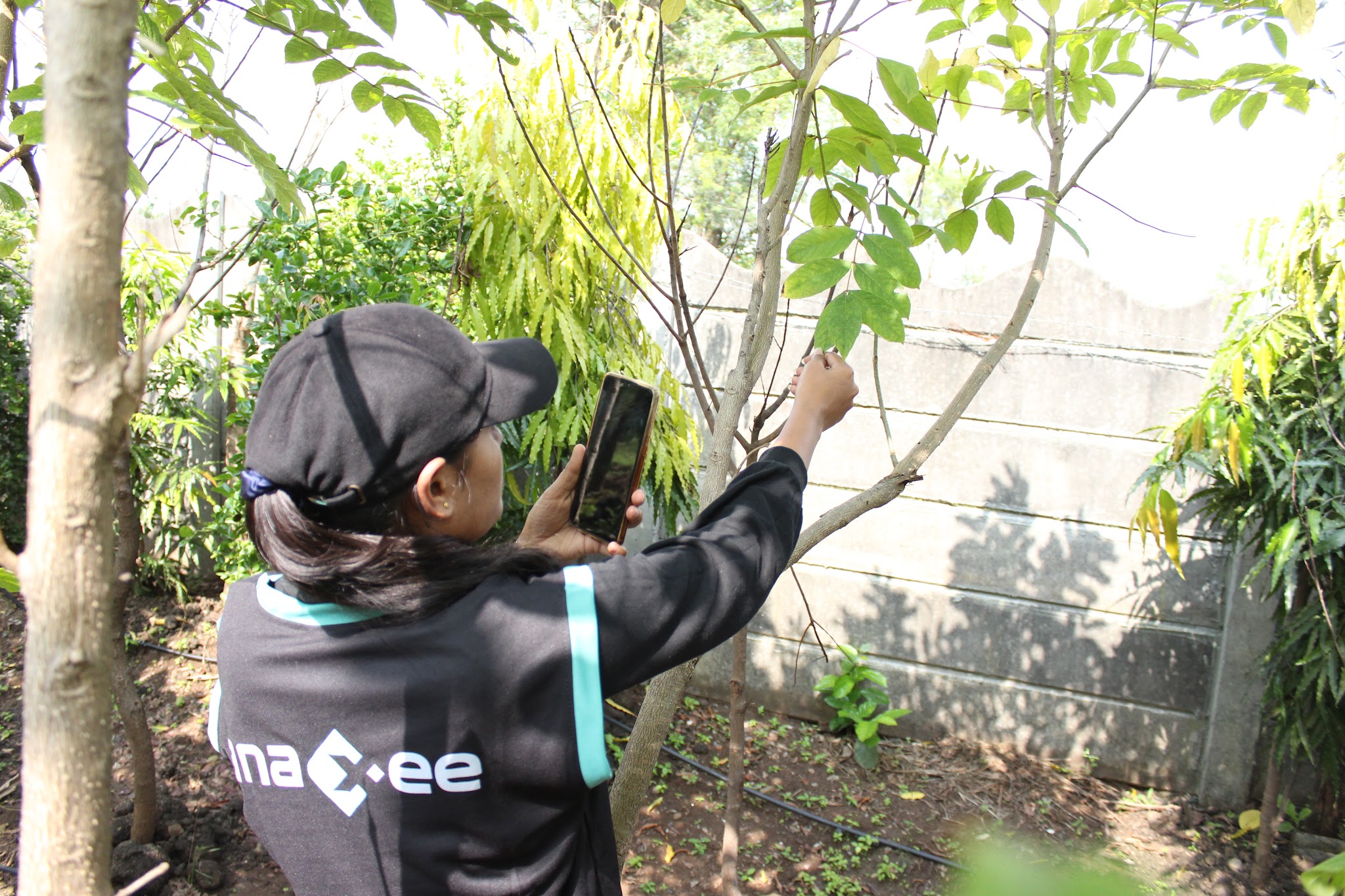
Organic cotton is cotton grown without synthetic pesticides or fertilisers, from non-GMO seed, under a certified organic system. But the word carries two very different promises. One is about the farm: were the practices genuinely organic? The other is about the supply chain: can you prove the organic fibre in a finished product actually came from those farms, and wasn’t diluted or swapped along the way? Different standards answer different halves of that question.
The three standards that matter in India
| Standard | What it certifies | Where it applies | Who runs it |
|---|---|---|---|
| NPOP | The farm and the crop — that cotton was grown organically, from seed through harvest | India (the national organic standard; recognised for organic produce) | APEDA, Govt. of India (via accredited certification bodies, on TraceNet) |
| GOTS | The whole processing chain — ginning, spinning, dyeing, making-up — plus environmental and social criteria, for products with a high certified-organic fibre content | Global, from fibre to finished product | Global Standard gGmbH, via approved certification bodies |
| OCS | The presence and amount of certified organic fibre, tracked by chain of custody from input to final product | Global, content-tracking (lighter than GOTS on processing/social criteria) | Textile Exchange, via approved certification bodies |
In practice they stack: NPOP (or an equivalent organic standard) certifies the farm, and then GOTS or OCS carries that organic claim down the supply chain. Since a December 2022 policy change, GOTS-certified material must be traceable back to the gin and carry the farm’s input transaction certificate — tightening the link between the certificate on a garment and the field it started in.
Who pulls it together: the Organic Cotton Accelerator (OCA)
Alongside the certifiers sits the Organic Cotton Accelerator — a multi-stakeholder initiative that works to make organic cotton farming viable at the source, funded by brand ‘Contributors’. Its Farm Programme invests in seed access, training, fair prices and farm-level data so that supply actually grows. OCA is not a certifier; it is the connective layer between farmers, certification bodies, brands and government — which is why its view of the 2025–26 season is worth reading closely.
What changed in 2025–26 — and why it matters
India strengthened its organic system through changes to NPOP and the rollout of TraceNet 2.0: more extensive farmer verification, geographic zoning of certification bodies, additional inspections and documentation, and new digital and operational requirements for farmer groups. The intent — stronger oversight and confidence — is the right direction. But several changes landed just before or during the cotton season, leaving producer groups and certification bodies little time to adapt.
The bottleneck wasn’t the farming — it was capacity to verify and document it: too few certification bodies for the volume of farmer groups, under new digital and data requirements, in too little time. That is the clearest possible illustration of a point this site keeps coming back to: a sustainable-cotton claim lives or dies on what can be proven in the field, continuously — not on intent.
Organic vs Better Cotton vs regenerative — where organic sits
Organic is the strictest input standard: no synthetic chemicals, non-GMO seed, third-party certified. Better Cotton is broader and more accessible but permits conventional inputs used responsibly. Regenagri and regenerative-organic standards go beyond inputs to measure outcomes — soil health, carbon, biodiversity — over time. They are not rivals so much as a ladder, and many companies run more than one. For a full side-by-side, see organic vs Better Cotton vs regenerative cotton.
Where Anaxee fits
Everything the 2025–26 disruption exposed — farmer verification, documentation, farm-level data, keeping a producer group ‘audit-ready’ — is field work. Anaxee is the independent, tech-enabled field-execution and verification layer that makes it continuous: registering farmers with verified identity, mapping plots, capturing geo-tagged and timestamped evidence, and holding a clean, exportable record per farmer and producer group — across 540 districts, 11,000+ pincodes and 26 states. Anaxee is not a certifier and does not buy or sell cotton; it provides the ground-truth and the digital readiness that organic certification now demands.
- Farmers and plots registered with verified identity and geo-tagged boundaries — the backbone of farmer verification and traceability to the gin.
- Every visit and check captured — geo-tagged, timestamped, photo-backed — so the documentation a new audit regime asks for already exists.
- A clean digital record per producer group — ready for TraceNet-style requirements, and ready to hand to the certification body.
- Continuity when staff change — the farmer relationship and the data live in the platform, not in one field officer’s notebook.
The result: when the rules tighten, the producer group has the evidence ready — instead of losing certification over paperwork.
Independent, geo-tagged, tech-enabled field verification — the ground-truth under an organic claim.
Sourcing organic cotton in India, or running a farmer base through the new certification rules? Let’s scope an independent field & verification layer — farmer registration, plot mapping, documentation and continuity — so your groups stay certifiable and your organic claim holds up.
FAQ
Is NPOP the same as GOTS?
What is the difference between GOTS and OCS?
Why did India’s organic cotton supply fall in 2025–26?
Is Anaxee a certification body?
