BLOG
What Is Regenagri? Regenerative-Agriculture Certification, Explained (India)
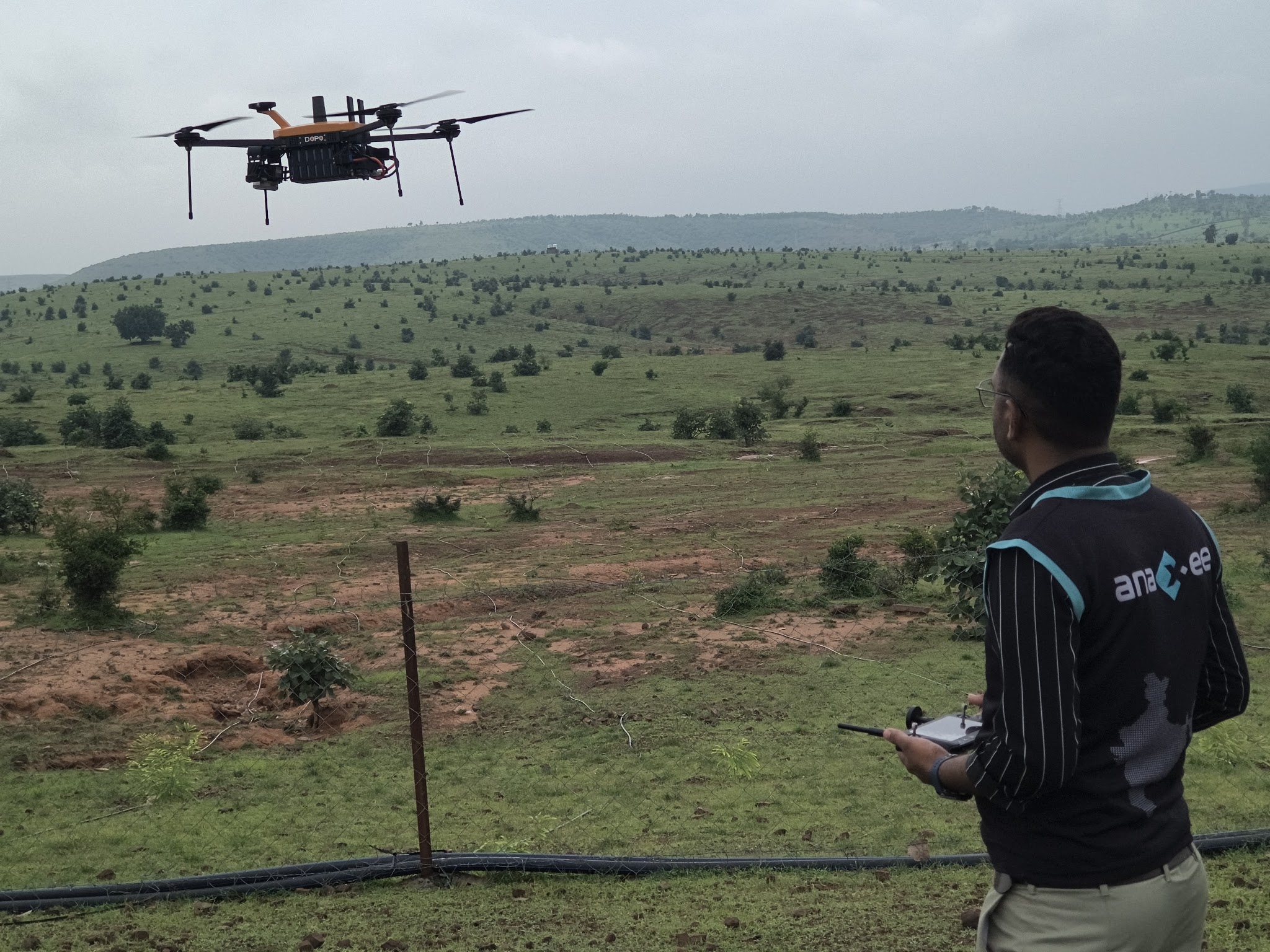
‘Regenerative’ is the fastest-growing word in farming — and the loosest. Regenagri is one of the main standards trying to pin it down with an audited, outcome-based certification. If you source cotton, food or fibre from India and a buyer has asked whether your supply chain is ‘regenerative’, or you are a farm group or mill weighing certification, this is the plain-English explainer: what Regenagri is, how it is certified, how it handles carbon, and how it differs from Better Cotton and organic.
What Regenagri certifies
Regenagri is run by Regenagri CIC and certified through Control Union (its certificate numbers begin with ‘CU-’). It certifies regenerative agriculture across food and non-food crops, fibres such as cotton and wool, and livestock, and works in two linked tracks:
| Track | Who it is for | What it certifies |
|---|---|---|
| regenagri farms | Farms and farm groups (smallholders included), FPOs, estates. | That the land is managed to regenerative criteria — soil organic matter, biodiversity, carbon, water and energy — with minimum performance thresholds and continuous-improvement targets. |
| regenagri chain of custody | Ginners, spinners, mills, fabric and apparel makers, traders and brands. | That certified produce is tracked through every step that buys, sells, processes or makes the product — so a finished item’s regenerative claim is backed end to end. |
Source: regenagri.org; registry counts from the Regenagri certified-companies registry.
How Regenagri certification works
For a farm, certification is not a one-off badge. An application first passes an eligibility review — including a non-deforestation policy and an environmental-and-social risk assessment. An independent, accredited certification body then runs an on-site audit and desk review; a separate verifier checks the data; and Regenagri runs a final integrity review. Certified farms accept annual audits and must keep hitting continuous-improvement targets, on a three-year cycle.
For the supply chain, every organisation that buys, sells, processes or manufactures certified product must itself be certified. Transaction certificates validate the volumes moving between them, and the digital system is built to stop ‘double selling’ (claiming more certified product than was actually grown). If a company loses its certification, its transaction certificates are revoked immediately. The bodies that audit and verify must be accredited to standards such as ISO 17065, ISO 14064 and ISO 14065.
Regenagri and carbon
Because regenerative practices pull carbon into the soil, Regenagri links certification to carbon. Farm emissions and carbon-reduction data can be verified under ISO 14064/5 accreditation, which can generate carbon credits and open access to green finance. Its Carbon Insetting Programme goes further: a farm’s GHG and carbon-reduction data is verified by a third party each year, turning measured reductions into insetting units that supply-chain buyers use against their Scope 3 emissions — recorded in a Regenagri registry and aligned to the GHG Protocol Land Sector & Removals Standard. The common thread: it all rests on farm-level data, measured and verified every season.
Regenagri vs Better Cotton vs organic
These are not the same thing. Better Cotton (BCI) is a farm-level training programme that reduces (not bans) inputs and tracks volume by mass balance. Organic bans synthetic inputs and GMO seed and is physically traceable. Regenagri is outcome-based — it is defined by what happens to the soil, carbon and biodiversity, not only by a list of inputs — and it spans all crops and livestock, not just cotton. The three often overlap on one farm. For the full comparison, see organic vs Better Cotton vs regenerative cotton.
Why it matters for India
India is central to regenerative agriculture, not peripheral to it. It is already the largest single country in Regenagri’s certified-company registry (387 of 1,688 worldwide), spanning farm certificates and chain-of-custody mills and apparel makers. As the EU’s rules against unsubstantiated green claims tighten and brands demand provable regenerative sourcing, the pressure lands where the crop is grown — in the Indian field.
Where the real work is — and where Anaxee fits
Every part of Regenagri rests on the same thing: what can be measured and verified on the farm, season after season. A farm group chasing certification has to capture baseline and outcome data across thousands of smallholders. A brand buying the claim needs independent proof the practices actually happened. The insetting programme needs annual, farm-level GHG data. That is field work at scale — and it is exactly what Anaxee does.
Anaxee is the independent, tech-enabled field-execution and verification layer behind regenerative programmes: reaching farmers across 540 districts, 11,000+ pincodes and 26 states; capturing geo-tagged, timestamped, photo-backed farm data; and reporting it to farm groups, mills and brands through a live dashboard. Anaxee is not Regenagri, not Control Union, and not a certification body — it does not issue certificates or carbon credits and does not buy or sell crops or carbon. It is the field and verification layer underneath the programme. Explore: regenerative cotton farming · farm & plantation geo-tagging · carbon & MRV verification.
Pursuing Regenagri certification, or buying regenerative produce from India? If you need independent field execution and on-ground verification — baseline data, outcome monitoring, farmer onboarding at scale — let’s talk.
FAQ
Who certifies Regenagri?
Is Regenagri the same as organic?
What is regenagri chain of custody?
How is Regenagri different from Better Cotton (BCI)?
Is Anaxee a Regenagri certifier?