BLOG
What Is the Better Cotton Initiative (BCI)? India’s Programme, Explained
 About Anaxee
40,000+ Digital Runners · 540 districts · 26 states · 11,000+ pincodes of reach
What is the Better Cotton Initiative?
The Better Cotton Initiative (BCI) is a global non-profit, founded in 2005, that runs the world’s largest cotton sustainability programme. Its mission is to help cotton communities survive and thrive while protecting the environment, and its standard — the Principles & Criteria (P&C) — sets out what a farmer must do to grow and sell cotton as ‘Better Cotton’. In the 2024-25 season Better Cotton accounted for roughly a quarter of all cotton grown worldwide, across 1.40 million licensed farmers, with around 2,600 member companies — brands, retailers, mills, suppliers and civil-society organisations.
How the Better Cotton programme works
Better Cotton in India
India is the heart of the programme. In the 2024-25 season, 786,072 licensed farmers produced 944,330 metric tonnes of Better Cotton — the largest farmer base of any country — all of them smallholders farming under two hectares. The programme runs across Gujarat, Maharashtra, Telangana, Andhra Pradesh, Karnataka, Punjab and Rajasthan, through fifteen Programme Partners: Ambuja Cement Foundation, AFPRO, Aga Khan Rural Support Programme, Development Support Centre, Arvind Ltd., BASIL Commodities, Centre for People’s Forestry, Cotton Connect, Lupin Human Welfare & Research Foundation, MARI, Spectrum International, Vardhman Textiles, the Samunnati Foundation, the Welspun Foundation and WWF India.
The regenerative transition
In 2025 Better Cotton committed to becoming a regenerative standard system. Its updated standard asks farmers to set at least three regenerative-agriculture targets — across soil, biodiversity, water and inputs — in their continuous-improvement plans, and it is running projects such as the five-year Gujarat Regenerative Agriculture Project (with Ambuja Foundation and a major retailer) to drive adoption and collect reliable outcome data. In practice this means more farm-level training, measurement and verification — more on-ground work, every season.
Is Better Cotton credible? The assurance question
Mass-market sustainability programmes attract a fair question: is the label matched by what happens in the field? Better Cotton’s answer is its assurance system — independent third-party certification plus monitoring and support visits plus farm-level data. The honest reality is that a claim is only ever as strong as the evidence behind it on the ground. That is why independent, verifiable field data matters so much — and it is where a neutral field partner earns its place: see cotton supply-chain verification.
How the field work gets done — and where Anaxee fits
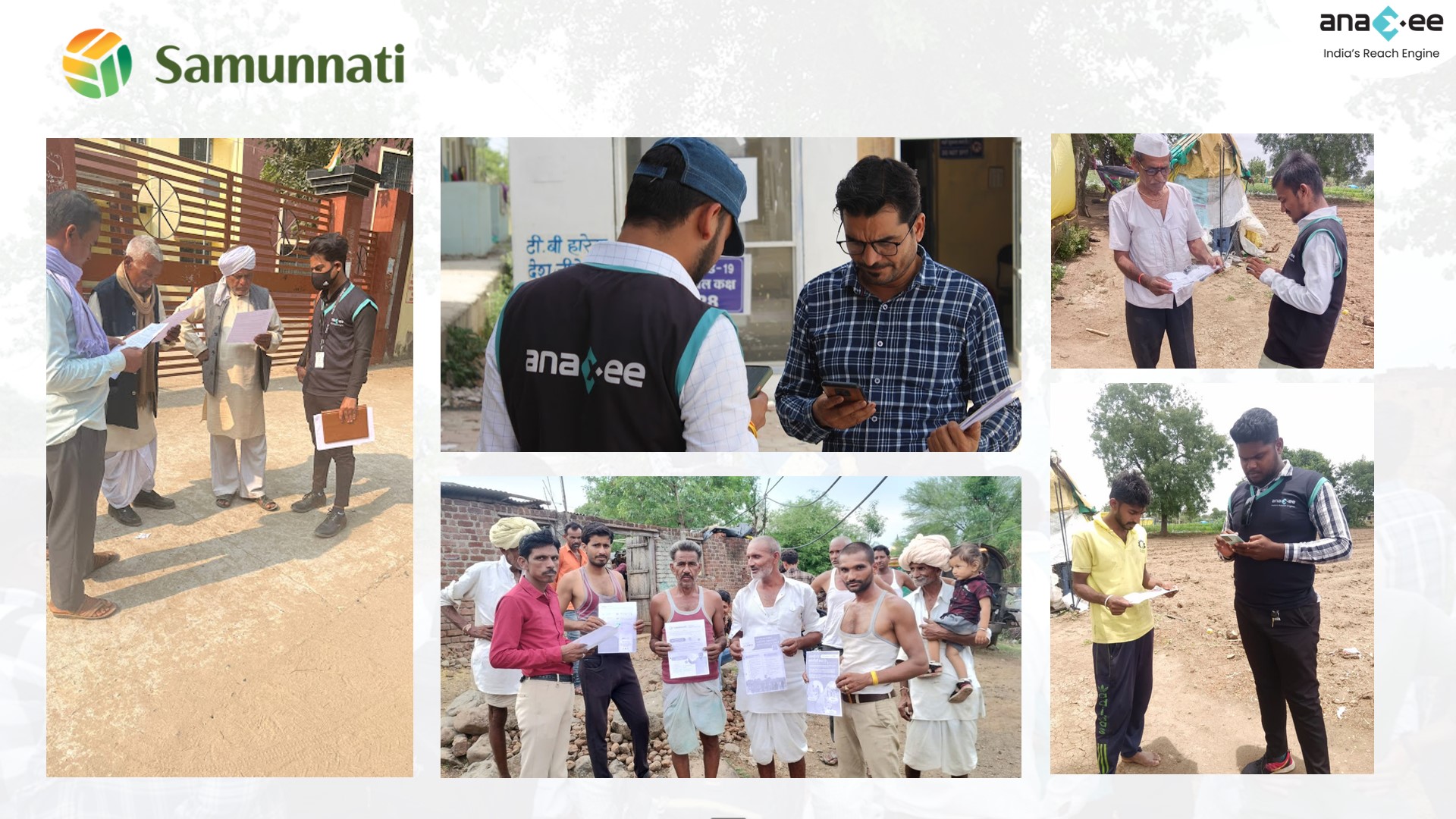
The reach, training and data behind Better Cotton are delivered on the ground, farmer by farmer, by field facilitators and Programme Partners — every season. Anaxee is the independent, tech-enabled field-execution and verification partner that organisations running cotton programmes can plug into: 40,000+ Digital Runners across India’s cotton belt who map and organise farmers, deliver and record training, collect farm-level data and verify it on a live dashboard. See the full picture on the Better Cotton field partner page.
Proof on the groundAnaxee runs the kind of large-scale farmer field work — mapping, training, data and verification — that cotton sustainability programmes depend on, across India. See all case studies →
Frequently asked questions
What is the Better Cotton Initiative (BCI)?
Is Better Cotton greenwashing?
What is the difference between Better Cotton and organic cotton?
How big is Better Cotton in India?
Who runs Better Cotton on the ground in India?
Is Anaxee part of Better Cotton?
The bottom line
Better Cotton is how most of the world’s cotton is being made more sustainable — and India, with 786,072 licensed farmers, is its centre of gravity. Behind the label is a vast, recurring field operation of training, data and verification, and the part that is hardest to scale is the on-ground work. That is where an independent, tech-enabled field partner comes in.
Working on Better Cotton or sustainable cotton in India?
Whether you are a Programme Partner, a mill or a brand, Anaxee runs the field execution and verification behind it. Tell us the belt and the season.
See also: Better Cotton field partner · Cotton supply-chain verification · Farmer network & sourcing