BLOG
The Bharat Opportunity: Why India’s Next 500 Million Customers Aren’t in the Metros
 About Anaxee
40,000+ Digital Runners · 540 districts · 26 states · 11,000+ pincodes of reach
For a decade, brands, platforms and funders optimised for the metros — the eight or ten cities where the money, the data and the delivery pin-codes were easy. That was the right call for its time. It is now the smaller half of the story.
The centre of gravity has moved. Roughly two in three Indians still live outside the big cities, demand in those towns and villages is now growing faster than in urban India, and the people there are coming online in huge numbers. This is “Bharat” — Tier 2, 3 and 4 towns and rural India — and it is where the next several hundred million customers will come from.
Why Bharat is the opportunity now
Why Bharat is hard to reach — and most brands under-serve it
If the opportunity is so clear, why is so much of it untapped? Because reaching Bharat is genuinely hard. It is fragmented across hundreds of thousands of villages and small towns, not concentrated in a few postcodes. It speaks dozens of languages. It has little of the last-mile infrastructure the metros take for granted. And there is a trust-and-data gap: a head office in Mumbai or Bengaluru simply cannot see what is happening at a shop counter in a Tier-4 town, so most brands rely on a distributor’s word and a thin, city-biased plan.
So the demand sits there, growing, while most companies reach only the easy edge of it. The winners will be the ones who close the gap between the boardroom and the ground.
You cannot win Bharat from a head office, and you cannot afford to build your own field army in every district. That is the gap: the demand is on the ground, but the cost and complexity of getting there has kept most brands at the edge.
Closing it needs two things at once — boots on the ground in every district, and the technology to run them at scale and see what they see, live.
Want to reach Bharat — not just the metros?
Anaxee is India’s Reach Engine: feet-on-street plus tech across 540 districts. See our go-to-market services.
How Anaxee bridges the gap
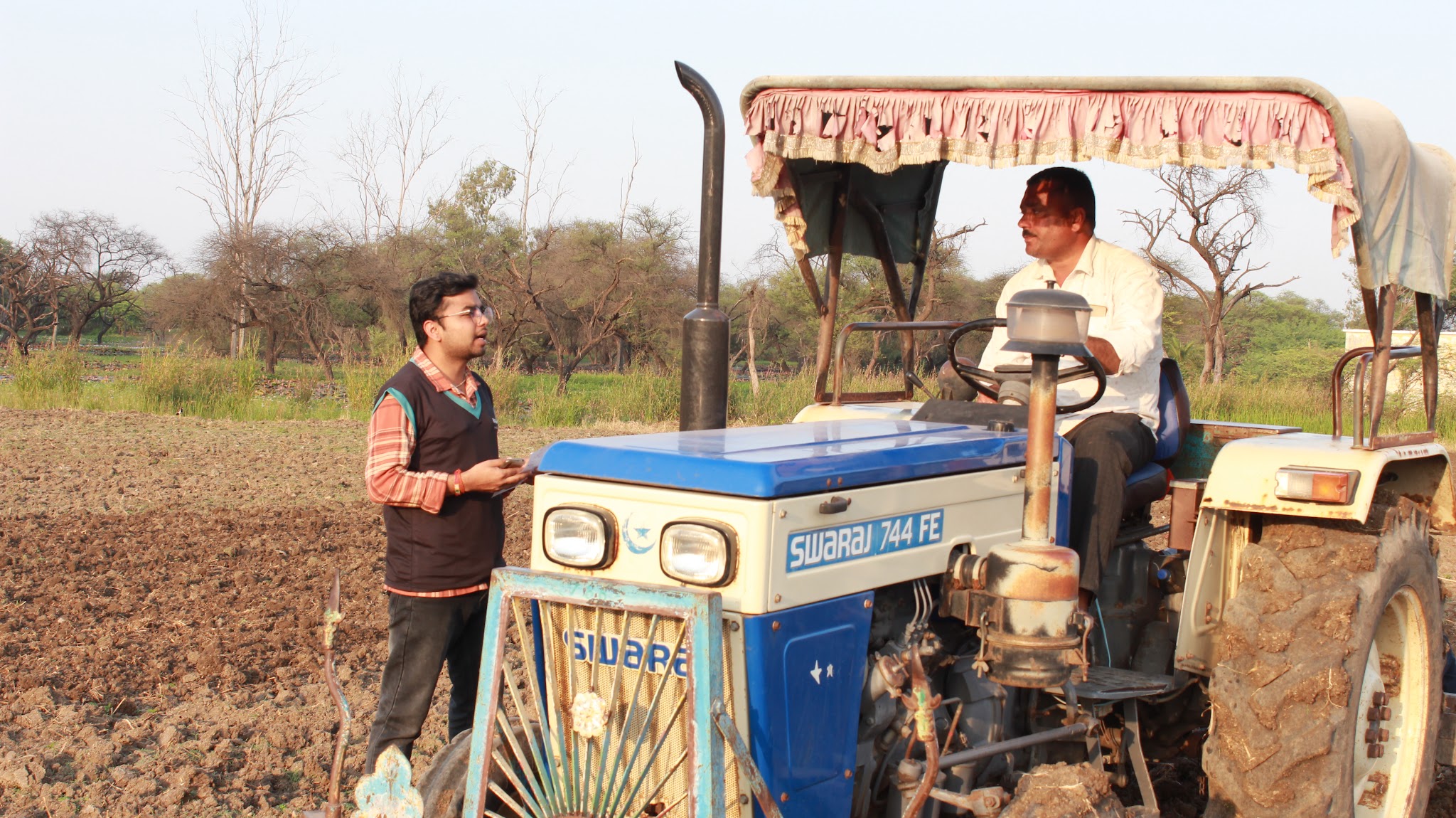
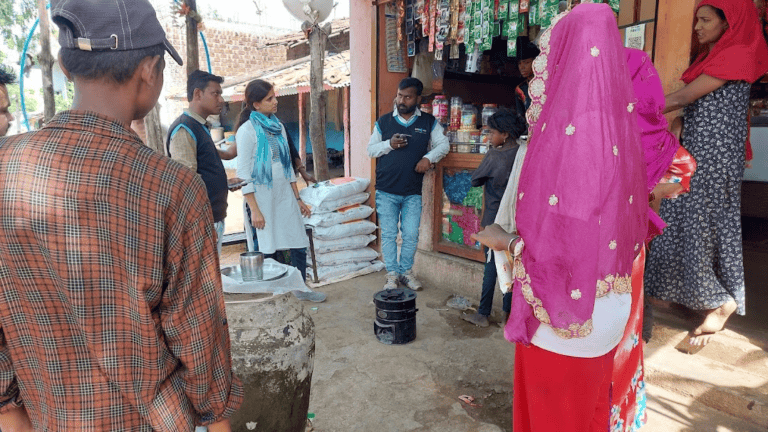
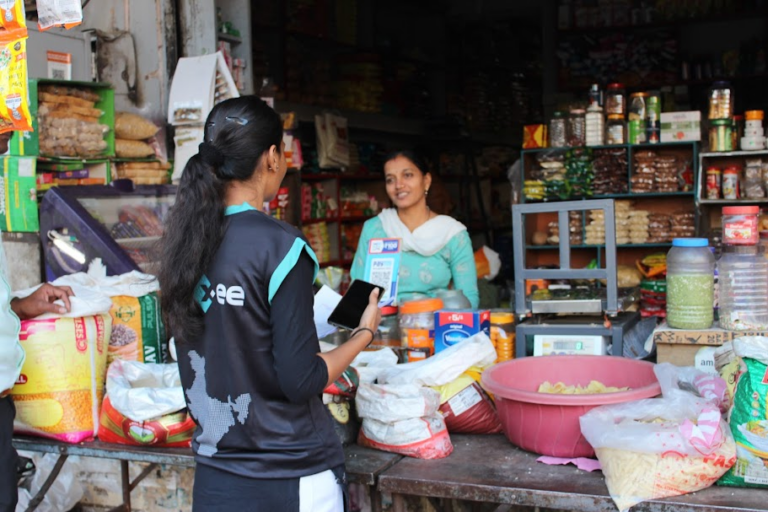
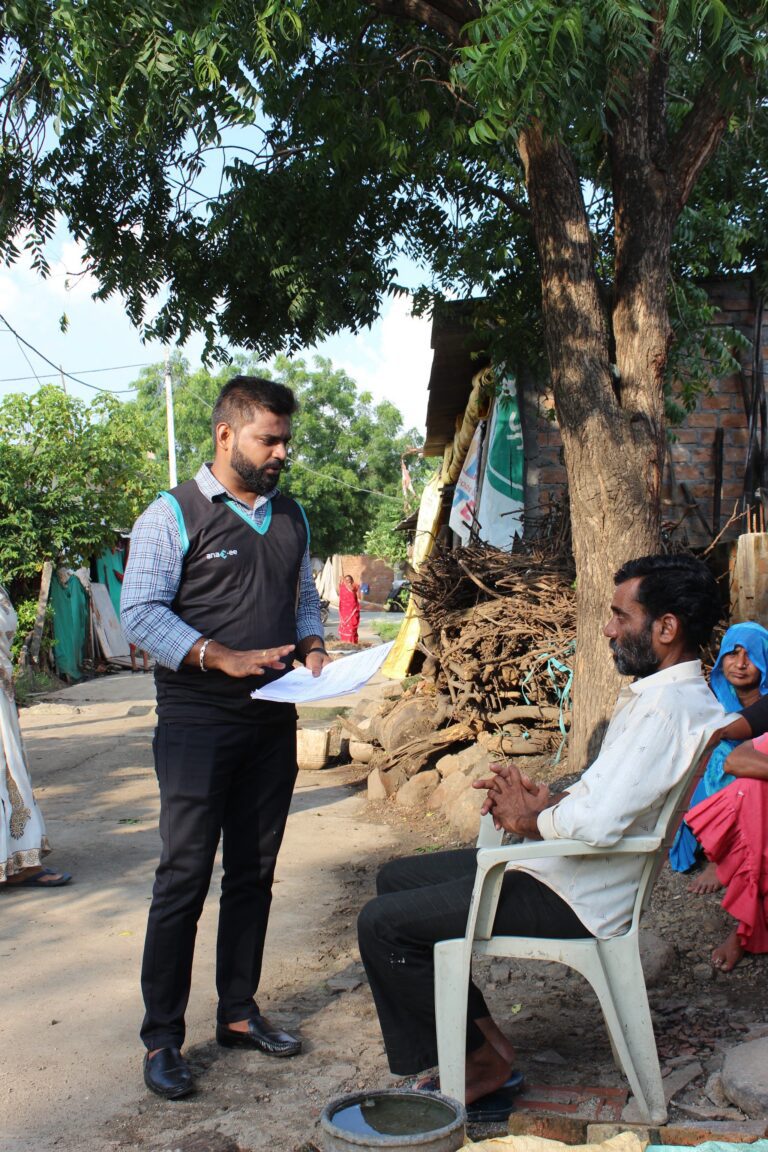
Anaxee was built as India’s Reach Engine — an on-demand network of 40,000+ Digital Runners, a son or daughter of the soil in town after town, paired with a tech platform and a 150+ person back office. You tap it like a utility: no fixed field army, pay for the task, and reach into 540 districts and 11,000+ pincodes. A brand uses it to go to market and sell; a funder or a programme uses it to collect data and verify what is happening on the ground; and everyone gets it back, live, on a dashboard instead of a rumour.
Where technology and AI change it
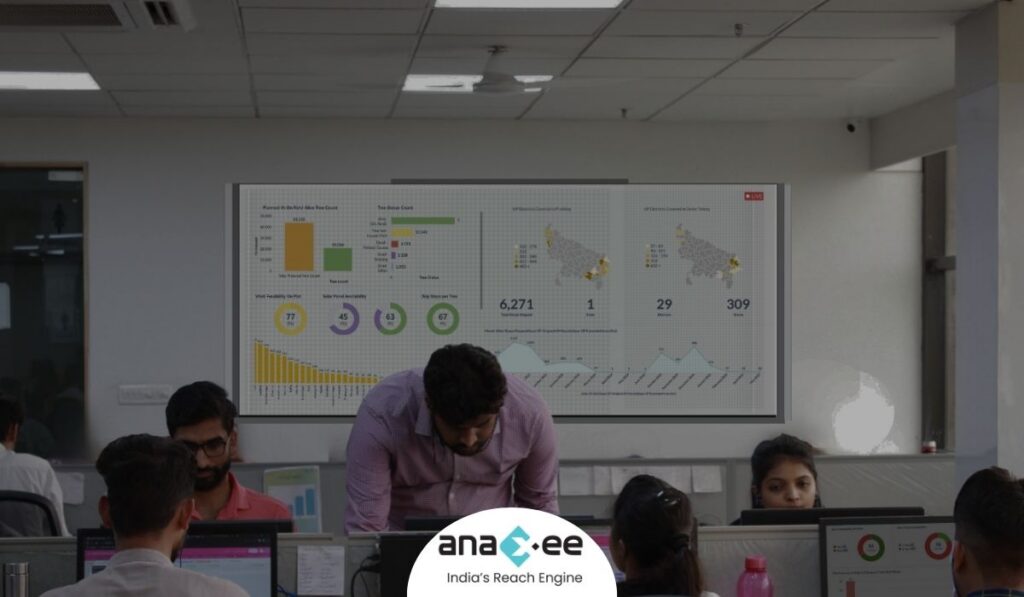
Reach alone is not new; reach you can see and trust is. Every runner works on an app, capturing each visit with GPS and photos; it lands on a live dashboard the client can filter and inspect; and AI assists the heavy lifting — reading and validating field photos, cleaning data, flagging anomalies — while the back office keeps it honest. That is what turns a scattered country into a market you can actually operate in, rather than guess at.
How Anaxee helps
Anaxee — India’s Reach Engine, a National Startup Award winner — reaches Bharat for brands, platforms and programmes through 40,000+ Digital Runners across 540 districts and 11,000+ pincodes, for consumer, durable and agri brands and beyond. See the go-to-market playbook, how to reach rural retailers, and our work in rural market research.
Proof — Bharat, reached75,000+ retail outlets activated and millions of field data-points captured across Bharat. See all case studies →
What happens when you reach out to Anaxee
- Tell us the goal — the market, the geography and what you need to do or know in Bharat — by form, WhatsApp or a call.
- A real person calls back — our Indore team, within one working day.
- We scope a pilot — one district reached and captured, delivered as a dashboard you can open yourself.
A 150+ person team in Indore and 40,000+ Digital Runners on the ground — a real network acts in Bharat, not an inbox that goes quiet.
Tell us what you want to do in Bharat
Share the goal and the geography — our team will get back within one working day.
Frequently asked questions
What is “Bharat” / Tier 2, 3 and 4 India?
Why is Bharat the opportunity now?
Why is it so hard to reach?
Can a brand reach Bharat without building its own field team?
Is this only for consumer brands?
The bottom line
The easy half of India has been served. The bigger, faster-growing half — Bharat — is still mostly out of reach for the companies that need it most, not because the demand is not there, but because reaching it is hard. Close that gap and you are not chasing the next market; you are already in it. That is the whole reason Anaxee exists: boots on the ground in every district, the tech to run them at scale, and data you can actually trust.
Talk to Anaxee — whichever way is easiest