BLOG
How to Reach Rural Retailers in India: Getting Distribution into Tier 2-4 and Villages
 About Anaxee
40,000+ Digital Runners · 540 districts · 26 states · 11,000+ pincodes of reach
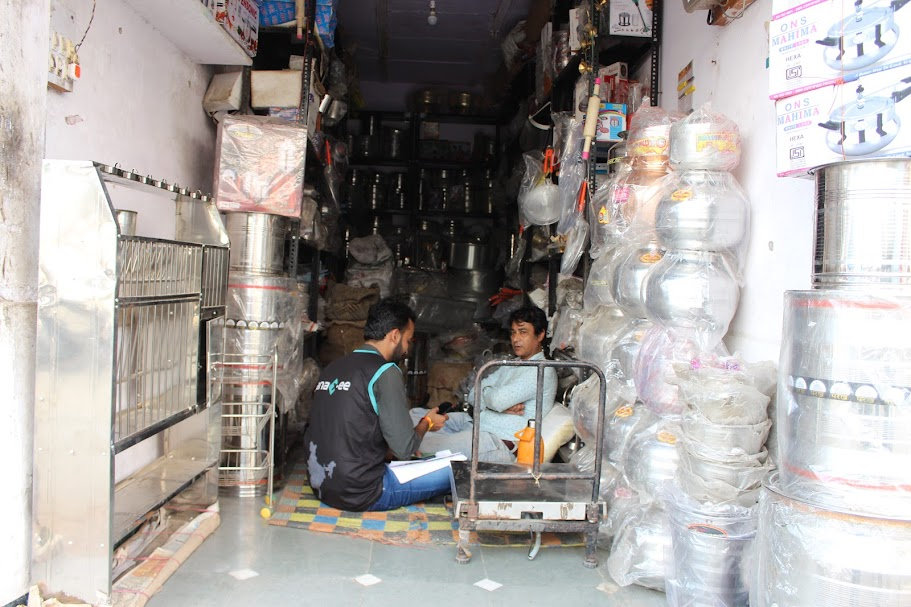
For a growing brand, rural India is no longer the frontier — it is the growth. The demand is real and rising. But reaching the retailers who serve it is genuinely hard: the shops are small, scattered across thousands of villages, and a conventional distributor network thins out fast past the big district towns. The result is a familiar ceiling — distribution plateaus somewhere around the top 50 districts, and the rest of the market stays out of reach.
Getting past that ceiling is a last-mile problem. Here is what it actually takes.
Why rural retail is so hard to reach
Hitting a ceiling past the top districts?
Anaxee reaches rural retailers across 540 districts — onboarding outlets, taking orders and putting up visibility, outlet by outlet, tracked live.
How to actually reach rural retailers
Use a field force that is already there
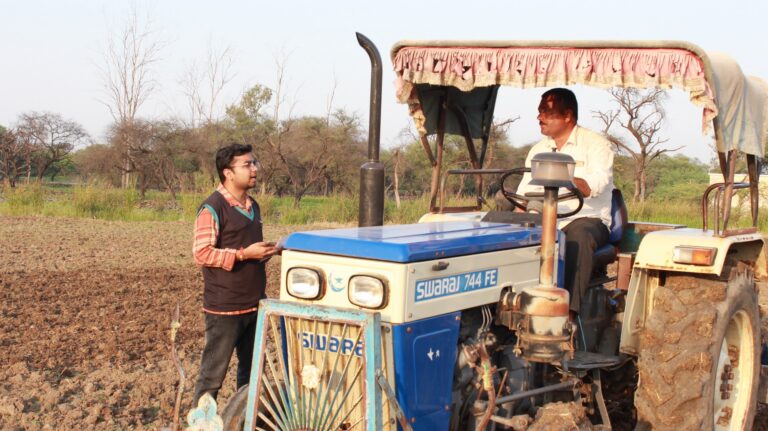
The economics only work if you do not have to build and disband a team for every market. A network already present across districts, in the local language, can reach deep-interior outlets at a fraction of the cost and time.
Onboard and take orders, outlet by outlet
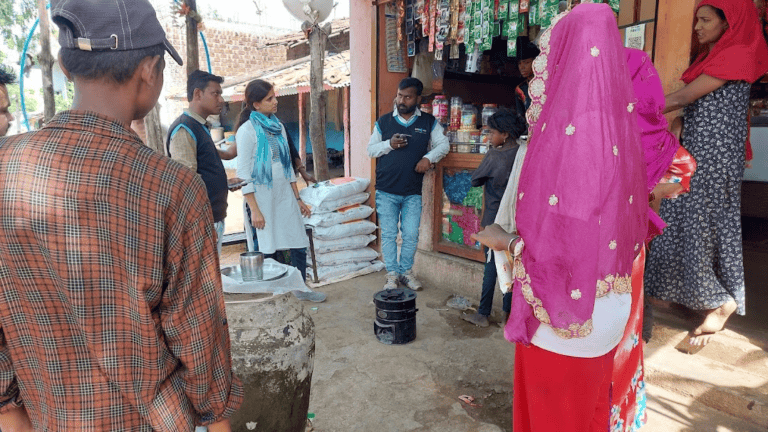
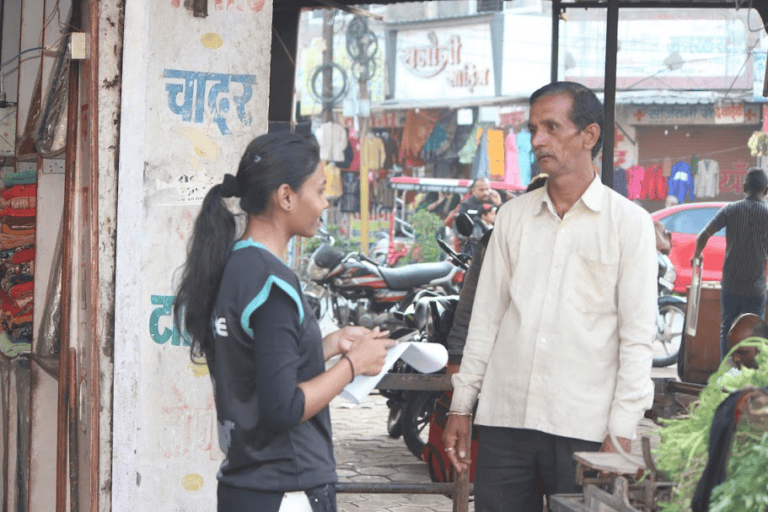
Reaching a shop is not enough — it has to be onboarded, stocked and given a way to reorder. Field teams can register outlets, take orders and link them back to your distributor or C&F, closing the loop.
Put up visibility where it counts
POSM, boards and shelf presence go up alongside the stock, so the brand is actually seen in markets where digital advertising barely reaches.
See it as it happens
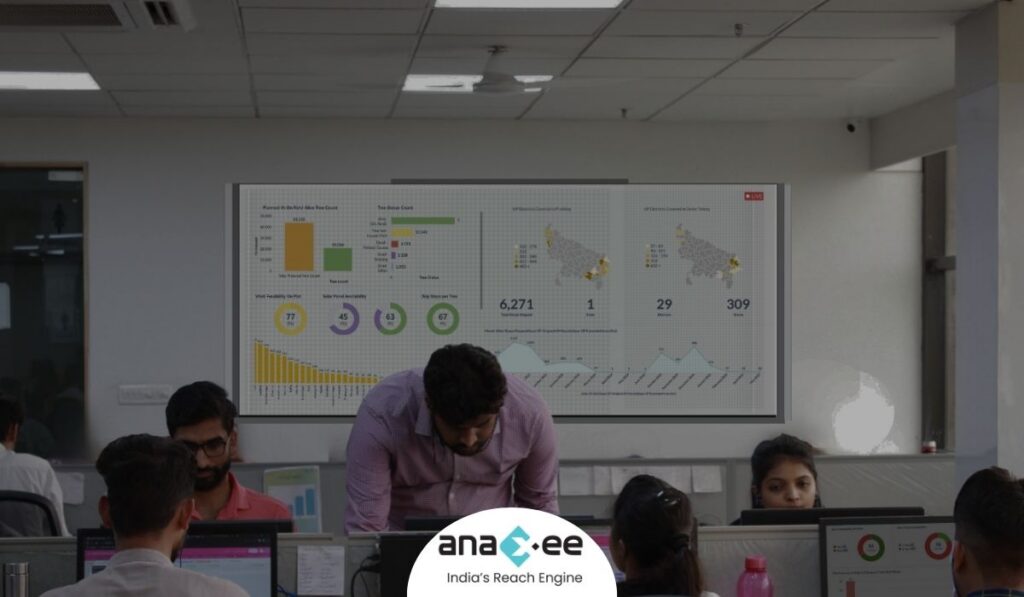
Every outlet is captured geo-tagged on a live dashboard, so you know which villages are covered, what is stocked and where the gaps are — in real time, not a monthly report.
Where technology and AI change the game
Anaxee runs rural reach as a tech product. Runners onboard outlets, take orders and capture visibility in-app, geo-tagged and time-stamped, on a live dashboard the brand watches village by village. AI reads shelf and storefront photos to confirm stocking and visibility — so a national rural push is managed on data, not on faith in a monthly summary.
How Anaxee helps
Anaxee — India’s Reach Engine, a National Startup Award winner working with 350+ brands — reaches rural retailers through 40,000+ Digital Runners across 540 districts and 11,000+ pincodes. It builds on our retail outlet mapping and distributor management work, all part of Go-To-Market.
Proof on the ground — rural reach we’ve delivered75,000+ retail outlets activated and 3.4 lakh+ farmers reached across projects. See all case studies →
What happens when you reach out to Anaxee
- Tell us the markets — the states and districts you want to reach — by form, WhatsApp or a call.
- A real person calls back — our Indore GTM team, within one working day.
- We scope a pilot — one region’s rural outlets reached and tracked, before you scale nationally.
A 150+ person team in Indore and 40,000+ Digital Runners on the ground — your enquiry reaches people who work rural markets every day, not an inbox that goes quiet.
Tell us the rural markets you want to reach
Share the states and districts — our team will get back within one working day.
Frequently asked questions
What does it take to reach rural retailers in India?
Why does distribution plateau after the big towns?
Can you take orders from rural shops?
How fast can you reach a new rural market?
How do I know the outlets were actually covered?
Do you cover visibility and merchandising too?
Which sectors do you reach rural retailers for?
What does reaching rural retailers cost?
The bottom line
Rural demand is rising faster than urban, but it sits behind the hardest distribution problem in the country — lakhs of small shops scattered across 640,000 villages. You clear that ceiling with a last-mile field force already on the ground, onboarding and tracking outlets one by one. The demand is waiting; the brands that reach it first will own those markets.
Talk to Anaxee — whichever way is easiest