BLOG
What Does a Retail Audit Cost in India? A Practical Pricing Guide
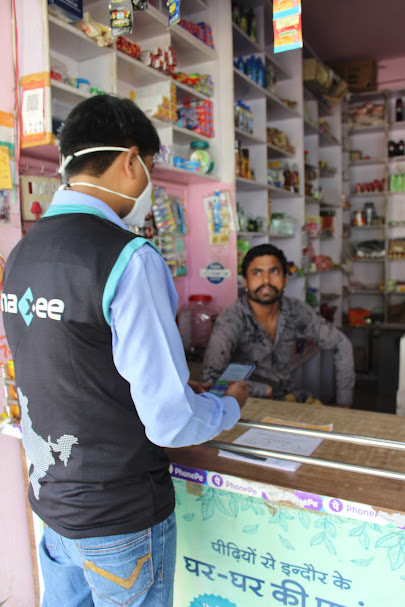
 About Anaxee
40,000+ Digital Runners · 540 districts · 26 states · 11,000+ pincodes of reach
It is the first question every brand asks, and the one no honest provider can answer in a single number: what does a retail audit cost? The temptation is to want a neat per-shop figure. But a retail audit is not a commodity with a sticker price — the same 1,000 outlets can cost very different amounts depending on where they are and what you need to know about them.
Anyone who quotes you a flat per-shop rate before asking about your markets is guessing — and usually cutting the corners (geo-proof, photos, quality checks) that make the data worth paying for. Here is how retail audit pricing actually works, so you can judge a quote instead of just comparing rates.
How a retail audit is priced
A real quote is built up from your network, not read off a rate card. It is the product of a few variables — and the honest providers show you the maths.
The four things that move the cost
A fifth, smaller factor is add-ons: building the outlet list from scratch, custom dashboards, faster turnaround SLAs, or translating findings into actions. Useful, but they sit on top of the four drivers above.
Want a real number for your network? Anaxee will scope it.
Tell us your outlet count, markets, frequency and the data you need — we will come back with a quote built for your coverage, not a flat rate.
What good looks like
Be wary of the flat per-shop quote
A single per-outlet rate quoted before anyone has seen your markets is a red flag. It almost always means the same price for a city shop and a village shop three hours away — which is impossible to deliver honestly — and the corners get cut on exactly the things that make an audit trustworthy: geo-proof, photos and quality checks.
Start with a paid pilot
The smart way to price at scale is to run a small pilot first — a district or two. You see the real data quality and the real unit economics on your own outlets before you commit a national budget. A provider confident in their work will welcome it.
Price on the total cost of truth, not per visit
A slightly higher visit that is verified, photo-backed and quality-checked is cheaper than a bargain visit you cannot trust — because an audit you do not believe gets re-done, or worse, acted on wrongly. Judge cost against reliable data delivered, not rupees per shop.
Where technology and AI change the game
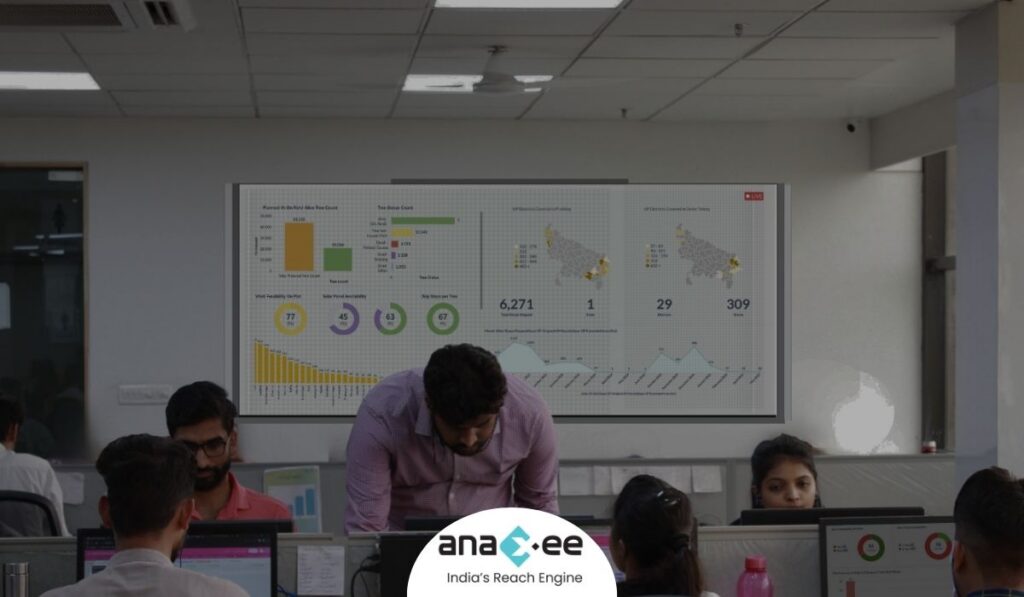
Technology is also what makes a modern audit cheaper per outlet than the old paper model. Every visit is captured in a field app, geo-tagged and time-stamped, which removes the back-office cost of re-keying paper forms and the risk of paying for visits that never happened. Findings flow to a live dashboard instead of a manually assembled report.
AI pushes the unit cost down further. Anaxee builds and deploys AI that reads shelf photos to check compliance automatically, and cleans and de-duplicates outlet lists so you stop paying to send someone to a shop that has closed or is listed twice. The field app behind it — Anaxee Partner — Work & Earn, 100,000+ downloads, 4.4★ across 7,000+ reviews — spreads fixed cost across a huge, already-mobilised network. Better data for less, because the machine does the parts that used to need a back office.
How Anaxee helps
Anaxee — India’s Reach Engine, a National Startup Award winner working with 350+ brands — prices every retail audit to your actual network across 540 districts and 11,000+ pincodes, not a flat rate, and proves it with a pilot before you scale. Because the field force is already on the ground, scattered rural coverage costs far less than staffing it yourself. It is part of our Go-To-Market work — see the full retail audit service.
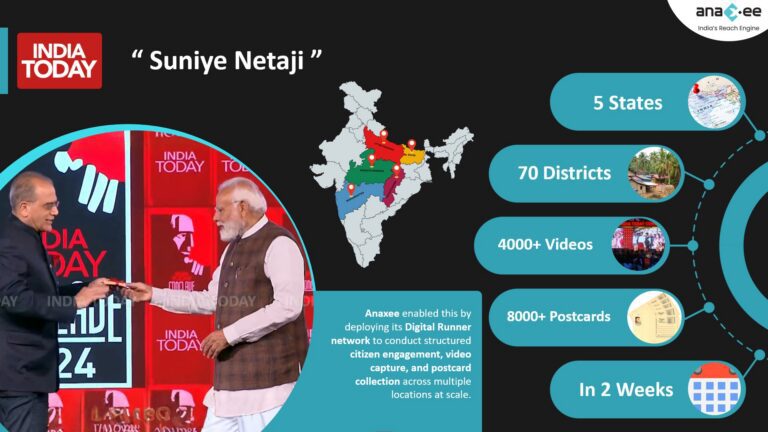
Proof on the ground — brands we’ve done this for75,000+ retail outlets activated across GTM projects. See all case studies →
What happens when you reach out to Anaxee
- Tell us your markets — form, WhatsApp, or a call.
- A real person calls back — our Indore GTM team, within one working day.
- We scope a pilot & a quote — real numbers for a district or two, before you scale.
A 130+ person team in Indore and 40,000+ Digital Runners on the ground — your enquiry reaches people who do this every day, not an inbox that goes quiet.
Get a quote for your network
Share your outlet count, markets, frequency and the data you need — our team will come back within one working day.
Frequently asked questions
How much does a retail audit cost in India?
Is there a fixed per-outlet price for retail audits?
Why won’t you give a flat rate up front?
What makes one retail audit cost more than another?
Does rural and small-town coverage cost more?
How does visit frequency affect the price?
Can I start small to control cost?
What is included in the price?
How do I keep costs down without losing quality?
Does technology actually make audits cheaper?
How do I get a quote?
Is a cheap retail audit worth it?
The bottom line
A retail audit does not have a sticker price — it has a cost structure, driven by how many outlets, how spread out, how often and how deep. Judge a provider by whether they scope to your network and prove it with a pilot, not by who quotes the lowest flat rate. The real measure is cost per reliable decision, not rupees per shop.
Talk to Anaxee — whichever way is easiest