BLOG
Retail Audit vs Shop Data Collection vs Merchandising Audit
 About Anaxee
40,000+ Digital Runners · 540 districts · 26 states · 11,000+ pincodes of reach
Three phrases get used as if they mean the same thing — retail audit, shop data collection, merchandising audit — and they do not. The confusion is expensive: brands buy a full audit when they only needed an outlet list, or collect thousands of shop records and still cannot say whether their product is on the shelf. Scope the wrong thing and you pay for data you cannot use.
Each answers a different question. Get the question right and the field work — and the budget — falls into place. Here is the clean version of the difference.
Retail audit, shop data collection, merchandising audit — the difference
Think of them as three steps on one ladder. Each builds on the last, and each answers a question the one before it cannot.
Shop data collection — who and where
This is building and verifying the outlet universe: shop name, address, geo-coordinates, owner, category, contact, and whatever custom fields you need. It answers who your retailers are and where they sit — the master data that every beat plan, distributor appointment and audit sample depends on. Without it you are auditing a list you cannot trust. See shop data collection in India.
Retail audit — what’s actually happening
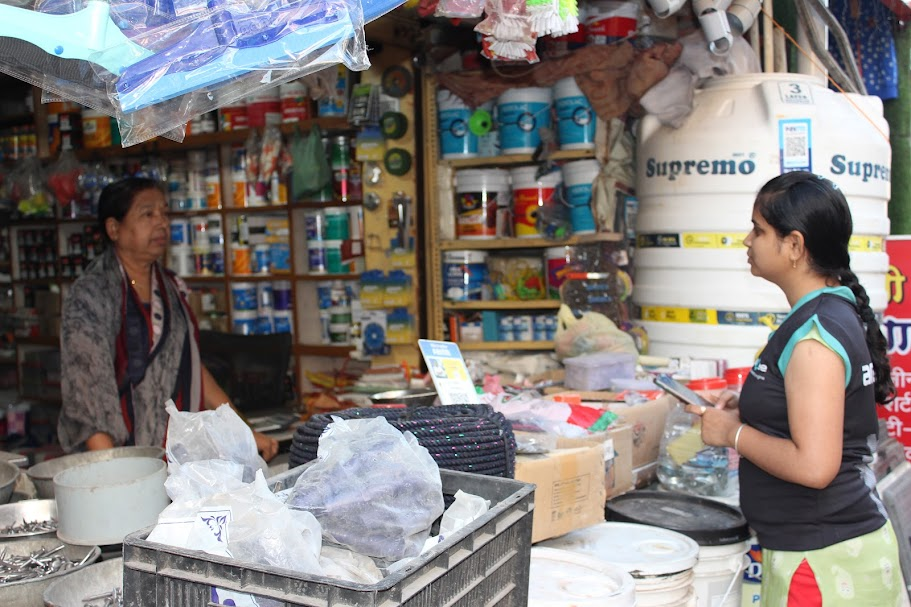
A retail audit is an on-ground check of availability, pricing, visibility and compliance at the outlet: is your stock on the shelf, at the right price, with the right visibility, and what is the competitor doing beside it. It turns ‘we think distribution is fine’ into measured, photo-backed fact. See retail audit services in India.
Merchandising audit — is the shelf executed right
A merchandising audit is the sharpest lens of the three — planogram compliance, share of shelf, facings, POSM and display execution. It answers whether the shelf actually looks the way you paid for it to look, store by store. This is where visibility spend is won or quietly lost. See retail merchandising audit in India.
In practice these are not three separate projects. The same Digital Runner captures the outlet record, the audit data and the shelf photo in one app session — you choose how deep each visit goes.
Why the distinction matters
Not sure which one you need? Anaxee will help you scope it.
Tell us the question you are trying to answer and we will tell you whether it is a data-collection, audit or merchandising job — and run it across 540 districts.
What good looks like
Start with the question, not the term
If you cannot name your outlets, start with data collection. If you have a list but do not know what is selling, run an audit. If distribution looks fine but visibility spend is not converting, go to a merchandising audit. The term follows the question — not the other way round.
Run them as one field motion
The cost-efficient way is a single, layered visit: verify the outlet, capture the audit, and photograph the shelf in one app session, so you are not paying three teams to walk the same market three times.
Where technology and AI change the game
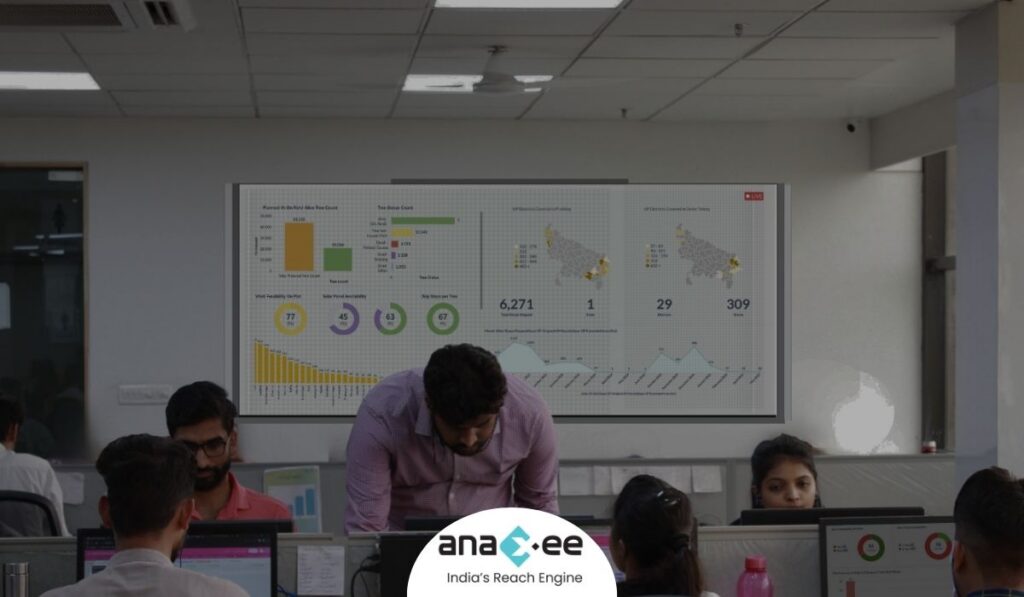
What lets all three run off one visit is the app. Every outlet is captured geo-tagged and time-stamped, with photos of the storefront and the shelf, flowing to a live dashboard the brand opens any day. The record, the audit answers and the shelf image are the same captured event, split into three views.
AI is what makes it scale. Anaxee builds and deploys AI that reads shelf photos to score planogram compliance, cleans and de-duplicates outlet lists so your master data stays honest, and flags anomalies that suggest a visit that never happened. It turns thousands of raw store photos into structured, searchable data — the same engine serving the list, the audit and the merchandising score.
How Anaxee helps
Anaxee — India’s Reach Engine, a National Startup Award winner working with 350+ brands — runs all three across 540 districts and 11,000+ pincodes: verified outlet lists, availability and compliance audits, and shelf-level merchandising checks, captured in one app-based visit and fed to a live dashboard. It is part of our Go-To-Market work.
Proof on the ground — brands we’ve done this for75,000+ retail outlets activated across GTM projects. See all case studies →
What happens when you reach out to Anaxee
- Tell us your markets — form, WhatsApp, or a call.
- A real person calls back — our Indore GTM team, within one working day.
- We scope a pilot — verified field data from a district or two, before you scale.
A 130+ person team in Indore and 40,000+ Digital Runners on the ground — your enquiry reaches people who do this every day, not an inbox that goes quiet.
Tell us what you’re trying to measure
Describe your markets and the question you need answered — our team will get back to you within one working day.
Frequently asked questions
What is the difference between a retail audit and shop data collection?
What is a merchandising audit?
Do I need all three?
Is a retail audit the same as a store audit?
What is shop or outlet data collection used for?
What does a retail audit measure?
What is planogram compliance?
Can one field visit do all three?
How do you keep outlet data from going stale?
Which should I start with?
How is this different from mystery shopping?
What does a retail audit cost in India?
The bottom line
Retail audit, shop data collection and merchandising audit are not synonyms — they are three answers to three different questions, and naming the question is how you scope the right work and spend the right money. Run them as one layered field visit and you get the list, the insight and the shelf fix without walking the market three times.
Talk to Anaxee — whichever way is easiest
