BLOG
The 5 Ways Brands Make Cotton Sustainable (and How to Keep Them Honest)
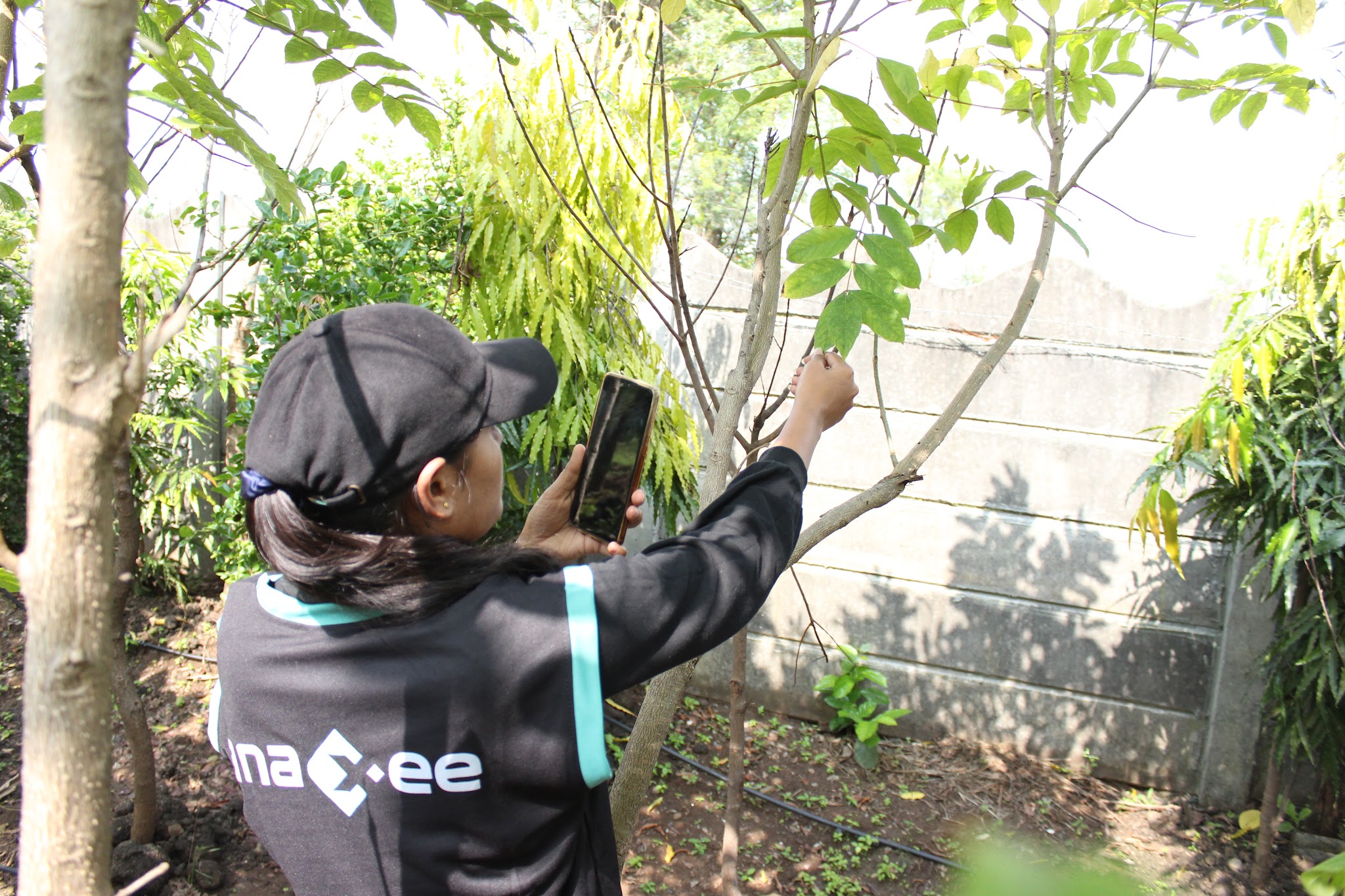
‘Sustainable cotton’ isn’t one thing. A brand chasing a lower-impact wardrobe has a menu of approaches, and the honest ones combine them. Here are the five routes, what each actually does, and — the part that decides whether any of it is real — how it gets proven season after season.
The five ways, side by side
| Method | What it changes | How it’s proven | Carbon angle |
|---|---|---|---|
| Better Cotton (BCI) | Moves large farmer bases toward better practices (water, pesticides, livelihoods) at scale | Farmer licensing + mass balance (newer physical option) | Practice change; no carbon units |
| Organic cotton | Removes synthetic inputs and GMO seed entirely | Farm: NPOP; supply chain: GOTS / OCS, traceable | Lower input emissions; no inherent credit |
| Regenerative (Regenagri / ROC) | Improves soil health, carbon and biodiversity as measured outcomes | Outcome certification + traceable chain of custody | Carbon insetting units (Scope 3) |
| Alternate / preferred fibres | Substitutes some cotton with lower-impact fibres (recycled polyester, lyocell, hemp, linen) | Fibre-level certification and content claims | Varies by fibre; often lower vs virgin |
| Recycling | Recovers pre- and post-consumer textile waste back into fibre | Recycled-content standards + chain of custody | Avoids virgin production emissions |
The five, in a bit more depth
1. Better Cotton
The scale play. Better Cotton licenses millions of farmers to improve against its Principles & Criteria and sources mostly by mass balance. Breadth over traceability, by design. See what Better Cotton is.
2. Organic cotton
The strictest input standard — no synthetic chemicals, non-GMO seed, third-party certified from farm (NPOP) through supply chain (GOTS/OCS). India is the world’s largest producer. See organic cotton certification in India.
3. Regenerative cotton
The outcome play — soil, carbon and biodiversity, measured and certified (Regenagri, Regenerative Organic), with a traceable chain of custody and a carbon insetting pathway. See what Regenagri is.
4. Alternate & preferred fibres
Reducing dependence on virgin cotton by blending in lower-impact fibres — recycled polyester, lyocell, hemp, linen, and next-gen materials. This shifts impact at the material level rather than the farm level, and relies on fibre certification and content claims.
5. Recycling
Closing the loop — recovering pre-consumer (factory) and post-consumer (used garment) textile waste back into fibre, under recycled-content standards. The hard parts are collection, sorting and proving the recycled content is what it says.
What the industry is actually doing
The leading Indian textile houses don’t pick one route — they run a portfolio. Arvind is the clearest example: it operates across all five — Better Cotton (it reports producing India’s first Better Cotton bale back in 2011), organic, regenerative, alternate fibres and recycling. Its own sustainability reporting shows regenerative and organic farming scaling fast — its Regenagri footprint growing from a few thousand to well over ten thousand hectares year on year, and its total regenerative-plus-organic farming base reaching into the hundreds of thousands of acres, against a stated target of 400,000 acres and 100,000 farmers. (See the Arvind sustainable-cotton profile for the detail.)
Arvind is not alone. Peers such as Welspun (home textiles, with traceability and recycled and organic cotton), Vardhman (spinning, with Better Cotton and organic yarns) and Trident run their own combinations of these five routes. You can see many of these names in the public certification records — for instance in the organic cotton (GOTS) directory and the Regenagri certified-companies list. We don’t publish numbers we can’t source — where a company’s own reporting gives figures, we cite it; otherwise we simply note the direction of travel.
The common thread: continuity and assurance
Whichever routes a company takes, the credibility of the claim comes down to the same two things: continuity (the work and the data carry on season after season, not just at audit time) and assurance (an independent party has actually verified what happened on the ground). Most of these methods are farm- or supply-chain processes run by field teams — and field teams turn over, which is exactly where programmes quietly lose the thread.
| Method | Where Anaxee helps on the ground |
|---|---|
| Better Cotton | Registering producer units and farmers, capturing practice data, and keeping records audit-ready |
| Organic | Farmer verification, plot mapping, documentation and TraceNet-style digital readiness |
| Regenerative | Baseline and practice capture, geo-tagged, as the MRV data under outcome and carbon claims |
| Alternate fibres | Independent field and supplier verification where fibre is grown or collected |
| Recycling | Verifying collection points and pre/post-consumer sourcing with geo-tagged, timestamped evidence |
Anaxee is not a certifier, a member, or a trader of any of these programmes. It is the independent, tech-enabled field layer that produces the ground-truth they all rely on — across 540 districts, 11,000+ pincodes and 26 states — and keeps it continuous even when the people on the ground change.
Continuity and assurance, whichever of the five routes a cotton programme takes.
Running more than one of these in India? Let’s scope a single independent field layer underneath your whole sustainable-cotton portfolio — so Better Cotton, organic, regenerative, alternate-fibre and recycled claims all rest on the same continuous, verifiable ground-truth.
FAQ
What are the main ways to make cotton sustainable?
Do companies have to choose one method?
How does Anaxee help across different methods?
Why does continuity matter so much?