BLOG
Regenerative Cotton Farming in India: The Field Work Behind the Transition
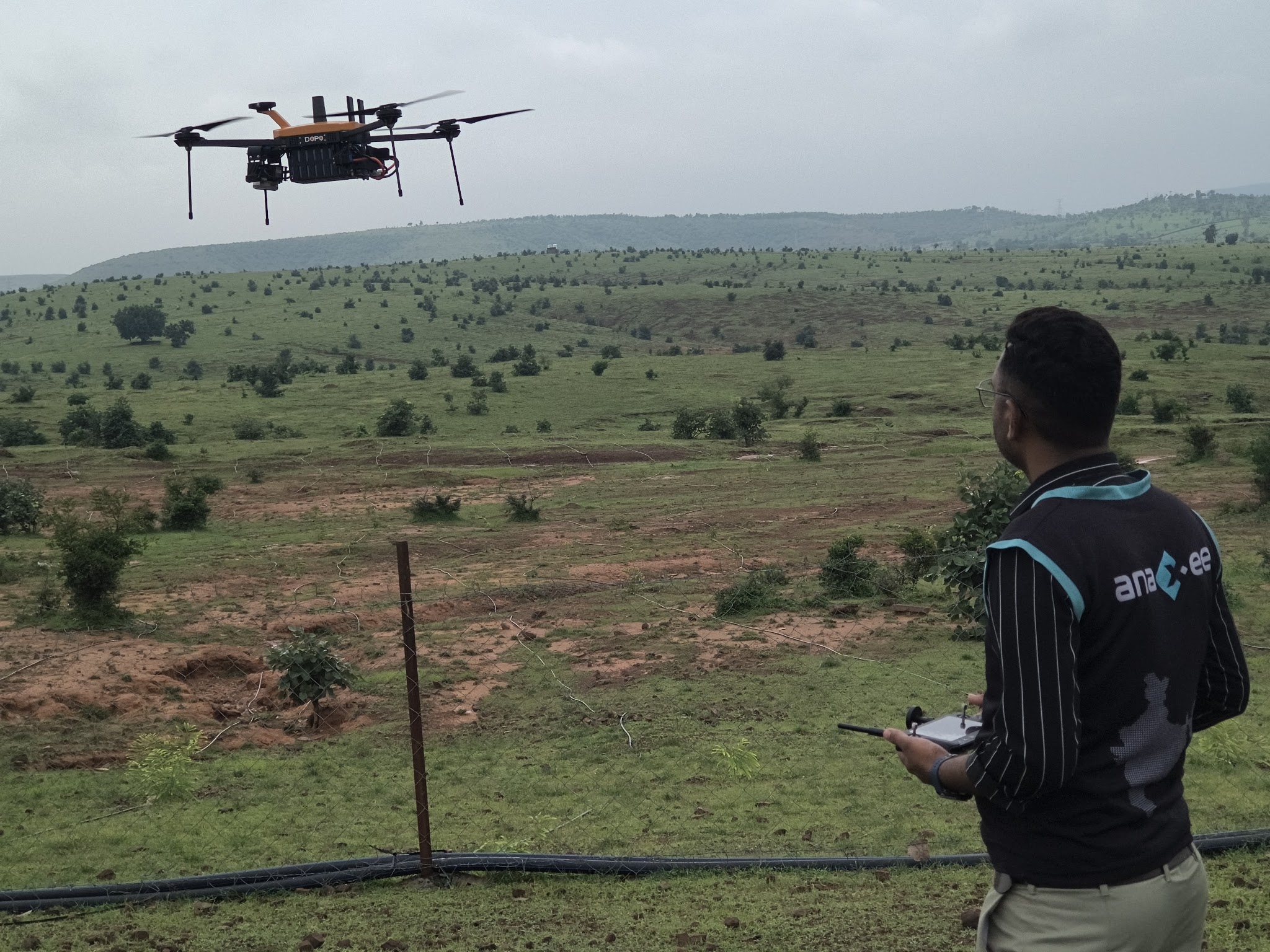
 About Anaxee
40,000+ Digital Runners · 540 districts · 26 states · 11,000+ pincodes of reach
For years, ‘sustainable cotton’ meant doing less harm — less water, fewer chemicals. Regenerative cotton goes further: it aims to leave the land better than it was, by rebuilding soil organic matter, protecting biodiversity, improving water and cutting synthetic inputs. It is the direction the whole cotton standard is taking — and it is also, for the farmer and the field partner, a bigger job. More practices to adopt, more training, and far more measurement, every season. That field and data work is exactly where Anaxee comes in.
What regenerative cotton asks of the field
Why regenerative is a field and data problem
Regenerative practice is not a certificate — it is a change in how a farmer works, and it only counts if it happens and can be shown. That makes it a field problem (train hundreds of thousands of smallholders and support them through the change) and a data problem (measure soil, inputs, water and practice adoption, farmer by farmer, in a way that stands up). Projects like the multi-year Gujarat Regenerative Agriculture Project exist precisely to drive adoption and collect reliable outcome data. Both halves — the field work and the honest measurement — are what Anaxee does.
What Anaxee runs for regenerative cotton
Deliver and record regenerative-practice training — soil, cover crops, water, input reduction — and support farmers through the change, every season.
Explore →
Measure outcomes & CIPsCapture the continuous-improvement-plan evidence and farm-level outcome data regenerative targets need — geo-tagged, photo-backed, de-duplicated.
Explore →
MRV-grade field verificationIndependent on-ground checks that practices are actually adopted — the same MRV discipline behind our plantation and carbon work.
Explore →
Carbon & climate overlapRegenerative practice overlaps soil-carbon and climate work — the same field data can feed carbon-project and ESG reporting.
Explore →
The overlap with Anaxee’s climate work
Regenerative cotton sits exactly where Anaxee’s agri and climate work meet. The soil, biodiversity and input practices a regenerative standard asks for are the same practices behind plantation and MRV-grade verification and carbon-project field work — and the measurement discipline is the same: geo-tagged, photo-backed, independently checked, reconciled with satellite. For a brand or Programme Partner, that means one field partner can run the regenerative transition and the climate/ESG data that comes with it.
Where technology and AI change the game
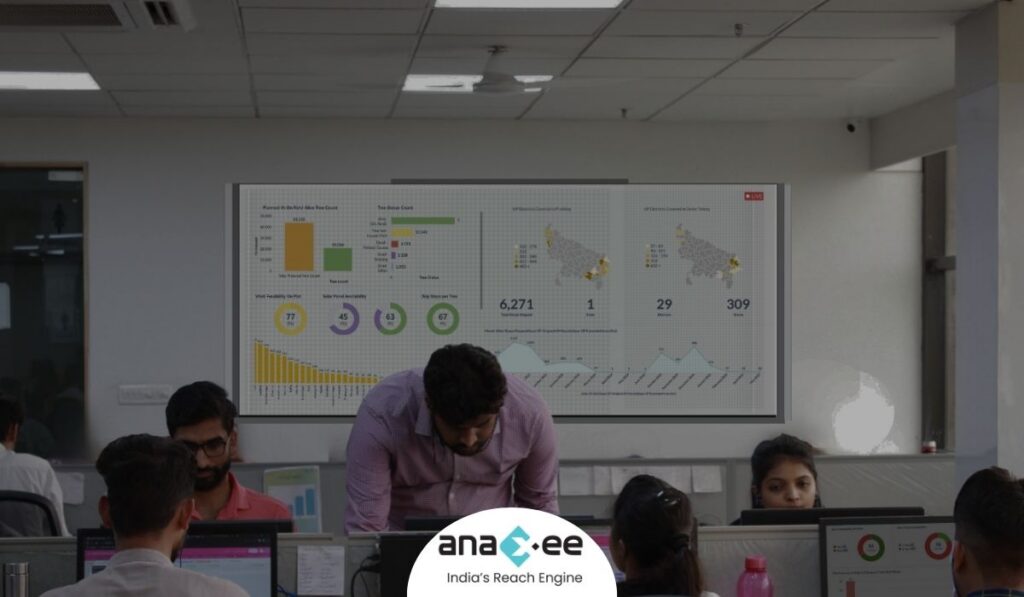
Regenerative claims are only as good as the evidence that the practice happened. Anaxee captures every farmer, training session, plot and visit on a field app — geo-tagged, time-stamped and photographed to a live dashboard and API — with AI reading field photos, flagging anomalies and reconciling practice and acreage against satellite. You get reliable outcome data a standard, a buyer or a regulator can stand behind.
How Anaxee helps with the regenerative transition
Anaxee — India’s Reach Engine, a National Startup Award winner — is the independent field partner for the regenerative shift in cotton: 40,000+ Digital Runners across 540 districts who train farmers on regenerative practice, support adoption, and measure and verify outcomes on a live dashboard — season after season. It is the same engine behind our Better Cotton field partner work and our plantation, MRV and carbon field programmes.
Proof on the groundField training, adoption and independent verification delivered at scale across agri and climate programmes — the field backbone the regenerative transition needs. See all case studies →
What happens when you reach out to Anaxee
- Tell us the cotton programme — the belt, the crop and the scale — by form, WhatsApp or a call.
- A real person calls back — our Indore team, within one working day.
- We scope a pilot season — one belt mapped, trained and verified, so you see the data quality before you scale.
A 150+ person team in Indore and 40,000+ Digital Runners on the ground — your enquiry reaches people who run farmer field programmes every week, not an inbox that goes quiet.
Frequently asked questions
What is regenerative cotton?
How is regenerative different from Better Cotton or organic?
What does Anaxee do for regenerative cotton?
How does regenerative cotton connect to carbon and ESG?
Is Anaxee a certifier?
How do we start?
The bottom line
Regenerative is the direction cotton sustainability is taking — and it raises the field bar, not lowers it. More practice to adopt, more to measure, every season. The brands and programmes that make it real will be the ones with a field partner that can train, support and honestly measure hundreds of thousands of farmers. That field and data backbone, across India’s cotton belt, is what Anaxee provides.
Driving a regenerative-cotton programme?
Tell us the belt and the practices and we will scope a pilot — farmers trained, adoption supported, outcomes measured and verified on a live dashboard.
See also: Better Cotton field partner · Sustainable cotton sourcing · CSR plantation geotagging · Carbon-project verification