BLOG
Primary, Secondary & Tertiary Data: What They Are & Why Primary Data Wins
 About Anaxee
40,000+ Digital Runners · 540 districts · 26 states · 11,000+ pincodes of reach
Every dataset you ever use sits somewhere on a chain that runs from the real world to a tidy summary on a screen. At one end is primary data – gathered first-hand from the source. In the middle is secondary data – someone else’s primary data, reused. At the far end is tertiary data – summaries and indexes built on top of secondary sources. Knowing where your data sits on that chain tells you how much to trust it.
This guide explains all three, how they differ, and why – the further the world fills with reused and now AI-generated information – primary data is becoming the most valuable of the three, not the most old-fashioned.
What is primary data?
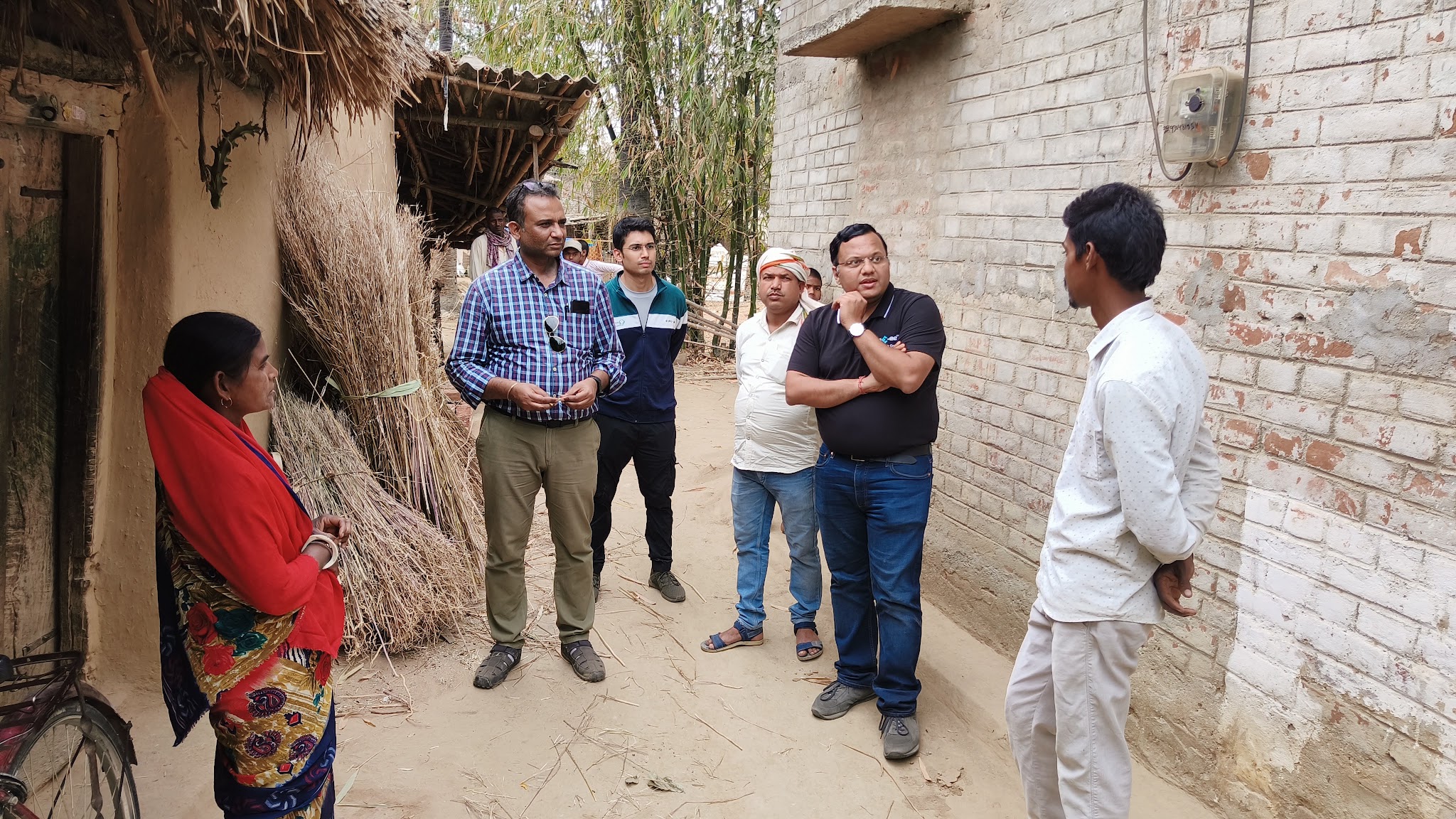
Primary data is original information you collect first-hand, yourself, for a specific purpose – directly from the source, at the moment it matters. Because you design and control the collection, it is current, specific and reliable; the trade-off is that it takes time, effort and reach to gather.
- Examples: a field survey you commission, interviews, a shop audit, direct observation, a geo-tagged count of trees or assets, a household survey.
What is secondary data?
Secondary data is information that already exists because someone else collected it – usually for a different purpose. It is fast and cheap to obtain, and good for context, but it may be dated, too general for your question, or collected to a standard you cannot verify.
- Examples: government census and survey reports, industry research reports, company records, published datasets, a competitor’s market study.
What is tertiary data?
Tertiary data is a step further removed again: it compiles, indexes or summarises primary and secondary sources rather than presenting original findings. It is useful for orientation – a quick overview or a pointer to where the real data lives – but it is the most processed and the furthest from the ground.
- Examples: encyclopedias, almanacs, directories, abstracts and indexes, aggregated databases, review articles – and, increasingly, AI chat summaries that stitch together other people’s data.
Primary vs secondary vs tertiary, side by side
Primary
First-hand, from the source
Current, specific, controllable, verifiable. Costs time and reach to collect – but it is the only data that reveals something new.
Trust
Highest – you control how it was collected.
Secondary
Reused, by someone else
Fast and cheap. Good for background, but often dated, generic and collected to a standard you cannot check.
Trust
Medium – depends on the original source.
Tertiary
Summarised & indexed
A compilation of secondary sources. Handy for orientation, but the most removed from the ground and easiest to get subtly wrong.
Trust
Lowest for decisions – use it to find, not to decide.
How they really differ
Why primary data wins
Secondary and tertiary data are everywhere, free and instant – and that is the trap. The world is awash in reused information, so it is tempting to build decisions on it. But a decision is only as good as the data under it, and reused data has three quiet problems: it is old (the world moved on), it is generic (it answered a different question), and you cannot verify how it was collected. The signal degrades with every copy – like a photocopy of a photocopy. The moment your decision depends on something current, local and specific – what these shops actually stock, what these farmers actually grew, what these households actually earn – only primary data will do. That is why the organisations that win are the ones willing to go and collect it.
Need primary data – collected first-hand across India?
Anaxee collects verified primary data on the ground – surveys, retail, agri, verification – geo-tagged and quality-checked, fully managed or through our app for your own team.
When to use which
The honest answer is: use all three, in order. Start with tertiary to orient yourself and find what exists. Move to secondary for background and to avoid re-collecting what is already known. Then invest in primary for the part your decision actually rests on – the current, specific, local facts no existing dataset contains. Smart teams do not collect everything first-hand; they collect the right things first-hand.
How Anaxee helps
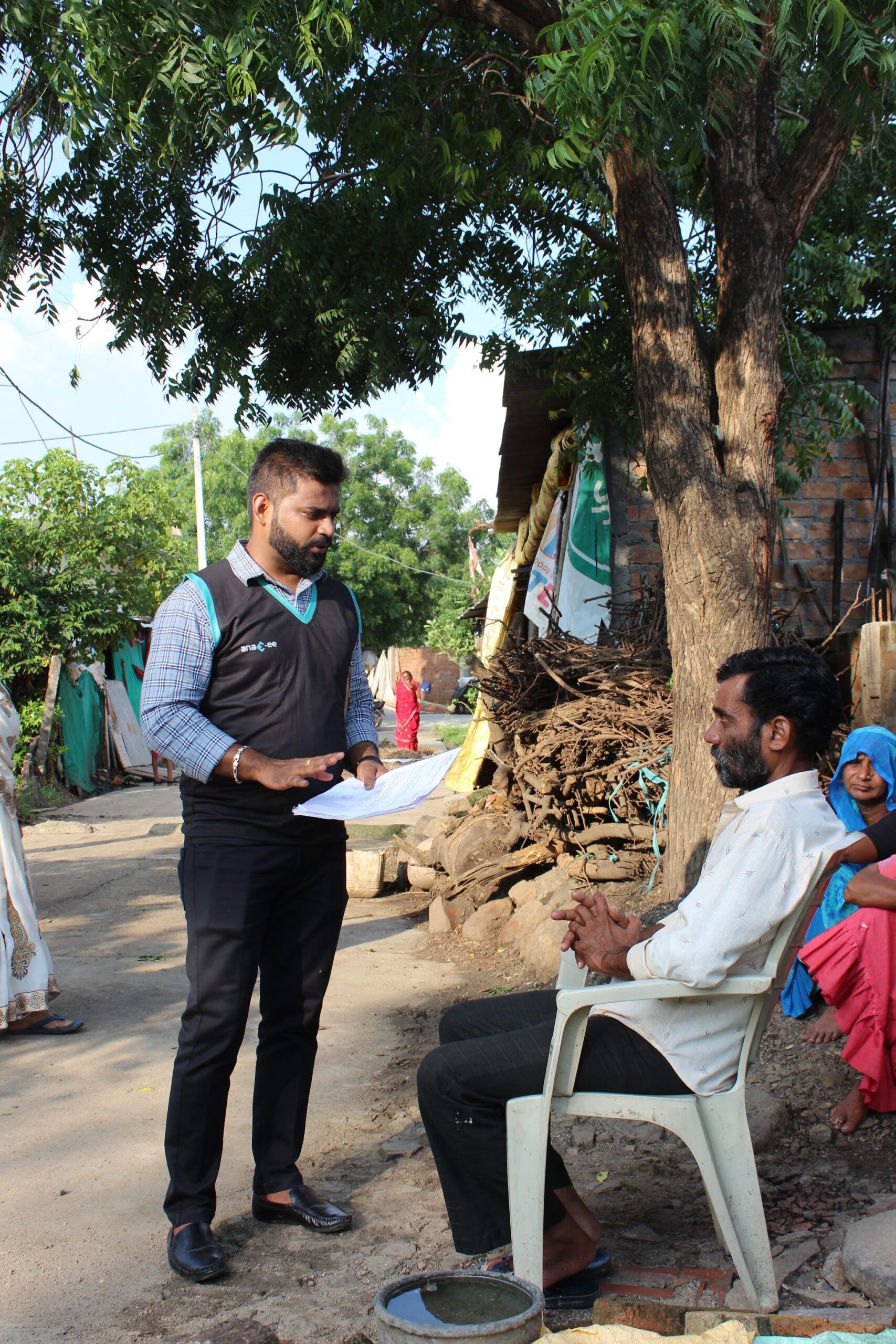
Anaxee – India’s Reach Engine, a National Startup Award winner – is built to collect primary data at scale: 40,000+ field executives across 540 districts gathering verified, first-hand data – surveys, retail, agri, verification – every record geo-tagged and quality-checked on a live dashboard. Use it fully managed (our people and app), or take the Anaxee Partner app as software for your own team. Either way, you get primary data you can trust – see how Anaxee delivers.
Proof – primary data at scalePrimary data collected first-hand and verified across India. See all case studies →

Tell us about your data need
Share what to collect, where and how much – our team will get back within one working day.
Frequently asked questions
What is the difference between primary, secondary and tertiary data?
What is an example of primary data?
What is an example of tertiary data?
Which type of data is most reliable?
Why is primary data important if secondary data is free?
The bottom line
Primary, secondary and tertiary data form a chain from the real world to a tidy summary – and every link away from the source costs you freshness, specificity and trust. Use secondary and tertiary to orient and save effort, but invest in primary data for the facts your decision truly depends on. In a world overflowing with reused information, the ability to collect real, first-hand data is the edge – and it is exactly what Anaxee does.
Talk to Anaxee – whichever way is easiest