BLOG
How to Design Survey Questions People Will Actually Answer
 About Anaxee
40,000+ Digital Runners · 540 districts · 26 states · 11,000+ pincodes of reach
Every survey lives or dies on its questions. You can have the best field team in the country, but if the questionnaire asks the wrong thing the wrong way, you collect confident, useless data. And the hardest questions are not the complicated ones – they are the sensitive ones, the ones people quietly refuse to answer truthfully.
This is a practical guide to designing survey questions people can and will answer – including the technique Anaxee uses every day to get sensitive information without ever asking for it directly.
The two questions behind every question
Before you write a single question, ask two things about it:
Questions that fail the first test produce noise. Questions that fail the second produce lies. Both ruin the dataset – and both are fixable in the design.
The technique: ask it indirectly
Here is the move that separates a good questionnaire from a naive one. You almost never ask a sensitive question directly. You ask a few easy, non-threatening questions that triangulate the answer.
Take income – the classic example. “What is your salary?” gets refused, rounded, or inflated. So you do not ask it. Instead you ask:
- What is your age?
- How many years of work experience do you have?
- Which company do you work at?
- What is your role or designation?
None of those feels invasive, and together they place the person in a clear income band – often more reliably than a direct answer would. The respondent stays comfortable, and you still get what you needed. That is survey design as a craft, and it applies far beyond income:
| Sensitive topic | Don’t ask directly | Ask instead (proxies) |
|---|---|---|
| Income / salary | ✕ “What do you earn?” | ✓ Age, years of experience, employer, designation |
| Household wealth | ✕ “How rich is your family?” | ✓ Type of house, assets owned (fridge, TV, two-wheeler, car), cooking fuel, land – the standard “wealth index” approach |
| Spending power | ✕ “What is your monthly budget?” | ✓ Which brands/categories they buy, how often, pack sizes |
| Exact age | ✕ “How old are you?” (sometimes refused) | ✓ Year of birth, or a life-stage band (18-24, 25-34…) |
| A touchy opinion | ✕ “Do you do X?” | ✓ “Some people do X, others don’t – what about you?” (third-person framing lowers the stakes) |
A note on the genuinely sensitive attributes – caste, religion, health. Collect these only when the study truly requires them, always with the respondent’s consent, as optional, and handle the data responsibly. Often a proxy or a broad band is enough; an exact, personal answer is rarely worth the discomfort or the refusal.
Designing a survey? Let us design the questions with you.
Anaxee builds questionnaires that respondents actually answer – closed where it counts, indirect where it is sensitive, in the local language – then runs them across 540 districts, verified.
Rules for questions people can answer
Mistakes that quietly wreck a questionnaire
Structure, order and length
The order of questions matters as much as their wording. Start with easy, non-threatening questions to build comfort; put sensitive questions late, once trust is established; use skip-logic so people only see what applies to them; and keep it short – every extra question lowers completion and quality. Then, always, pilot the questionnaire with a handful of real respondents before the full survey. You will discover a “clear” question that everyone reads differently – and fix it before it costs you thousands of records.
How Anaxee helps
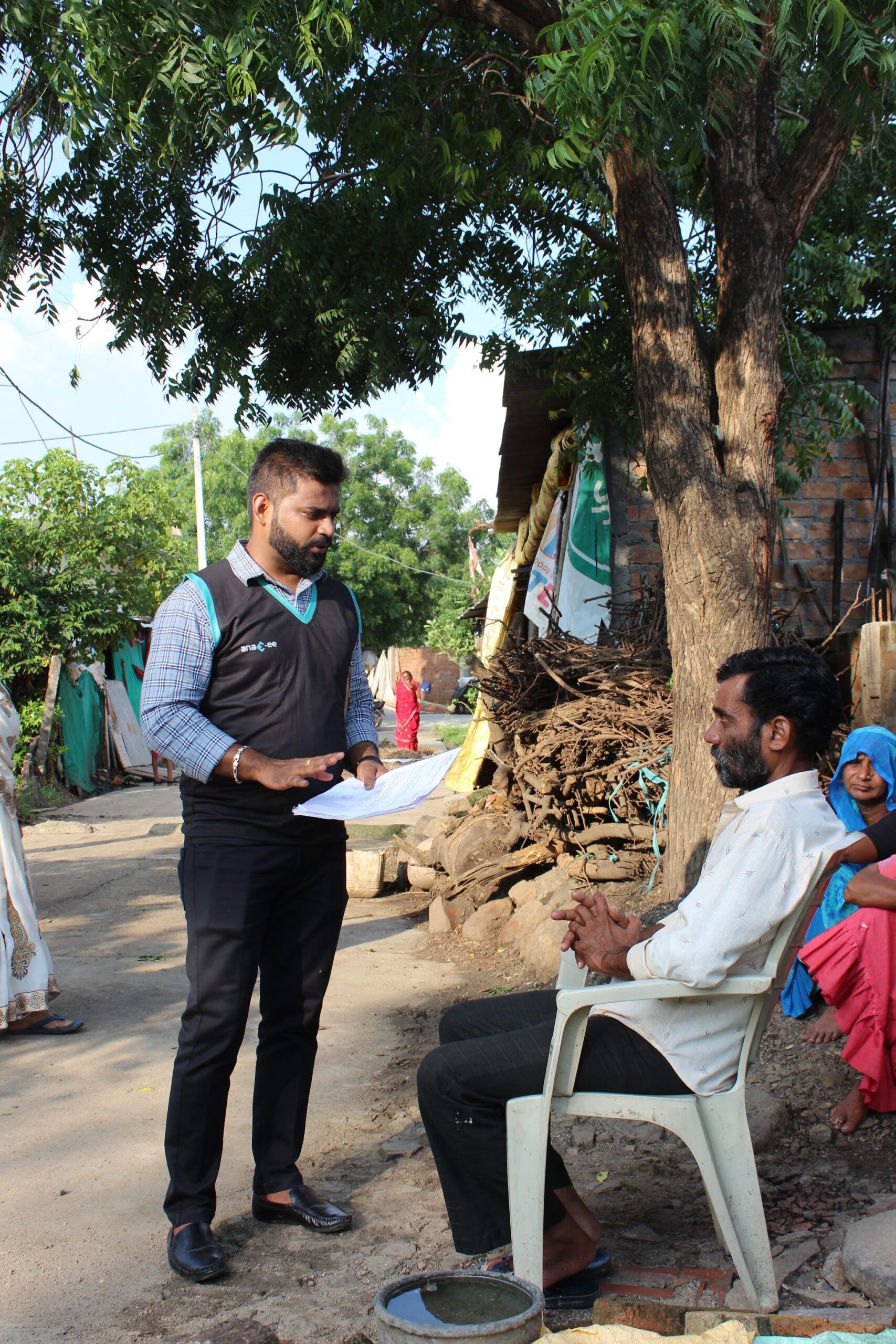
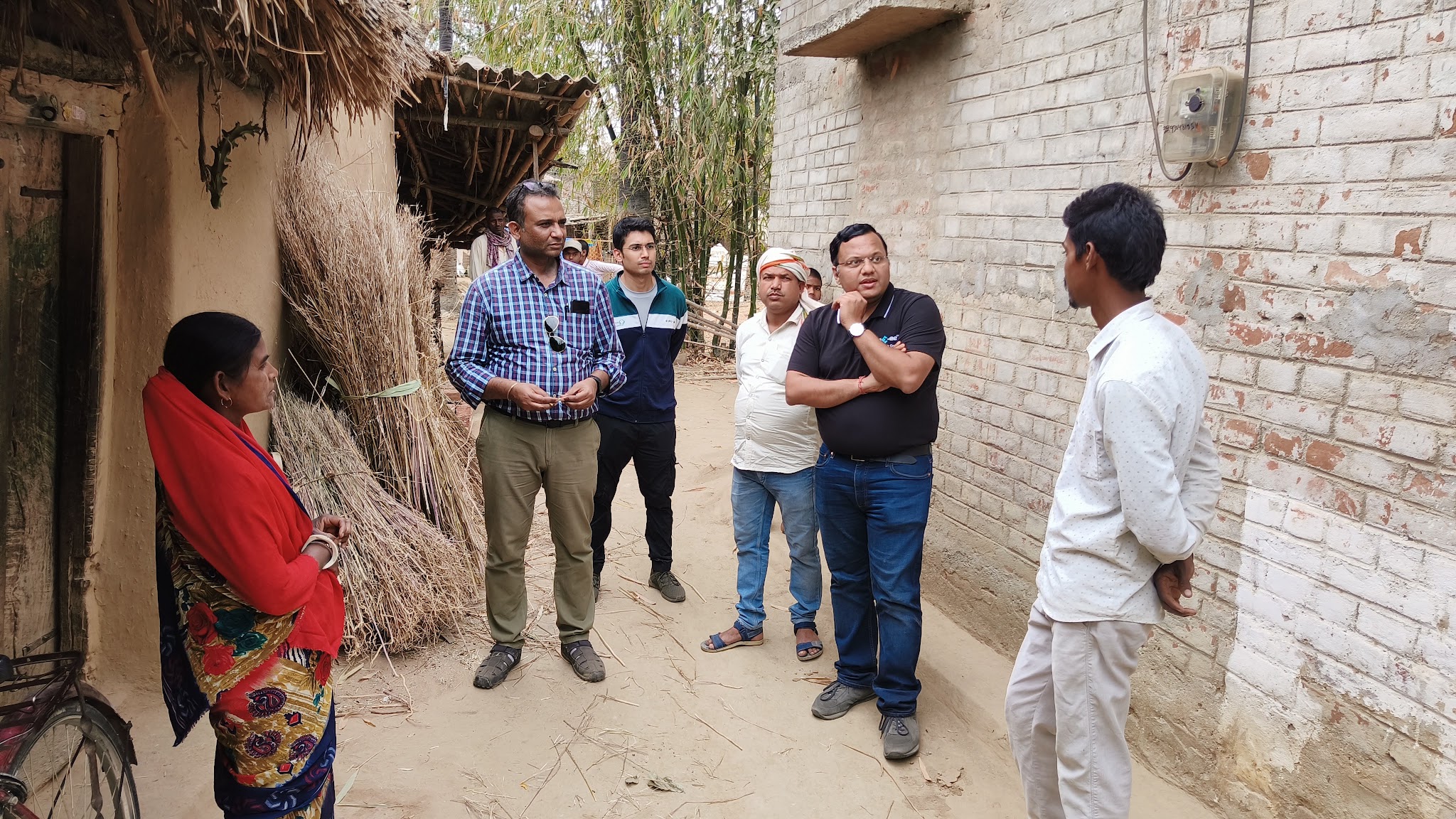
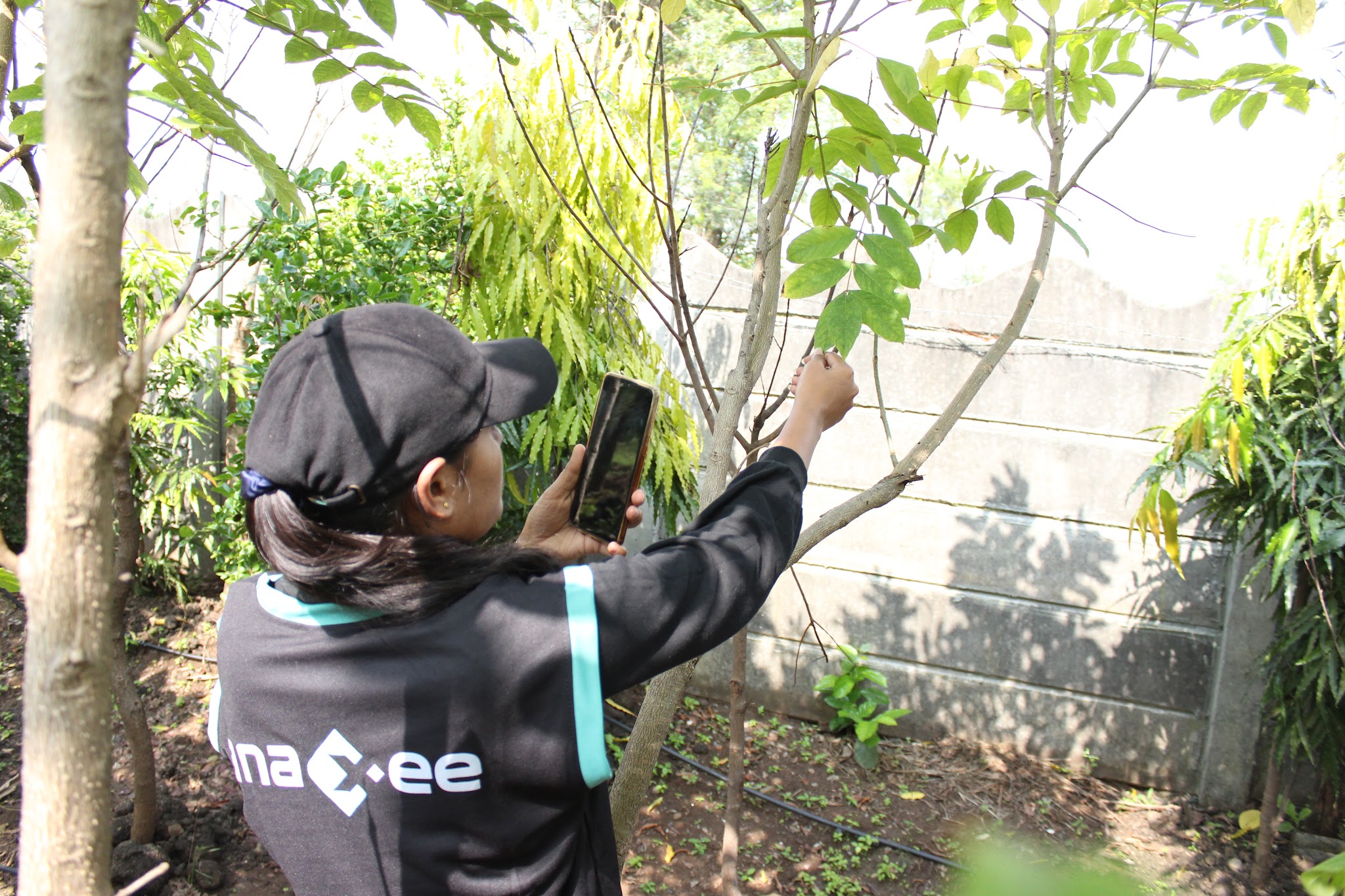
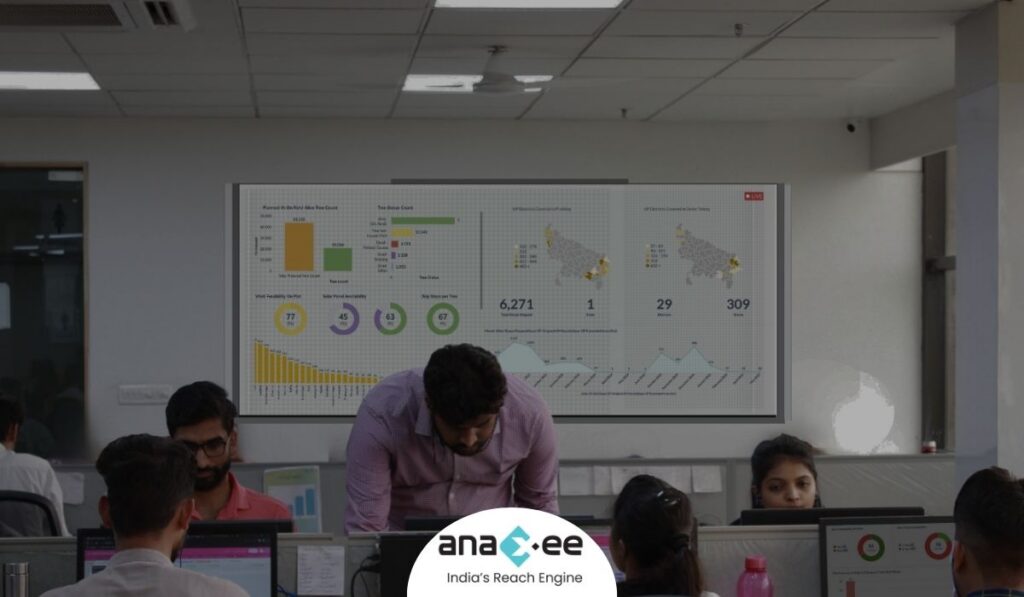
Anaxee – India’s Reach Engine, a National Startup Award winner – does not just collect data; it helps design the instrument that collects it well. Over surveys of shops, farms and farmland, trees and households across India, we have learned exactly which questions people answer honestly and which they dodge – and how to phrase the hard ones so they do not. Then we run the survey across 540 districts, in the local language, every response verified on a live dashboard. See large-scale field surveys.
Proof – surveys designed & run at scaleQuestionnaires designed for shops, farms, trees and homes – and answered honestly, at scale. See all case studies →
What happens when you reach out to Anaxee
- Tell us what you want to learn – the questions behind your survey – by form, WhatsApp or a call.
- A real person calls back – our Indore team, within one working day.
- We design & pilot the questionnaire – then run it, verified, on a dashboard you can open yourself.
A 150+ person team in Indore and 40,000+ field executives – who have asked millions of questions and know which ones work.
Tell us about your survey
Share what you want to learn – our team will help design the questions and get back within one working day.
Frequently asked questions
How do you ask about income in a survey without asking directly?
What makes a good survey question?
What is a leading question and why avoid it?
Should survey questions be open or closed?
Where should sensitive questions go in a survey?
The bottom line
Designing a survey is not about writing down what you want to know – it is about writing questions people can and will answer. Keep them clear and one-at-a-time, closed where you can, neutral always – and for anything sensitive, ask it sideways, through easy proxies, rather than head-on. Get the questions right and the data almost takes care of itself. That craft, applied across India, is what Anaxee brings.
Talk to Anaxee – whichever way is easiest