Climate Training Made Simple: Anaxee’s All-in-One Learning Program on Climate Change, Carbon Credits & Projects

Climate Knowledge for Everyone: Anaxee’s Climate Partner Training on Climate Change, Carbon Credits & Projects

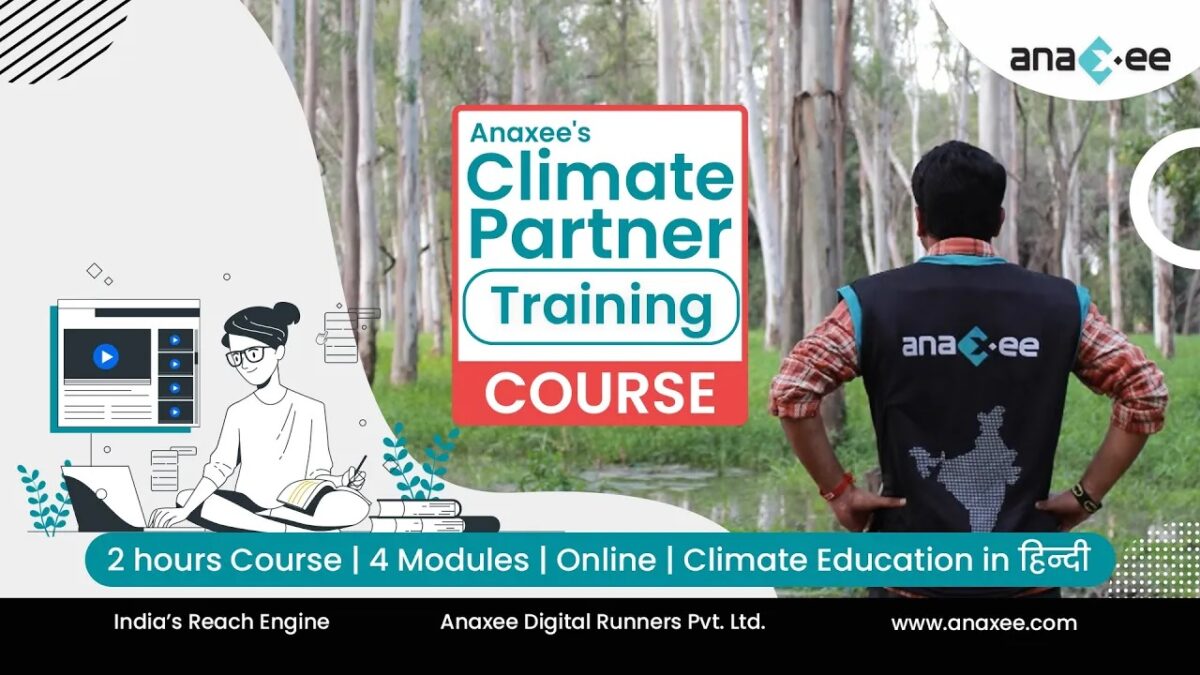
Anaxee's Climate Partner Training Course to learn about Climate Change, Carbon Credits and Carbon Projects

Climate change is no longer a distant threat. It’s here, and it’s affecting our crops, our water, our health, and our economy. Yet most people, especially in rural and semi-urban areas, struggle to understand what climate change is and how it impacts their everyday life.

At Anaxee, we believe that the first step to solving a problem is understanding it. That’s why we’ve launched a simple, comprehensive, and affordable Climate Partner Training Program that breaks down complex concepts into bite-sized, easy-to-learn modules. This program is designed not for scientists or policymakers, but for real people working on the ground- field staff, students, NGO professionals, CSR teams, and anyone who wants to contribute to the climate movement.

Why We Built This Program:

India has immense potential to lead in the global climate effort. We have the land, the people, and increasingly, the technology. What we often lack is climate literacy at the grassroots. When people know why they are doing something, they do it better.
That’s what this training solves.

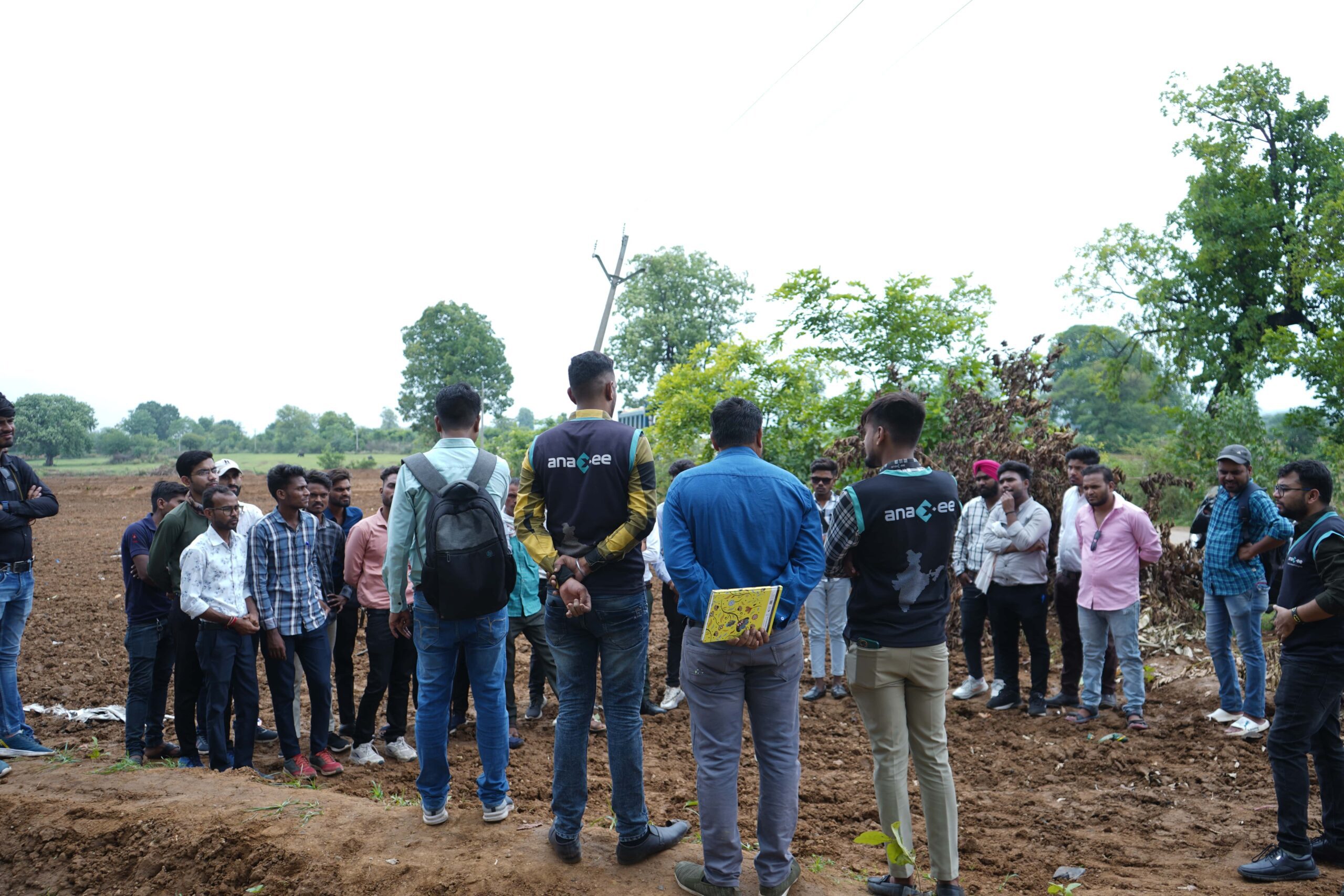
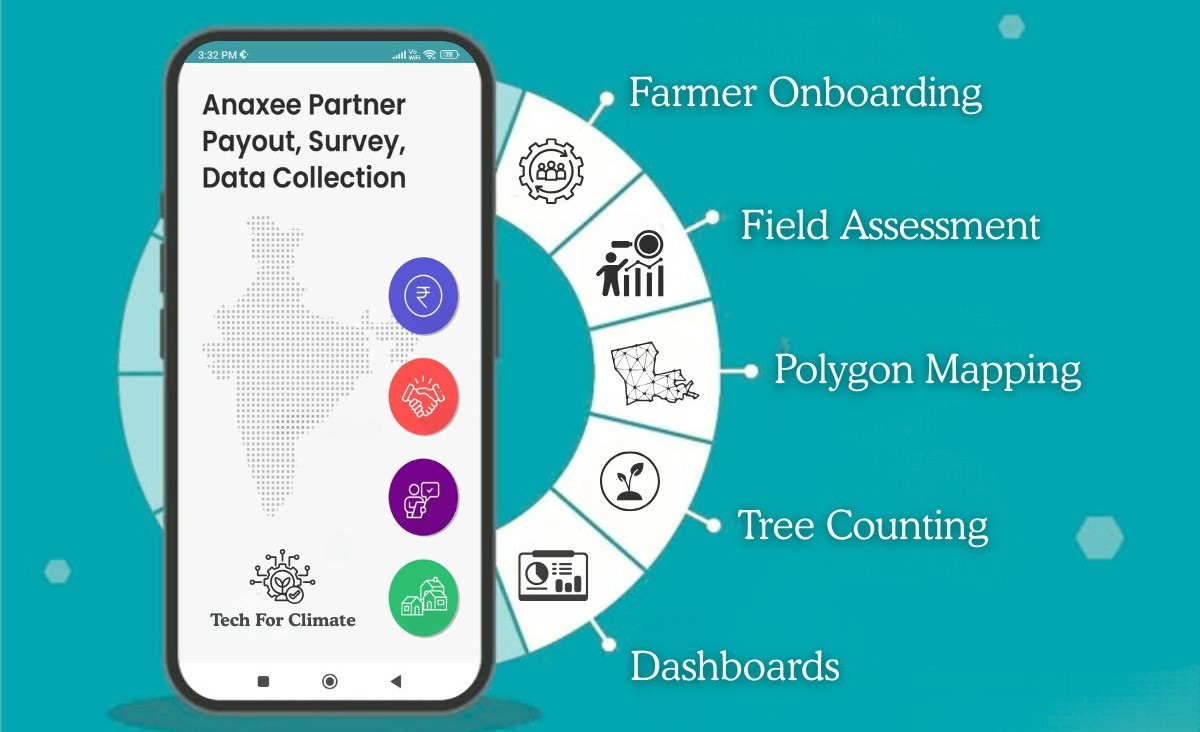
We’ve trained over thousand Digital Runners across India who execute projects like tree plantations, clean cooking stove distribution, and data collection. Now, we’re giving them (and you) the knowledge to understand the science and the purpose behind it.

And the best part? It’s available in simple Hindi, accessible from any device, and costs just ₹499 per year.


What Does the Climate Partner Training Include?

The training is divided into four modules, each designed to take the learner on a step-by-step journey from awareness to action. Here’s what’s inside:

Module 1: Understanding Climate and Climate Change
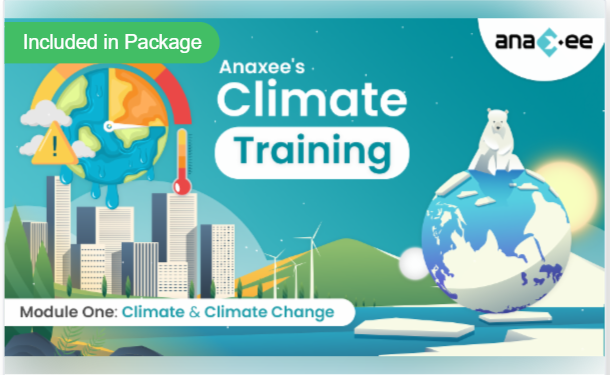
Anaxee's Climate Partner Training Module One- Introduction to Climate and Climate Change

This foundational module sets the stage by answering basic but important questions:

– What exactly is “climate”?
– How is it different from weather?
– What are the key indicators of climate change?
– How is human activity responsible?

Format: Video lecture + PDF article + Multiple-choice assessment

The goal here is to help every participant, no matter their background, understand the scientific reality of global warming and its connection to their daily life. The content uses regional examples, animations, and analogies to keep it relatable.

Module 2: Carbon Emissions and the Greenhouse Effect
Anaxee's Climate Partner Training Module Two- Carbon Emission & Green House Effect

Now that learners understand the problem, this module dives into what causes it:

– How different sectors (transport, energy, industry, agriculture) emit carbon
– What is the greenhouse effect?
– How do carbon sinks like forests and soils help?
– What are the consequences of rising emissions?

Includes a Hindi explainer PDF that translates technical terms like CO2, CH4, GHG, etc., into easy language. Also includes emotional storytelling on climate disasters and their root causes.

Format: 3 videos + 1 document (in Hindi) + Quiz

Module 3: Emission Reduction and Sustainable Solutions
Anaxee's Climate Partner Training- Module Three- Introduction to Preventative Steps & Emission Reduction

This module is action-oriented. Learners explore:

– What emission reduction means in real-world terms
– Breakdown of emissions by sector (buildings, transport, waste, etc.)
– How individuals, companies, and communities can reduce emissions
– How it connects with the UN’s Sustainable Development Goals (SDGs)

We also introduce tools like carbon calculators, simple lifestyle changes, and community-based projects that lower carbon footprints. Learners see examples of:

– Electric scooters replacing diesel ones
– Solar panels on rooftops
– Waste segregation and biogas units

Format: Videos + SDG Article + Interactive Quiz

Module 4: Carbon Credits & Climate Projects
Anaxee's Climate Training- Module Four: Carbon Credit & Carbon Projects

This is the most applied module, where learners see how climate knowledge translates into real projects and finance.

It includes:

– What is carbon finance?
– What is a carbon credit?
– Who buys credits, and who earns them?
– How do field-level actions convert into carbon credits?
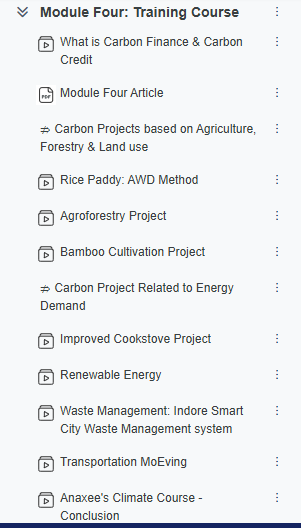
Gallery of Carbon Projects

We use Anaxee’s own experience to explain:

– Agroforestry Projects – How bund plantations help farmers and sequester carbon

– Improved Cookstove Projects – Reducing indoor air pollution and firewood use

– Bamboo Cultivation Projects – Fast-growing carbon sinks

– Clean Energy Projects – Solar, EVs, and energy efficiency

– Waste Management – Based on Indore’s smart city model

– Green Transportation – Partnering with MoEVing and others

Each project section includes:

– Short case study
– Visual explanation

Format: 8+ Video modules + PDF Articles + Assessment + Final Conclusion


What Makes Anaxee’s Training Unique?

There are many climate courses online, but few are:

– In Hindi and built for Indian learners
– Based on real field experience from 540+ districts
– Designed for non-technical audiences
– Used by an actual implementation company working on verified carbon projects

This is not theory-only. This is practice-based climate learning.

We use this exact same training to upskill our internal teams and partners. Our Digital Runners, field managers, outreach teams, and even new corporate partners take this course before project execution.

That means you’re learning what real practitioners learn.


How It Helps You (or Your Organization)

– If you run a plantation or agroforestry program, you’ll understand how to make it carbon-credit eligible
– If you promote clean cooking, you’ll understand the science behind emission savings
– If you work with e-vehicles or solar, you’ll learn how those contribute to net-zero goals
– If you’re in CSR or ESG, this training equips your field teams with the context behind your goals
– If you’re a student or educator, this is a complete primer on carbon and climate topics in local language


Pricing & Access
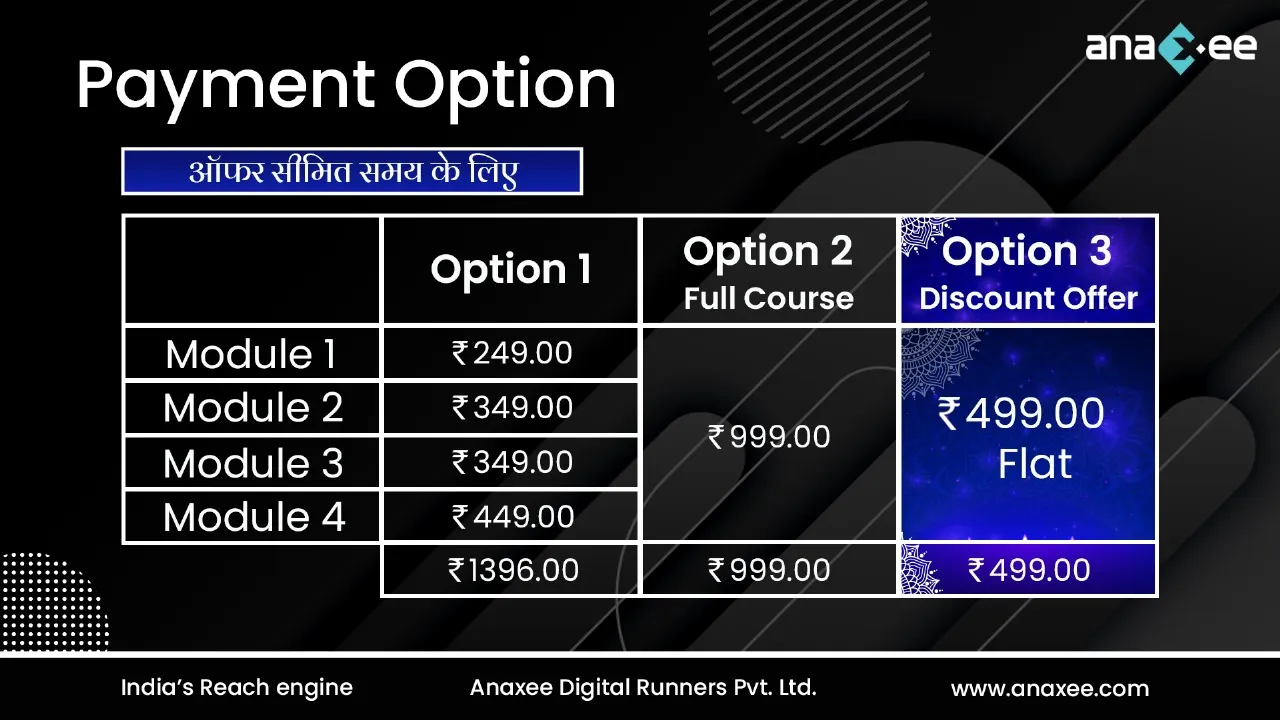
 

Payment option for Anaxee's Climate Partner Training Course


– Cost: ₹499 (One-time)

– Access: 1 Year (Unlimited viewing)

– Device: Mobile-friendly, works on phones, tablets, desktops

– Includes: Video Lectures, Articles, Quizzes, Certificate

We’ve intentionally priced this affordably to ensure climate education is not limited to elite classrooms or urban audiences.


How to Enroll?

Visit- https://o.anaxee.com/climatepartnertraining

Click on Enroll Now, make payment, and start learning. It’s that simple.


Final Thoughts: Learning Climate by Doing

India will play a decisive role in the global climate battle. But change doesn’t just come from policy or top-down pressure. It comes from millions of people understanding, caring, and acting.

This training is a step in that direction.

It enables you to:

– Think critically about climate issues
– Communicate effectively on climate topics
– Understand carbon projects and green finance
– Join a growing ecosystem of action-driven climate workers

So whether you’re in a village, a university, an NGO office, or a corporate boardroom, this course is for you.


Call to Action

🎓 Enroll Today – For just ₹499, get access to India’s most practical, people-first climate training program.

🌱 Upskill Your Field Team – Equip them with knowledge, not just instructions.

🔗 Click Here to Start-  https://o.anaxee.com/climatepartnertraining
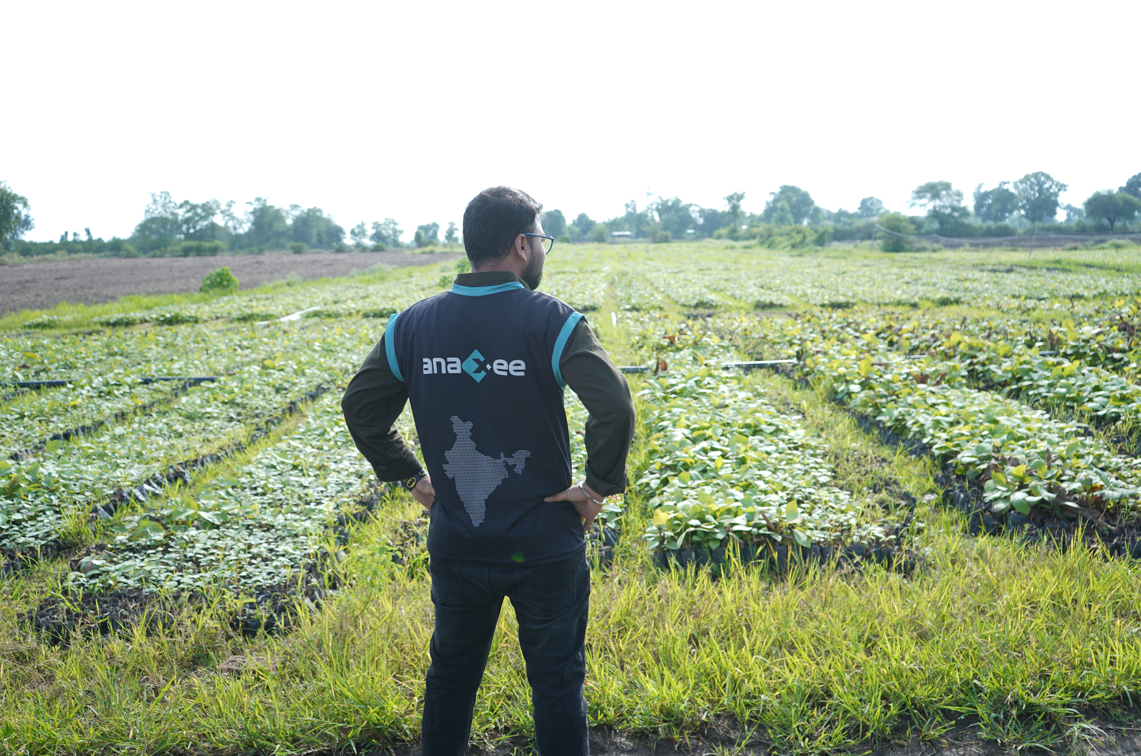
Field Worker Sapling nursery agroforestry carbon project in India


How Anaxee Is Leading Climate Action in Developing Nations via Nature-Based Carbon Credits

Anaxee Emerges as a Climate-Change Frontrunner in the Developing World with High-Integrity Nature-Based Carbon Credits

1. Climate Finance’s Brutal Math

Developing economies need USD 359 billion per year just for climate adaptation- yet public flows reached only USD 28 billion in 2022, leaving a yawning gap. The mismatch is even starker for mitigation: analysts project demand for voluntary carbon credits could grow 15-fold by 2030, pushing the market well past USD 50 billion.

Shortfall + soaring demand = a unique moment for credible, nature-based carbon projects—if they can prove impact, fend off “green-washing,” and reach dispersed rural stakeholders.


2. Why Nature-Based Credits Still Matter—Integrity or Bust

– High Abatement Potential: NbS could deliver 30-40 % of the CO₂e reductions required for a Paris-aligned pathway.

– Cost Curve Advantage: Median delivery costs hover between USD 10-40 / tCO₂e- competitive even after recent market corrections.

– Co-Benefits: Restored soils, diversified farmer income, biodiversity gains- outcomes investors increasingly price in.

But integrity is non-negotiable. ICVCM’s new Core Carbon Principles and updated SBTi guidance tilt capital toward projects with transparent baselines, rigorous MRV, and community buy-in.


3. Meet Anaxee: India’s Climate Execution Infrastructure
Field Workers for Agroforestry Project in India

India’s Reach Engine- 50,000 Digital Runners deployed across 26 states, 540+ districts, 11,000+ PIN codes.

Founded in Indore, Anaxee Digital Runners Pvt Ltd turns the hardest part of any carbon project—ground truth—into a repeatable service layer:

Core Asset What It Does Why It Matters
Digital Runners Community-embedded field agents with geo-tagged mobile app Verifiable data, fluent local languages, instant scale-up
Tech for Climate™ Platform Remote-sensing + drone imagery + AI tree-count + blockchain audit trail End-to-end traceability that satisfies Verra, Gold Standard, CCTS, etc.
Last-Mile Ops Logistics, training, distribution (e.g., 125,000 improved cookstoves delivered) Converts registry paperwork into real-world impact

Result: Anaxee delivers nature-based carbon projects that international buyers can audit, de-risk, and scale.


4. The Execution Gap- and How Anaxee Closes It
4.1 Farmer On-Ramp at National Scale

– Polygon-based land mapping within the mobile app
– Instant identity + consent workflow in 11 regional languages
– In-app agronomy prompts nudging farmers toward regenerative practices

4.2 Transparent MRV

1. Baseline Survey → Digital Runners collect soil, biomass, and socio-economic data.

2. Remote-Sensing Layer → Sentinel-2/PlanetScope imagery feeds biomass & canopy models.

3. Continuous Monitoring → Periodic drone fly-overs; sensor data synced to immutable ledger.

4. Third-Party Audits → Data packets served via API to accredited auditors, reducing field costs by up to 40 %.

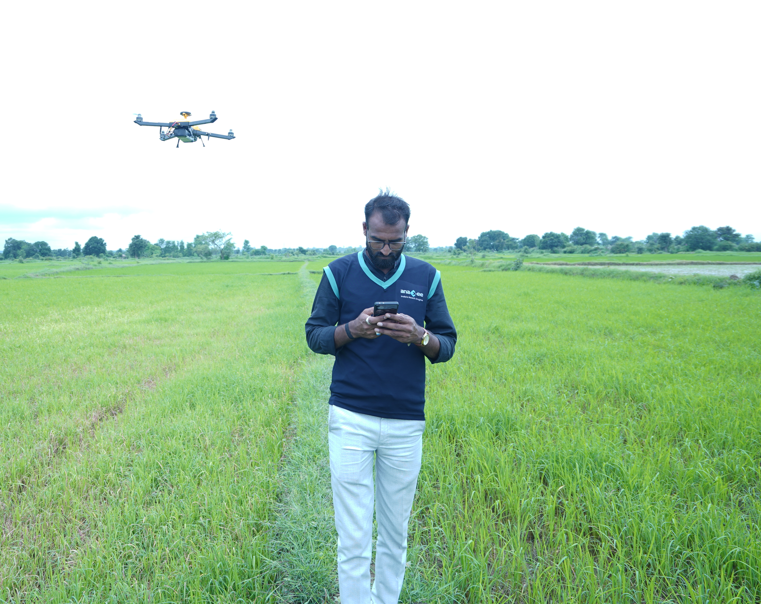
Drone Tree Counting for Agroforestry Project in India


4.3 Benefit-Sharing Engine

Revenue split is codified in smart contracts- farmers see a direct wallet transfer when credits are issued, minimizing leakage risk and boosting adoption rates.


5. Portfolio Snapshot (2023-2025)

6. Tech for Climate™- Under the Hood
Nature-Based (NbS) and Community projects. (Agroforestry, Regen Agriculture, Solar devices, Improved Cookstoves, Water filters, LED lamps, etc.) worldwide.
 

The platform is registry-agnostic: Anaxee pipes verified data directly into Verra’s project ID structure or GS Impact Registry, slashing lead times by 20–30 %.


7. Validation & Integrity Guardrails

– Standards: Verra, Gold Standard, CCB, CDM & emerging CCTS-India pathways

– Validation/Verification Bodies (VVBs): TÜV Rheinland, Climate Impact Partners, EPIC Sustainability

– Core Carbon Principles (ICVCM): Full alignment on baseline additionality, permanence buffers, and robust stakeholder consultation

Investors gain credits that clear the growing “quality filter” of institutional buyers—no stranded inventory risk.


8. Why Now? Three Macro Signals You Shouldn’t Ignore
  1. Policy Tailwinds – India’s Carbon Credit Trading Scheme formally opens domestic demand in 2025, with exporters already prepping for a compliance top-up.

  2. Market Integrity Reset – ICVCM’s Core Carbon Principles became live in March 2025; early movers securing “CCP-labelled” credits enjoy a price premium.

  3. Supply-Demand Squeeze – McKinsey forecasts durable removal demand alone at 100 MtCO₂e by 2030; NbS demand could be higher even after conservatism discounts.

The upshot: high-quality nature-based credits from trusted platforms will not sit unsold.


9. Call to Action
Invest where impact meets execution.

Whether you’re a corporate chasing SBTi-aligned targets, an impact fund hunting credible returns, or a philanthropist scaling climate justice, Anaxee offers a pipeline that is execution-ready, traceable, and community-positive.


Ready to co-create climate impact at scale?
Reach us at sales@anaxee-wp-aug25-wordpress.dock.anaxee.com

Tech for Climate for Nature based Carbon Project


Top Carbon Project Developers in India | Anaxee’s Tech for Climate


Carbon Project Developers in India: Who’s Driving the Climate Action and Why Anaxee Matters

India’s role in global climate action is only getting bigger. With its vast agricultural base, large rural population, and rising energy demands, the country presents both a climate challenge and a massive carbon mitigation opportunity.

At the center of this transition are carbon project developers– the organizations that design, implement, and monitor projects that reduce or remove greenhouse gas (GHG) emissions. These could range from agroforestry and regenerative agriculture to improved cookstoves, solar devices, and more.

But in a country as vast and complex as India, execution at the last mile– especially in rural and semi-urban areas- is the biggest barrier.

That’s where Anaxee’s Tech for Climate steps in.

Nature-Based (NbS) and Community projects. (Agroforestry, Regen Agriculture, Solar devices, Improved Cookstoves, Water filters, LED lamps, etc.) worldwide.


Who Are Carbon Project Developers in India?

Carbon project developers are specialized organizations that create and implement projects that generate verified carbon credits. These credits are sold in compliance or voluntary carbon markets, offering both revenue and environmental benefits.

They typically work with:

– Smallholder farmers

– Rural households

– Forest communities

– Renewable energy providers

– CSR partners and NGOs

These developers handle the complex tasks of:

– Methodology selection (like Verra VM0047, Gold Standard, etc.)

– Baseline assessments

– Community engagement

– Data collection

– Monitoring, reporting, and verification (MRV)

The Indian landscape is unique—deeply rural, agriculturally intense, and governed by diverse ecological and social systems. Effective carbon project development here demands scale, trust, and local knowledge.


Why India is Ground Zero for Carbon Projects:

India is fertile ground for nature-based and community-led carbon projects because:

– 60%+ population lives in rural areas: Perfect for community and household-level interventions.

– Diverse agro-climatic zones: Opportunities for agroforestry, soil carbon, and afforestation.

– Policy push from Indian government: India’s Carbon Credit Trading Scheme (CCTS), Green Credit Program, and commitment to net zero by 2070 are driving momentum.

– CSR Funding: Corporates are aligning CSR budgets with carbon and sustainability goals.

All these factors make India one of the most attractive markets for carbon developers globally.


But Carbon Project Development in India Isn’t Easy-

Anaxee team member inspecting sapling nursery for carbon-grade TOF plantation under afforestation project in IndiaDespite the opportunity, project developers in India face major hurdles:

  1. Lack of on-ground presence
  2. Difficulty in accessing remote communities
  3. Unreliable data collection
  4. High transaction costs
  5. Low digital penetration in rural areas
  6. Verification bottlenecks
  7. Delayed impact reporting

The bottleneck is clear: execution at scale with integrity. Without that, even the best-designed project risks falling apart.


Enter Anaxee: India’s Tech for Climate Backbone

Anaxee is India’s largest last-mile outreach engine, with a tech-enabled field force of over 50,000 Digital Runners operating across:

– 26 States
– 540+ Districts
– 11,000+ Pincodes

We don’t just reach India- we bring accountability and transparency to carbon project execution in Bharat.


What Makes Anaxee a Game-Changer for Carbon Project Developers?

1. Scale and Speed

Whether it’s planting 10,000 trees in Bundelkhand, deploying 500 clean cookstoves in rural Bihar, or enrolling 1 lakh farmers in Madhya Pradesh for regenerative agriculture- Anaxee can mobilize feet-on-street in days, not months.

2. Tech-Driven Transparency
Drone Tree Counting for Agroforestry  Project in India

We’ve built our own field force management system, geotagging tools, and data dashboards to:

– Monitor field-level activities in real-time
– Monitoring the device and survival rates (e.g. cookstoves, solar lamps)
– Report anomalies instantly
– Generate verifiable data trails

3. 100% On-ground Visibility

We don’t believe in assumptions. Our Digital Runners go door-to-door to collect data, conduct surveys, train users, and monitor impact- physically, not virtually.

4. Custom Tech for Carbon Projects

We tailor tech stacks for different methodologies:

– Agroforestry (VM0047): Census-based monitoring tools
– Improved Cookstoves: Monitoring tracking via mobile app
– LED/Water Filters: QR-based tracking and servicing logs
– Soil Carbon: Farmer plot-level data aggregation
– Biochar: Structured Process to making and application of biochar in india


What Kind of Projects Can We Help With?

Anaxee works with carbon project developers, climate investors, CSR teams, and methodology consultants to implement:

Project TypeMethodologyAnaxee’s Role
Agroforestry BundsVerra VM0047Plantation + Monitoring
Regenerative AgricultureSoil Carbon / VerraFarmer enrolment + Data
Clean CookstovesGS / CDMDeployment + Monitoring
Solar Devices / LEDsVerra / GSDistribution + QR tracking
Safe Water FiltersGold StandardDeployment + Field Audits

Why Choose Anaxee as Your Execution Partner?

FeatureTraditional ModelsAnaxee
Local ReachLimitedPan-India
Tech for MRVOutsourcedBuilt-in
Foot-on-Street ExecutionAgency-basedOwned Network
Real-Time DataRareAlways-On Dashboard
Field TransparencyManualAutomated
Cost-Effective ScalingDifficultSeamless

Partnership Models We Support

We work with:
– Project Developers looking to implement at scale
– Carbon Finance Investors seeking on-ground execution
– Consultants building MRV systems
– Corporates (CSR) funding carbon-related impact

Whether you’re designing a new project, scaling an existing one or need consultation, Anaxee can be your Execution and Monitoring Partner across India.


The Bottom Line: Execution is the Differentiator

India doesn’t just need more carbon projects- it needs carbon projects that work.

That means:

– Reaching the last mile
– Building community trust
– Monitoring with accuracy
– Verifying with evidence

Carbon project developers who partner with Anaxee don’t have to worry about these bottlenecks. We solve them with a combination of people, tech, and accountability.


Ready to Scale a Carbon Project in India?

If you’re a developer, investor, or CSR team planning a carbon project in India, connect with Anaxee today.

– We’ll bring the scale.
– We’ll bring the transparency.
– We’ll bring the tech.
– You bring the climate mission.


🔗 Contact Us

📧 Email: sales@anaxee-wp-aug25-wordpress.dock.anaxee.com 


Field Worker Sapling nursery agroforestry carbon project in India

Digital MRV for Trees Outside Forests: Cutting Carbon Verification Costs by 70 %

Digital MRV for Trees Outside Forests:

Introduction

Carbon finance can transform rural India- but only if verification is swift and affordable. Traditional field audits cost $4–$7/ha/year and take months. For scattered TOF plantations, that’s a deal‑breaker. Enter Digital MRV (Monitoring, Reporting, Verification)—a blend of satellite analytics, drone LiDAR, and smartphone data capture.

This blog unpacks a pragmatic MRV stack tailored for India’s TOF landscape, based on methodologies described in FSI’s Technical Information Series (2020) and Anaxee’s field pilots.


1. Why Conventional MRV Fails for TOF

  • Fragmentation: 80 % of TOF volume sits in scattered trees across > 50 million farmers.
  • Access: Linear plantations hug canals, railways, remote village tracks.
  • Cost vs Credit Value: A 1‑ha bund plantation may yield 3 tCO₂e/year (~$30). Spending $10 on audits kills the profit.

2. The Digital MRV Stack

Layer Tool Frequency Output
Baseline Sentinel‑2 & PlanetScope imagery Once Crown cover & biomass model
Inventory Drone orthomosaic + LiDAR Year 0 & 5 High‑resolution canopy height model
Growth Monitoring Mobile app + QR tree scans Bi‑annual DBH & health status
Verification Randomized AI‑selected spot audits Yearly 95 % confidence biomass change

This hybrid cuts cost from $4/ha to <$1/ha.


3. Satellite Models in Practice

  • Crown Width → Biomass: FSI uses regression to link crown diameter (from 30 cm pixels) to biomass per species category.
  • Change Detection: NDVI + Canopy Height Model (CHM) track gains/losses; < 10 % error achieved in pilot across 500 ha in Karnataka.

4. Field Data with Smartphones

Field network uses:

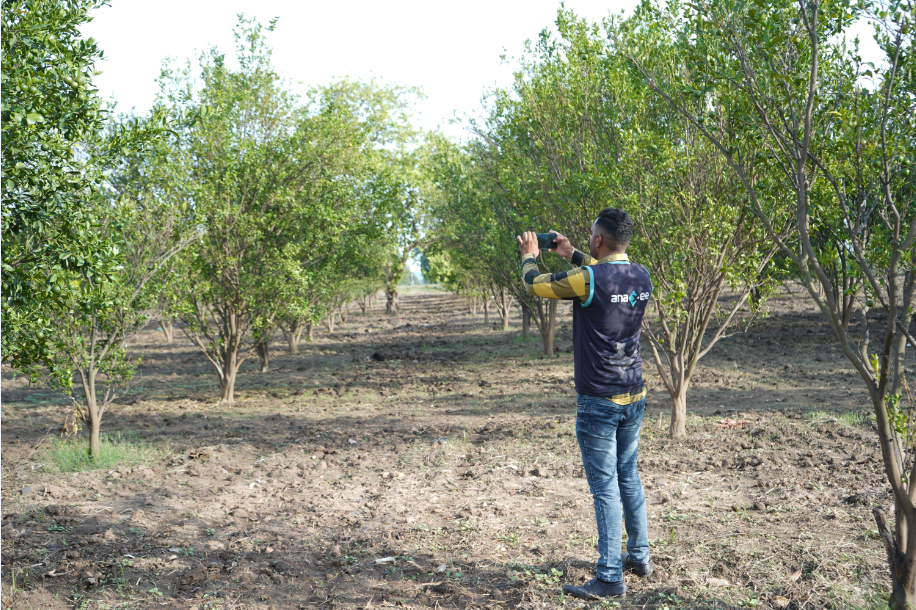
  • Offline‑first Android app capturing geo‑tag, DBH, and photo.
  • QR/NFC tags preventing double counting.

5. Automating Reporting

  • API‑ready Dashboards: Summary tables auto‑populate Verra/Gold Standard templates.
  • Blockchain Hashing: Immutable timestamp for every data packet.
  • Edge‑ML: On‑device diameter estimation from images—no calipers needed.

6. Case Study – Bund Carbon Project, Uttar Pradesh

  • Area: 12,000 ha, 45 villages
  • Trees: 2.8 million (Mango, Neem, Shisham)
  • Digital MRV Result: Verification cost ₹52/ha/year vs ₹380 in manual model.
  • Outcome: First 50,000 credits issued in 11 months—70 % faster cycle.

7. What’s Next?

  • AI Species ID: Differentiating Neem vs Shisham via multispectral signatures.
  • Automated LiDAR Swarms: Mini‑UAV fleets for large canal corridors.
  • Tokenized Credits: Instant farmer payouts via UPI once credits sell.

Conclusion

Digital MRV turns India’s dispersed TOF into a bankable carbon asset. By slashing verification costs and timelines, we unlock climate finance for the smallest farmer. Anaxee’s integrated stack proves it’s not just possible- it’s profitable.

Ready to pilot? Contact us at sales@anaxee-wp-aug25-wordpress.dock.anaxee.com and let’s put every farm tree on the carbon ledger.

How to Prove Tree Plantation for Carbon Credit Validation in India?

With rising focus on climate action, carbon credits, and net-zero goals, tree plantation has become one of the key activities in carbon offset projects. But planting trees is just the beginning. To claim carbon credits, especially under international standards like VERRA or Gold Standard, you need to show proper proof of plantation- that trees are actually planted, thriving, and mapped properly.

So how do you prove a tree plantation project is real and meets validation standards in India?
Let’s break it down in a simple and practical way.

1. Geo-tagging and Satellite Mapping

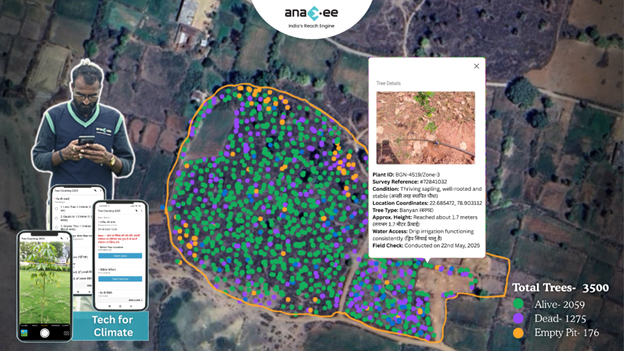
The first step is to capture the location of plantation sites with proper GPS coordinates. This can be done using mobile apps with geo-tagging features. Tools like Anaxee’s Tech for Climate are very useful here- the system and app is easy to use, even for field staff with basic smartphones.

Each plantation site should be geo-tagged during the actual activity- like pit digging, sapling planting and follow-ups. Once uploaded, these locations can also be verified with satellite imagery, which helps confirm the scale and authenticity of the plantation project- especially helpful in large-scale Agroforestry projects in India.


2. Time-stamped Photos + Mobile Survey Data

Just GPS is not enough. You need visual and digital evidence of the tree plantation work.

Ask your on-ground team to take clear, time-stamped photographs showing: Before and after plantation work, Pit digging, sapling plantation, Regular growth updates (every 3-6 months) etc.

Also, use mobile survey forms to digitally capture:


1.Number of trees planted


2.Tree species


3.Land size and plantation area


4.Name and mobile number of land-owner/farmer


This kind of real-time digital data adds strong credibility to your plantation claim. 


3. Tamper-Proof Data Storage (Blockchain or Central Database)

Once your geo-tags, photos and survey data are collected, all of it should be uploaded to a secure and tamper-proof database. You can use a centralized cloud dashboard or go one step ahead and use blockchain-based systems.
Such digital records make carbon credit verification by external agencies much smoother. It also shows that your project is serious about transparency and traceability.

4. Third-party Verification

For any carbon credit project to be trusted, independent verification is important. Third-party validation agencies help audit your plantation data and cross-check what is submitted.
Anaxee works with such agencies to offer complete support – from plantation to proof to verification. This adds more value when you are selling credits to buyers or submitting to international standards.

5. Long-Term Monitoring is a Must

Planting trees is one part. But to claim carbon credits, you must prove that trees are alive and growing over time. So regular monitoring becomes part of your MRV (Monitoring, Reporting, and Verification) process.
Typically, you need to monitor plantations every 6 or 12 months. Anaxee’s tech and field network helps with consistent field checks, photo updates, and health assessments of planted trees. This ensures your agroforestry project in India stays compliant for long-term carbon validation.

A well-documented tree plantation with geo-tagging, digital proof, third-party validation, and regular monitoring is the backbone of any successful carbon credit project in India.

With the right tools and partners like Anaxee, even rural or community-driven plantations can be scaled and verified confidently. So if you’re planning an agroforestry or tree plantation project for carbon credits Connect with Anaxee today at sales@anaxee-wp-aug25-wordpress.dock.anaxee.com


How 100% Baseline and Tech Are Transforming Improved Cookstove Projects in India

Improved Cookstoves (ICS) have been introduced in many parts of India to reduce indoor pollution, save fuel, and improve lives- especially in rural households where traditional three stone chulhas are still common. But even after years of efforts and multiple carbon projects, the real on-ground impact of these cookstove projects remains limited.

At Anaxee, we believe it’s not because people don’t need ICS, but because the way these projects are being implemented needs to improve. And we are fixing that with the help of 100% baseline surveys and technology-driven distribution.

What’s Going Wrong in Many ICS Projects?
Most Improved Cookstove projects in India follow the same old method. A sample survey is done in the beginning to prepare a baseline, and then the stoves are distributed during the project rollout. But by the time the actual users are identified, it’s often too late.

Here’s what usually happens:

✅ The cookstoves are given to people who don’t need it, or worse, don’t use it properly.

✅ The ICS ends up sitting unused in a corner.

✅ As a result, fuel savings are low, and carbon credits are weak.

✅ The community doesn’t really benefit, and the project fails to create real, measurable impact.


What Makes Anaxee’s Model Different?
We do things the opposite way. Before distribution, we do a 100% baseline survey– not just a sample. That means every single beneficiary is verified, profiled and mapped.

Why is this better?

✅ Real data in your hands before starting the distribution

✅ Only the right families are selected- those who cook regularly on traditional stoves

✅ Better adoption rate, because the stove actually solves a problem

✅ Improved monitoring, since data is already organized

✅ Stronger carbon outcomes, which means better return for project developers


But How Do We Do 100% Baseline?
Doing surveys at such a large scale across rural areas sounds impossible. And yes- it would be, if you try to do it manually.
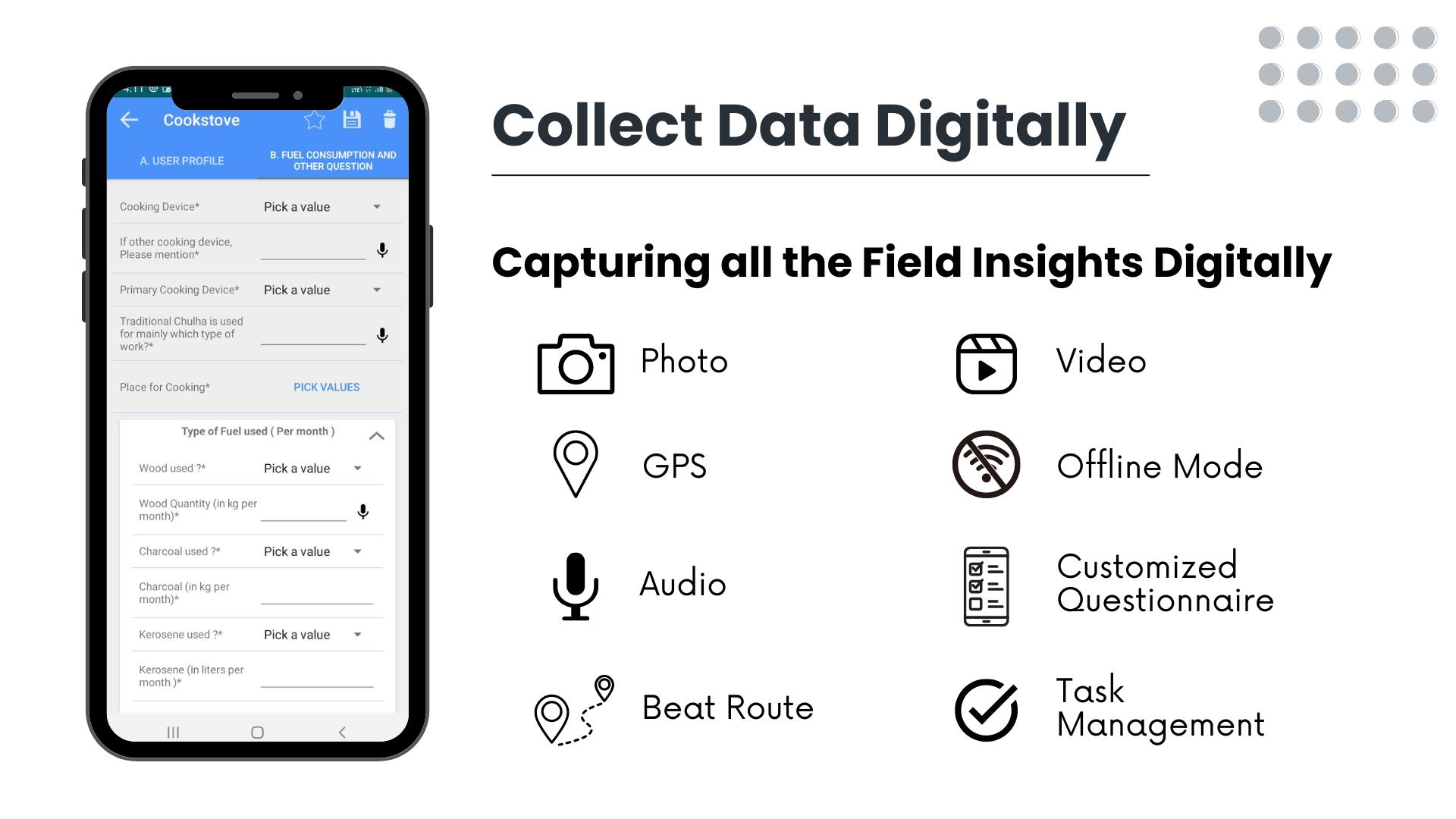
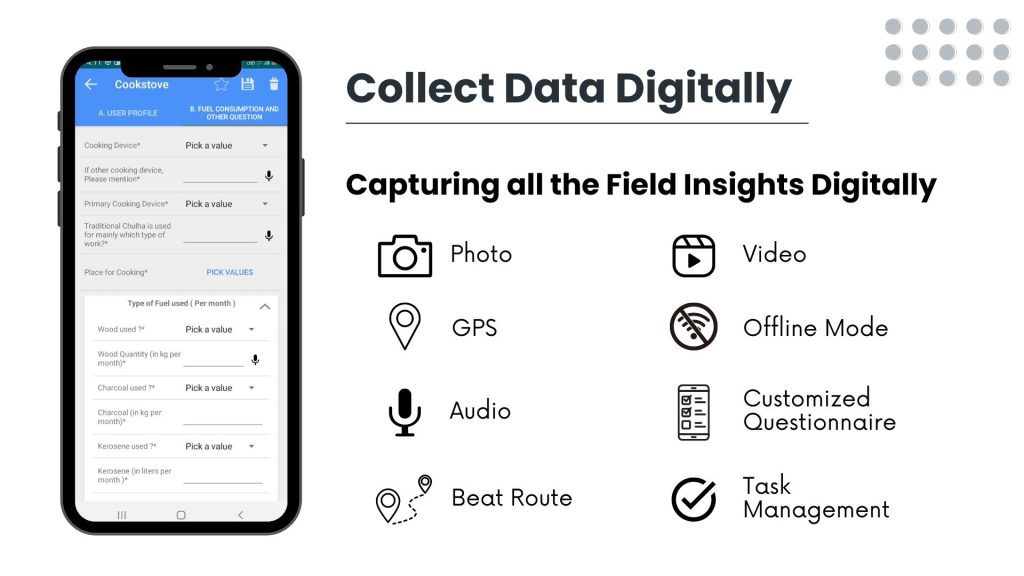
But at Anaxee, we use tech and mobile-based apps to collect structured data from remote locations across India. Our Digital Runners, a trained network of field agents, help us reach last-mile villages quickly and cost-effectively.

This means:

✅ Surveys happen fast

✅ Data is collected digitally (no paper work)

✅ Reports can be viewed in real-time

✅ Distribution is tracked and managed through our system

Why This Matters for Carbon Projects
Carbon credit calculations depend heavily on actual usage and impact. If stoves are not used correctly or regularly, your entire carbon revenue is at risk. By choosing the right households upfront and tracking usage over time, your carbon project becomes stronger, cleaner and more reliable.
Also, when you include technology from the start, your project can scale to 100,000+ households without losing quality or accuracy.

If you’re planning or running an Improved Cookstove project in India, and want to improve your baseline, adoption and monitoring process, talk to us.
At Anaxee, we’re already helping carbon project developers improve their project design and implementation across India.


Anaxee Electric Vehicle Survey in Rajasthan and Delhi for estimating carbon credits.

Anaxee recently conducted a comprehensive survey on electric vehicles (EVs) in Rajasthan and Delhi. This survey focused on understanding the usage patterns and electricity consumption of EV owners who received their vehicles in subsidies. The primary aim was to gather data to help claim carbon credits, promoting eco-friendly transportation solutions.

Anaxee received a list of EV owners from the client, focusing on those who had received/purchased EVs with a subsidy. Anaxee’s backend team contacted these EV owners to know their interest and availability for the survey.

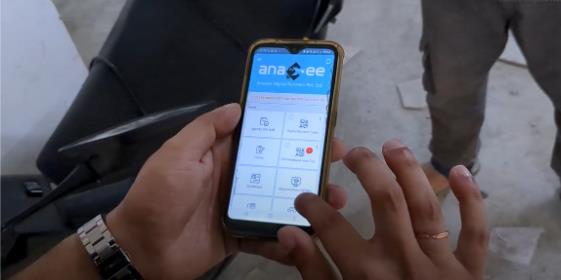
Digital Runners, local to the EV owners’ areas, were assigned the task of visiting their homes. During the visit, Digital Runners explained the survey process to them and provided an adaptor for EV charging. This adaptor was essential for collecting data on electricity consumption.

Over the next few days, Digital Runners used Anaxee’s application to monitor and record data on the EVs’ electricity consumption. The application facilitated the capture of photographs of the adaptor, meter readings, the EVs, and their owners to ensure data accuracy and authenticity.

This unique data collection technology enabled seamless daily monitoring and data recording. The application was crucial for capturing comprehensive data points, including:

  – Electricity consumption readings.

  – Distance traveled by the EVs.

  – Visual confirmation through pictures.


The collected data provided valuable insights into the electricity consumption of EVs, which is helpful for the client to claim carbon credits.

By supporting the use of electric vehicles, the survey promotes a reduction in carbon footprint, cleaner air, and sustainable transportation solutions.

Anaxee’s survey in Rajasthan and Delhi showcases the effective use of technology and fieldwork to gather essential data on electric vehicle usage. This initiative not only supports environmental sustainability but also aids in the efficient claiming of carbon credits, driving further adoption of electric vehicles.

Anaxee Digital Runners Featured in The Financial Express!

Anaxee was recently featured in The Financial Express, a leading Indian business publication. 


This Article highlights our ambitious goal of becoming India’s largest last-mile outreach and data collection network with a network of 100,000 digital runners by 2025.


While talking to Financial Express, Our COO, Arti Agrawal, sheds light on Anaxee’s unique approach to business, and the exciting plans we have for the future.


This Article talks about: 

Anaxee’s Diverse Service Offerings: How we empower brands & businesses with market mapping, data collection, order taking, surveys, and more.


The Power of Digital Runners: How our tech-enabled Digital Runners support businesses in reaching new customers.


Bridging the Geographical Gap: Anaxee utilizes local people to overcome geographical barriers and facilitate direct customer engagement.


Strategic Partnerships: How Anaxee has collaborated with leading e-commerce companies to expand their reach.


And What’s Next For Anaxee: A glimpse into our vision of removing geographical barriers and enabling data-driven growth for businesses across India.


Stay tuned for more exciting updates from Anaxee Digital Runners. 

Meanwhile, check out the full article here!


Link: https://www.financialexpress.com/business/industry-anaxee-aims-to-be-largest-last-mile-data-collection-network-with-100000-digital-runners-2652225/ 

Clean cooking solutions in rural communities

Anaxee has implemented several CSR projects to make a positive impact, as well as carbon projects aimed at maximizing carbon credits for its customers. Similarly, Anaxee has implemented improved cookstove-related carbon and CSR projects, addressing the significant challenges faced in achieving clean cooking solutions in rural communities.

In the heart of rural India, where two-thirds of our population resides, lies a challenge that often goes unnoticed – the traditional three-stone stove. Despite government initiatives promoting clean fuel schemes, many families still rely on these raw stoves to prepare their daily meals.

These Traditional Stoves pose health and environmental risks. They require excessive amounts of wood, emit harmful smoke, and contribute to deforestation. Moreover, women often bear the burden of collecting wood from forests, facing challenges, especially during the rainy season.

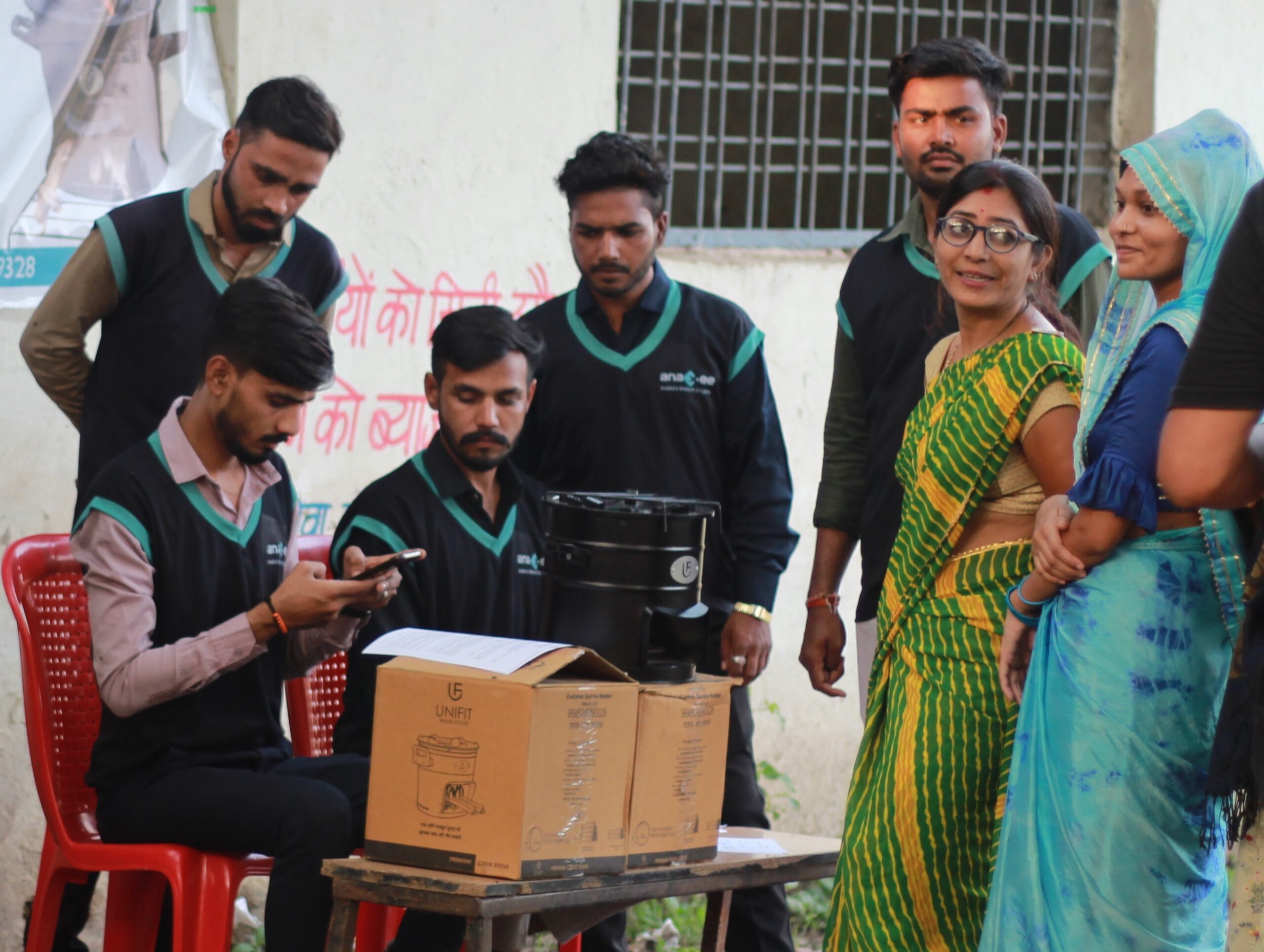
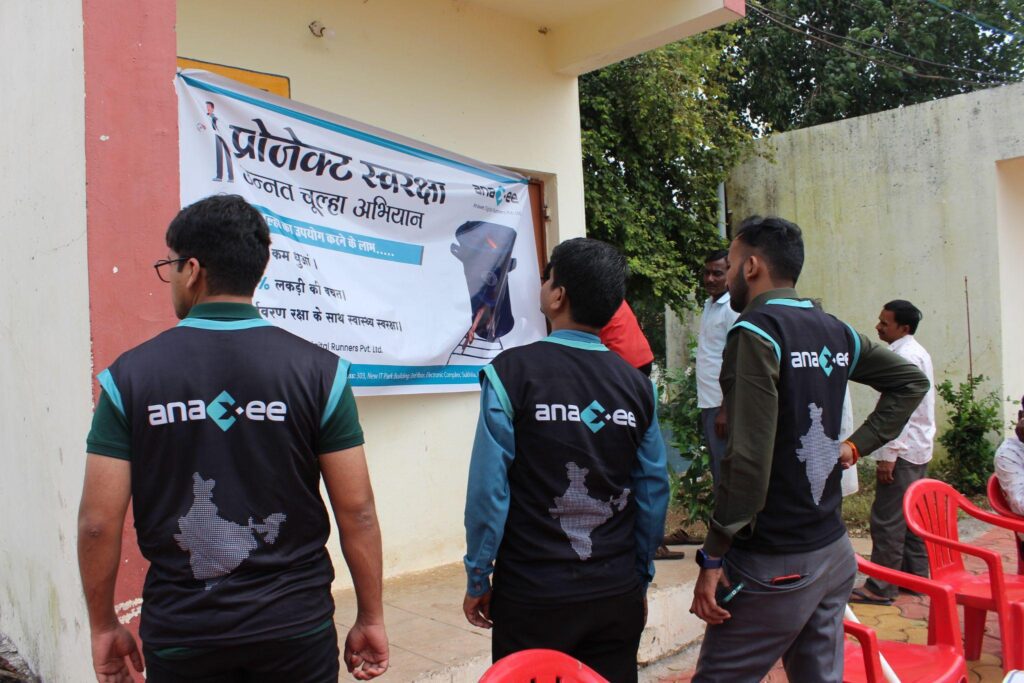
At Anaxee Digital Runners Pvt. Ltd. we embarked on a mission to introduce advanced cookstoves to rural communities. These modern- Improved Cookstoves, designed with efficiency and sustainability in mind, offer a viable alternative to traditional cooking methods.

The Improved cookstoves, equipped with innovative designs, require less wood and produce minimal smoke. With a focus on maximizing energy efficiency, these stoves ensure that cooking is faster and more environmentally friendly. Importantly, they also reduce the health risks associated with indoor air pollution, benefiting the entire family.

Recognizing the financial constraints faced by many rural households, we have made these Improved cookstoves accessible through carbon projects. By carbon financing, we are able to provide these stoves at nominal fees to those in need.

Anaxee Digital Runners has been implementing improved cookstove projects across India with transparency and integrity. Through data-driven approaches, we ensure that these stoves reach the right beneficiaries and are utilized effectively. Our commitment to sustainability extends beyond distribution – we also provide ongoing support to ensure the proper usage and maintenance of these cookstoves.

To date, we have successfully delivered more than 1.25 lakh advanced cookstoves to rural communities, with our efforts continuing to expand. Each stove represents not only a cleaner cooking solution but also a step towards empowering rural households and protecting our environment.