BLOG
Survey Sampling Methods: Probability vs Non-Probability (and Sample Size)

 About Anaxee
40,000+ Digital Runners · 540 districts · 26 states · 11,000+ pincodes of reach
Sampling is how you decide which people or units, out of the whole population, will actually be surveyed. Get it right and a few thousand responses can speak for millions; get it wrong and even a perfect questionnaire run by the best method produces misleading results. This guide covers the main survey sampling methods, how to think about sample size, and what sampling really takes in the field across India.
Two families: probability and non-probability
Probability
Known chance of selection
Every unit has a known, non-zero chance of being picked. Supports statistical generalisation to the whole population.
Non-probability
Convenience or judgment
Units are chosen by ease or judgment. Faster and cheaper, good for exploratory work, but you cannot generalise with confidence.
Which to use
Stakes decide
Anything that drives money or a claim needs probability sampling; quick, early-stage reads can use non-probability.
Probability sampling methods
Non-probability sampling methods
Need a sample drawn and reached across India?
Anaxee designs the sampling plan and reaches every drawn unit on the ground — verified, geo-tagged, across 540 districts.
How big should the sample be?
There is no single magic number. A larger sample narrows the margin of error, but with diminishing returns — past a point, thousands more responses barely move the precision. What actually drives the size is: how precise the estimate must be, how varied the population is, how confident you need to be, and — the one people forget — how finely you will cut the data. If you need reliable numbers for each of 20 states and three store sizes, every one of those 60 cells needs enough responses, so the total climbs fast. Decide the breakdowns you need first; the sample size follows from them.
Sampling in the field across India
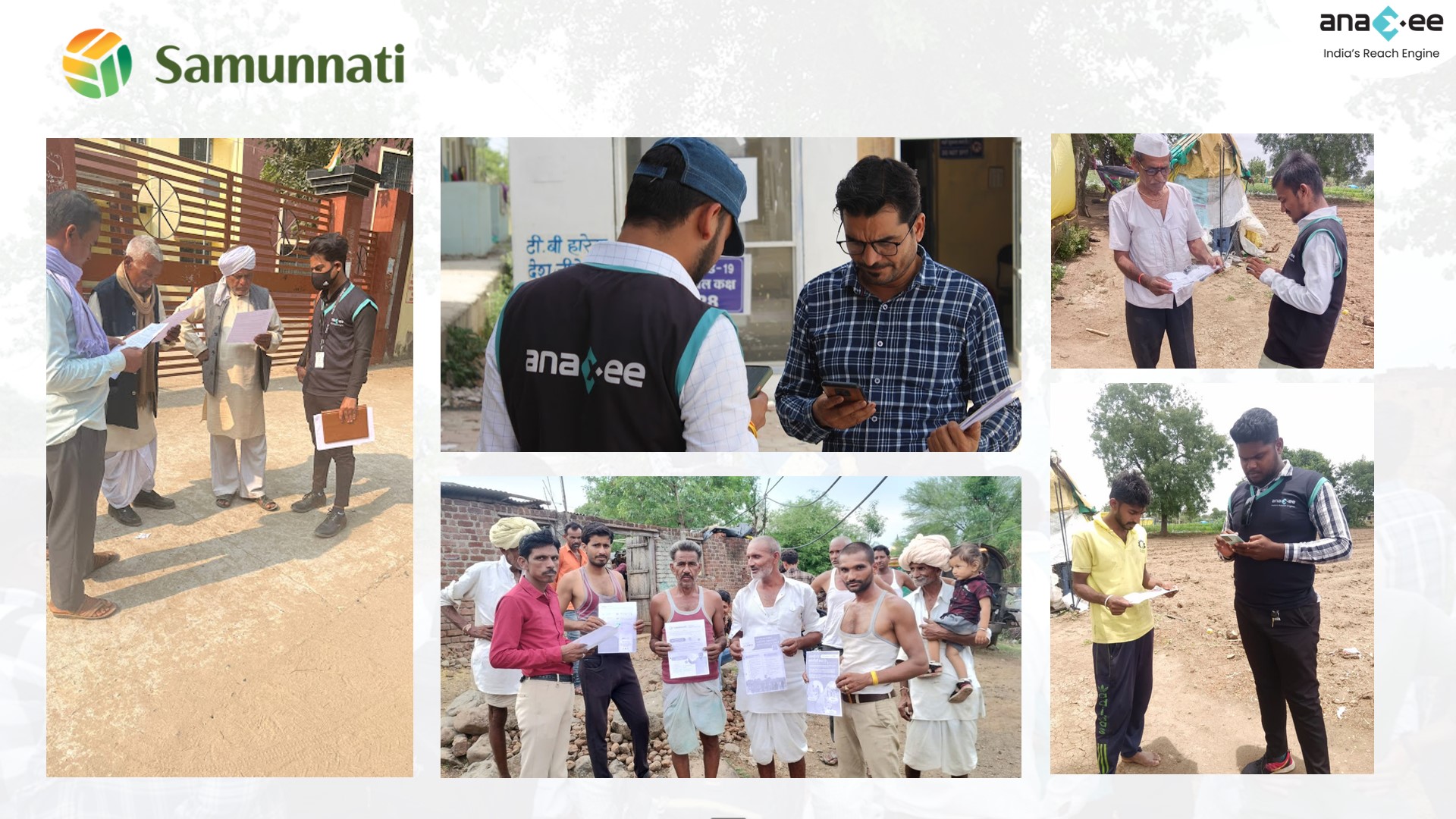
On paper, sampling is statistics. In the field, it is logistics. You need a sampling frame — an actual list of the shops, villages or households to draw from — which often has to be built first (outlet mapping or a listing exercise). Then every drawn unit has to be physically reached, with clear rules for replacements when one is shut or refuses — because the fastest way to wreck a good sample is an enumerator quietly surveying an easier shop next door. That is why each Anaxee response is geo-tagged and photo-verified: proof the right unit was actually visited, not a convenient substitute. Sampling is one layer of the wider field survey, alongside the method and quality control.
How Anaxee helps
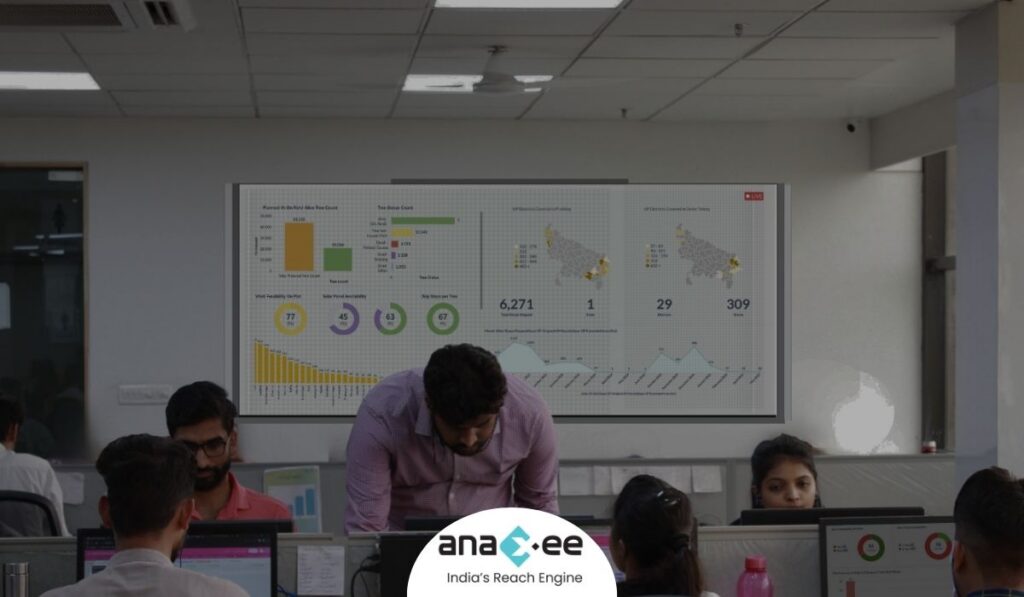
Anaxee — India’s Reach Engine, a National Startup Award winner — designs the sampling plan and, crucially, reaches the sample on the ground through 40,000+ field executives across 540 districts and 11,000+ pincodes. We build the frame where none exists, follow replacement rules, and prove every visit with geo-tag and photo on a live dashboard. New to this? Start with what is a survey or the types of surveys.
Proof — samples drawn and reached at scaleRepresentative samples reached in person across all 26 states. See all case studies →
What happens when you reach out to Anaxee
- Tell us the population and the breakdowns — who you need to represent and how finely — by form, WhatsApp or a call.
- A real person calls back — our Indore team, within one working day.
- We design the sample and pilot it — a frame, a plan, and verified responses on a dashboard you can open.
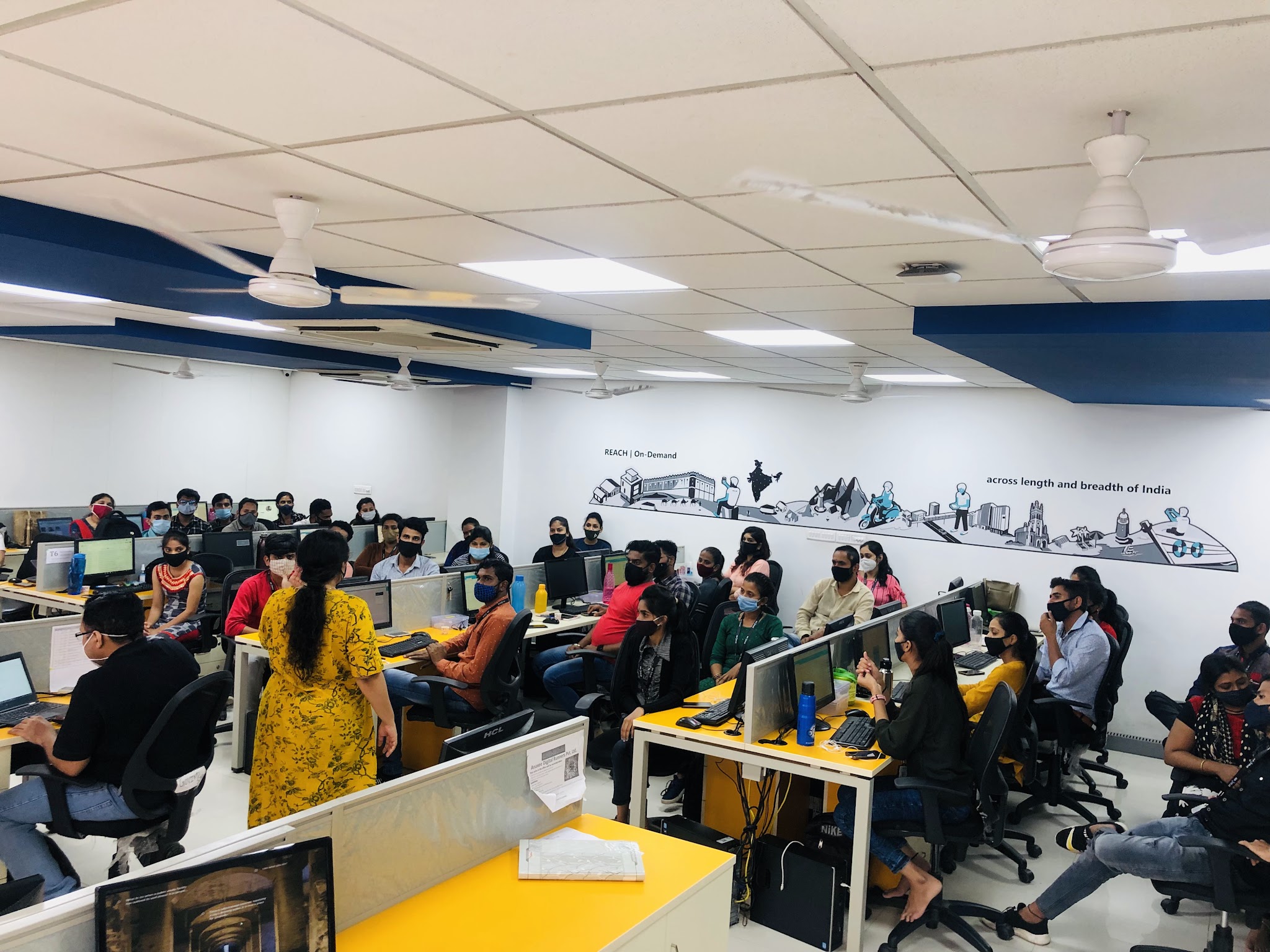
A 150+ person team in Indore and 40,000+ field executives who draw samples and actually reach them across Bharat.
Tell us about your survey
Share the population you need to represent — our team will get back within one working day.
Frequently asked questions
What are the main sampling methods?
What is the difference between probability and non-probability sampling?
What is stratified sampling?
How do I decide my sample size?
What is a sampling frame?
How do you make sure the right sample is actually surveyed in the field?
The bottom line
Sampling decides whether your survey speaks for the population or just for whoever was easy to reach. Use probability methods — usually stratified or multistage — when the stakes are real, size the sample around the breakdowns you need, and remember that the statistics are the easy half. The hard half is building the frame and actually reaching every drawn unit on the ground. That is exactly what Anaxee does across India.
Talk to Anaxee — whichever way is easiest
