BLOG
Survey Methods: How Data Is Actually Collected (In-Person, Phone, Online & More)
 About Anaxee
40,000+ Digital Runners · 540 districts · 26 states · 11,000+ pincodes of reach
A survey method is the way you collect answers — the channel between your questions and your respondents. It is different from the type of survey (what it is about and for) and from the question types you use. Pick the wrong method and even a perfect questionnaire reaches the wrong people, or no one at all. Here are the main survey methods, with their strengths and limits, and how to choose.
The main survey methods
Quantitative vs qualitative methods
Survey methods also split by the kind of data they produce. Quantitative methods use mostly closed questions to produce numbers you can count and compare at scale — the bulk of commercial and field surveys. Qualitative methods use open questions, in-depth interviews or discussions to capture the “why” in people’s own words. Many studies combine both: a large quantitative survey with a smaller qualitative layer for depth.
Not sure which method fits? We will tell you straight.
Anaxee runs in-person and telephonic surveys across India and will recommend the method that fits your respondents, budget and timeline.
How to choose a survey method
Work through five questions. Who and where are the respondents — connected and urban, or offline and rural? What reach do you need — a city, a state, all of India? How fast — a quick pulse or a thorough study? What budget — online is cheapest per response, in-person the most reliable? What data quality do the stakes demand? For a deeper head-to-head of the three field methods, see the guide to CAPI vs CATI vs PAPI. The method is also one layer of the wider data collection decision.
Why in-person still wins in Bharat
Most of India is not reachable by a web form. A large share of respondents are offline, speak a regional language, and will not answer an unknown number at length. For anything that drives money or a claim — distribution, welfare, impact, compliance — the reliable method is a trained person, in the local language, face to face, capturing a geo-tagged, photo-verified response. Online and SMS have their place for quick, connected audiences; they are not a substitute for fieldwork where it matters.
What makes a method reliable
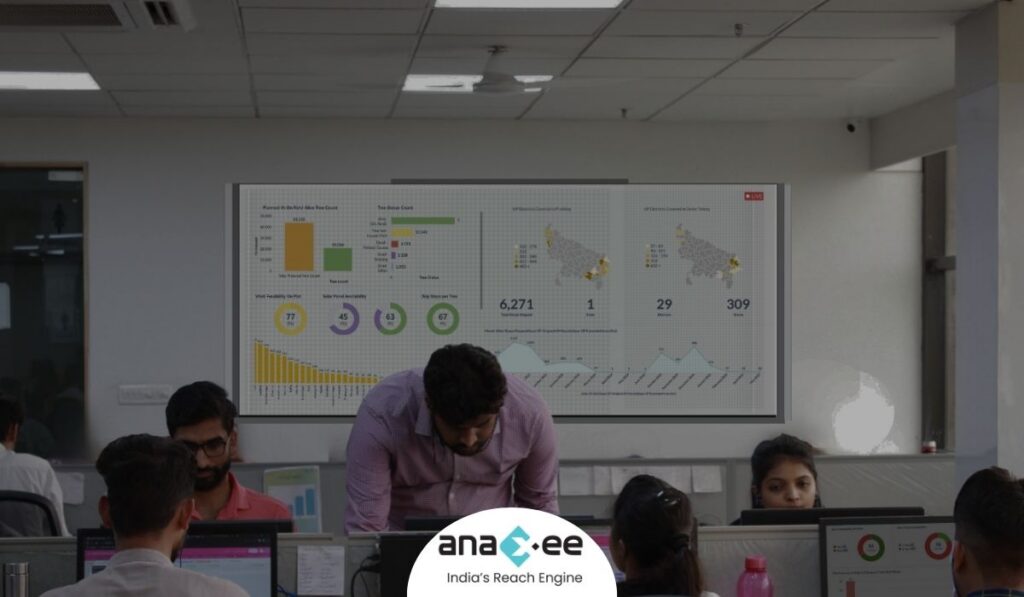
The method is only as good as how it is run. A reliable survey needs a sound sample, trained and verified enumerators, and quality control at every step — geo-tag and time-stamp on each response, photo evidence, and AI checks that flag duplicates and contradictions before the data reaches your dashboard. Method plus discipline is what turns answers into data you can defend.
How Anaxee helps
Anaxee — India’s Reach Engine, a National Startup Award winner — runs in-person and telephonic survey methods through 40,000+ field executives across 540 districts and 11,000+ pincodes, in any Indian language, every response geo-tagged and verified on a live dashboard. We recommend and run the right method for your study as part of a large-scale field survey. New here? Start with what is a survey.
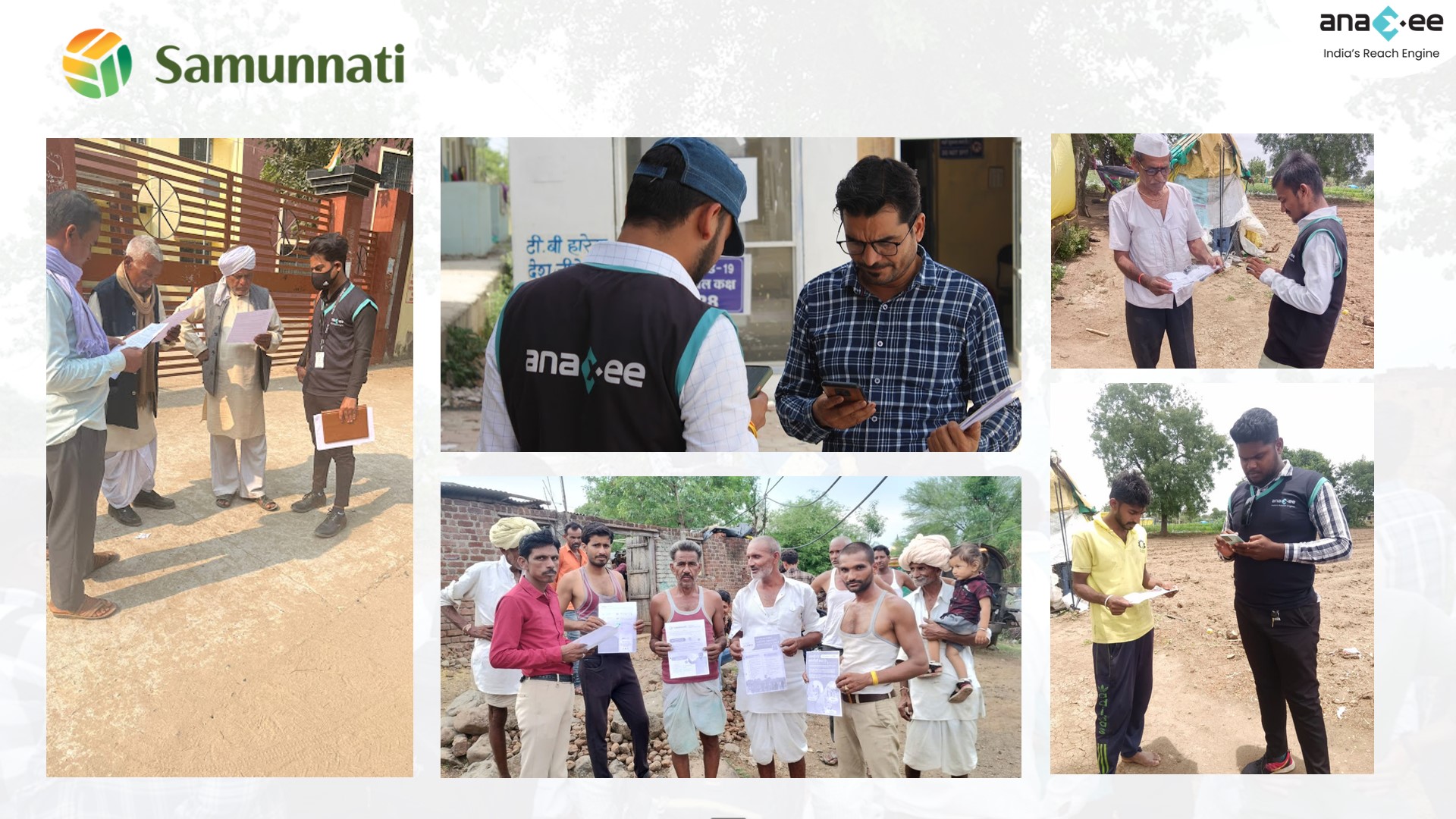
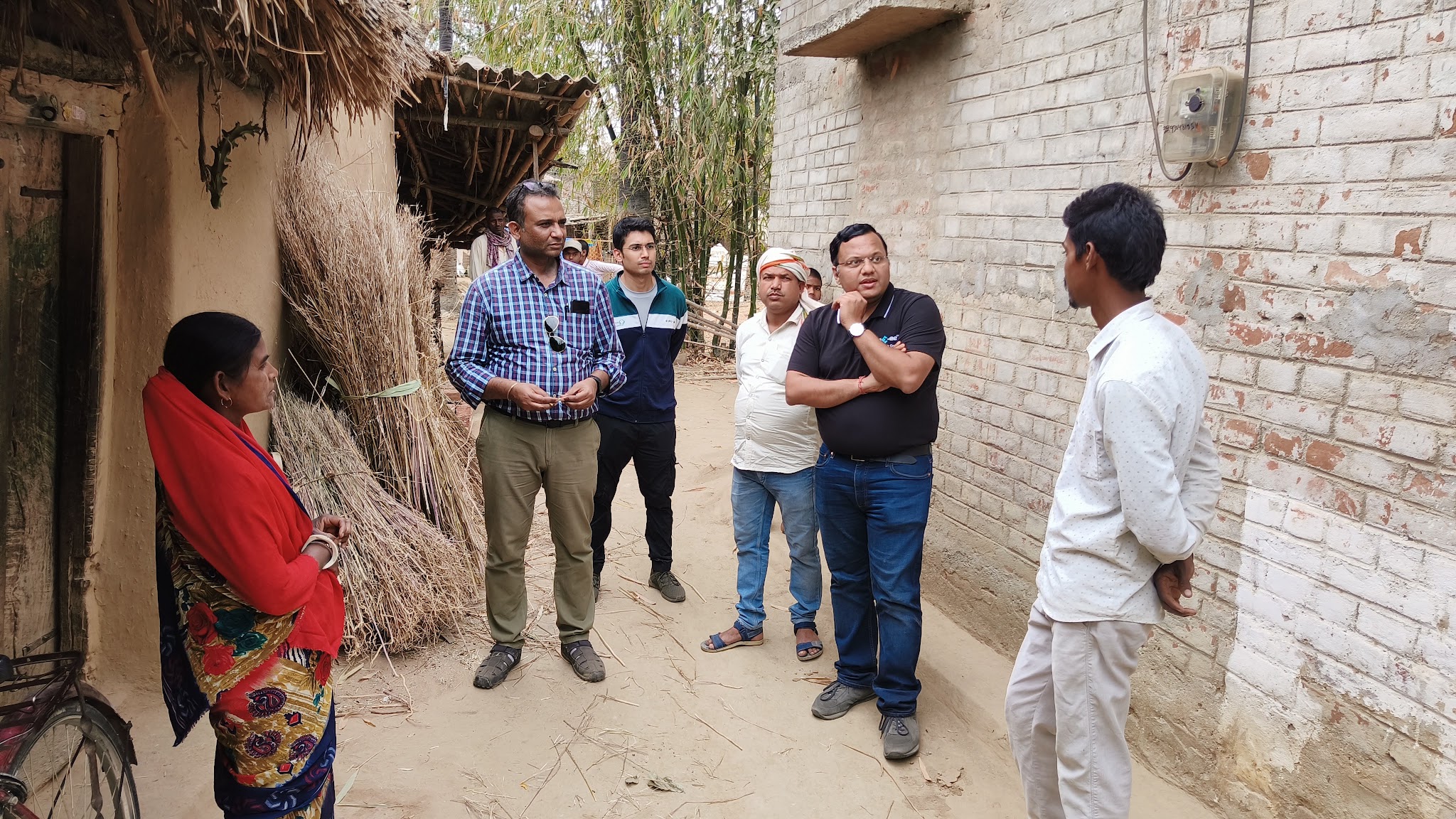
Proof — survey methods run at scaleIn-person and telephonic methods run across all 26 states. See all case studies →
What happens when you reach out to Anaxee
- Tell us the study — who you need to reach and what you want to learn — by form, WhatsApp or a call.
- A real person calls back — our Indore team, within one working day.
- We recommend the method and pilot it — verified data from a region, on a dashboard you can open.
A 150+ person team in Indore and 40,000+ field executives running in-person and telephonic surveys across Bharat.
Tell us about your survey
Share who you need to reach and what you want to learn — our team will get back within one working day.
Frequently asked questions
What are the main survey methods?
What is the difference between a survey method and a survey type?
Which survey method is best?
What are quantitative and qualitative survey methods?
What is a mixed-mode survey?
Which survey method works best in rural India?
The bottom line
The survey method is the bridge between your questions and your respondents. Online and SMS are fast and cheap but reach only the connected; in-person is the most reliable and the only one that truly covers Bharat; most real studies mix methods. Choose by who you need to reach and how much the data matters — and run it with sampling, trained people and quality control behind it. Anaxee runs the field methods across India so the data comes back clean.
Talk to Anaxee — whichever way is easiest