BLOG
Types of Survey Questions: Open, Closed, Likert, Rating & More (With Examples)
 About Anaxee
40,000+ Digital Runners · 540 districts · 26 states · 11,000+ pincodes of reach
A survey is only as good as its questions, and the first decision for every question is its type. Choose the wrong type and you end up with answers you cannot count, or depth you cannot act on. This guide covers every common survey question type, with examples, and when to use each — including what changes when a survey is run face to face across Bharat rather than online. For wording and ordering, see how to design survey questions.
The two families: closed-ended and open-ended
Closed-ended
Fixed options · countable
The respondent picks from set choices. Fast to answer, easy to count and chart. The backbone of almost every survey.
Open-ended
Free text or voice · depth
The respondent answers in their own words. Rich on the “why”, but slower to answer and heavier to analyse.
Mixed
Mostly closed, a few open
What real questionnaires use: closed questions for the numbers, two or three open ones for colour and surprises.
Closed-ended question types (with examples)
Open-ended question types
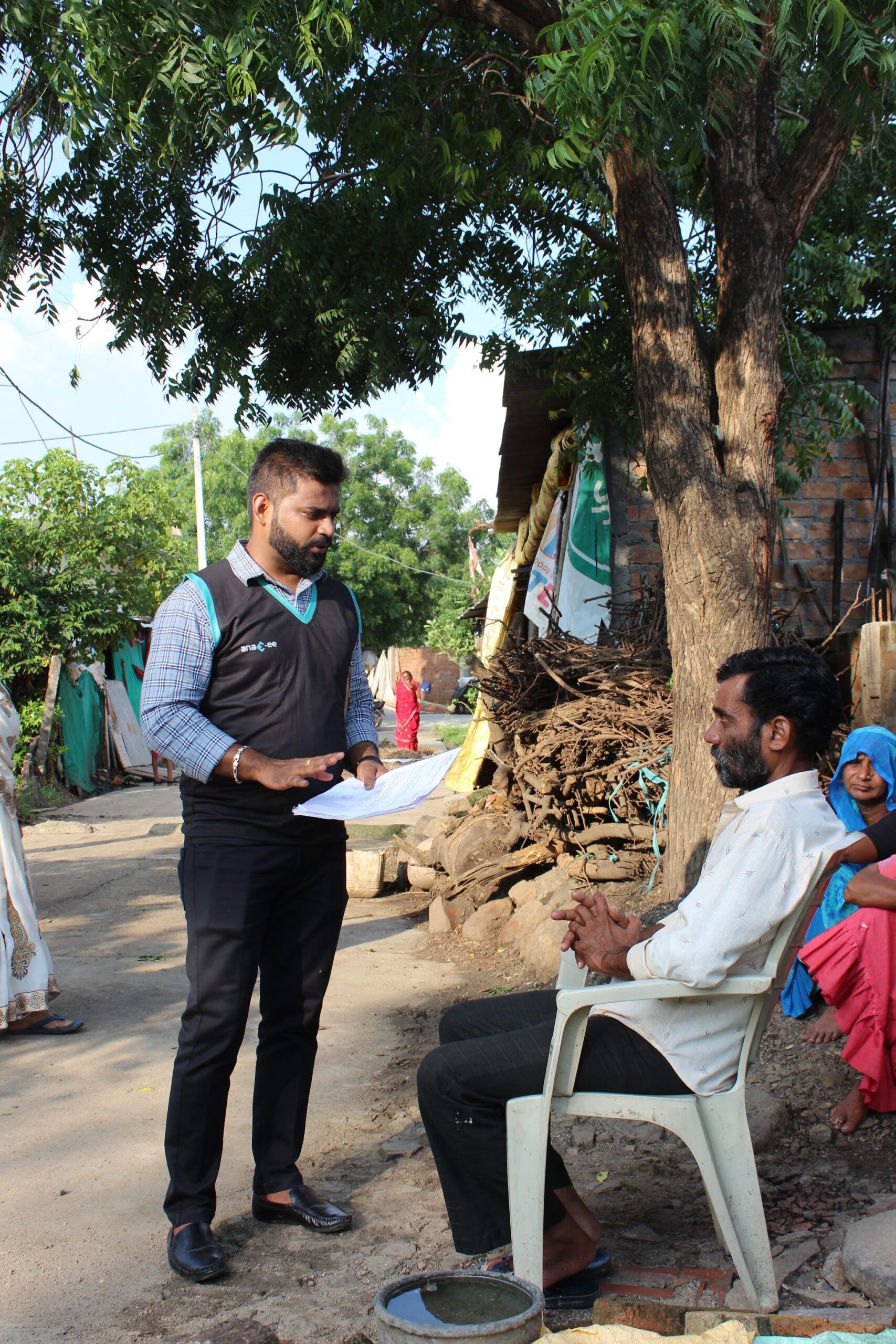
In the field, open answers do not have to be typed: Anaxee captures them as voice notes and photos on the platform, then transcribes and AI-checks them — so the enumerator keeps moving and nothing is lost to bad handwriting.
Demographic and classification questions
Nearly every survey ends (or quietly begins) with a few profile questions — age, gender, location, occupation, household size. Income is best asked as a band rather than an exact figure, and always with consent. These are the questions that let you cut the data by segment afterwards; our household survey format shows a field-ready set.
Have the questions, need them answered across India?
Anaxee turns your questionnaire — any mix of question types, in any language — into verified field data across 540 districts.
Which question type should you use?
Lead with closed questions — they are faster to answer, cheaper to analyse, and give you numbers you can track over time. Use a Likert or rating scale for attitudes and satisfaction, multiple choice for facts and choices, and ranking when relative order matters more than scores. Keep open-ended questions to a handful, placed late, for the “why” behind the numbers — every open question adds respondent time and analysis cost. And match the question to the respondent: a shopkeeper mid-rush needs tight closed questions, not an essay.
What changes in a field survey across India
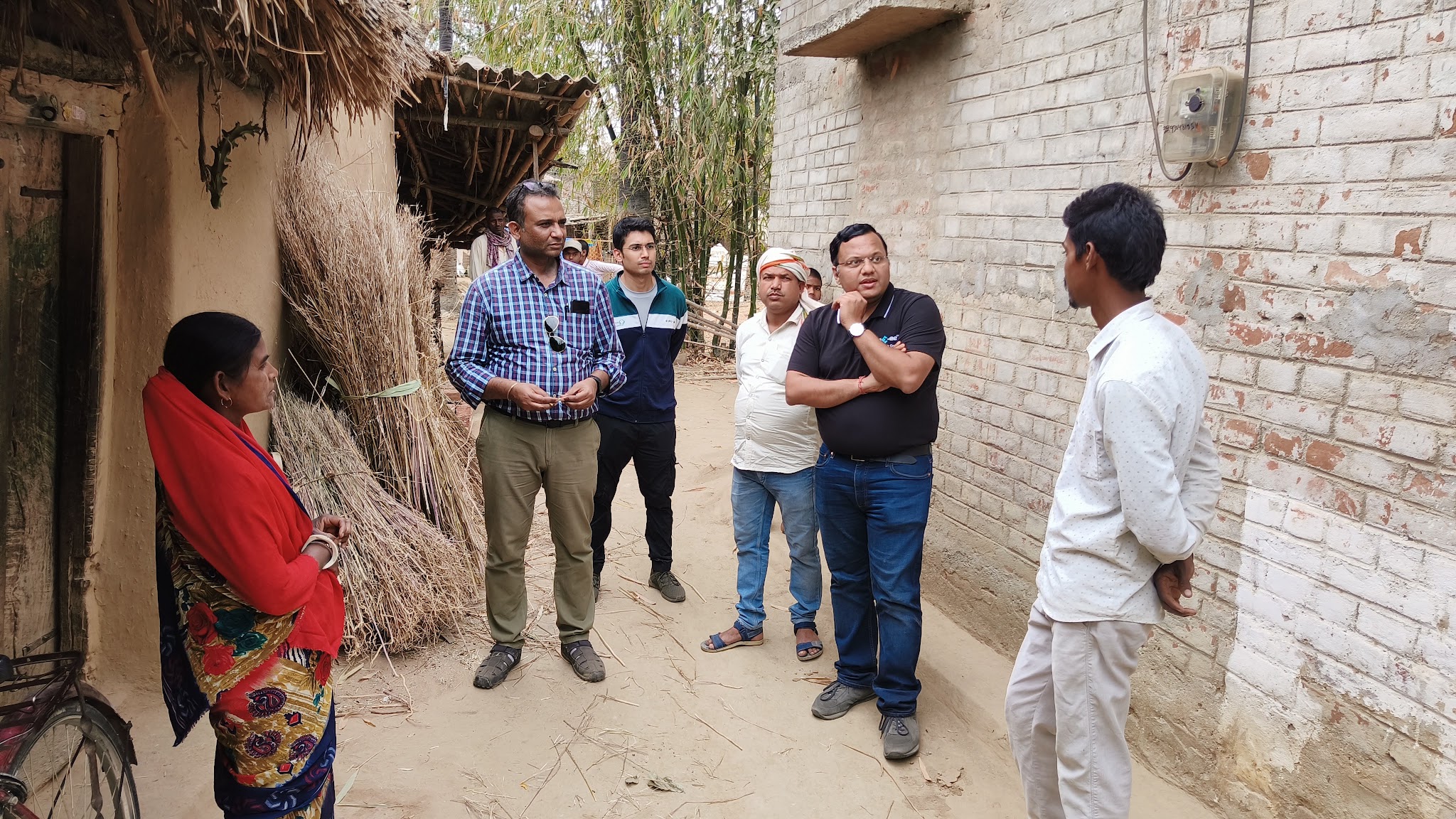
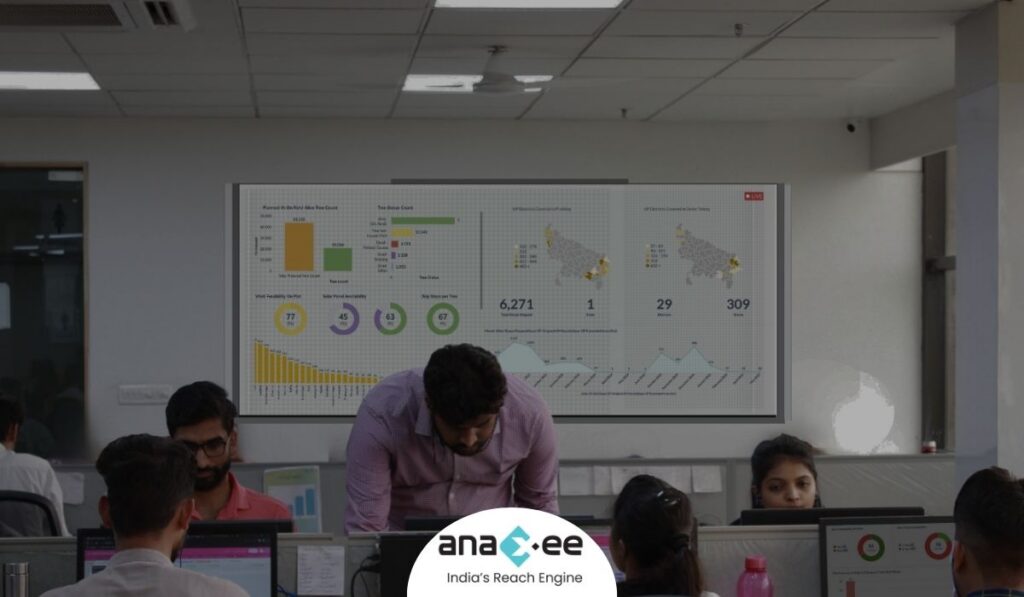
Online, a question type is just a widget. In the field across Bharat, it decides data quality. Closed questions work best when their options are pre-loaded in the local language with skip logic, so an in-person (CAPI) enumerator cannot stray or ask irrelevant items. Open answers are captured as voice and photo rather than typed. Every response is geo-tagged and time-stamped, and AI flags contradictory or duplicate entries before they reach your dashboard. Which question types you can realistically run, and how, also depends on the survey mode — in-person, telephonic or online.
How Anaxee helps
Anaxee — India’s Reach Engine, a National Startup Award winner — runs questionnaires of every question type through 40,000+ field executives across 540 districts and 11,000+ pincodes. We help turn your draft into field-grade questions, load them into the app with local-language options and skip logic, and return every answer geo-tagged and verified on a live dashboard. It is one piece of running a large-scale field survey — start with what is a survey or the types of surveys.
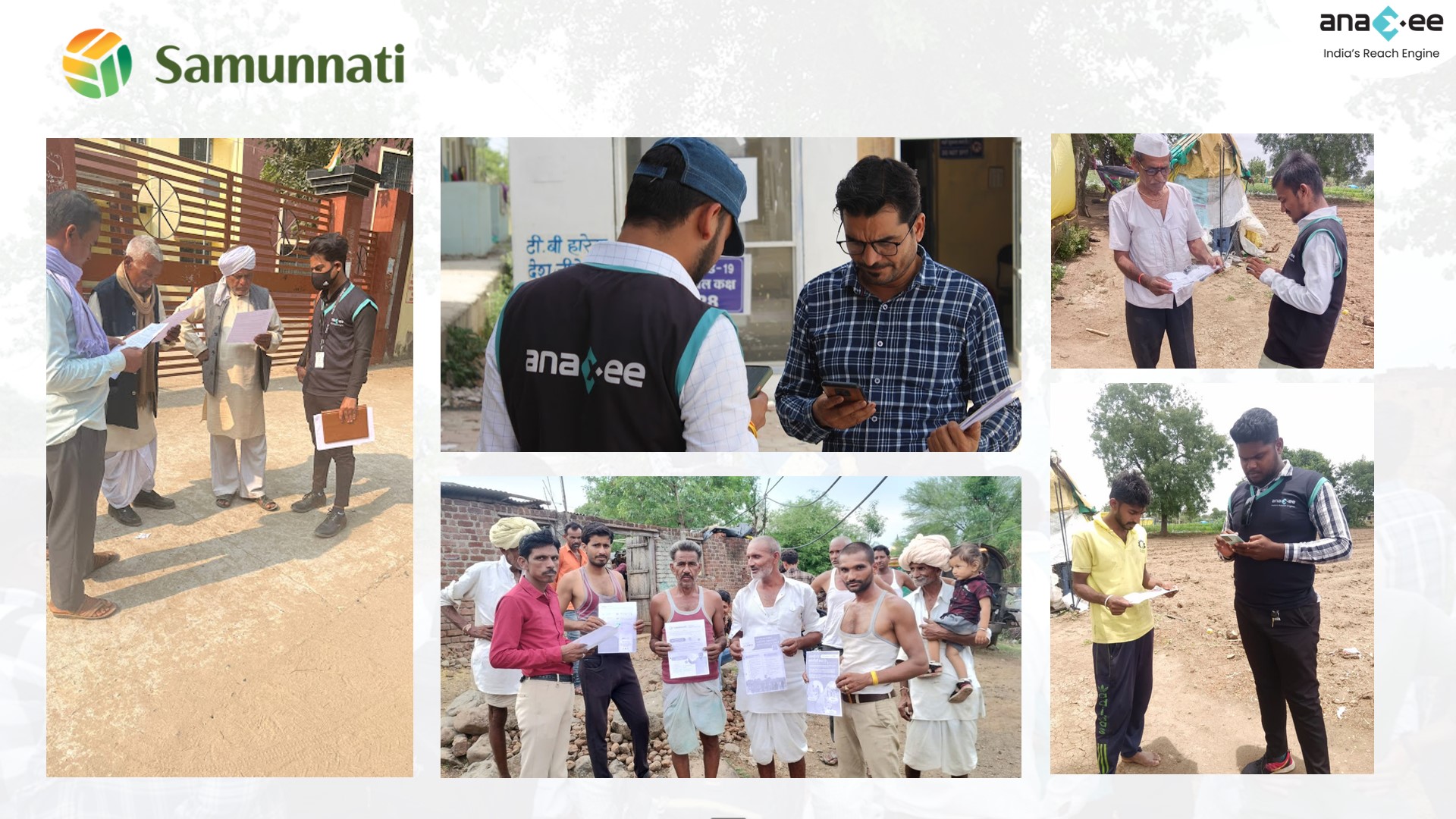
Proof — questionnaires run at scaleEvery question type — closed and open — run across all 26 states. See all case studies →
What happens when you reach out to Anaxee
- Send us your questions — a draft, a rough list, or just the goal — by form, WhatsApp or a call.
- A real person calls back — our Indore team, within one working day.
- We field-proof and pilot it — tightened questions, loaded in the app, verified data back on a dashboard you can open.
A 150+ person team in Indore and 40,000+ field executives who have asked every kind of question, from a single shop to 29.8 lakh people.
Tell us about your survey
Share what you want to ask and about whom — our team will get back within one working day.
Frequently asked questions
What are the main types of survey questions?
What is the difference between open-ended and closed-ended questions?
What is a Likert scale question?
What is an NPS question?
How many open-ended questions should a survey have?
Which question types work best for field surveys in India?
The bottom line
There is no single right question type — there is a right type for each thing you need to know. Closed questions give you the numbers; a few well-placed open ones give you the story; demographic questions let you slice both. Choose the type before you write the wording, and in the field keep it tight and local. Anaxee has run every question type across India, so whatever your questionnaire looks like, it is one we can turn into verified data.
Talk to Anaxee — whichever way is easiest