BLOG

Types of Surveys: A Complete Guide with Real Examples
Nov 9 2026

Quick answer: Surveys are classified five ways: by purpose (descriptive, analytical, exploratory), by timing (cross-sectional vs longitudinal), by coverage (census vs sample), by mode (in-person, phone, paper, online), and by subject (market, household, retail, agri, tree, M&E). Most real surveys combine several. Anaxee has run every kind across India – shops, farms, farmland, trees and households.
AnaxeeAbout Anaxee

40,000+ Digital Runners · 540 districts · 26 states · 11,000+ pincodes of reach

★ Winner, National Startup Award (Govt. of India)Surveys run across all 26 statesIndia’s Reach Engine since 2016

“What type of survey do I need?” is really five questions at once, because surveys are classified on several independent dimensions – and any real survey is a combination of them. A single study might be a descriptive, cross-sectional, sample survey, run in person, on a retail subject. This guide walks through every classification, with real examples, so you can name exactly the survey you need.

1. By purpose – what the survey is for

  • Descriptive. Measures what is – market size, coverage, awareness, how many shops stock a brand. The most common business survey.
  • Analytical / explanatory. Looks for why – what drives a behaviour, what is associated with an outcome. Used to test a hypothesis.
  • Exploratory. Early-stage understanding of a new question or market, before you can frame precise questions – often qualitative.

2. By timing – when it is run

  • Cross-sectional. A snapshot at one point in time – the vast majority of surveys.
  • Longitudinal / panel. The same respondents tracked over time, to measure change – as in baseline-endline studies that measure a programme’s impact.

3. By coverage – who is included

Census

Everyone in the population

Every unit is surveyed – every shop in a district, every tree in a ward. Complete, but heavier to run.

Sample survey

A representative subset

A carefully chosen sample stands in for the whole population. Faster and cheaper – most surveys are sample-based.

Hybrid

Census of some, sample of others

A full census of key units (large outlets) and a sample of the long tail – common in retail and asset studies.

4. By mode – how the data is collected

The channel through which you ask – covered in depth in the guide to survey modes:

  • In-person (CAPI). Face-to-face on a device – highest quality and reach, essential for rural India. See CAPI surveys.
  • Telephonic (CATI). By phone from a command centre – fast and wide. See CATI surveys.
  • Paper (PAPI) & online. PAPI for low-tech settings; online for digitally reachable audiences – cheap but misses offline Bharat.

5. By subject – what the survey is about

This is how most people actually name a survey. Anaxee has designed and run each of these across India:

  • Retail & shop surveys. Outlet mapping, stock and brand checks, merchandising audits – see retail shop surveys.
  • Household & socio-economic surveys. Demographics, access, welfare, consumption – see household surveys.
  • Farmer, crop & farmland surveys. Farmer profiling, crop and acreage, yield (crop-cutting) – see agri field services.
  • Tree & plantation surveys. Tree census, species, girth, height and survival, geo-tagged per tree – see tree census.
  • Market & consumer research. Awareness, usage, attitudes, pricing – see rural market research.
  • Monitoring, evaluation & beneficiary surveys. Independent programme verification and beneficiary checks – see M&E data collection.

AnaxeeKnow the type you need? We will run it across India.

Whatever the survey – descriptive or analytical, census or sample, retail, agri, tree or household – Anaxee designs and runs it across 540 districts, every response verified.

Book a meeting

How to choose the right type of survey

Work down the five dimensions. Purpose: are you measuring what is, explaining why, or exploring? Timing: a snapshot, or change over time? Coverage: can you sample, or do you need every unit? Mode: who are the respondents and can you reach them in person, by phone or online? Subject: what and who are you studying? Answer those five and you have specified your survey exactly – and a partner like Anaxee can scope and run it.

How Anaxee helps

Anaxee – India’s Reach Engine, a National Startup Award winner – designs and runs every type of survey through 40,000+ field executives across 540 districts: in-person and telephonic, census and sample, for retail, agri, tree, household, market-research and M&E subjects – every response geo-tagged and verified on a live dashboard. New to this? Start with what is a survey, or how to design the questions.

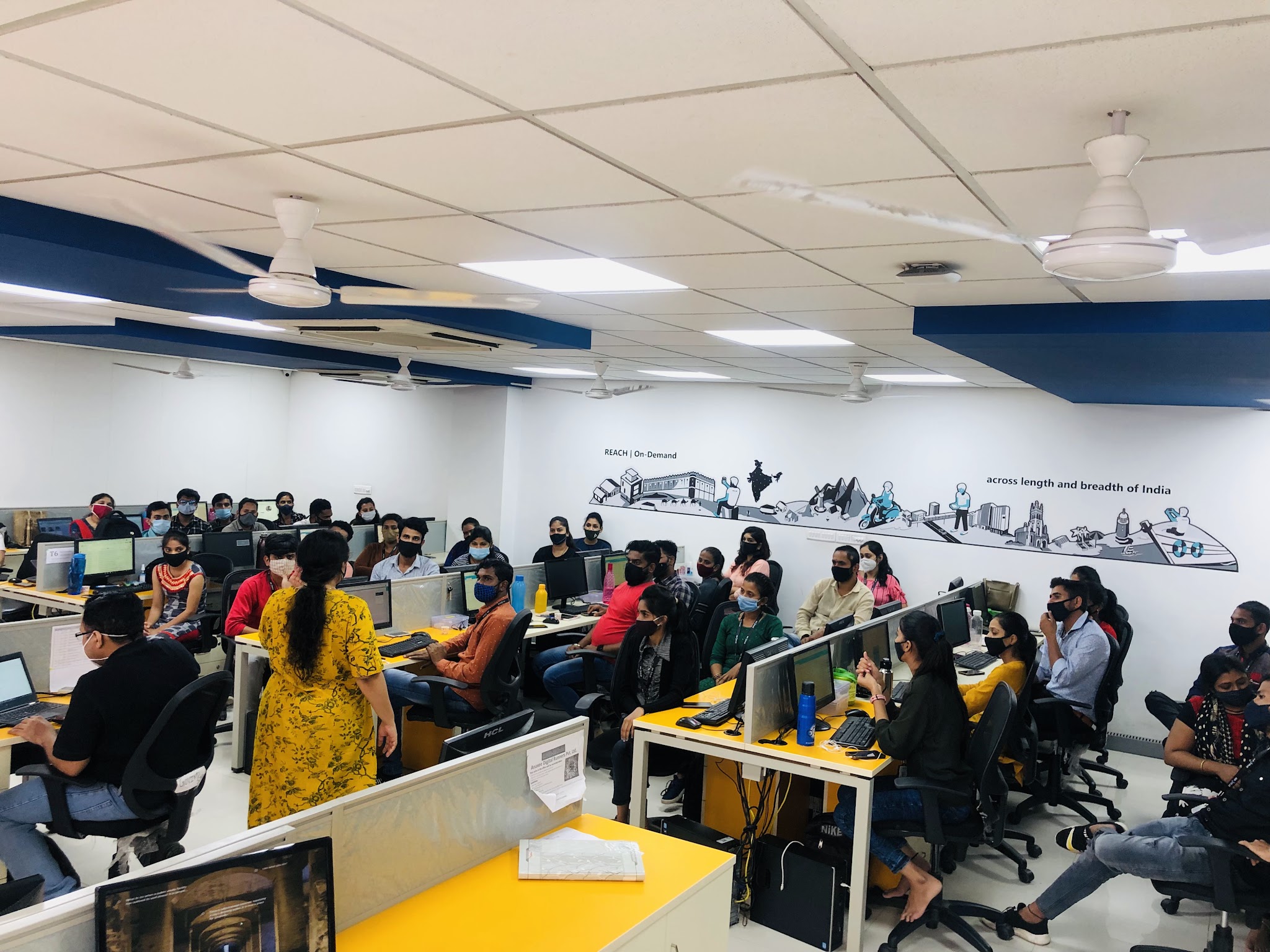
Anaxee team at work in the Indore office

AnaxeeWhat happens when you reach out to Anaxee

  1. Tell us the survey – what you want to learn and about whom – by form, WhatsApp or a call.
  2. A real person calls back – our Indore team, within one working day.
  3. We scope the type and run a pilot – verified data from a region, on a dashboard you can open yourself.

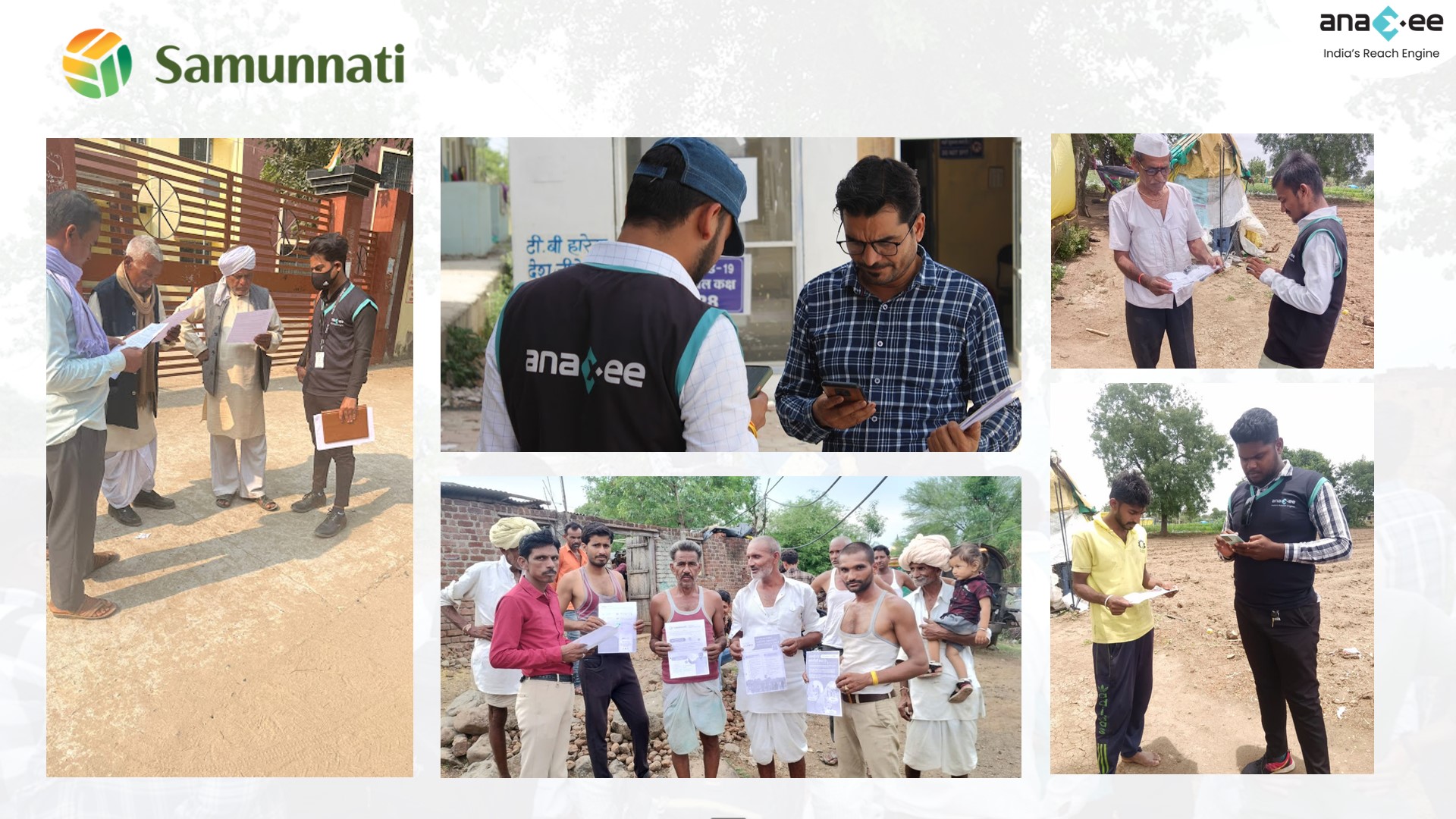
A 150+ person team in Indore and 40,000+ field executives – who have run every kind of survey, from a single shop to 29.8 lakh people.

Tell us about your survey

Share what you want to learn and about whom – our team will get back within one working day.

    Frequently asked questions

    What are the main types of surveys?
    Surveys are classified by purpose (descriptive, analytical, exploratory), timing (cross-sectional or longitudinal/panel), coverage (census or sample), mode (in-person CAPI, telephonic CATI, paper PAPI, online), and subject (market, household, retail, agri, tree, M&E). Most real surveys combine several of these.
    What is the difference between a census and a sample survey?
    A census covers every unit in the population (every shop, every tree); a sample survey covers a representative subset chosen to stand in for the whole. Samples are faster and cheaper and are used for most surveys; a census is used when you need complete coverage.
    What is a cross-sectional vs a longitudinal survey?
    A cross-sectional survey is a one-time snapshot; a longitudinal (panel) survey tracks the same respondents over time to measure change, as in baseline-endline impact studies.
    What types of surveys does Anaxee run?
    All of them – retail and shop surveys, household and socio-economic surveys, farmer/crop/farmland surveys, tree and plantation surveys, market and consumer research, and monitoring, evaluation and beneficiary surveys – in person or by phone, across all 26 states.
    How do I choose the right type of survey?
    Decide on each dimension: purpose (what/why/explore), timing (snapshot or change), coverage (census or sample), mode (in-person, phone, online), and subject. Those five choices define your survey – and a field partner can then scope and run it.

    The bottom line

    There is no single “type” of survey – there are five dimensions, and your survey is a point on each. Name the purpose, timing, coverage, mode and subject, and you have specified exactly what you need. Anaxee has run every combination across India, so whatever type yours is, it is one we have done before.

    AnaxeeTalk to Anaxee – whichever way is easiest

    Book a meetingCallEmail

    Written by the founder

    Govind Agrawal is the Founder & CEO of Anaxee Digital Runners — India’s Reach Engine. He writes on last-mile reach across Bharat, go-to-market, field data and climate-tech execution.

    More from Govind Agrawal → govindagrawal.com