Indo Count Sustainable Cotton: Better Cotton, Organic & Project Gagan

In short: Indo Count Industries is one of the world’s largest bed-linen (home-textile) manufacturers and exporters. It is a Better Cotton (BCI) member and runs two of its own on-the-ground cotton-farmer programmes — Project Gagan for Better Cotton and Project Avani for organic cotton — alongside recycled, US Cotton Trust Protocol and Egyptian cotton. This page is an independent public reference compiled from Indo Count’s own published disclosures.
At a glance — Indo Count’s sustainable cotton
BCI member running its own farmer programmes · Project Gagan (Better Cotton) + Project Avani (organic) · ~22% of materials sustainably sourced (FY2023-24)
Better Cotton (BCI)Organic / GOTSRecycled / GRSUS Cotton Trust ProtocolFairtradeOEKO-TEX / STeP

If you are researching how India’s big home-textile exporters source sustainable cotton, Indo Count Industries is one of the clearest examples — a home-textiles major (bed sheets, bedding and other made-ups) that exports to global retailers and has built its own farm-level cotton programmes rather than only buying certified cotton downstream. Below is a factual reference — who Indo Count is in sustainable cotton, the programmes it runs, and the figures it publishes — drawn entirely from Indo Count’s own ESG report, sustainability disclosures and sourcing policy. We also explain, honestly, where an independent field-and-verification partner like Anaxee fits.

Who Indo Count is in sustainable cotton

Indo Count Industries Limited is one of the world’s largest manufacturers and exporters of bed linen and home textiles, supplying global retail. Cotton, yarn and fabric are its core raw materials, and the company governs its buying through a Sustainable Procurement Policy with a stated emphasis on local (India-based) sourcing and a ‘Farm to Fashion’ backward-integration model.

What sets Indo Count apart among home-textile exporters is that it runs its own named cotton-farmer programmes in the field — Project Gagan (Better Cotton) and Project Avani (organic) — working directly with farmers in Maharashtra’s cotton belt rather than sourcing only through intermediaries. That places it among the Indian textile companies investing directly in sustainable-cotton sourcing and traceability.

The sustainable-cotton programmes Indo Count runs

Indo Count’s disclosures describe several sustainable-cotton and fibre standards it sources and certifies against. Each is a distinct standard with different rules and different claim strength:

Programme What it is Indo Count’s public role
Better Cotton (BCI) — Project Gagan The world’s largest cotton sustainability programme; a farm-level training standard (water, approved inputs, decent work). Volume is tracked by mass balance unless a physical chain of custody is used. BCI member. Runs Project Gagan (started 2018-19 in Warora, Chandrapur district, Maharashtra, with technical partner CITI-CDRA) to train cotton farmers and promote Better Cotton.
Organic cotton — Project Avani Cotton grown without synthetic fertilisers, pesticides or GMO seed; certified at farm level and traceable through the supply chain (OCS / GOTS). Runs Project Avani (started 2021) for organic cotton; holds GOTS certification.
Recycled cotton (GRS) Reclaimed / recycled fibre certified under the Global Recycled Standard for recycled content and chain of custody. Holds GRS certification; aligns its recycling philosophy to the standard.
US Cotton Trust Protocol & Egyptian Cotton A US programme for more sustainably grown cotton (field-to-mill data), and genuine long-staple Egyptian fibre — a sustainability scheme and a premium-origin scheme. Certified under the US Cotton Trust Protocol; holds Egyptian Cotton membership.

Programme descriptions: Better Cotton / Textile Exchange. Indo Count roles: Indo Count ESG report, sustainability disclosures & Sustainable Procurement Policy.

The figures Indo Count publishes

These are drawn from Indo Count’s own reporting. Sustainability metrics shift year to year with reporting scope, so each figure is attributed to its source:

  • ~22% of materials sustainably sourced — cotton, yarn, fabric, dyes, chemicals and packaging (Indo Count ESG Report FY2023-24).
  • Project Gagan (Better Cotton): reported reaching on the order of 24,000+ cotton farmers across ~203 villages (about 1,09,278 acres), from a 2018-19 start of ~1,500 farmers in 10 villages (Indo Count ESG Report FY2023-24; figures vary by reporting point).
  • Project Avani (organic): about 1,987 farmers across 50 villages (6,623 acres) of organic cotton, programme started 2021 (Indo Count ESG Report FY2023-24).
  • Certifications held: BCI, GOTS, GRS, Fairtrade, US Cotton Trust Protocol, Egyptian Cotton, OEKO-TEX (STeP / ECO Passport), Bluesign, plus Higg/SAC, ZDHC and SMETA/BSCI social audits (Indo Count disclosures).
Why figures vary: a farmer count or “sustainable share” is reported against different years and scopes — Project Gagan alone is cited at more than one reach within the same report as it grew. When comparing textile companies, always check the reporting year and boundary before treating two numbers as like-for-like.

Why Indo Count is a useful benchmark

Indo Count shows the home-textile exporter’s model taken a step further: rather than only buying certified cotton, it runs its own farmer programmes — one for Better Cotton, one for organic — with agri-graduate field scouts and a technical partner, aiming at a ‘secured and traceable’ supply chain from farm to finished product. For export buyers who increasingly ask for both sustainable cotton and proof of origin, that field presence is the answer. And the harder a buyer pushes on ‘prove it’, the more the claim depends on what can be verified from the field — which is exactly what tightening regulation and greenwashing scrutiny now target.

Where an independent field & verification layer fits

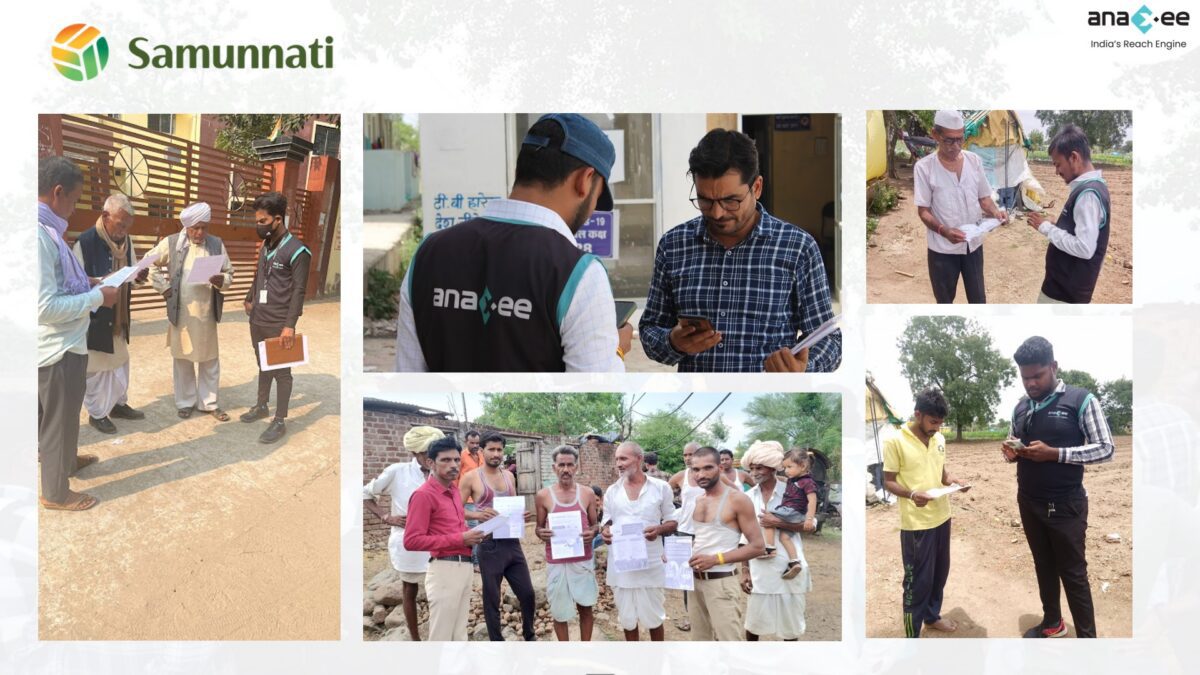
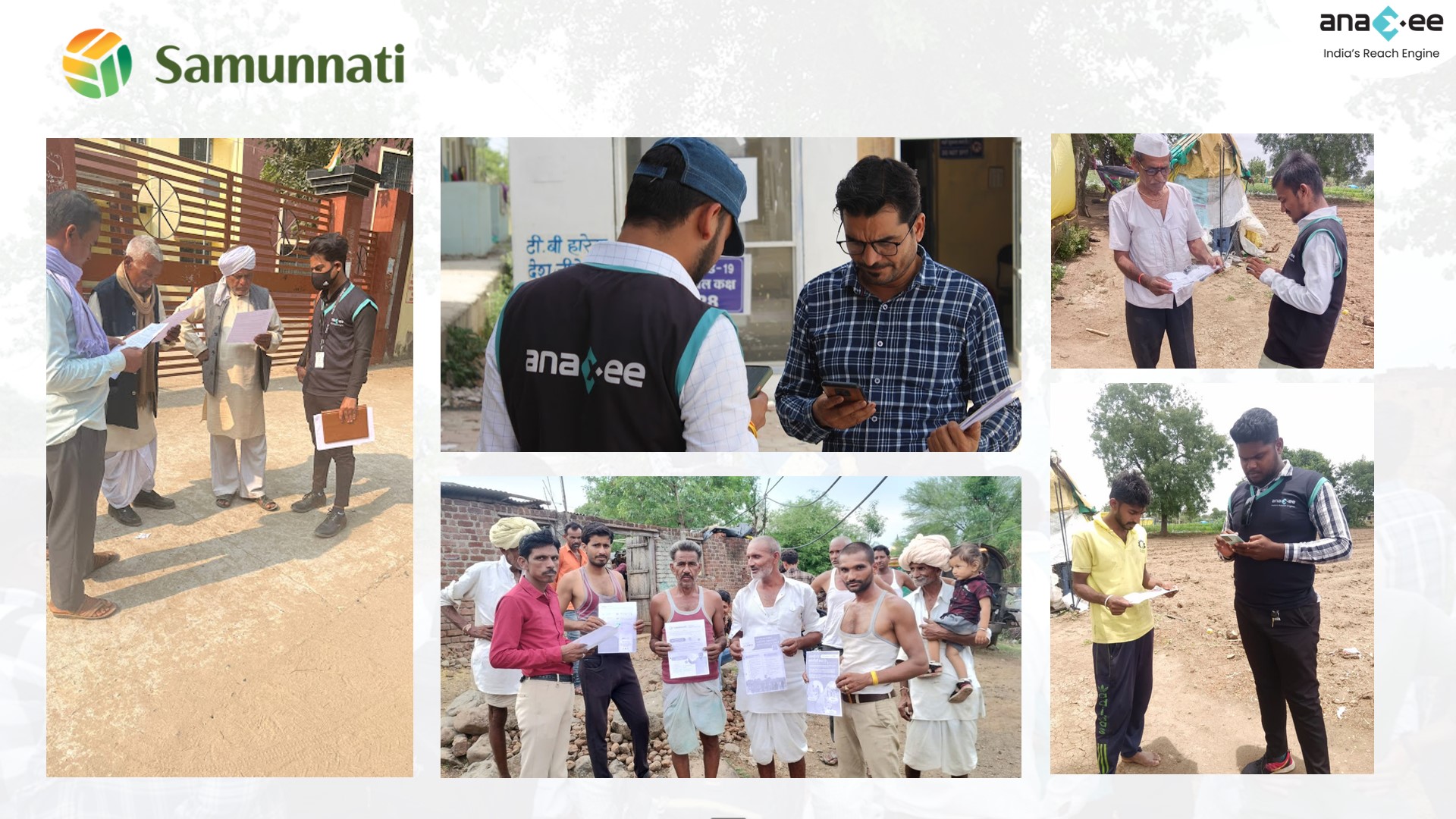
Anaxee is not affiliated with Indo Count, and Indo Count runs its own programmes. But Indo Count makes the point: credible sustainable cotton and credible traceability need real work on the ground — organising farmers, training them, and capturing geo-tagged, timestamped, photo-backed farm data, season after season. For brands, mills and Programme Partners that do not have Indo Count’s in-house field teams, Anaxee is the independent, tech-enabled field-execution and verification layer — a way to reach cotton farmers at scale, run the recurring season work, and get third-party ground-truth to stand behind a claim.

Anaxee has no cotton to sell, so its data has nothing to flatter. It is not a Better Cotton member, not a certification body, and does not buy or sell cotton — it is the field and verification partner underneath the programme. Explore the model: Better Cotton field & verification partner · farm-to-gin traceability · cotton supply-chain verification.

Building or defending a sustainable-cotton claim? If you need independent field execution and on-ground verification across India’s cotton belt — the recurring, season-by-season work behind the claim — let’s talk.


Talk to AnaxeeSee the cotton field-partner model

FAQ

Does Indo Count use Better Cotton (BCI)?
Yes. Indo Count is a Better Cotton member and runs Project Gagan, its own field programme promoting Better Cotton among farmers in Maharashtra. See the full list of Better Cotton members in India.
What are Project Gagan and Project Avani?
They are Indo Count’s two named cotton-farmer programmes: Project Gagan (started 2018-19) works with farmers on Better Cotton practices, and Project Avani (started 2021) is focused on organic cotton. Both aim at a traceable, farm-to-fashion supply chain. For how organic and Better Cotton differ, see organic vs Better Cotton vs regenerative cotton.
What certifications does Indo Count hold?
Per its disclosures, Indo Count holds certifications including BCI, GOTS (organic), GRS (recycled), Fairtrade, the US Cotton Trust Protocol, Egyptian Cotton, OEKO-TEX (STeP / ECO Passport) and Bluesign, alongside Higg/SAC, ZDHC and social-audit schemes. Each covers a different claim — check the standard before treating them as equivalent.
How much of Indo Count’s sourcing is sustainable?
In its ESG report for FY2023-24, Indo Count reported that approximately 22% of its materials — including cotton, yarn, fabric, dyes, chemicals and packaging — were sustainably sourced. This share is reported against a specific year and scope, so check the report before comparing it to another company’s number.
Is Anaxee connected to Indo Count?
No. This page is an independent public reference compiled from Indo Count’s own published reports. Anaxee is not affiliated with, endorsed by, or a vendor to Indo Count Industries. Indo Count is used here only as a well-documented public example of sustainable-cotton work in India.
Public reference — not affiliated. This profile is compiled from Indo Count Industries’ own publicly available ESG report, sustainability disclosures and Sustainable Procurement Policy, plus Better Cotton and Textile Exchange definitions, and is provided for informational reference only. Anaxee Digital Runners is not affiliated with, endorsed by, sponsored by, or a vendor to Indo Count Industries Limited, and makes no claim of any business relationship. All trademarks and figures belong to their respective owners; figures are as reported by the named sources and may change. Nothing here is investment, legal or compliance advice.

Customer Satisfaction Survey Company in India: The Independent, On-Ground Agency

Looking for a customer satisfaction survey company in India? Anaxee is the independent, on-ground agency that surveys your customers, retailers, dealers or farmers in person across 540 districts – and delivers a ranked action plan, not just a score.

Quick answer: Anaxee is a customer satisfaction survey company in India that runs the survey on the ground, independently — meeting your customers, retailers, dealers or farmers in person across 540 districts, in their own language. Unlike an online-panel or pure market-research firm, we own the field network that reaches offline Bharat, verify every response, and hand you a ranked action plan, not just a score.
AnaxeeAbout Anaxee

40,000+ Digital Runners · 540 districts · 26 states · 11,000+ pincodes of reach

★ Winner, National Startup Award (Govt. of India)Independent, third-party fieldworkTrusted by 350+ brands

When you search for a customer satisfaction survey company in India, you mostly find two kinds: online-survey tools that only reach people who click a link, and market-research firms that sub-contract the fieldwork. Anaxee is the third kind — an independent agency that owns the on-ground field network, so the survey actually reaches your customers, retailers, dealers and farmers where they are, and comes back verified.

Why hire an independent survey company

  • Honest answers. People will not criticise the brand to the brand’s own team. A neutral third party gets the truth — the whole reason to outsource it.
  • Real reach. An own field force of 40,000+ meets the offline majority an online panel never touches, in any Indian language.
  • Verified data. Every response is geo-tagged and time-stamped, with AI flagging duplicates and contradictions — no curbstoning, no made-up interviews.
  • A defensible number. An independently gathered index you can put in the annual report, a board review or an investor update.

Who we survey

Channel

Dealers & retailers

Dealer and retailer satisfaction — supply, margins, service, push.

Consumers

End buyers

Consumer satisfaction measured where buyers live, not just online.

Farmers

Agri partners

Farmer satisfaction — inputs, price, payment, support, renew intent.

What you get — an action plan, not just a score

A satisfaction number changes nothing on its own. We design every survey so each question maps to a fixable driver, then deliver a leadership report: the satisfaction index and year-on-year trend, the score cut by state, distributor and product, the verbatim voice of your customers, and a ranked action plan — what to fix, for whom, by when. That is what makes the engagement worth it.

AnaxeeNeed a satisfaction survey run across India?

Anaxee runs it independently, on the ground, across 540 districts — and hands you the action plan.

Book a meeting

How Anaxee runs it

Anaxee — India’s Reach Engine, a National Startup Award winner working with 350+ brands — scopes the study, designs the questionnaire, draws a representative sample, and runs the fieldwork in person across 540 districts and 11,000+ pincodes, every response verified on a live dashboard. It is best run as an annual satisfaction survey so you build a year-on-year trend. New to it? Start with what an annual customer survey is.

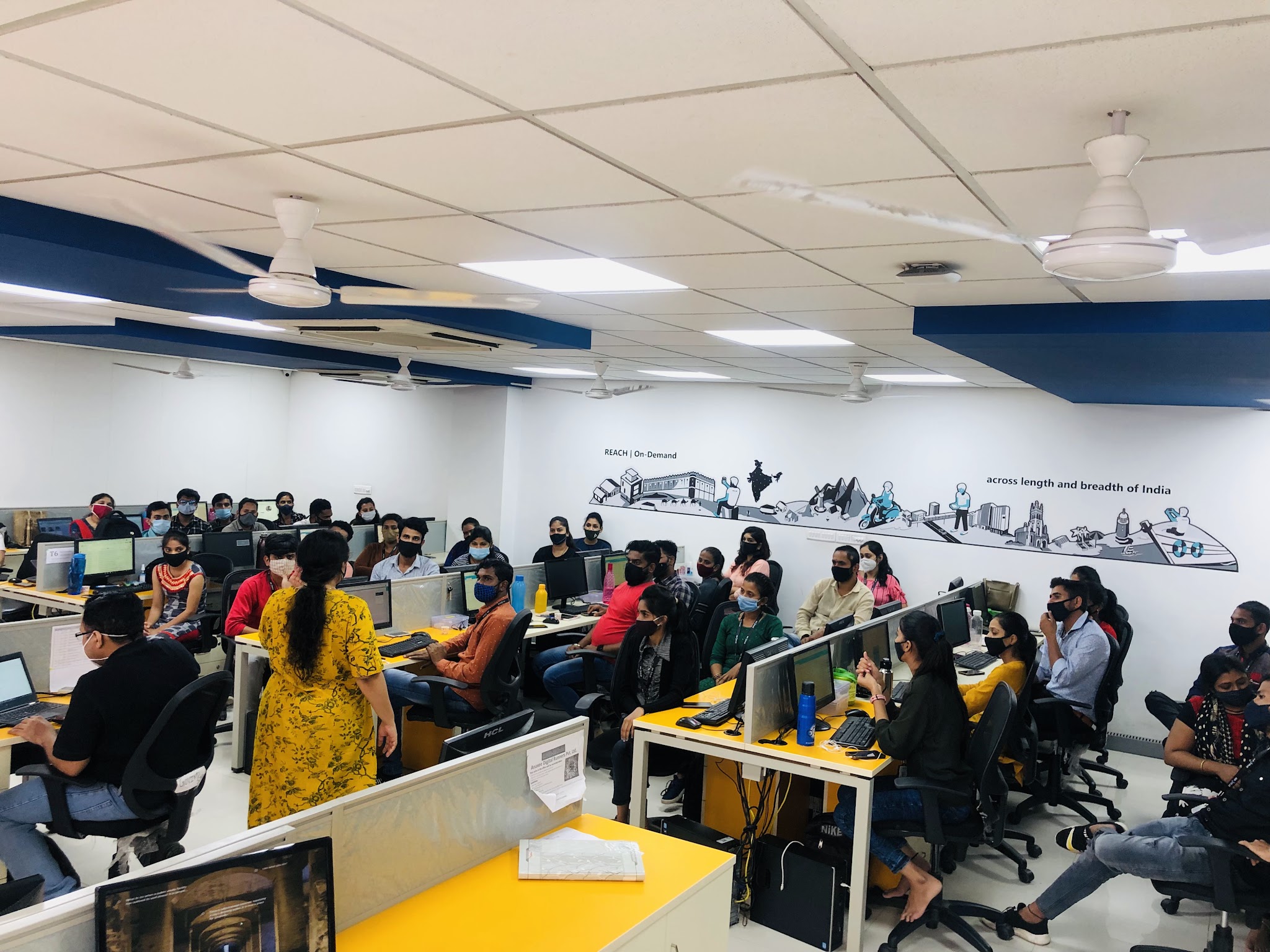
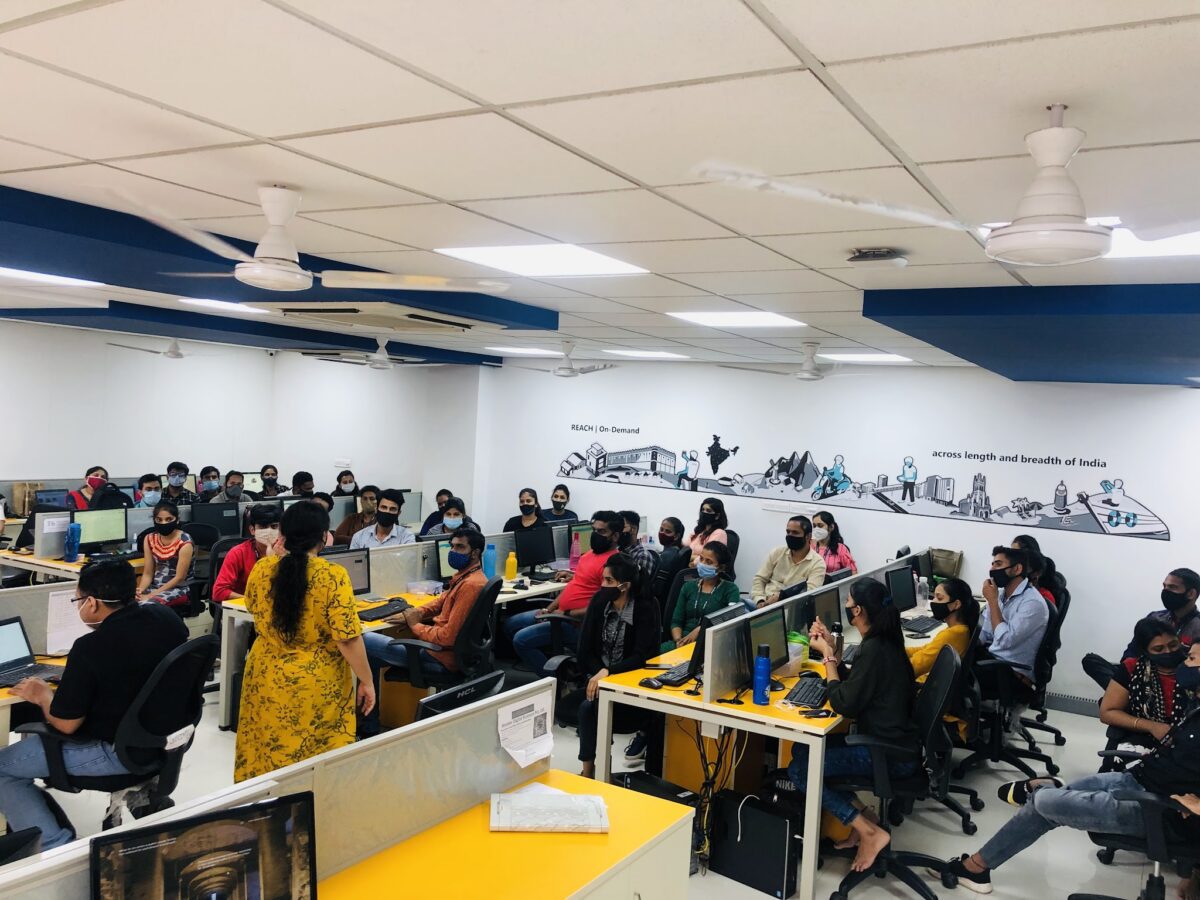
Anaxee team at work in the Indore office

AnaxeeWhat happens when you reach out to Anaxee

  1. Tell us who you want to hear from — customers, retailers, dealers or farmers — by form, WhatsApp or a call.
  2. A real person calls back — our Indore team, within one working day.
  3. We scope and pilot it — a sample, verified responses and a draft action plan from one region.

A 150+ person team in Indore and 40,000+ field executives — an independent satisfaction read you can trust.

Talk to a satisfaction survey company that runs the field

Tell us who you want to hear from and what you want to learn — our team will get back within one working day.

    Frequently asked questions

    What does a customer satisfaction survey company do?
    It designs and runs a survey of a brand’s customers, retailers, dealers or farmers on the brand’s behalf, independently, and reports how satisfied they are and why. A good one does not just hand over data — it delivers a ranked action plan of what to fix.
    How is Anaxee different from a market-research firm or an online survey tool?
    Online tools only reach people who respond to a link; many research firms sub-contract the fieldwork. Anaxee owns a 40,000+ field network that meets respondents in person across India, in the local language, and verifies every response — so the result represents your whole base, including offline Bharat.
    Who can you survey?
    Customers, retailers and dealers, and farmers — anywhere in India. See the dealer, retailer, consumer and farmer satisfaction surveys.
    Do you just give a score, or recommend actions?
    Both. Each question is mapped to a fixable driver, and the report ends in a ranked, owned action plan — the issues hurting satisfaction most, where they are, and the fix for each.
    Can we run it every year?
    Yes — that is the ideal. Run as an annual satisfaction survey, it builds a year-on-year trend you can tie to the changes you make.

    The bottom line

    The right customer satisfaction survey company in India is the one that can actually reach your customers — honestly, on the ground, in their language — and turn what they say into decisions. Anaxee owns the field network to do it and delivers a ranked action plan, not just a number. Talk to us about your survey.

    AnaxeeTalk to Anaxee — whichever way is easiest

    Book a meetingCallEmail

    What Is an Annual Customer Survey? (And Why Run One On the Ground in India)

    An annual customer survey is a structured, once-a-year survey of your customers – or retailers, dealers and farmers – to measure overall satisfaction, capture macro-level sentiment and guide strategy. What it is, annual vs pulse, and why run it independently and on the ground in India.

    Quick answer: An annual customer survey is a structured, once-a-year survey of the people a company serves — its customers, or its retailers, dealers and farmers — to measure overall satisfaction, capture macro-level sentiment, and guide strategic planning. Unlike a quick transactional pulse, it is a yearly snapshot of the whole relationship. Run independently and on the ground in India, it gives leadership honest feedback and a year-on-year trend to act on.
    AnaxeeAbout Anaxee

    40,000+ Digital Runners · 540 districts · 26 states · 11,000+ pincodes of reach

    ★ Winner, National Startup Award (Govt. of India)Independent, on-ground fieldworkIndia’s Reach Engine since 2016

    Most companies measure satisfaction one transaction at a time, if at all. An annual customer survey steps back once a year and asks the bigger question: across everything, are the people we depend on satisfied, and are they getting more or less so? It is the macro read that feeds strategy — and in India, done on the ground, it is the only one that reaches the customers who never fill in a form.

    What an annual customer survey is

    It is a yearly survey of a defined audience — end customers, or the retailers, dealers and farmers a brand depends on — built to measure overall satisfaction, the drivers behind it, and loyalty or intent to continue. Because it runs once a year, you can ask broad, in-depth questions, build a baseline, and compare year on year. It answers “how is the relationship?”, not “how was this one transaction?”

    Annual vs pulse (rolling) surveys

    Annual survey

    Macro snapshot

    A once-a-year, in-depth read of the whole relationship. Builds a year-on-year baseline for strategy and the board.

    Pulse / rolling

    Transactional

    A short survey right after a purchase or service event. Great for real-time operations, weak on the big picture.

    Use both

    Different jobs

    Pulse for the day-to-day, annual for the direction. The annual survey is the one leadership plans around.

    What goes into an annual customer survey

    • Overall satisfaction. A headline score (and often a recommend / renew score) on a simple scale.
    • Driver & attribute questions. The specific things behind the score — product, availability, service, value, support.
    • Loyalty & intent. How likely they are to continue, expand or recommend — the churn signal.
    • An open question. One “what should we fix?” in their own words — the part that drives change.

    For the full question set by audience, see the retail/dealer and farmer satisfaction survey templates.

    Who runs it — and why independent, on the ground

    An online form run by the brand’s own team reaches only the connected few and gets polite answers. For a true annual read in India — especially of retailers, dealers and farmers — the survey is run by a neutral third party, in person, in the local language. Independence gets honesty; on-ground gets the offline majority. That is the difference between a satisfaction number you hope is right and one you can take to the board.

    From survey to action

    The point of an annual survey is not the score — it is what you change because of it. A good one is built so each question maps to a fixable driver, and ends in a ranked, owned action plan: the issues hurting satisfaction most, where they are, and what to do about them. Measure, act, re-measure next year.

    AnaxeeThinking about an annual survey this year?

    Anaxee runs independent, on-ground annual satisfaction surveys of your retailers, consumers or farmers across 540 districts — with an action plan at the end.

    Book a meeting

    How Anaxee helps

    Anaxee — India’s Reach Engine, a National Startup Award winner — designs and runs the annual satisfaction survey on the ground across 540 districts and 11,000+ pincodes, in any Indian language, every response geo-tagged and verified on a live dashboard — then delivers the ranked action plan. Run it as a dealer, retailer, consumer or farmer satisfaction survey.

    Talk to us about an annual survey

    Tell us who you want to hear from — our team will get back within one working day.

      Frequently asked questions

      What is an annual customer survey?
      A structured, once-a-year survey of a company’s customers — or its retailers, dealers and farmers — that measures overall satisfaction, the drivers behind it, and loyalty, to capture macro-level sentiment and guide strategic planning. It is a yearly snapshot of the whole relationship, not a single transaction.
      What is the difference between an annual survey and a pulse survey?
      An annual survey is an in-depth, once-a-year macro snapshot that builds a year-on-year baseline for strategy. A pulse (rolling) survey is a short questionnaire sent right after a transaction for real-time feedback. They do different jobs; many companies run both.
      What should an annual customer survey include?
      An overall satisfaction score, driver or attribute questions (product, availability, service, value, support), a loyalty or recommend question, and one open question. Keep it short and lead with closed questions you can score and trend.
      Why run it on the ground in India instead of online?
      Because most customers, retailers and farmers in India are offline and will not answer a web form, and because people are more honest with an independent third party than with the brand itself. On-ground, independent fieldwork reaches everyone and gets the truth.
      How do you turn the results into decisions?
      By mapping each question to a fixable driver and ending with a ranked, owned action plan — the issues hurting satisfaction most, where they are, and the specific fix for each. See the report template.

      The bottom line

      An annual customer survey is the once-a-year, macro read of whether the people you depend on are satisfied and staying. Run it independently and on the ground — so it reaches everyone and gets honest answers — and end it in a ranked action plan, and it becomes the instrument leadership plans around. Anaxee runs it across India.

      AnaxeeTalk to Anaxee — whichever way is easiest

      Book a meetingCallEmail

      Satisfaction Survey Report Template: From Scores to an Action Plan (With Example)

      A satisfaction survey report template built for leadership – the structure that turns a satisfaction score into a ranked, owned action plan. The eight sections, an illustrative example, and what each one gives top management.

      Quick answer: A satisfaction survey report is only useful if it ends in decisions. This template lays out the eight sections of a leadership-ready report — from the headline index to a ranked, owned action plan — with an illustrative example, so a satisfaction survey turns into a to-do list top management can act on, not a slide deck that gets filed.
      AnaxeeAbout Anaxee

      40,000+ Digital Runners · 540 districts · 26 states · 11,000+ pincodes of reach

      ★ Winner, National Startup Award (Govt. of India)Reports a board can act on

      Most satisfaction surveys die in the report. Pages of charts, a score, no owner, no deadline — and nothing changes by next year. This template fixes that by structuring the report around the action plan, not the data. It works for a dealer, retailer, consumer or farmer satisfaction survey. All figures below are illustrative.

      The report: eight sections

      1. Cover & one-line verdict

      Title, audience, sample size, dates — and a single sentence a CEO can read in five seconds.

      IllustrativeDealer satisfaction held steady at 74% but intent-to-stay fell 6 points in the East — payment delays are the cause.

      2. Executive summary

      Half a page: the index and its year-on-year move, the three things driving it, and the top three recommended actions. Everything after this is evidence.

      3. The satisfaction index & trend

      The headline number — satisfaction (top-2-box %) and an NPS — with the year-on-year trend so the board sees direction, not just a snapshot.

      IllustrativeSatisfaction 74% (last year 76%) · NPS +18 (last year +24) · intent-to-stay 81%.

      4. Where the problem is (segment cuts)

      The same scores cut by the segments that matter — state, distributor, product line, tenure — so the issue is located, not averaged away. This is where an action gets an address.

      IllustrativeEast region 61% vs national 74%; new dealers (under 1 year) 58%; premium-line dealers 80%.

      5. Key findings (drivers, ranked)

      The three to five drivers moving satisfaction most, each with the score, the segments it hits, and a supporting verbatim. Ranked by impact × reach, so priorities are obvious.

      6. The action plan

      The centre of the report: each finding becomes an action, with an owner, a priority and a due date. This is what makes the survey worth running.

      Finding Action Owner Priority
      Payment delays in East region Fix release SLA; weekly settlement cycle Finance High
      Stock-outs hurting new dealers Add a distributor; revise beat plan Sales / Distribution High
      Weak field-officer servicing Retrain + raise visit frequency Field ops Medium
      IllustrativeThree ranked actions, each owned and dated — reviewed at the next quarterly, re-measured next year.

      7. Voice of the channel (verbatims)

      A short, honest selection of what respondents actually said, in their words — the part that changes a leadership team’s mind more than any chart.

      8. Methodology

      Sample size and design, mode (in-person / phone), geography, dates, and verification — so the numbers are defensible if challenged in the boardroom or an annual report.

      What each section gives top management

      • A number they can trust — independently gathered, year on year.
      • An early-warning signal — intent-to-stay flags churn before it shows in sales.
      • A located problem — the segment cuts tell you exactly where to act.
      • A plan, not a post-mortem — ranked actions with owners and dates.
      • An external figure — usable in the annual report, a board or investor update.
      A note on the numbers: every figure on this page is illustrative, to show the format. A real report carries only your verified field data — Anaxee never fabricates or reuses another company’s numbers.

      AnaxeeWant a report like this for your brand?

      Anaxee runs the survey on the ground and delivers this report — the index, the cuts, the verbatims and the ranked action plan.

      Book a meeting

      How Anaxee helps

      Anaxee — India’s Reach Engine, a National Startup Award winner — designs and runs the annual satisfaction survey on the ground across 540 districts, every response geo-tagged and verified on a live dashboard, and delivers this report with the ranked action plan. Pair it with the retail/dealer or farmer survey template to see the full method, questions to report.

      Talk to us about a satisfaction survey report

      Tell us your audience and what you need the report to decide — our team will get back within one working day.

        Frequently asked questions

        What should a satisfaction survey report contain?
        A one-line verdict, an executive summary, the satisfaction index with its year-on-year trend, segment cuts that locate the problem, the ranked drivers, an owned action plan with due dates, verbatim quotes, and a methodology section. The action plan is the point; everything else is evidence for it.
        How do you turn satisfaction scores into actions?
        By mapping every question to a decision when the survey is designed, ranking the drivers by impact and reach, and assigning each an owner and a due date in the report. The score tells you how you are doing; the action plan tells you what to change.
        Are the figures on this page real?
        No — they are illustrative, to show the format. A real report contains only your own verified field data; Anaxee never fabricates numbers or reuses another company’s results.
        Can we use the report externally?
        Yes. Because it is independently gathered and the methodology is documented, the satisfaction index is a figure you can cite in an annual report, a CSR or ESG review, or a board and investor update.

        The bottom line

        The difference between a satisfaction survey that changes a business and one that gets filed is the report. Structure it around a ranked, owned action plan — as this template does — and the survey becomes a management instrument. Build it yourself, or have Anaxee run the survey and deliver the report across India.

        AnaxeeTalk to Anaxee — whichever way is easiest

        Book a meetingCall

        Annual Farmer Satisfaction Survey Template (Free Questionnaire + Action Mapping)

        A free, field-ready annual farmer satisfaction survey template for agritech, FPO and sourcing companies – every section, sample questions, scoring, and how each answer maps to a retention action. Built to produce decisions, not just a score.

        Quick answer: This is a free, field-ready annual farmer satisfaction survey template for agritech, FPO, seed, input and sourcing companies — eight sections, sample questions, how to score it, and how each answer maps to a retention action. It is built backwards from the decisions, so the finished survey tells you what to fix to keep farmers, not just how satisfied they are.
        AnaxeeAbout Anaxee

        40,000+ Digital Runners · 540 districts · 26 states · 11,000+ pincodes of reach

        ★ Winner, National Startup Award (Govt. of India)3.4 lakh+ farmers reached in person

        Use this template to run an annual satisfaction survey on your contract or network farmers. Keep it short, ask in the local language, lead with simple closed questions and a couple of open ones. Each section gives sample questions and the decision it feeds, so the output is a retention action plan. For how the result should look, see the report template; for the live service, the farmer satisfaction survey.

        The template: eight sections

        1. Farmer & farm profile

        • Name, village, geo-tag; land size (band); main crops
        • Years with your programme; share of their produce / inputs through you (band)

        → Turns into: the segments you cut every score by — by crop, region, land size and tenure.

        2. Overall satisfaction & renew intent

        • Overall, how satisfied are you working with [company]? (1–5, use a simple smiley scale)
        • Will you continue with [company] next season? (Yes / Maybe / No)
        • Would you recommend [company] to another farmer? (Yes / Maybe / No)

        → Turns into: your satisfaction index and the next-season churn-risk list — the headline for leadership.

        3. Inputs & quality

        • How satisfied are you with the seed / input / advisory quality?
        • Do inputs reach you in time for the season? (Always…Never)

        → Turns into: an input-supply, quality or timing fix where scores are low.

        4. Price & payment timeliness

        • How fair is the price you receive versus your alternatives? (1–5)
        • How satisfied are you with how quickly you are paid?
        • Have you faced any payment delay or dispute this year? (Yes / No; if yes, what)

        → Turns into: a pricing or payment-process fix — late payment is the fastest way to lose a farmer.

        5. Agronomy & field support

        • How often does a field officer visit, and is it enough?
        • How useful is the advice and support through the crop cycle?

        → Turns into: field-team density, training or beat-plan changes by region.

        6. Procurement experience

        • How satisfied are you with weighing, grading and transparency at sale / collection?
        • How satisfied are you with logistics and the time it takes?

        → Turns into: a procurement, weighing or logistics fix at the collection points that score worst.

        7. Trust & grievances

        • Were any promises made to you not kept this year? (Yes / No; what)
        • If you have a problem, do you know whom to reach, and are you heard?

        → Turns into: a grievance-redressal or communication fix — broken trust predicts drop-out.

        8. Open: what should we change?

        • If [company] could change one thing for you, what would it be? (voice or text)

        → Turns into: verbatim farmer quotes that move leadership — and themes you can count.

        How to score it

        Report, cut by the segments from Section 1: a satisfaction index (top-2-box % on the smiley/1–5 scales), a renew-intent rate (% answering “Yes”), and the churn-risk list (anyone answering “Maybe/No”). As ever, the value is in the cuts — which crops, regions and collection points are unhappy — because that is where retention effort goes.

        From the template to a decision

        Each low-scoring section already points at an owner and a fix (the “turns into” lines). Rank them — biggest satisfaction drag first, weighted by how many farmers it affects — into a short, owned retention plan before the next sowing. That ranked plan is the output; the score is how you got there. The report template shows the format.

        AnaxeeWant the editable template — and someone to run it?

        Anaxee can tailor this template to your crop and programme and run it on the ground across 540 districts, with a retention action plan at the end.

        Book a meeting

        How Anaxee helps

        Anaxee — India’s Reach Engine, a National Startup Award winner — adapts this template to your programme, draws the sample, and runs it in person across 540 districts in the local language, every response geo-tagged and verified on a live dashboard — then delivers the ranked retention plan. It is part of an annual satisfaction survey programme and sits alongside your farmer-network and sourcing work.

        Get the editable farmer satisfaction template

        Tell us your crop and programme — we will tailor the template and get back within one working day.

          Frequently asked questions

          How do you survey farmers who cannot fill a form?
          In person. A trained field executive asks the questions in the local language and records answers on an app — with smiley scales for ratings and voice capture for open answers — so literacy and connectivity are never a barrier. That is how Anaxee runs it.
          What is the single most important thing to measure?
          Renew intent and its drivers — whether the farmer will stay next season, and why not. Price fairness and payment timeliness are usually the biggest levers, which is why they have their own section.
          How do we make sure it produces actions, not just a score?
          By mapping each section to a decision up front (the “turns into” lines) and ending with a ranked retention plan in the report — the fixes attached to the lowest-scoring, widest-reaching drivers.
          Can you run it for us?
          Yes — Anaxee tailors the template and runs the whole survey on the ground across India, independently, and delivers the report and retention plan. See the farmer satisfaction survey.

          The bottom line

          A farmer satisfaction survey is worth running only if it keeps farmers. Build it backwards from the retention decisions — as this template does — ask in person and in the local language, score the closed questions, and end with a ranked plan. Use it yourself, or have Anaxee run it independently across India.

          AnaxeeTalk to Anaxee — whichever way is easiest

          Book a meetingCall

          Annual Retail & Dealer Satisfaction Survey Template (Free Questionnaire + Action Mapping)

          A free, field-ready annual retail and dealer satisfaction survey template – every section, sample questions, how to score it, and crucially how each answer maps to an action you can take. Built for brands who want results, not just a score.

          Quick answer: This is a free, field-ready annual retail and dealer satisfaction survey template — eight sections, sample questions, how to score it, and, most importantly, how each answer maps to an action you can take. A satisfaction survey is only worth running if it ends in decisions, so this template is built backwards from the actions, not the questions.
          AnaxeeAbout Anaxee

          40,000+ Digital Runners · 540 districts · 26 states · 11,000+ pincodes of reach

          ★ Winner, National Startup Award (Govt. of India)Retail & channel fieldwork across 26 states

          Use this template to run an annual satisfaction survey on the retailers or distributors who carry your brand. Keep it short — 20 to 25 questions, ten minutes — lead with closed questions you can score, and end with one open question. Each section below gives you sample questions and the decision it feeds, so the finished survey produces an action plan, not just a number. For how the output should look, see the satisfaction survey report template; for the live service, the retailer and dealer & distributor satisfaction surveys.

          The template: eight sections

          1. Respondent profile

          Classification data so you can cut the results later.

          • Outlet / firm name, type and location (captured + geo-tagged)
          • Years dealing with your brand; your brand’s share of their business (band)
          • Other brands they carry in your category

          → Turns into: the segments you slice every other score by — by state, outlet type, tenure and brand-share.

          2. Overall satisfaction & loyalty

          The headline scores, asked early.

          • Overall, how satisfied are you dealing with [brand]? (1–5)
          • How likely are you to recommend [brand] to another retailer/dealer? (0–10 — your channel NPS)
          • Do you intend to keep [brand] as a primary line next year? (Yes / Maybe / No)

          → Turns into: your satisfaction index and churn-risk list — the year-on-year headline for leadership.

          3. Product availability & supply

          • How often is your required stock available on time? (Always…Never)
          • How satisfied are you with order-to-delivery time and fill rates?
          • How often do you lose a sale because [brand] is out of stock?

          → Turns into: a distribution / forecasting / beat-coverage fix where scores are low.

          4. Margins, schemes & credit

          • How fair are [brand]’s margins versus competing brands? (1–5)
          • How satisfied are you with schemes, offers and their timely settlement?
          • How satisfied are you with credit terms?

          → Turns into: a pricing / scheme / credit-policy review for the segments that score worst.

          5. Service & field-team

          • How regularly does your [brand] salesperson visit? Is it enough?
          • How satisfied are you with how complaints and returns are handled?
          • How would you rate the behaviour and helpfulness of the field team?

          → Turns into: field-team training, a beat-plan change, or a complaints-process fix.

          6. Merchandising & support

          • How satisfied are you with branding, displays and POS material?
          • Do you get enough marketing / demand-generation support?

          → Turns into: a merchandising / trade-marketing investment decision by region.

          7. Competitor comparison

          • Which competing brand serves you best, and on what? (open or coded)
          • What does that competitor do that [brand] does not?

          → Turns into: the specific competitive gaps to close — the intelligence you never get internally.

          8. Open: what should we fix?

          • If [brand] could change one thing for you, what would it be? (voice or text)

          → Turns into: the verbatim quotes that make leadership act — and themes you can count.

          How to score it

          Report three things, cut by the segments from Section 1: a satisfaction index (average, or top-2-box % on the 1–5 scales), a channel NPS (promoters minus detractors on the 0–10), and the churn-risk list (anyone answering “Maybe/No” to intent). The value is in the cuts — which states, outlet types and tenures are unhappy — because that is where the action goes.

          From the template to a decision

          Each low-scoring section already points at an owner and an action (see the “turns into” lines). The final step is to rank them — biggest satisfaction drag first, weighted by how many of your channel it affects — into a short, owned action plan. That ranked plan is the real output; the score is just how you got there. The report template shows the format.

          AnaxeeWant the editable template — and someone to run it?

          Anaxee can share an editable version tailored to your channel and run the whole survey on the ground across 540 districts, with the action plan at the end.

          Book a meeting

          How Anaxee helps

          Anaxee — India’s Reach Engine, a National Startup Award winner — adapts this template to your brand, draws the sample, and runs it in person across 540 districts in the local language, every response geo-tagged and verified on a live dashboard — then delivers the ranked action plan. It is part of an annual satisfaction survey programme.

          Get the editable retail/dealer satisfaction template

          Tell us your category and channel — we will tailor the template and get back within one working day.

            Frequently asked questions

            How many questions should an annual retail satisfaction survey have?
            Keep it to roughly 20–25 questions, about ten minutes — long enough to cover the eight sections, short enough that a busy retailer finishes it properly. Lead with closed questions you can score and end with one open question.
            What is the difference between this and a retail audit?
            A retail audit records what is on the shelf; this satisfaction survey records what the retailer or dealer thinks about dealing with you. Run together, one shows the state of the shelf, the other explains it.
            How do we make sure it produces actions, not just a score?
            By mapping each section to a decision up front — the “turns into” lines in this template — and ending with a ranked action plan in the report. Score first, then the fixes attached to the lowest-scoring, widest-reaching drivers.
            Can you run it for us?
            Yes — Anaxee tailors the template and runs the whole survey on the ground across India, independently, and delivers the report and action plan. See the dealer & distributor and retailer satisfaction surveys.

            The bottom line

            A retail or dealer satisfaction survey earns its keep only if it changes something. Build it backwards from the decisions — as this template does — keep it short, score the closed questions, and end with a ranked action plan. Use it yourself, or have Anaxee run it independently across India.

            AnaxeeTalk to Anaxee — whichever way is easiest

            Book a meetingCall

            Consumer Satisfaction Survey in India: On-Ground, Independent & Actionable

            An on-ground, independent consumer satisfaction survey across India – product experience, value, availability, after-sales and repurchase intent – measured where your buyers actually live, not just online, and turned into a prioritised action plan.

            Quick answer: A consumer satisfaction survey measures how happy your end buyers are with your product and service. An online form only reaches the connected, urban few; an on-ground, independent survey reaches real consumers where they live — including the offline majority of Bharat — and turns their verdict into a prioritised action plan of product, service and distribution fixes, not just a CSAT number.
            AnaxeeAbout Anaxee

            40,000+ Digital Runners · 540 districts · 26 states · 11,000+ pincodes of reach

            ★ Winner, National Startup Award (Govt. of India)Consumers reached in person across 26 statesIndia’s Reach Engine since 2016

            Most consumer satisfaction surveys run online — which means they hear from the small, connected, urban slice of your buyers and miss everyone else. If your product sells across India, the people who decide your repeat sales are in towns and villages a web form never reaches. An independent satisfaction survey done on the ground gives you the real consumer verdict — and what to do about it.

            What it measures

            • Product experience & quality. How the product actually performs in real use, in real conditions.
            • Value for money. Whether the price feels worth it against what else the consumer could buy.
            • Availability & access. Whether they can find and buy your product easily, near them.
            • Service & after-sales. Support, warranty, complaints — the experience after the sale.
            • Repurchase & recommend intent. How likely they are to buy again and to recommend — the loyalty signal (a field NPS).

            From satisfaction to an action plan

            A CSAT or NPS number on its own tells you how you are doing, not what to change. So every question is built to point at a fix you can act on: quality complaints point to a product or QC change; value scores point to pricing or pack-size decisions; access gaps point to a distribution fix; after-sales gripes point to a service-process change. Anaxee delivers a ranked list — the drivers hurting satisfaction most, which consumer segments and regions they hit, and the specific action each one calls for — so your product and marketing teams leave with a to-do list, not just a score.

            AnaxeeHear from the consumers an online survey misses.

            Anaxee runs an independent, on-ground consumer satisfaction survey across 540 districts — and hands you the actions to improve.

            Book a meeting

            Why on-ground, and why independent

            Two reasons it works. On-ground: a trained enumerator meets real consumers in person, in the local language, so you hear from the offline majority an online panel never touches — the natural companion to rural market research. Independent: consumers are more candid with a neutral party than with the brand itself, and a third party cannot be accused of cherry-picking the result. Together they give you a consumer verdict you can actually trust and act on.

            How Anaxee runs it

            Anaxee — India’s Reach Engine, a National Startup Award winner — designs the questionnaire, draws a representative sample of your consumers, and sends trained field executives to meet them in person across 540 districts and 11,000+ pincodes. Every response is geo-tagged and verified on a live dashboard, with AI flagging duplicates and contradictions, and you get a leadership report with the action plan — part of an annual satisfaction survey programme.

            Anaxee team at work in the Indore office

            AnaxeeWhat happens when you reach out to Anaxee

            1. Tell us about your consumers — who they are, where they are, what you want to learn — by form, WhatsApp or a call.
            2. A real person calls back — our Indore team, within one working day.
            3. We pilot it in one region — verified consumer feedback and a draft action plan.

            A 150+ person team in Indore and 40,000+ field executives reaching real consumers across Bharat.

            Talk to us about a consumer satisfaction survey

            Tell us who your consumers are and what you want to learn — our team will get back within one working day.

              Frequently asked questions

              What is a consumer satisfaction survey?
              It is a survey of a brand’s end buyers measuring how satisfied they are with the product, value, availability and service, and how likely they are to buy again. Run on the ground and independently, it reaches the offline majority an online survey misses and produces an honest score plus a set of actions.
              How is this different from an online CSAT or NPS tool?
              An online tool only reaches connected, literate consumers who respond to a link — a small, skewed slice in India. Anaxee reaches real consumers in person across Bharat, in the local language, so the result represents your actual buyer base, not just the online few.
              Does it just give a score, or tell us what to do?
              Both. Every question is mapped to a fixable driver, so the report ranks the issues hurting satisfaction, shows which segments and regions they affect, and recommends the specific product, service or distribution action for each.
              How often should we run it?
              Annually, to build a year-on-year consumer-satisfaction trend you can tie to the changes you make. A mid-year pulse helps after a launch or a major change.
              How large a sample do you cover?
              From a focused study in a few regions to a national consumer sample across the 540-district network. The right size depends on how finely you want to cut the results — see survey sampling.

              The bottom line

              Your consumers already know whether they will buy you again. An on-ground, independent consumer satisfaction survey goes and asks them — including the offline majority an online form never reaches — and turns the answers into a ranked list of product, service and distribution fixes your teams can act on. Do it every year and you can see satisfaction move with what you change. Anaxee runs it across India.

              AnaxeeTalk to Anaxee — whichever way is easiest

              Book a meetingCallEmail

              Retailer Satisfaction Survey in India: Independent, On-Ground & Actionable

              An independent, on-ground annual satisfaction survey of the retailers who stock your brand across India – availability, margins, merchandising support, salesperson servicing and competitor pull – turned into a prioritised action plan to win shelf share.

              Quick answer: A retailer satisfaction survey is an independent, on-ground check on how happy the shopkeepers who stock your brand really are — with availability, margins, merchandising support and how your salespeople service them — run by a neutral third party so you hear what the retailer will not say to your beat salesman. It turns into a prioritised action plan to win more shelf space and push, store by store.
              AnaxeeAbout Anaxee

              40,000+ Digital Runners · 540 districts · 26 states · 11,000+ pincodes of reach

              ★ Winner, National Startup Award (Govt. of India)Retail fieldwork across 26 statesIndia’s Reach Engine since 2016

              The retailer decides, every day, whether to recommend your brand or the one next to it. He is not on your payroll and he will not fill in a form, but his satisfaction quietly sets your off-take. An annual, independent satisfaction survey of the retailers who stock you — done where they trade, as part of or alongside a retail shop survey — tells you why they push you or do not, and what to change.

              What it measures

              • Availability & supply. Whether your product is in stock when the customer asks, and how quickly it is replenished.
              • Margins & schemes. Whether your margins and offers make it worth the retailer’s shelf and effort versus a rival.
              • Merchandising & POS support. Displays, branding, samples and whatever help you give him to sell more.
              • Salesperson & beat servicing. How regularly and how well your field salesman visits, takes orders and resolves issues.
              • Push intent & competitor pull. How willing he is to recommend your brand, and what a competitor is doing to win him over.

              From satisfaction to an action plan

              A satisfaction number does not move a single extra unit. So every question is built to point at a fix you can act on: stock-out complaints point to a distribution or beat fix; weak margins point to a scheme review; poor servicing points to field-team training or a beat-plan change; thin merchandising points to a POS-support decision. Anaxee delivers a ranked list — the drivers suppressing your push, which store types and states they hit, and the specific action each one calls for — so your sales team leaves with a shelf-share to-do list, not just a dashboard.

              AnaxeeFind out why retailers push you — or don’t.

              Anaxee runs an independent retailer satisfaction survey across 540 districts — and hands you the actions to win the shelf.

              Book a meeting

              Why it has to be independent

              A retailer will not tell your beat salesman that the salesman never shows up, or that your competitor’s scheme is better — he does not want to lose the relationship or the credit. A neutral third party, in the local language, gets the honest version. It pairs with your retail survey and go-to-market execution — the satisfaction read tells you where the execution is quietly failing.

              How Anaxee runs it

              Anaxee — India’s Reach Engine, a National Startup Award winner — designs the questionnaire, draws a representative sample of your retail universe, and sends trained field executives to meet shopkeepers in person across 540 districts and 11,000+ pincodes, in the local language. Every response is geo-tagged and verified on a live dashboard, and you get a leadership report with the action plan — part of an annual satisfaction survey programme.

              Anaxee team at work in the Indore office

              AnaxeeWhat happens when you reach out to Anaxee

              1. Tell us about your retail base — how many outlets, which markets, what you suspect — by form, WhatsApp or a call.
              2. A real person calls back — our Indore team, within one working day.
              3. We pilot it in one market — verified retailer feedback and a draft shelf-share action plan.

              A 150+ person team in Indore and 40,000+ field executives who meet retailers across Bharat every day.

              Talk to us about a retailer satisfaction survey

              Tell us about your retail base and what you want to learn — our team will get back within one working day.

                Frequently asked questions

                What is a retailer satisfaction survey?
                It is an independent survey of the shopkeepers who stock a brand, measuring how satisfied they are with availability, margins, merchandising support and salesperson servicing, and how willing they are to push the brand. Run on the ground by a third party, it gives an honest score and a set of actions to win more shelf and push.
                How is this different from a retail audit?
                A retail audit measures what is on the shelf — stock, price, display. A retailer satisfaction survey measures what the retailer feels about dealing with you. They pair well: one tells you the state of the shelf, the other tells you why.
                Does it just give a score, or tell us what to do?
                Both. Each question is mapped to a fixable driver, so the report ranks the issues suppressing your push, shows which store types and states they affect, and recommends the specific action for each.
                How often should we run it?
                Annually, to build a year-on-year trend of retailer sentiment, often alongside your retail audit cycle. A mid-year pulse helps where the market is shifting fast.
                How large a sample do you cover?
                From a focused study in a few markets to your national retail universe across the 540-district network. The right size depends on how finely you want to cut the results — see survey sampling.

                The bottom line

                Your retailers already know whether they would rather sell you or the brand beside you. A retailer satisfaction survey, run independently and on the ground, asks them straight — and turns the answers into a ranked list of fixes your sales team can act on to win the shelf. Do it every year and you can watch retailer sentiment move with your actions. Anaxee runs it across India.

                AnaxeeTalk to Anaxee — whichever way is easiest

                Book a meetingCallEmail

                Farmer Satisfaction Survey in India: Independent, On-Ground & Actionable

                An independent, on-ground annual satisfaction survey of your contract or network farmers across India – input quality, price and payment timeliness, agronomy support, procurement fairness and renew intent – turned into a prioritised action plan to keep your farmer base from year to year.

                Quick answer: A farmer satisfaction survey is an independent, on-ground check on how happy your contract or network farmers really are — with input quality, prices, payment timeliness, agronomy support and procurement — run by a neutral third party so you hear what farmers will not tell your own field staff. It gives you a satisfaction score and, more usefully, a prioritised action plan to keep farmers in your programme season after season.
                AnaxeeAbout Anaxee

                40,000+ Digital Runners · 540 districts · 26 states · 11,000+ pincodes of reach

                ★ Winner, National Startup Award (Govt. of India)3.4 lakh+ farmers reached in personIndia’s Reach Engine since 2016

                For any agritech, FPO, seed, input or sourcing company, the farmer base is the business — and it quietly erodes every season. A farmer who feels underpaid, poorly supported or let down on inputs does not complain to your field officer; he simply sells elsewhere next harvest or drops out of the programme. An annual, independent satisfaction survey of your farmers catches that before it shows up as attrition — and tells you exactly what to fix.

                What it measures

                • Inputs & quality. Seed, agri-input, advisory and service quality, and whether they arrive when the season needs them.
                • Price & payment timeliness. Whether the price feels fair and, just as important, whether payment arrives on time — the fastest way to lose a farmer.
                • Agronomy & field support. How useful and present your field team and advisory actually are through the crop cycle.
                • Procurement experience. Weighing, grading, logistics and transparency at the point of sale or collection.
                • Trust & renew intent. Grievances, broken promises, and how likely the farmer is to stay with your programme next season.

                From satisfaction to an action plan

                Knowing farmers are 72% satisfied helps no one on its own. So every question is built to point at a fix you can act on: low input scores point to a supply or quality change; late-payment complaints point to a finance-process fix; weak agronomy scores point to field-team training or density; procurement gripes point to a weighing or transparency change. Anaxee delivers a ranked list — the drivers costing you farmers, which regions and farmer segments they hit, and the specific action each one calls for — so your programme team leaves with a retention to-do list, not just a number.

                AnaxeeFind out if your farmers will stay next season.

                Anaxee runs an independent farmer satisfaction survey across 540 districts — and hands you the actions to retain your base.

                Book a meeting

                Why it has to be independent

                A farmer will not tell your own field officer that the officer is the problem, or that your payments are late — he depends on the relationship. A neutral third party in the local language, with no stake in the answer, gets the honest version. Anaxee has gone back to contract and network farmers for companies to ask exactly this — are you happy, and will you stay? It sits alongside your farmer-network and sourcing programme and your agri field services.

                How Anaxee runs it

                Anaxee — India’s Reach Engine, a National Startup Award winner — designs the questionnaire, draws a representative sample of your farmer base, and sends trained field executives to meet farmers in person across 540 districts and 11,000+ pincodes, in the local language. Every response is geo-tagged and verified on a live dashboard, and you get a leadership report with the action plan. Run it each year for a retention trend — part of a full annual satisfaction survey programme.

                Anaxee team at work in the Indore office

                AnaxeeWhat happens when you reach out to Anaxee

                1. Tell us about your farmer base — how many, which crops and regions, what you suspect — by form, WhatsApp or a call.
                2. A real person calls back — our Indore team, within one working day.
                3. We pilot it in one region — verified farmer feedback and a draft retention action plan.

                A 150+ person team in Indore and 40,000+ field executives who have met 3.4 lakh+ farmers in person.

                Talk to us about a farmer satisfaction survey

                Tell us about your farmer base and what you want to learn — our team will get back within one working day.

                  Frequently asked questions

                  What is a farmer satisfaction survey?
                  It is an independent survey of a company’s contract or network farmers, measuring how satisfied they are with inputs, prices, payment timeliness, agronomy support and procurement, and how likely they are to stay in the programme. Run on the ground by a third party, it produces an honest score and a set of retention actions.
                  Why use an outside agency instead of our own field team?
                  Because a farmer will not criticise the field officer he depends on, or admit he is considering leaving. An independent team, in the local language, with no stake in the answer, gets the truth — which is the whole point.
                  Does it tell us what to do, or just give a score?
                  Both. Each question is mapped to a fixable driver, so the report ranks the issues losing you farmers, shows which regions and segments they hit, and recommends the specific action for each — a prioritised retention plan.
                  When should we run it?
                  Typically once a year, after the main harvest or at the close of the season, so you build a year-on-year retention trend and can act before the next sowing. A mid-season pulse helps where issues move fast.
                  How large a sample do you cover?
                  From a focused study in a few districts to your entire farmer base across the 540-district network. The right size depends on how finely you want to cut the results — see survey sampling.

                  The bottom line

                  Your farmers already know whether they will stay with you next season. A farmer satisfaction survey, run independently and on the ground, asks them straight — and turns the answers into a ranked list of fixes your programme team can act on before the attrition shows up in your numbers. Do it every year and you have an early-warning system for the health of your farmer base. Anaxee runs it across India.

                  AnaxeeTalk to Anaxee — whichever way is easiest

                  Book a meetingCallEmail

                  Dealer & Distributor Satisfaction Survey in India: Independent, On-Ground & Actionable

                  An independent, on-ground annual satisfaction survey of your dealers and distributors across India – measuring supply, margins, schemes, service and competitor pull, and turning the answers into a prioritised action plan before your channel drifts to a rival.

                  Quick answer: A dealer and distributor satisfaction survey is an independent, on-ground check on how happy your channel really is — with supply, margins, schemes, service and support — run by a neutral third party so you get the truth your own sales team never hears. Done right, it does not just score your channel; it hands you a prioritised action plan to fix what is driving dealers toward a competitor, before they switch.
                  AnaxeeAbout Anaxee

                  40,000+ Digital Runners · 540 districts · 26 states · 11,000+ pincodes of reach

                  ★ Winner, National Startup Award (Govt. of India)Independent, third-party fieldworkIndia’s Reach Engine since 2016

                  Your distributors and dealers are the most expensive relationships you have — and the easiest to lose quietly. A dealer rarely tells your area sales manager he is unhappy; he just starts pushing a competitor’s brand, orders a little less each month, and one day moves on. A once-a-year, independent satisfaction survey catches that drift while you can still fix it — and turns what you learn into actions, not just a number.

                  What it measures

                  • Supply & availability. Fill rates, stock-outs, lead times — can the dealer actually get your product when he needs it?
                  • Margins, schemes & credit. Whether your terms feel fair and competitive — the single biggest reason a dealer switches loyalty.
                  • Service & field-team behaviour. Responsiveness, complaint resolution, and how your sales officers actually treat the dealer.
                  • Competitor pull. What rivals are offering that you are not — the early signal you will never get from inside.
                  • Loyalty & intent. How likely the dealer is to keep you as a primary line — the churn signal, a year early.

                  From satisfaction to an action plan

                  A satisfaction score on its own changes nothing. The point of the survey is what you do next — so every question is built to map to a fix you can act on. Low scores on supply point to a distribution or forecasting fix; low scores on margins point to a scheme or pricing review; low scores on service point to field-team training or a beat-plan change. Anaxee delivers the results as a ranked list: the drivers hurting you most, which dealer segments and states they hit, and the specific action each one calls for — so your sales leadership walks out of the readout with a to-do list, not just a dashboard.

                  Expanding the network itself? Find new distributors by district through Anaxee Distributor Connect.

                  AnaxeeFind out what your channel really thinks.

                  Anaxee runs an independent dealer and distributor satisfaction survey across 540 districts — and hands you the actions to keep them.

                  Book a meeting

                  Why it has to be independent

                  Ask your own team to run it and the dealer stays polite — he will not criticise the person who controls his supply and his credit. A neutral third party, who the dealer knows has no stake in the answer, gets the honest version. That is the entire reason to outsource it. It pairs naturally with your distributor management and go-to-market work — the survey tells you where those are quietly failing.

                  How Anaxee runs it

                  Anaxee — India’s Reach Engine, a National Startup Award winner — designs the questionnaire, draws a representative sample of your channel, and sends trained field executives to meet dealers in person across 540 districts and 11,000+ pincodes, in the local language. Every response is geo-tagged and verified on a live dashboard, and you get a leadership report with the action plan. It is an annual satisfaction survey for your channel — run it each year and you have a trend.

                  Anaxee team at work in the Indore office

                  AnaxeeWhat happens when you reach out to Anaxee

                  1. Tell us about your channel — how many dealers, which geographies, what you suspect — by form, WhatsApp or a call.
                  2. A real person calls back — our Indore team, within one working day.
                  3. We pilot it in one region — verified dealer feedback and a draft action plan you can take to your sales head.

                  A 150+ person team in Indore and 40,000+ field executives — an independent read on your channel, with the fixes attached.

                  Talk to us about a dealer satisfaction survey

                  Tell us about your channel and what you want to learn — our team will get back within one working day.

                    Frequently asked questions

                    What is a dealer and distributor satisfaction survey?
                    It is an independent survey of a company’s channel partners — distributors, dealers and stockists — measuring how satisfied they are with supply, margins, schemes, service and support, and how likely they are to stay loyal. Run on the ground by a third party, it produces an honest score and a set of actions to retain the channel.
                    Why not have our own sales team collect this feedback?
                    Because a dealer will not be candid with the person who controls his supply and credit. An independent agency with no stake in the answer gets the truth, which is the whole value of the exercise.
                    Does it just give a score, or tell us what to do?
                    It gives you both. Every question is mapped to a fixable driver, so the report ranks the issues hurting you most, shows which dealer segments and states they affect, and recommends the specific action for each — a prioritised plan, not just a number.
                    How often should we run it?
                    Annually, usually around the close of the financial year, so you build a year-on-year channel-health trend and feed it into planning. A mid-year pulse is useful where the channel is changing fast.
                    How large a sample do you cover?
                    From a focused study in a few states to your entire distributor and dealer base across the 540-district network. The right size depends on how finely you want to cut the results — see survey sampling.

                    The bottom line

                    Your dealers already know whether they will stay with you next year. A dealer and distributor satisfaction survey, run independently and on the ground, simply asks them straight — and turns the answers into a ranked list of fixes your sales leadership can act on. Do it every year and you have an early-warning system for the health of your whole channel. Anaxee runs it across India.

                    AnaxeeTalk to Anaxee — whichever way is easiest

                    Book a meetingCallEmail