Certified on Paper, Proven in the Field: Continuity in Sustainable Cotton

In short: A sustainable-cotton certification — Better Cotton, organic, Regenagri — is only as real as what keeps happening in the field, season after season. The biggest threat to that isn’t a failed audit; it’s discontinuity: field teams turn over, the people who held the farmer relationships leave, and the data trail and trust leave with them. Anaxee is the independent, tech-tracked field layer that keeps those relationships and that evidence continuous — month on month, year on year — so claims stay true and even small companies can scale.
The continuity layer for sustainable cotton
Every farmer, plot & visit held in the platform — not in one person’s head · 540 districts · 11,000+ pincodes · 26 states
Relationships that survive attritionGeo-tagged · timestamped · photo-backedMonth-on-month, year-on-year

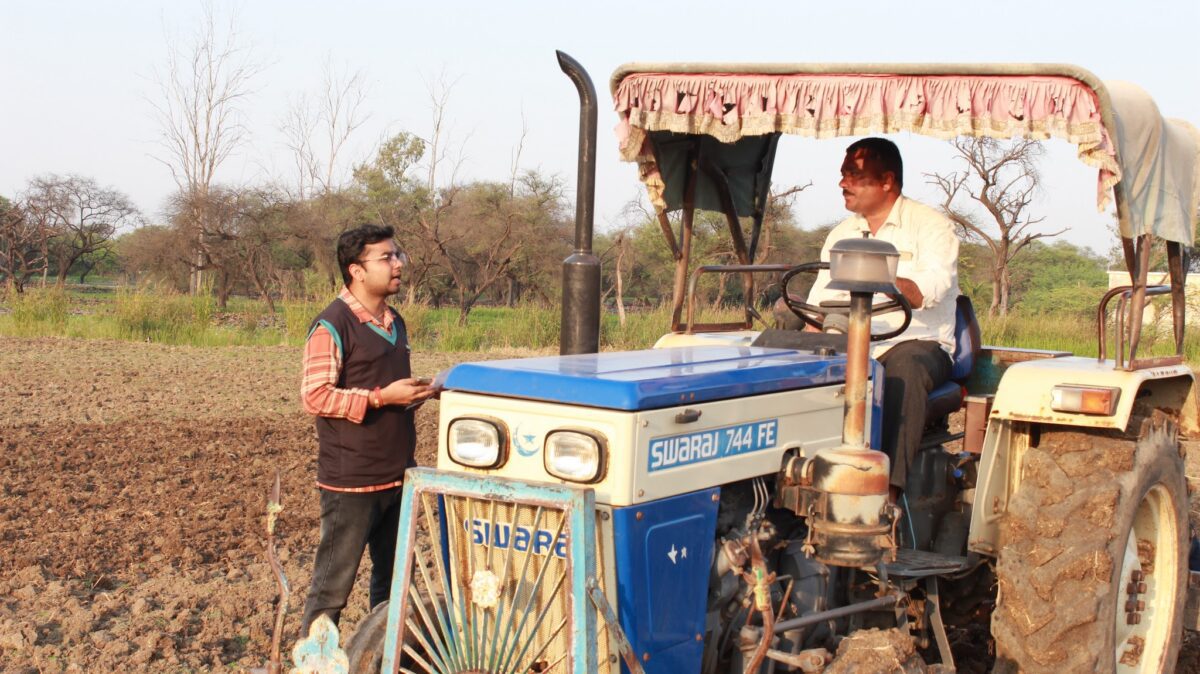
Every sustainable-cotton standard — Better Cotton, organic, Regenagri — rests on the same thing: real, repeated work on the farm. Farmers organised and trained, practices adopted, data captured, outcomes measured, every single season. The audit is a snapshot; the claim depends on the film. And the film breaks for a reason almost nobody puts in a sustainability report: the people running the field work move on.

The real risk isn’t the audit — it’s discontinuity

Field sustainability is a relationship business. A field officer knows which farmer is on which plot, who adopted cover crops, who needs a follow-up visit, which village head opens doors. That knowledge usually lives in one person’s head, phone and notebook. When that person leaves — and in field roles, attrition is high — the company loses more than a headcount:

  • The farmer relationship resets — trust built over seasons starts again from zero with a stranger.
  • The data trail breaks — baselines, visit history and who-did-what go dark, so this season can’t be compared to last.
  • The claim weakens — a brand’s regenerative or organic story now rests on a chain that just lost a link.
  • Farmers drop out — without a familiar face and timely follow-up, hard-won converts quietly go back.
This is why so many sustainability programmes look strong on paper and thin on the ground: the certificate is annual, but the relationships that earn it are personal — and personal things walk out the door.

Why it hits sustainable cotton hardest

Cotton sustainability is inherently recurring: every season re-organises producer units, re-trains farmers, re-collects data, re-verifies. Outcome-based standards make it worse — Regenagri and Regenerative Organic are defined by multi-year change in soil, carbon and biodiversity, which only means something if the same farms are tracked consistently over years. And carbon insetting pays on annual, farm-level data. Break the continuity and you don’t just lose a season — you lose the baseline the whole claim is measured against.

How Anaxee makes it continuous

The relationship lives in the platform, not in one person
  1. Every farmer, plot and producer unit is registered with verified identity and geo-tagged boundaries — a permanent record, not a personal contact list.
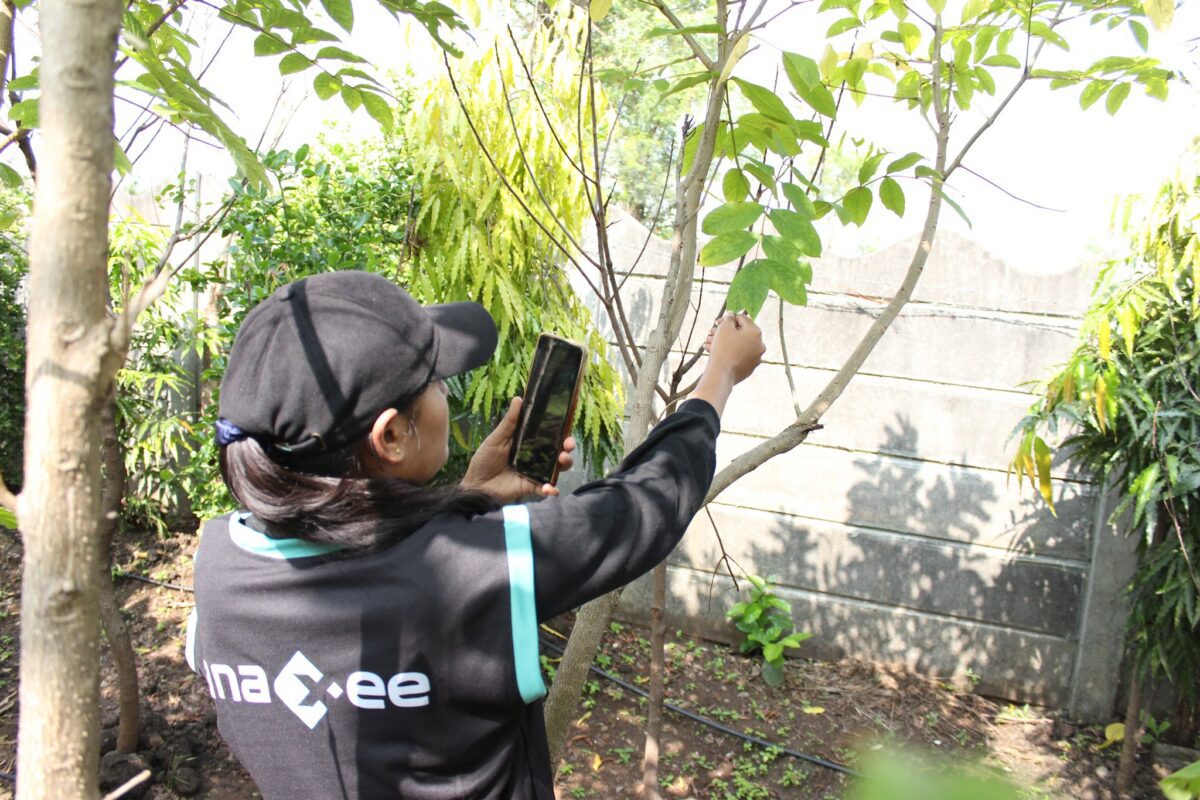
  2. Every visit and interaction is logged — geo-tagged, timestamped and photo-backed — so there is proof each meeting actually happened, and a full history per farmer.
  3. When a field worker changes, the next one inherits everything — the farmer’s history, the last visit, the open follow-ups — and picks up mid-relationship instead of from zero.
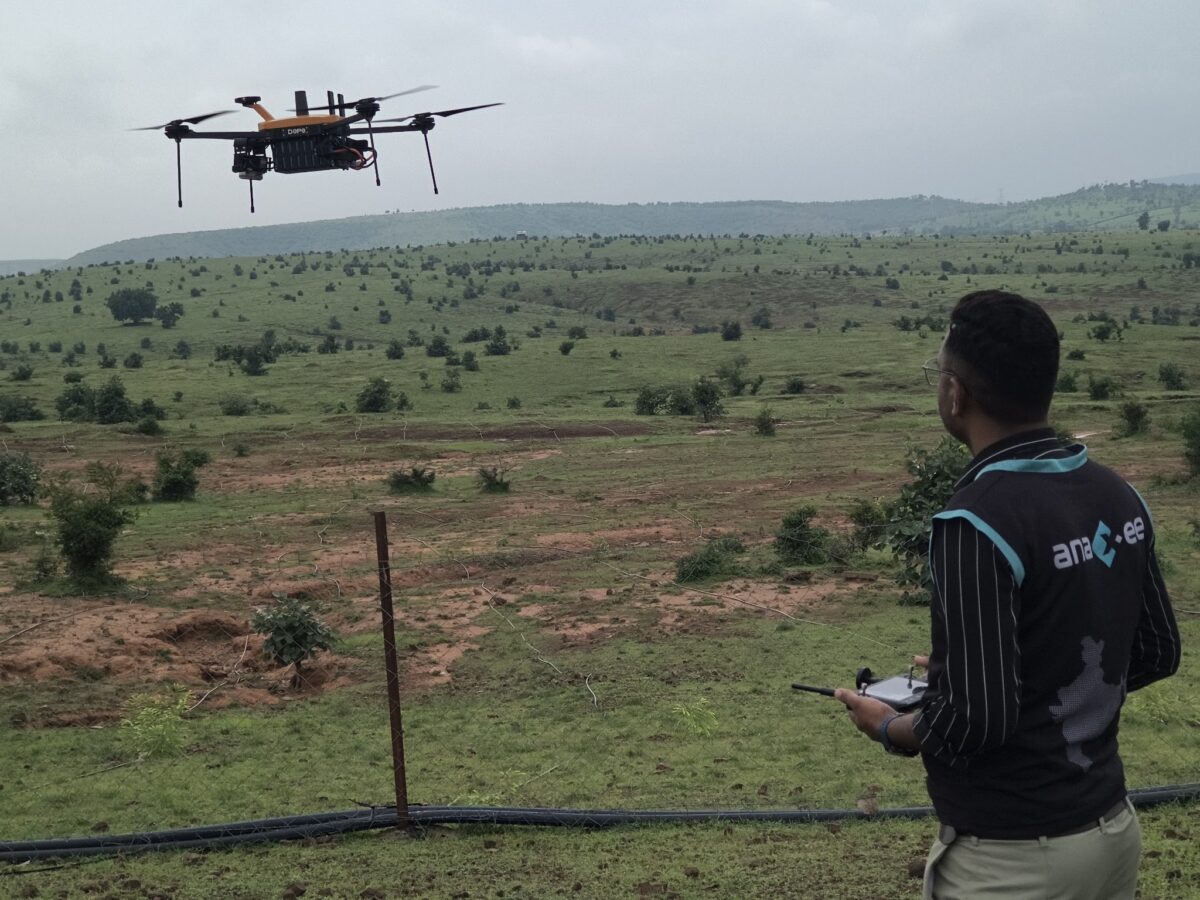
  4. Brands and mills see it live — a dashboard and API showing coverage, visits and outcomes in real time, independent of who is on the ground that month.

The result: the farmer’s relationship is with the programme, backed by Anaxee’s network — not with an individual who might leave.

Why even small companies can scale with it

Building and retaining a large in-house field team is exactly where sustainability programmes bleed — it is costly, and attrition undoes it. A smaller brand or mill usually can’t build that at all. With Anaxee, they don’t have to: they plug into an independent field network and technology layer that already reaches across 540 districts, 11,000+ pincodes and 26 states. That gives a small company the reach, the continuity and the verifiable data of a much larger one — so it can take on bigger sustainable-cotton commitments and grow into them, season after season, without the relationships ever depending on one person staying.

Continuity at country scale, already
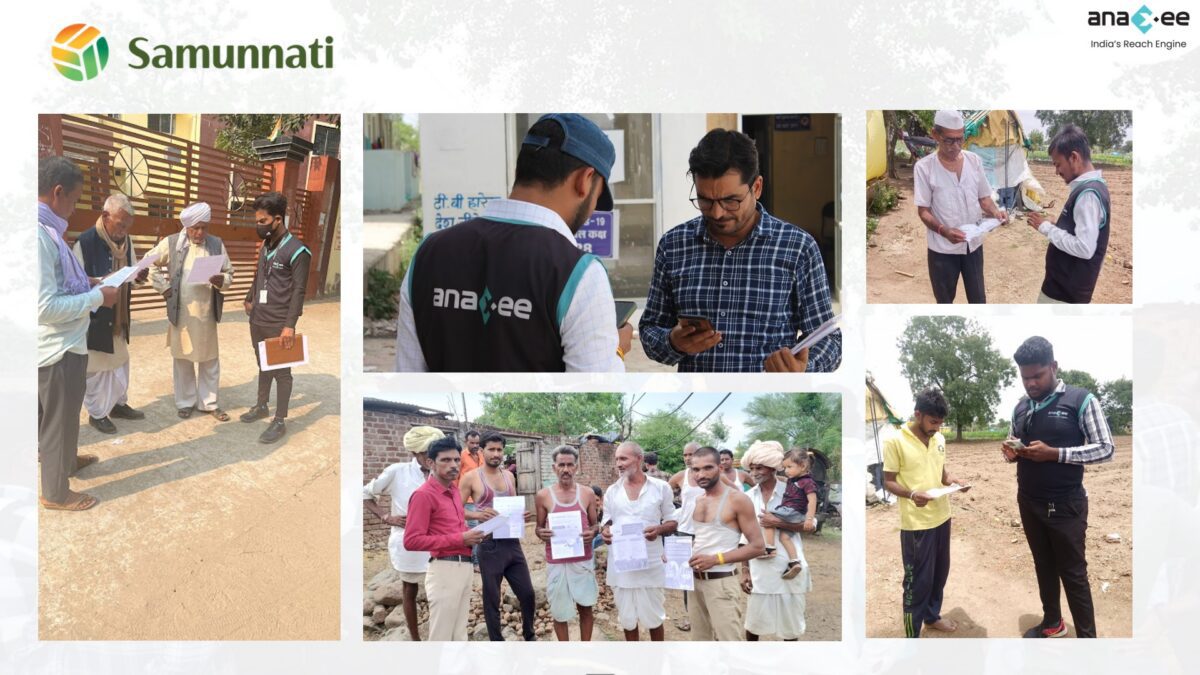
1,00,000+farmers · 35 FPOsSamunnati
2,42,672farmers reachedDeHaat
1,60,000+sites · 2,500+ assets verifiedCSR & relief verification

Independent, tech-enabled field relationships and verification — held in the platform, not in any one person’s memory.

Want your sustainability claims to hold up for years, not just at the next audit? Let’s scope an independent, continuously-tracked field layer for your cotton programme — so the relationships, the data and the claim survive whoever comes and goes.

Talk to AnaxeeSee the field & verification model

FAQ

What does ‘certified on paper but not in the field’ mean?
A certificate is issued annually on the basis of an audit, but the practices behind it have to continue every day in between. If the field work lapses — often because the team running it changed — the certificate can stay valid on paper while the reality on the ground drifts. Continuous, independent field tracking is what keeps the two together.
How does staff attrition threaten a sustainable-cotton programme?
Field relationships and knowledge usually live with individual field officers. When they leave, the farmer trust, the visit history and the data trail can leave too — the relationship resets and continuity breaks. Anaxee holds all of it in a platform, so a change of staff doesn’t reset the relationship.
Can a small brand or mill really run a credible programme?
Yes — by not trying to build and retain a large field team itself. Plugging into Anaxee’s independent field network and technology gives a smaller company the reach, continuity and verifiable data of a much larger one, so it can scale its sustainable-cotton commitments without the key-person risk.
Is Anaxee a certifier?
No. Anaxee is the independent field-execution and verification layer — it onboards farmers, captures the data and keeps the relationships continuous. Certification stays with the accredited bodies (for example Control Union for Regenagri). Anaxee provides the ground-truth and the continuity underneath it.

Regenerative Agriculture: Field, MRV & Verification Partner in India

In short: Anaxee is the independent, tech-enabled field-execution, MRV and verification layer behind regenerative-agriculture programmes in India. Regenerative certification (Regenagri, Regenerative Organic, the Regenerative Cotton Standard) is defined by outcomes measured on the farm — soil, carbon, biodiversity, water — season after season. We do that ground work at scale: onboarding farmers, capturing baseline and outcome data, and giving brands and farm groups independent proof. We are not a certifier and not a crop or carbon trader.
Anaxee — the field layer for regenerative agriculture
540 districts · 11,000+ pincodes · 26 states · recurring, season-by-season
Baseline & outcome farm dataIndependent verificationMRV & insetting dataGeo-tagged · photo-backed

Regenerative agriculture is the fastest-growing commitment in global sourcing — and the hardest to prove. Unlike a simple input ban, a regenerative claim rests on what actually changes on the land: soil organic matter, biodiversity, water, carbon, and the practices behind them, measured every season across thousands of smallholders. That is a field-data problem, not a paperwork one. Anaxee is the India field partner that solves it — for farm groups pursuing certification, for brands buying regenerative produce, and for the carbon-insetting programmes that sit on top.

What a regenerative programme needs on the ground

Whatever the standard — Regenagri, Regenerative Organic Certified, the Regenerative Cotton Standard — the on-ground requirements are the same, and they repeat every season:

  • Organise farmers into producer units or groups and onboard them with verified identity and plot data.
  • Capture a baseline — current practices, inputs, soil and land condition — so improvement can be measured.
  • Track adoption and outcomes season after season: cover crops, reduced tillage, inputs, yields, and the soil-and-biodiversity signals that matter.
  • Verify it independently — geo-tagged, timestamped, photo-backed evidence a brand or auditor can trust.
  • Feed MRV and carbon-insetting — the annual, farm-level GHG and outcome data those programmes are built on.

What Anaxee does

Who we work with

Three audiences, one field network:

  • Farm groups, FPOs and implementing orgs pursuing regenagri-farms or organic/regenerative certification — we are the field arm that organises farmers and captures the data.
  • Brands and supply-chain (chain-of-custody) companies — independent verification and outcome data to back regenerative claims and insetting, including for overseas buyers who can’t put eyes in the Indian field.
  • Carbon-insetting and MRV programmes — the recurring, farm-level GHG and outcome data the whole model depends on.
Proof we run field programmes at country scale
1,00,000+farmers · 35 FPOsSamunnati
2,42,672farmers reachedDeHaat
1,60,000+sites · 2,500+ assets verifiedCSR & relief verification

Independent, tech-enabled field mapping, data capture and verification — the same muscle a regenerative programme needs on the ground.

Running or certifying a regenerative programme in India? Tell us what you need onboarded, measured or verified — farmers, plots, practices, outcomes or GHG data — and we’ll scope an independent field + MRV plan, season by season.

Talk to AnaxeeSee Regenagri-certified companies

Independent field & verification partner. Anaxee is not a certification body and not Regenagri, Control Union or any standard owner; it does not issue certificates or carbon credits and does not buy or sell crops or carbon. Certification stays with the accredited bodies — Anaxee provides field execution, farm-data capture and independent on-ground verification underneath the programme.

FAQ

Does Anaxee certify regenerative farms?
No. Anaxee is an independent field-execution and verification partner. It onboards farmers, captures baseline and outcome data, and reports it to farm groups, brands and programmes. Certification is issued by accredited bodies such as Control Union for Regenagri; Anaxee provides the ground-truth underneath it.
Which standards does this support?
The field work is standard-agnostic: Regenagri, Regenerative Organic Certified, the Regenerative Cotton Standard, and brand-run regenerative programmes all need the same on-ground data. See how the standards differ.
Can you support carbon insetting?
Yes — by capturing and ground-truthing the annual, farm-level GHG and outcome data that insetting and MRV programmes are built on. Anaxee does not issue or trade credits; see carbon & MRV verification.
We’re an overseas brand — can you be our eyes in India?
Yes. Independent, on-ground verification across 540 districts is exactly the gap an overseas brand can’t cover itself. We capture and report what is really happening on the farms in your supply chain.

Regenagri Certified Companies in India: The Complete List (Farms & Supply Chain)

What this is: the India companies in the public Regenagri certified-companies registry — farms certified to grow regeneratively, and the supply-chain companies (ginners, spinners, mills, fabric and apparel makers) certified to handle that produce. India is the largest single country in the global registry. Search the 386 India entries below by company or product.

Regenagri is a global regenerative-agriculture certification run by Regenagri CIC and certified through Control Union. Two tracks appear here: regenagri farms (the land itself) and regenagri chain of custody (companies proving a product came from regenerative farming). This page republishes the public India entries so buyers, mills and farm groups can find each other — and shows where an independent field & verification layer fits.

386 India certified companies · 323 supply chain · 63 farms
A
Aarika SpintexSupply chain

Greige fabrics, Greige yarns…
AARTI INTERNATIONAL LTDSupply chain

Dyed fabrics, Greige fabrics…
Acme Yarns Private LimitedSupply chain

Dyed fabrics, Women’s apparel…
Adarsh Knit Wear Pvt Ltd UNIT-III Spinning DivisionSupply chain

Greige yarns
Adisankara Spinning Mills (P) LtdSupply chain

Greige fabrics, Greige yarns
Aditya Birla Lifestyle Brands LimitedSupply chain

Men’s apparel, Babies’ apparel…
Aghara Knitwear Private LimitedSupply chain

Greige fabrics
Aghara Spintex LlpSupply chain

Greige yarns
AGK Apparels Private LimitedSupply chain

Men’s apparel
AHP Apparel Private Limited (U-17-A)Supply chain

Dyed fabrics, Children’s apparel…
AKSHAR SPINTEX LIMITEDSupply chain

Greige yarns
Alok Industries LtdSupply chain

Home textiles, Men’s apparel…
Alpine Expo Tex Pvt LtdSupply chain

Dyed fabrics
Amar InternationalSupply chain

Greige fabrics, Dyed fabrics…
Amarjothi Spinning Mills LimitedSupply chain

Dyed yarns, Greige yarns
Ambika Cotton Mills LimitedSupply chain

Greige fabrics, Greige yarns…
Amiha Agro Private LimitedSupply chain

Undyed fibres
Amiha Agro Private Limited (Unit 03)Farm certified

Cotton, Soybean, Chickpea, Wheat…
Amiha Agro Private Limited – Rajkot (Unit 06)Farm certified

Cotton, Winter wheat, Bengal gram, Cumin…
Amiha Agro Private Limited – Seloo (Unit 09)Farm certified

Cotton, Chickpea, Wheat
AMIHA FIBRES PRIVATE LIMITEDSupply chain

Undyed fibers
Amiha Fibres Private Limited- Hubli (Unit 10)Farm certified

Cotton, Green gram, Bengal gram, Chilli…
Amit Cot FibreSupply chain

Undyed fibers
Anandhi Texstyles Private LimitedSupply chain

Undyed fibers
Anandhi Texstyles Pvt LtdFarm certified

Cotton, Maize, Sorghum, Coconut
ANANT AGRO INDUSTRIES (JAVIK KRISHI PARIYOJANA)Supply chain

Undyed fibers
Anithaa Weaving Mill Private LimitedSupply chain

Greige fabrics
Anubha Industries Pvt. LtdSupply chain

Dyed fabrics
Aquarelle India Private Limited.Supply chain

Women’s apparel, Children’s apparel…
Armstrong Spinning Mills (P) LtdSupply chain

Greige yarns
Arthanari Loom Center (Textile) Private LimitedSupply chain

Greige yarns, Dyed yarns
Arthanari Loom Centre Textile Pvt LtdSupply chain

Greige yarns
Arvind LimitedSupply chain

Dyed fabrics, Printed fabrics…
Arvind LimitedFarm certified

Cotton, Chickpea, Wheat, Sorghum
Avaneetha Textiles Private LimitedSupply chain

Greige yarns
Aviram Processing MillsSupply chain

Dyed fabrics
AVON COTTEX PRIVATE LIMITEDSupply chain

Printed fabrics, Women’s apparel…
B
B.M. House (India) LimitedSupply chain

Greige yarns
Balaji EnterpriseSupply chain

Greige yarns, Undyed yarns
Balaji Farmers GroupFarm certified

Cotton Wheat, Ground nut, Mustard…
Balavigna Weaving Mills Private LimitedSupply chain

Greige fabrics
Banurekha ImpexSupply chain

Dyed fabrics, Undyed fabrics…
Beetle Regen Solutions LLP – ICS01 KhargoneFarm certified

Cotton, Maize, Soybean, Winter wheat…
Beetle Regen Solutions LLP ICS 01 AurangabadFarm certified

Cotton, Corn, Peanut, Ginger, Soybean…
Beetle Regen Solutions LLP ICS01 JalgaonFarm certified

Cotton, Soybean, Sorghum, Chickpea, Wheat…
Beetle Regen Solutions LLP ICS01-NagpurFarm certified

Cotton, Soyabean, Maize, Red Gram…
Beetle Regen Solutions LLP- ICS05 KhargoneFarm certified

Cotton, Soyabean, Sorghum, Maize, Wheat
Bemda Dam Farmer Producer Company Ltd.(Solidaridad Regional Expertise Centre)Farm certified

Cotton, Soyabean, Wheat, Pigeon pea…
Best Texapp Private LimitedSupply chain

Greige fabrics
Bhalala Industries LimitedSupply chain

Undyed fibers
Bhalala Industries LLPFarm certified

Cotton, Groundnut, Pigeon pea, Cumin…
Bhartiya International LimitedSupply chain

Greige fabrics
Bhaskar Industries Private LimitedSupply chain

Dyed fabrics, Printed fabrics
Bhawani Ginning And PressingSupply chain

Undyed fibers
Bhuvaneswari Cotspin India Private LimitedSupply chain

Greige fabrics, Undyed fabrics…
Biosustain Fibers Private LimitedSupply chain

Undyed fibers
BR. Sheshrao Wankhede Shetkari Sahakari Soot Girni ltdSupply chain

Greige yarns
Brandix Apparel India Pvt Ltd Unit 3Supply chain

Children’s apparel, Women’s apparel…
Brandix Apparel India Pvt Ltd, Unit-2Supply chain

Men’s apparel
BRFL Textiles Private LimitedSupply chain

Greige fabrics
Brindhaa Processing MillsSupply chain

Printed fabrics, Greige fabrics…
BSL LimitedSupply chain

Greige yarns
BVM Overseas LimitedSupply chain

Greige yarns
C
C K IndustriesSupply chain

Undyed fibers
Change Makers Agro Private LimitedFarm certified

Cotton, Soybean, Rice, Chickpea…
Change Makers Agro Pvt LtdSupply chain

Undyed fibers
Changzhou Dansidun Textile Co. LtdSupply chain

Greige fabrics
Cotseeds CorporationSupply chain

Undyed fibers
Cotton EmporiumSupply chain

Undyed fibers
CTA Apparels Private limitedSupply chain

Dyed fabrics, Men’s apparel
D
D Raja Exports LlpSupply chain

Greige yarns
Dalmia Bharat Sugar and Industries Ltd 900016 (Managed by SREC)Farm certified

Sugarcane, Rice
DCM Textiles (Unit of DCM Nouvelle Limited)Supply chain

Greige yarns
Deeps Texstyles Private LimitedSupply chain

Dyed yarns, Dyed fabrics, Greige fabrics…
Devgiri ExportsSupply chain

Dyed yarns
Dhancot Fibres Pvt. LtdSupply chain

Undyed fibers
Dikom Tea Estate, Rossell Tea (Division of Rossell India Limited)Farm certified

Tea
Dinesh Exports Private LimitedSupply chain

Dyed fabrics
E
Empirical Greenfield Private LimitedFarm certified

Cotton, Pearl millet, Maize, Wheat…
Endemic Export Pvt LtdSupply chain

Greige yarns
Envipure TextilesSupply chain

Greige yarns, Greige fabrics…
Eveready Spinning Mills Private Ltd.Supply chain

Greige yarns, Dyed fabrics, Greige fabrics
F
Fab YarnsSupply chain

Greige yarns, Greige fabrics, Dyed fabrics
Fabfit Apparels (India) Pvt LtdSupply chain

Dyed fabrics, Greige fabrics
Falcon Yarns Pvt. LtdSupply chain

Greige yarns
Fine LinesSupply chain

Women’s apparel, Children’s apparel…
Freshlotus Private LimitedSupply chain

Dyed fabrics, Greige fabrics
G
GARG ACRYLICS LIMITEDSupply chain

Greige yarns
GENCREST BIO PRODUCT PRIVATE LIMITEDFarm certified

Cotton, Banana
GHCL Textiles LimitedSupply chain

Greige yarns, Greige fabrics
Gill and Company Private LimitedSupply chain

Undyed fibers
GIMATEX INDUSTRIES PRIVATE LIMITEDSupply chain

Greige yarns
Gir Fiber LLPSupply chain

Undyed fibers
Global Attire Private LimitedSupply chain

Printed fabrics, Greige fabrics…
Global Wash CareSupply chain

Dyed fabrics
GMP Weaving Mills Private LimitedSupply chain

Greige fabrics
Goldstar Knits Pvt. LtdSupply chain

Greige fabrics
Green Agro Magic LLPFarm certified

Cotton, Pigeon pea, Soyabean, Wheat…
GROSPINZ FABZ LIMITEDSupply chain

Greige yarns
GTM Industries Pvt LtdSupply chain

Dyed fabrics
GTN Engineering (India) LtdSupply chain

Greige yarns
GTN Enterprises LtdSupply chain

Griege yarns
GTN Industries LimitedSupply chain

Greige yarns, Undyed yarns
Guj Cotgin LLPSupply chain

Undyed fibers
GUPTA EXIM INDIA PRIVATE LIMITEDSupply chain

Dyed yarns, Dyed fabrics
H
Haji Alimohamed Moosa And Co.Supply chain

Undyed fibers
Haripriya Spinning Mill Private LimitedSupply chain

Greige yarns
High Stitch Apparel LLPSupply chain

Men’s apparel
HSS TEXTILE PVT LTDSupply chain

Greige yarns
I
Indesore Trading LimitedSupply chain

Children’s apparel
Indo Count Industries LimitedSupply chain

Home textiles
Indo Novo Textiles Private LimitedSupply chain

Greige yarns
Innovative Spintex Private LimitedSupply chain

Greige yarns, Greige fabrics, Dyed yarns…
J
J.J. Expo FabSupply chain

Dyed fabrics
Jain Cord Industries Pvt. LtdSupply chain

Printed fabrics, Dyed fabrics…
Jat Techno Spintex Mill – (A Unit of Sathy Silks Pvt Ltd)Supply chain

Greige yarns
Jay Dwarkadhish Spintex private limitedSupply chain

Greige yarns
Jay Jay Mills (India) Private LimitedSupply chain

Dyed fabrics, Printed fabrics
Jayesh cottSupply chain

Undyed fibers
Jayesh CottFarm certified

Cotton, Corn, Soybean
Jayman Textiles Private LimitedSupply chain

Undyed fibers
Jeyavishnu Clothing Private LimitedSupply chain

Dyed fabrics, Greige fabrics…
Jin Nai Apparel Private LimitedSupply chain

Men’s apparel
Jivandhara Cotton IndustriesSupply chain

Undyed fibers
K
K H Exports India Private Limited – Leather Goods DivisionSupply chain

Carried accessories
K.D. Prints Private LimitedSupply chain

Greige fabrics, Dyed fabrics
KANAK COTTON INDUSTRIESSupply chain

Undyed fibers
Kaveri ExportsSupply chain

Undyed fibers
Ken Enterprises LimitedSupply chain

Greige fabrics
Kesharinandan Knit Fabrics Pvt Limited – Spinning DivisionSupply chain

Greige yarns
Keshava Plantations Private LimitedFarm certified

Tea
Kikani Exports Private LimitedSupply chain

Greige yarns, Greige fabrics…
KK FINECOT PRIVATE LIMITEDSupply chain

Undyed fibers
KKP Spinning Mills Private LimitedSupply chain

Greige yarns, Greige fabrics
KN OrganicsFarm certified

Cotton, Wheat, Groundnut, Chickpea, Chili…
Krihaan Texchem Private LimitedSupply chain

Greige fabrics, Dyed fabrics
Kumaragiri Spinnerss Private LimitedSupply chain

Dyed fabrics, Dyed yarns, Undyed yarns…
L
L.S. Spinning Mills Private LimitedSupply chain

Greige yarns
Lagnam Spintex LimitedSupply chain

Greige yarns
Laguna Clothing Private LimitedSupply chain

Children’s apparel, Men’s apparel…
Laguna India Private LimitedSupply chain

Men’s apparel, Children’s apparel…
Laxmi EnterprisesFarm certified

Chilli, turmeric
Lotus Global Enterprises LimitedSupply chain

Greige yarns
Louis Dreyfus Company, FMG2Farm certified

Cotton, Corn, Red gram, Sugarcane, Tomato…
Louis Dreyfus Company-India-FMG1Farm certified

Cotton, Maize, Peanut, Wheat, Gram…
Lucky Weavess India Private LimitedSupply chain

Greige fabrics
Luxmi Tea Company Private Limited (Sepon Tea Estate)Farm certified

Tea
Luxmi Tea Company Pvt. Ltd (Kenduguri Tea Estate)Farm certified

Tea
M
M R C Mills Private LimitedSupply chain

Dyed fabrics
M S CorpSupply chain

Dyed fabrics
Magnum Spinning Mills India Private LimitedSupply chain

Greige yarns
MAH Textiles LLPSupply chain

Undyed fibers, Greige yarns
Mah Textiles Private LimitedSupply chain

Greige yarns, Undyed fibers
Mahalaxmi IndustriesSupply chain

Undyed fibers
MAHAVIR GINNING & PRESSING FACTORYSupply chain

Undyed fibers
Mahima Fibers Pvt. LtdFarm certified

Cotton, Maize, Soybean, Wheat, Gram
Mangal Shree FibersSupply chain

Undyed fibers
Manmohan Ginning IndustriesSupply chain

Undyed fibers
Manohar Filaments Pvt LtdSupply chain

Dyed fabrics
Maral Overseas LimitedSupply chain

Greige yarns, Dyed fabrics…
Maruti Spintex Private LimitedSupply chain

Greige yarns
Maruti Texprocess India Private LimitedSupply chain

Dyed fabrics, Printed fabrics
Matangi Cotton IndustriesSupply chain

Undyed fibers
Materra India Private Ltd (Jalna)Farm certified

Cotton, Soyabean, Red gram, Green gram…
Materra India Private Ltd (Wardha)Farm certified

Cotton, Soybean, Pigeon pea, Ground nut…
MATKHAI PRODUCER COMPANY LIMITEDFarm certified

Cotton, Chickpea, Wheat, Cumin
MATRIX DESIGN & INDUSTRIES PRIVATE LIMITEDSupply chain

Children’s apparel
Meenakshi (India) LimitedSupply chain

Unisex apparel
Meghdoot Ginning and Precing Ind Pvt LtdFarm certified

Cotton, Peanut, Spring wheat, Sorghum…
Mercury Fabrics Private LimitedSupply chain

Dyed fabrics, Printed fabrics…
MILAN GINNING PRESSING LIMITEDSupply chain

Undyed fibers
Milan Ginning Pressing Pvt. LtdSupply chain

Undyed fibers
MS Cotton IndustriesSupply chain

Undyed fibers
N
Nagreeka Exports LimitedSupply chain

Dyed yarns, Undyed fibers, Greige yarns…
Nagreeka Exports LtdSupply chain

Undyed fibers, Undyed yarns, Dyed yarns…
Nahar Industrial Enterprises LimitedSupply chain

Greige fabrics, Greige yarns…
Nahar Industrial Enterprises LtdSupply chain

Greige yarns, Dyed fabrics…
Nahar Spinning Mills LimitedSupply chain

Dyed yarns, Men’s apparel, Dyed fabrics
Nakoda Cotton Products LLPFarm certified

Cotton, Winter wheat, Cumin, Isabgol…
Narmada Natural OverseasFarm certified

Cotton, Maize, Soybean, Wheat, Chickpea
Narmada Spun Private LimitedSupply chain

Greige yarns
Narmade Jaivik Fasal Utpadak Kalyan SanghFarm certified

Cotton, Soybean, Corn, Bengal gram, Wheat
Navjivan Cotton IndustriesSupply chain

Undyed fibers
Neoprime Private LimitedSupply chain

Undyed fibers
Nitin Spinners LimitedSupply chain

Greige yarns, Dyed fabrics…
NSL Textiles LimitedSupply chain

Undyed yarns, Dyed fabrics, Dyed yarns…
O
Omax Cotspin Private LimitedSupply chain

Greige yarns, Dyed fabrics…
Orgohills Farmer Producer Company 1 by Solidaridad Regional Expertise CentreFarm certified

Cotton, Winter wheat, Chickpea, Coriander…
Orgohills Farmer Producer Company 3 by Solidaridad Regional Expertise CentreFarm certified

Cotton, Soyabean, Sesame, Wheat, Maize…
Orient Fashion Exports (India) Private LimitedSupply chain

Children’s apparel, Home textiles…
P
Pallava Textiles Private LimitedSupply chain

Greige yarns, Greige fabrics…
Panasian Impex Private LimitedSupply chain

Undyed fibers, Greige yarns
Panchdeep Cotton IndustriesSupply chain

Undyed fibers
Paramount Textile Mills Private LimitedSupply chain

Home textiles
Parvathi DyeingSupply chain

Dyed fabrics
Pashupati Cotspin LimitedSupply chain

Greige fabrics, Greige yarns
Pashupati Cotspin Limited (Ginning Division)Supply chain

Undyed fibers
Patel Cotton IndustriesSupply chain

Undyed fibers
Patidar Exports Pvt. LtdSupply chain

Undyed fibers
PEARL GLOBAL INDUSTRIES LIMITEDSupply chain

Children’s apparel, Men’s apparel…
Pee Empro Exports Pvt. LtdSupply chain

Children’s apparel, Babies’ apparel…
Pee Vee Textiles LimitedSupply chain

Greige fabrics, Greige yarns
Prabhu Spinning Mills Private LimitedSupply chain

Greige yarns
Prassanna Spinning Mills (P) LimitedSupply chain

Greige yarns
Pratham Organic SocietyFarm certified

Cotton
Pratibha Syntex LimitedSupply chain

Dyed yarns, Greige yarns
Precot LimitedSupply chain

Greige yarns
Prime FabriqueSupply chain

Dyed fabrics, Greige fabrics
Prudent Agri-Commodities India Private LimitedSupply chain

Undyed fibers
Puneet EnterprisesSupply chain

Undyed fibers
Purushotam Dass Niranjan LalSupply chain

Greige yarns, Dyed yarns, Greige fabrics
R
R S B Cottex LimitedSupply chain

Undyed yarns
Radhakrushna Cotton IndustriesSupply chain

Undyed fibers
Radheshyam CottexSupply chain

Undyed fibres
Radheshyam CottexFarm certified

Cotton, Chickpea, Cumin, Wheat
RADNIK EXPORTS GLOBAL PRIVATE LIMITEDSupply chain

Women’s apparel
Raghunath Agro CommoditiesSupply chain

Undyed fibers, Dyed yarns
Rajapalayam Mills LimitedSupply chain

Greige yarns, Dyed yarns, Dyed fabrics…
Ram Gopal Agri Tech Pvt. LtdSupply chain

Undyed fibers
Ram Spinning Mills Private LimitedSupply chain

Greige yarns
Rameswar Udyog Pvt. LtdSupply chain

Greige yarns
Ramkrishna Cotspin Private LimitedSupply chain

Greige yarns
RAMVIJAY COTTON MILLS PRIVATE LIMITEDSupply chain

Undyed fibers
Ramvijay Cotton Mills Pvt LtdSupply chain

Undyed fibers
Ramvijay Cotton Mills Pvt. LtdFarm certified

cotton, chickpea, wheat
Ranger Apparel Export Private LimitedSupply chain

Men’s apparel, Children’s apparel…
Rapar & Dhrangadhra Farmer Producer Company LimitedFarm certified

Cotton, Pearl millet, Green gram, Mustard…
Rapar & Dhrangadhra Farmers Producers Company Limited – Unit 2Farm certified

Cotton, Chickpea, Alfalfa, Sesame
Raymond UCO Denim Private LimitedSupply chain

Dyed fabrics, Dyed yarns, Greige yarns
Real Prince Spintex Private LimitedSupply chain

Greige yarns
REDECO FIBERS PRIVATE LIMITEDSupply chain

Greige yarns
Reinhart India Pvt LtdSupply chain

Undyed fibers
RICHA GLOBAL EXPORTS PRIVATE LIMITEDSupply chain

Men’s apparel
RICON INDUSTRIESSupply chain

Greige yarns
Romai Tea Estate, Rossell India LimitedFarm certified

Tea
RRD Tex Private LimitedSupply chain

Greige yarns, Greige fabrics
Rugun Private LimitedSupply chain

Greige yarns, Dyed yarns
S
S D Polytech Pvt. LtdSupply chain

Greige fabrics, Greige yarns
S P Textile Mills LLPSupply chain

Dyed fabrics, Greige fabrics
S P YarnsSupply chain

Greige fabrics, Dyed fabrics…
Sabbir TradersFarm certified

Cotton, Cumin, Fennel, Wheat, Sorghum…
Sabs ExportsSupply chain

Men’s apparel
SABS Exports International Private LimitedSupply chain

Men’s apparel
Sada Green Industries Pvt LtdSupply chain

Undyed fibers
Sagar Manufacturers Pvt. Ltd.Supply chain

Printed fabrics, Greige fabrics…
Sahana Textiles (Division Of Sahana Clothing Company Pvt. Ltd.)Supply chain

Greige fabrics
Sajiv Kheti Jagruti Abhiyan Charitable TrustFarm certified

Cotton, Pearl millet, Groundnut, Sorghum…
Salona Cotspin LimitedSupply chain

Greige fabrics, Greige yarns…
Samarth Cotgin LLPSupply chain

Undyed fibers
Sambandam Spinning Mills LimitedSupply chain

Greige yarns
Sandhya Spinning Mill LimitedSupply chain

Greige yarns, Undyed fibers, Dyed fibers
Sandipkumar DharmendrakumarSupply chain

Undyed fibers
SANGAL INDUSTRIES PRIVATE LIMITEDSupply chain

Greige yarns
SANGAM (INDIA) LIMITEDSupply chain

Greige fabrics
Santhi Processing Unit Pvt. LtdSupply chain

Dyed fabrics
SATH FABSupply chain

Greige fabrics
SATKAR INDUSTRIES PRIVATE LIMITEDSupply chain

Undyed fibers
Satva CotginSupply chain

Undyed fibers
Satva Cotgin Private LimitedSupply chain

Undyed fibers
Sausar Cotton Processing Pvt LtdSupply chain

Undyed fibers
SCM Garments Pvt LimitedSupply chain

Unisex apparel
SCM Textile Spinners (A Unit Of Space Textiles Pvt. Ltd.)Supply chain

Greige yarns, Greige fabrics
Sehyog EnterprisesSupply chain

Dyed yarns, Dyed fabrics
Shahi Exports Private LimitedSupply chain

Greige yarns, Dyed fabrics…
Shahi Exports Private Limited (Unit 7)Supply chain

Women’s apparel, Men’s apparel…
Shahi Exports Private Limited – WPDSupply chain

Dyed yarns, Printed fabrics…
Shahi Exports Pvt. Ltd.Supply chain

Children’s apparel, Women’s apparel…
Shahi Exports Pvt. Ltd. (Unit – 12)Supply chain

Men’s apparel, Women’s apparel…
Shakthi Knitting Private LimitedSupply chain

Undyed fabrics, Greige fabrics…
Shanghai Huatai International Trading Co. Ltd.Supply chain

Undyed fibers
Shankar6 Cotton Fibers Private LimitedSupply chain

Undyed fibers, Greige yarns
Sharvay Agronics LLPSupply chain

Greige yarns
SHRAMANJI INDUSTRIES PRIVATE LIMITEDSupply chain

Dyed fabrics, Greige fabrics
Shree Balaji IndustriesSupply chain

Greige yarns
SHREE DURGA FIBERSSupply chain

Undyed fibers
SHREE GAYATRI INDUSTRIESSupply chain

Undyed fibers
SHREE GIRIRAJ COTSPIN PRIVATE LIMITEDSupply chain

Greige yarns
Shree Rajrajeshwar VenturesSupply chain

Undyed fibers
Shree Ram Cotton IndustriesFarm certified

Cotton, Peanut, Chickpea, Wheat
Shree Ram Cotton IndustriesSupply chain

Undyed fibers
Shree Sarvaloka Textiles Private LimitedSupply chain

Greige yarns
Shreedhar Spinners Private LimitedSupply chain

Greige yarns
Shreeram Fibres India Private LimitedSupply chain

Undyed fibers
Shri Basava Textiles LimitedSupply chain

Undyed fibers
Shri Krishna Ginning And PressingSupply chain

Undyed fibers
Shri Sanmati IndustriesSupply chain

Undyed fibers
Shri Siddhivinayaga Tex India P LtdSupply chain

Greige fabrics
Shriji Education Seva TrustFarm certified

Cotton, Wheat, Chana, Sorghum
Shristi Cotspinn Private LimitedSupply chain

Greige yarns, Greige fabrics
Shyam Tex Exports LimitedSupply chain

Men’s apparel, Women’s apparel
Sintex Industries Limited (Yarn Division)Supply chain

Greige yarns
Sintex Industries Ltd. (Yarn Division)Supply chain

Greige yarns
Siyaram Silk Mills LimitedSupply chain

Dyed fabrics, Dyed yarns
Sky Cotex India Private LimitedSupply chain

Greige yarns
Sky Textiles India Private LimitedSupply chain

Printed fabrics, Dyed fabrics…
Skycare Industries LLPFarm certified

Cotton, Cumin, Sesame, Castor, Sorghum…
Smart Shirts LtdSupply chain

Women’s apparel, Men’s apparel
Somany Evergreen Knits LimitedSupply chain

Dyed fabrics
Sonaselection India LimitedSupply chain

Dyed fabrics
Southern Spinners and Processors LtdSupply chain

Greige yarns
Spectrum Cottfibers LlpSupply chain

Undyed fibers
Spectrum FoundationFarm certified

Cotton, Soybean, Bengal Gram, Wheat
Square CorporationSupply chain

Dyed yarns, Greige yarns
Sree Gopalakrishna FabricsSupply chain

Greige fabrics
Sree Lalitha Parameswari Spinning Mills Private LimitedSupply chain

Greige yarns
SRG Apparels Limited – Processing DivisionSupply chain

Dyed fabrics
Sri Ramco Spinners (A Division of Ramco Industries Ltd.)Supply chain

Greige yarns, Undyed fibers
Sri Saravana Mills Private Limited – Unit: SSM Fine YarnsSupply chain

Greige yarns
Sri Shiva DesignsSupply chain

Dyed fabrics
Sri Sivajothi Spinning Mills Private LimitedSupply chain

Dyed yarns
Sri Susamyuta Knits Private LimitedSupply chain

Fabrics, Dyed fabrics
Sri Veerabhadra Ginning MillSupply chain

Undyed fibers
Sri Velayudhaswamy Spinning Mills Private LimitedSupply chain

Greige yarns
Sri Vishnu Shankar Mills LimitedSupply chain

Greige yarns, Undyed fibers
STL Global LimitedSupply chain

Dyed fabrics, Printed fabrics
Sudarsanam Spinning Mills (A Division Of The Ramaraju Surgical Cotton Mills Ltd)Supply chain

Griege yarns
SUDIVA SPINNERS PRIVATE LIMITEDSupply chain

Greige fabrics, Greige yarns…
Sulochana Cotton Spinning Mills Pvt. LtdSupply chain

Dyed fabrics, Undyed fabrics, Dyed yarns…
SULTANIA OIL INDUSTRIES PVT LTDSupply chain

Undyed fibers
Sumicot LimitedSupply chain

Greige Yarns, Greige Fabrics
Sunny Trexim Private LimitedSupply chain

Undyed fibers
Super Sales India LimitedSupply chain

Greige yarns
Suryalakshmi Cotton Mills LimitedSupply chain

Greige yarns
Suryalakshmi Cotton Mills LtdSupply chain

Dyed fabrics
Sustainable Spinning and Commodities Pvt Ltd.Supply chain

Greige yarns
Sutlej Textiles And Industries LimitedSupply chain

Greige yarns, Dyed yarns
Symphony FabricsSupply chain

Greige fabrics, Dyed fabrics
T
Taori CottonSupply chain

Undyed fibers
Tarak Textiles Pvt LtdSupply chain

Greige fabrics
Tc Spinners Pvt LtdSupply chain

Greige yarns
Team KrianSupply chain

Babies’ apparel, Children’s apparel
Technocraft Industries (India) LimitedSupply chain

Printed fabrics, Dyed fabrics, Dyed yarns…
Technocraft Textiles LimitedSupply chain

Greige yarns
Teejay India Private LimitedSupply chain

Undyed fabrics, Dyed fabrics…
TEESTA VALLEY TEA GARDENFarm certified

Tea
Tex YarnSupply chain

Greige fabrics, Greige yarns
Texin IndiaSupply chain

Greige fabrics, Dyed fabrics…
Texperts India Private LimitedSupply chain

Undyed yarns, Undyed fabrics…
Texport Industries Pvt. LtdSupply chain

Dyed yarns, Unisex apparel, Dyed fabrics…
The Creative TextureSupply chain

Greige fabrics
The Soft Tex Processing MillsSupply chain

Dyed fabrics
The Suminter Organic and Fairtrade Cotton Ginning Mill Pvt LtdFarm certified

Cotton, Groundnut, Winter wheat…
Thiagarajar Mills Private LimitedSupply chain

Greige yarns
Top Light Textiles Private LimitedSupply chain

Greige yarns
Trident LimitedSupply chain

Dyed fabrics, Dyed yarns
Trimetro garments India private limitedSupply chain

Men’s apparel, Men’s denim apparel…
TTY Projects India Pvt LtdSupply chain

Undyed fibers
U
Uni Sourcce Treend IndiaSupply chain

Women’s apparel, Men’s apparel…
V
V.K.S. TextilesSupply chain

Dyed fabrics
VAIBHAV LAXMI INDUSTRIESSupply chain

Undyed fibers
Vaibhav Laxmi Industries – Unit 1Farm certified

Cotton, Millet, Seasame, Peanut…
Vaibhav Laxmi Industries-Unit 4Farm certified

Cotton, Millet, Seasame, Peanut
Vaibhavlaxmi Exports Private LimitedSupply chain

Greige yarns
Vamani Overseas Pvt LtdSupply chain

Worn accessories, Dyed fabrics…
VARAHA REGENERATIVE AG I PRIVATE LIMITEDFarm certified

Cotton, Soybean, Chickpea, Wheat, Sorghum…
Varaha Regenerative AG I Private LimitedSupply chain

Undyed fibers
Vardhaman CotexSupply chain

Undyed fibers
Vardhman Textiles LimitedSupply chain

Dyed fabrics, Dyed yarns, Greige fabrics…
VASTRA VRIKSHA TEXTILESSupply chain

Undyed fibers
Vasudevatma Farmers Producer Company Limited by Solidaridad Regional Expertise CentreFarm certified

Cotton, Wheat, Soybean, Sorghum…
Vasudha Swaraj Private LimitedFarm certified

Cotton, Maize, Soybean, Chilli…
VASUDHA SWARAJ PRIVATE LIMITEDSupply chain

Undyed fibers
Vedha Spinning Mills (P) LtdSupply chain

Greige yarns
Vibhav Tradeco Private LimitedSupply chain

Greige yarns
Vidarbha Cotfibre Private LimitedSupply chain

Undyed fibers
Vijay Cotton & Fibre Co. LLPSupply chain

Undyed fibers, Greige yarns
VIJAYLAKSHMI COTTON GINNING & PRESSING PRIVATE LIMITEDSupply chain

Undyed fibers
VIKRANT INTERNATIONAL PRIVATE LIMITEDSupply chain

Undyed fibers
VIKRAY FARMERS PRODUCER COMPANY LIMITEDFarm certified

Cotton, Rice
Visakha Apparel Private LimitedSupply chain

Men’s apparel
Vitthaldas Govardhandas Ginners Pvt LtdSupply chain

Undyed fibers
VIVEKANAND COTSPIN LIMITEDSupply chain

Greige yarns
VP SyntheticSupply chain

Greige fabrics
VSM Weavess India Private LimitedSupply chain

Greige yarns, Greige fabrics
W
Welspun Global Brands LimitedSupply chain

Home Textiles
WFB Baird And Company India Private LimitedSupply chain

Dyed fabrics
Winsome Textile Industries LimitedSupply chain

Dyed fabrics, Greige yarns, Dyed yarns
Wisdom Overseas Pvt. LtdSupply chain

Greige yarns, Undyed fibers
Wonderfex Processing Private LimitedSupply chain

Dyed fabrics, Undyed fabrics
Woven FabricsSupply chain

Dyed fabrics
WWF – India’s LANDMARKS Regenerative AgricultureFarm certified

Cotton, Maize, Sesame, Rice, Chilli…
Y
Yasasree Viroha Impex Private LimitedSupply chain

Undyed fibers
Yasasreeviroha Impex Private Limited – Project 1 (Managed by Grameen Vikas Kendram Society for Rural Development)Farm certified

Cotton, Cashew, Millet, Sesame, Cowpea
Yasasreeviroha Impex Private Limited – Project 2 (Managed by Grameen Vikas Kendram Society for Rural Development)Farm certified

Cotton, Cowpea, Sesam
Yasasreeviroha Impex Private Limited – Project 3 (Managed by Grameen Vikas Kendram Society for Rural Development)Farm certified

Cotton, Coffee, Black gram, Turmeric…
Yasasreeviroha Impex Private Limited – Project 4 (Managed by Grameen Vikas Kendram Society for Rural Development)Farm certified

Cotton, Ginger, Horse gram, Corn, Tomato
No companies match that search. Try a shorter term or a product type (e.g. yarn, denim, cotton).
Public reference — not affiliated. This list republishes publicly available entries from the Regenagri certified-companies registry (regenagri.org) for the convenience of buyers and farm groups. Anaxee Digital Runners is not affiliated with, endorsed by, or a vendor to Regenagri CIC or Control Union, is not a certification body, and does not certify, verify, endorse or rank any company listed. Certification status, scope and expiry change — always confirm a company’s current certificate on the official registry before relying on it.

Where Anaxee fits

Behind every certified farm entry is real field work — onboarding farmers, capturing baseline and outcome data, and proving practices season after season. Anaxee is the independent, tech-enabled field-execution and verification layer for regenerative programmes across 540 districts, 11,000+ pincodes and 26 states. It is not a certifier and does not buy or sell crops or carbon — it captures the ground-truth that certification and brand claims rest on.

Certifying a farm base, or verifying regenerative sourcing in India? Tell us what you need onboarded or verified — farmers, plots, practices or outcome data — and we’ll scope an independent field plan.

Talk to AnaxeeWhat is Regenagri?

What Is Regenagri? Regenerative-Agriculture Certification, Explained (India)

Quick answer: Regenagri is a global regenerative-agriculture certification — a way to prove that a farm, or a product made from its crops, is grown with practices that rebuild soil health, biodiversity, carbon and water. It works in two parts: regenagri farms certifies farms and farm groups, and regenagri chain of custody certifies the companies (ginners, spinners, mills, brands) that turn that produce into products. It is run by Regenagri CIC, certified through Control Union, and used by brands from Walmart and Inditex to Ralph Lauren and ASOS. India is already the largest single country in its certified-company registry.
Regenagri at a glance
Two tracks: farms + chain of custody · certified via Control Union · 3-year cycle + annual audits · carbon insetting for Scope 3
1,688 companies certified worldwideIndia = largest country (387)Crops, fibre & livestockISO 17065 / 14064 / 14065

‘Regenerative’ is the fastest-growing word in farming — and the loosest. Regenagri is one of the main standards trying to pin it down with an audited, outcome-based certification. If you source cotton, food or fibre from India and a buyer has asked whether your supply chain is ‘regenerative’, or you are a farm group or mill weighing certification, this is the plain-English explainer: what Regenagri is, how it is certified, how it handles carbon, and how it differs from Better Cotton and organic.

What Regenagri certifies

Regenagri is run by Regenagri CIC and certified through Control Union (its certificate numbers begin with ‘CU-’). It certifies regenerative agriculture across food and non-food crops, fibres such as cotton and wool, and livestock, and works in two linked tracks:

Track Who it is for What it certifies
regenagri farms Farms and farm groups (smallholders included), FPOs, estates. That the land is managed to regenerative criteria — soil organic matter, biodiversity, carbon, water and energy — with minimum performance thresholds and continuous-improvement targets.
regenagri chain of custody Ginners, spinners, mills, fabric and apparel makers, traders and brands. That certified produce is tracked through every step that buys, sells, processes or makes the product — so a finished item’s regenerative claim is backed end to end.

Source: regenagri.org; registry counts from the Regenagri certified-companies registry.

How Regenagri certification works

For a farm, certification is not a one-off badge. An application first passes an eligibility review — including a non-deforestation policy and an environmental-and-social risk assessment. An independent, accredited certification body then runs an on-site audit and desk review; a separate verifier checks the data; and Regenagri runs a final integrity review. Certified farms accept annual audits and must keep hitting continuous-improvement targets, on a three-year cycle.

For the supply chain, every organisation that buys, sells, processes or manufactures certified product must itself be certified. Transaction certificates validate the volumes moving between them, and the digital system is built to stop ‘double selling’ (claiming more certified product than was actually grown). If a company loses its certification, its transaction certificates are revoked immediately. The bodies that audit and verify must be accredited to standards such as ISO 17065, ISO 14064 and ISO 14065.

Regenagri and carbon

Because regenerative practices pull carbon into the soil, Regenagri links certification to carbon. Farm emissions and carbon-reduction data can be verified under ISO 14064/5 accreditation, which can generate carbon credits and open access to green finance. Its Carbon Insetting Programme goes further: a farm’s GHG and carbon-reduction data is verified by a third party each year, turning measured reductions into insetting units that supply-chain buyers use against their Scope 3 emissions — recorded in a Regenagri registry and aligned to the GHG Protocol Land Sector & Removals Standard. The common thread: it all rests on farm-level data, measured and verified every season.

Regenagri vs Better Cotton vs organic

These are not the same thing. Better Cotton (BCI) is a farm-level training programme that reduces (not bans) inputs and tracks volume by mass balance. Organic bans synthetic inputs and GMO seed and is physically traceable. Regenagri is outcome-based — it is defined by what happens to the soil, carbon and biodiversity, not only by a list of inputs — and it spans all crops and livestock, not just cotton. The three often overlap on one farm. For the full comparison, see organic vs Better Cotton vs regenerative cotton.

Why it matters for India

India is central to regenerative agriculture, not peripheral to it. It is already the largest single country in Regenagri’s certified-company registry (387 of 1,688 worldwide), spanning farm certificates and chain-of-custody mills and apparel makers. As the EU’s rules against unsubstantiated green claims tighten and brands demand provable regenerative sourcing, the pressure lands where the crop is grown — in the Indian field.

Where the real work is — and where Anaxee fits

Every part of Regenagri rests on the same thing: what can be measured and verified on the farm, season after season. A farm group chasing certification has to capture baseline and outcome data across thousands of smallholders. A brand buying the claim needs independent proof the practices actually happened. The insetting programme needs annual, farm-level GHG data. That is field work at scale — and it is exactly what Anaxee does.

Anaxee is the independent, tech-enabled field-execution and verification layer behind regenerative programmes: reaching farmers across 540 districts, 11,000+ pincodes and 26 states; capturing geo-tagged, timestamped, photo-backed farm data; and reporting it to farm groups, mills and brands through a live dashboard. Anaxee is not Regenagri, not Control Union, and not a certification body — it does not issue certificates or carbon credits and does not buy or sell crops or carbon. It is the field and verification layer underneath the programme. Explore: regenerative cotton farming · farm & plantation geo-tagging · carbon & MRV verification.

Pursuing Regenagri certification, or buying regenerative produce from India? If you need independent field execution and on-ground verification — baseline data, outcome monitoring, farmer onboarding at scale — let’s talk.

Talk to AnaxeeSee regenerative field work

FAQ

Who certifies Regenagri?
Regenagri is run by Regenagri CIC and certified through Control Union (certificate numbers begin with ‘CU-’). Independent certification and verification bodies, accredited to ISO 17065, 14064 and 14065, run the farm audits and data verification; Regenagri does a final integrity review.
Is Regenagri the same as organic?
No. Organic bans synthetic pesticides, fertiliser and GMO seed. Regenagri is outcome-based — it is defined by measured improvements to soil, carbon, biodiversity and water, and allows practices organic does not necessarily require. A farm can be both. See organic vs Better Cotton vs regenerative.
What is regenagri chain of custody?
It is the supply-chain side of the standard. Every company that buys, sells, processes or manufactures certified product must be certified, and transaction certificates validate the volumes moving between them — so a finished product’s regenerative claim is backed end to end and ‘double selling’ is prevented.
How is Regenagri different from Better Cotton (BCI)?
Better Cotton is a cotton-only training programme that reduces inputs and tracks volume by mass balance. Regenagri is outcome-based, covers all crops and livestock, and ties certification to measured soil-carbon and biodiversity outcomes plus a carbon-insetting pathway.
Is Anaxee a Regenagri certifier?
No. Anaxee is an independent field-execution and verification partner — it onboards farmers, captures baseline and outcome farm data, and reports it to farm groups, mills and brands. It does not issue Regenagri certificates or carbon credits and does not buy or sell crops or carbon. Certification stays with Control Union / accredited bodies.
Independent reference. This explainer is compiled from Regenagri’s own public materials (regenagri.org) and its certified-companies registry, plus general standards definitions, for informational reference only. Anaxee Digital Runners is not affiliated with, endorsed by, or a vendor to Regenagri CIC or Control Union, and is not a certification body. Figures are as reported by the named sources and may change.

Sustainable Cotton at India’s Top Textile Companies: Reference Profiles

In short: This is an independent reference index of how India’s major textile companies source sustainable cotton — Better Cotton (BCI), organic and regenerative — compiled from each company’s own public disclosures. Use it to see who runs farmer programmes, who holds which certifications, and how each approaches traceability. We add profiles over time; the companies below are live now.

India is the centre of gravity for sustainable cotton — the world’s largest Better Cotton country and the largest organic-cotton producer. Its big textile groups are where sustainable-cotton commitments meet the field. This index profiles them one by one, using only each company’s own published reports (Integrated Annual Reports, BRSR, ESG and sustainability disclosures) plus Better Cotton and Textile Exchange definitions. Each profile covers the programmes the company runs, the figures it publishes, and how it handles traceability — and, honestly, where an independent field-and-verification layer fits.

Company profiles (live)

Arvind Limited

Vertically integrated farm-to-retail group; produced India’s first Better Cotton bale (2011) and first Regenerative Organic Cotton (2018); a Better Cotton Programme Partner.

Read the profile →Vardhman Textiles

One of India’s largest yarn and fabric makers; Better Cotton Programme Partner running Project Pragati; farm/gin traceability for BCI cotton.

Read the profile →Trident Limited

One of the world’s largest home-textile exporters; among India’s largest users of BCI cotton; fibre fingerprinting and blockchain traceability.

Read the profile →Indo Count Industries

One of the world’s largest bed-linen exporters; a BCI member running its own farmer programmes — Project Gagan (Better Cotton) and Project Avani (organic).

Read the profile →Pratibha Syntex

Indore-based organic & regenerative cotton pioneer; its Vasudha Swaraj initiative works with ~20,000 farmers across MP & Rajasthan; ROC and Fairtrade since 2008.

Read the profile →K.P.R. Mill

One of India’s largest vertically integrated garment makers; buys BCI, organic and CMIA cotton, runs a recycled-cotton line, and markets FASO (100% organic cotton).

Read the profile →Nitin Spinners

Bhilwara cotton-yarn & fabric maker (55+ export countries); buys organic, BCI, regenagri and recycled cotton; 43% responsibly sourced (FY24-25).

Read the profile →Sportking India

Ludhiana yarn manufacturer (37 export countries); buys organic, BCI and recycled cotton; ~35.87% sustainable/organic from certified vendors (FY24-25).

Read the profile →Sutlej Textiles

K.K. Birla-group diversified yarn maker; a Sustainable Yarns range of organic + recycled cotton, recycled polyester (120 TPD plant) and regenerated fibres; GOTS/GRS/OCS/OEKO-TEX.

Read the profile →Himatsingka Seide

Home-textile major; DNA-tagged farm-to-shelf cotton traceability (SigNatureT) across 31 stages, plus organic, pima and Egyptian-giza branded cotton.

Read the profile →RSWM (LNJ Bhilwara)

Flagship LNJ Bhilwara yarn maker; organic cotton via GOTS/BCI/Fairtrade plus FibreGreen recycled polyester; BCI/GOTS/regenagri/OEKO-TEX certified.

Read the profile →Ambika Cotton Mills

Coimbatore premium compact-yarn specialist; certified organic (GOTS/OCS), BCI, Regenagri, recycled (GRS/RCS) plus Supima/CMIA; ~82% renewable power.

Read the profile →Precot

Coimbatore yarn + private-label maker; Organic (GOTS), Fairtrade and BCI cotton selectable per SKU (~20% organic); ~22.5 MW clean energy, zero-discharge water.

Read the profile →Welspun Living

Global home-textile major that grows its own BCI + organic cotton (100,000+ acres, 75,000+ farmers) with patented Wel-Trak traceability.

Read the profile →Loyal Textiles

Vertically integrated Tamil Nadu composite mill and India’s largest cotton-fabric exporter; deep cert stack — GOTS/OCS, BCI, Fairtrade, CmiA, GRS.

Read the profile →Sangam India

Listed Bhilwara yarn + fabric maker; organic (GOTS), recycled (GRS) and OEKO-TEX, with an in-house recycled-polyester fibre plant.

Read the profile →Shahi Exports

India’s largest apparel manufacturer; operational-sustainability leader (68% renewable, ZDHC since 2012) making sustainable cotton per brand programme.

Read the profile →Raymond

India’s wool-led suiting house; offers certified Organic, Better Cotton and GRS recycled cotton options (cotton secondary to wool).

Read the profile →Mafatlal

120-year heritage fabric house (Arvind Mafatlal Group); OEKO-TEX certified with operational sustainability; organic/BCI not publicly broken out.

Read the profile →

More profiles are being added. Looking for a specific company? See the full list of Better Cotton members in India and the suppliers directory.

How to read these profiles

Sustainable-cotton numbers move year to year with reporting scope, and the words get used loosely. A few things to keep in mind as you compare companies:

  • Member vs Programme Partner. Many companies are Better Cotton members (they source Better Cotton); a Programme Partner additionally runs the farm-level work.
  • Mass balance vs physical traceability. Default Better Cotton tracks volume, not origin; a firm ‘traceable to farm’ claim needs a physical chain of custody — see what mass balance means.
  • Different standards, different claims. Better Cotton, organic and regenerative are not interchangeable — see organic vs Better Cotton vs regenerative.
  • Check the year and scope. A ‘sustainable share’ or farmer count is reported against a specific year and boundary; two numbers are not always like-for-like.

Where an independent field & verification layer fits

Across every profile, the pattern is the same: credible sustainable cotton rests on what actually happens in the field, season after season. The largest, most integrated players run their own farmer programmes. Most brands, mills and Programme Partners do not — and that is where Anaxee fits, as the independent, tech-enabled field-execution and verification layer: reaching cotton farmers at scale, running the recurring season work, and producing third-party ground-truth to stand behind a claim. Anaxee has no cotton to sell, is not a Better Cotton member or certification body, and does not buy or sell cotton.

Sourcing or verifying sustainable cotton from India? Tell us what you need verified — suppliers, farms, volumes or origin — and we’ll scope an independent field + verification plan.

Talk about field verificationSee the cotton field-partner model

Public reference — not affiliated. Each profile linked here is compiled from the named company’s own publicly available reports and disclosures, plus Better Cotton and Textile Exchange definitions, for informational reference only. Anaxee Digital Runners is not affiliated with, endorsed by, sponsored by, or a vendor to any company profiled, and makes no claim of any business relationship. All trademarks and figures belong to their respective owners; figures are as reported by the named sources and may change. Nothing here is investment, legal or compliance advice.

Trident Limited Sustainable Cotton: Better Cotton, Organic & Traceability (Reference Profile)

In short: Trident Limited is one of the world’s largest home-textile exporters (towels, bed linen and yarn) and, by its own account, one of the largest users of Better Cotton (BCI) cotton for home textiles in India. It procures Better Cotton and organic cotton, has reported partnering with tens of thousands of cotton farmers under BCI, and is building fibre-level traceability (“fingerprinting” plus blockchain). This page is an independent public reference compiled from Trident’s own published disclosures.
At a glance — Trident’s sustainable cotton
One of India’s largest BCI-cotton users (home textiles) · BCI + organic cotton · fibre fingerprinting + blockchain traceability
Better Cotton (BCI)Organic & GOTS / OCSFairtradeOEKO-TEX / Made in GreenEgyptian Cotton Certified

If you are researching how India’s big home-textile exporters source sustainable cotton, Trident Limited is one of the clearest examples — a vertically integrated ‘fibre-to-fabric’ manufacturer of yarn, towels and bed linen with plants in Punjab and Madhya Pradesh, exporting to 100+ countries. Below is a factual reference — who Trident is in sustainable cotton, the programmes it uses, and the figures it publishes — drawn entirely from Trident’s own Business Responsibility & Sustainability Reports (BRSR), ESG reports and CSR disclosures. We also explain, honestly, where an independent field-and-verification partner like Anaxee fits.

Who Trident is in sustainable cotton

Trident Limited is a vertically integrated textiles-and-paper group — one of the world’s largest manufacturers and exporters of home textiles (bath and bed linen) and cotton yarn, with manufacturing in Barnala, Dhaula and Sanghera (Punjab) and Budhni (Madhya Pradesh). Cotton is its core raw material, and Trident describes itself as one of the largest users of Better Cotton (BCI) cotton for home-textile products in the country.

Trident procures BCI and organic cotton, offers organic-cotton and BCI-cotton yarn, towels and sheets, and has built a stringent traceability protocol — it describes tracking fibre ‘right to the source, the farm itself’ through fibre fingerprinting, and is extending AI- and blockchain-based cotton traceability. That places Trident among the Indian textile companies investing directly in sustainable-cotton sourcing and origin verification, not only buying certified cotton downstream.

The sustainable-cotton programmes Trident uses

Trident’s disclosures describe several sustainable-cotton and fibre standards it sources and certifies against. Each is a distinct standard with different rules and different claim strength:

Programme What it is Trident’s public role
Better Cotton (BCI) The world’s largest cotton sustainability programme; a farm-level training standard (water, approved inputs, decent work). Volume is tracked by mass balance unless a physical chain of custody is used. Describes itself as one of India’s largest users of BCI cotton for home textiles; has reported partnering with cotton farmers under BCI to cut pesticide use and save water.
Organic cotton Cotton grown without synthetic fertilisers, pesticides or GMO seed; certified at farm level and traceable through the supply chain (OCS / GOTS). Procures organic cotton; offers organic-cotton yarn and towels; certified to GOTS and OCS.
Regenerative-agri cotton Cotton grown with regenerative-agriculture practices that improve soil health and biodiversity; outcome-focused. Names procurement from regenerative-agriculture-certified cotton suppliers among its sourcing opportunities (BRSR).
Egyptian Cotton & Fairtrade Egyptian Cotton (genuine long-staple fibre) and Fairtrade (fair wages, social and environmental standards) — premium and fairness schemes. Holds Egyptian Cotton and Fairtrade certifications; sources under both as part of its sustainable and premium cotton mix.

Programme descriptions: Better Cotton / Textile Exchange. Trident roles: Trident Limited BRSR, ESG reports & CSR disclosures.

The figures Trident publishes

These are drawn from Trident’s own reporting. Sustainability metrics shift year to year with reporting scope, so each figure is attributed to its source:

  • One of India’s largest users of BCI cotton for home-textile products (Trident disclosures).
  • 17,498 farmers reported partnered with under BCI to cut pesticide use, save irrigation water and improve livelihoods (Trident CSR disclosures; a cited figure that varies by reporting year).
  • 30.7% of total inputs sourced sustainably in FY2024-25 (Trident BRSR 2024-25).
  • Fibre-level traceability — cotton ‘fingerprinted’ and verified in the field, tracked through weaving; AI- and blockchain-based cotton traceability under expansion (‘Traced · Tracked · Trusted’).
  • Certifications held: BCI, GOTS, OCS, GRS, RCS, Fairtrade, OEKO-TEX (Standard 100 / Made in Green / STeP), Egyptian Cotton Certified (Trident disclosures).
Why figures vary: a farmer count or “sustainable share” is reported against different years and scopes. When comparing textile companies, always check the reporting year and boundary before treating two numbers as like-for-like.

Why Trident is a useful benchmark

Trident shows the home-textile exporter’s model: a company that sells towels and sheets into demanding export markets, where buyers increasingly ask for sustainable cotton and for proof of origin. Trident’s answer is scale in BCI and organic cotton plus fibre-level traceability. The harder a buyer pushes on ‘prove it’, the more the claim depends on what can be verified from the field — which is exactly what tightening regulation and greenwashing scrutiny now target.

Where an independent field & verification layer fits

Anaxee is not affiliated with Trident, and Trident runs its own sourcing and traceability. But Trident makes the point: credible sustainable cotton and credible traceability need real work on the ground — organising farmers, training them, and capturing geo-tagged, timestamped, photo-backed farm data, season after season. For brands, mills and Programme Partners that do not have Trident’s scale, Anaxee is the independent, tech-enabled field-execution and verification layer — a way to reach cotton farmers at scale, run the recurring season work, and get third-party ground-truth to stand behind a claim.

Anaxee has no cotton to sell, so its data has nothing to flatter. It is not a Better Cotton member, not a certification body, and does not buy or sell cotton — it is the field and verification partner underneath the programme. Explore the model: Better Cotton field & verification partner · farm-to-gin traceability · cotton supply-chain verification.

Building or defending a sustainable-cotton claim? If you need independent field execution and on-ground verification across India’s cotton belt — the recurring, season-by-season work behind the claim — let’s talk.

Talk to AnaxeeSee the cotton field-partner model

FAQ

Does Trident use Better Cotton (BCI)?
Yes. Trident describes itself as one of the largest users of Better Cotton (BCI) cotton for home-textile products in India, and has reported partnering with cotton farmers under BCI. See the full list of Better Cotton members in India.
What kinds of sustainable cotton does Trident use?
Per its disclosures, Trident procures Better Cotton and organic cotton, names regenerative-agriculture-certified suppliers among its sourcing opportunities, and holds certifications including GOTS, OCS, GRS, Fairtrade, OEKO-TEX and Egyptian Cotton. For how these differ, see organic vs Better Cotton vs regenerative cotton.
Can Trident trace its cotton to the farm?
Trident states it tracks fibre ‘right to the source, the farm itself’ via fibre fingerprinting and is extending AI- and blockchain-based cotton traceability. By contrast, default Better Cotton uses a mass-balance model where fibre usually can’t be traced to origin — so firm traceability claims are worth verifying in the field.
How much of Trident’s sourcing is sustainable?
In its BRSR for FY2024-25, Trident reported that 30.7% of total inputs were sourced sustainably. This share is reported against a specific year and scope, so check the report before comparing it to another company’s number.
Is Anaxee connected to Trident?
No. This page is an independent public reference compiled from Trident’s own published reports. Anaxee is not affiliated with, endorsed by, or a vendor to Trident Limited. Trident is used here only as a well-documented public example of sustainable-cotton work in India.
Public reference — not affiliated. This profile is compiled from Trident Limited’s own publicly available Business Responsibility & Sustainability Reports, ESG reports and CSR disclosures, plus Better Cotton and Textile Exchange definitions, and is provided for informational reference only. Anaxee Digital Runners is not affiliated with, endorsed by, sponsored by, or a vendor to Trident Limited, and makes no claim of any business relationship. All trademarks and figures belong to their respective owners; figures are as reported by the named sources and may change. Nothing here is investment, legal or compliance advice.

Vardhman Textiles Sustainable Cotton: Better Cotton, Project Pragati & Traceability (Reference Profile)

In short: Vardhman Textiles is one of India’s largest yarn and fabric producers and a Better Cotton Programme Partner — a member of Better Cotton since 2011 that became an on-ground implementing partner in 2015 and runs Project Pragati, its Better Cotton farmer programme. It engages tens of thousands of cotton farmers, sources a rising share of sustainable cotton, and — because it spins and processes in-house — can trace Better Cotton back to farm or gin. This page is an independent public reference compiled from Vardhman’s own published disclosures.
At a glance — Vardhman’s sustainable cotton
Better Cotton member since 2011 · implementing partner since 2015 (Project Pragati) · BCI cotton traceable to farm/gin
Better Cotton (Programme Partner)Organic & GOTS / OCSRegenagriCMIAFairtrade

If you are researching how India’s big spinning and textile groups source sustainable cotton, Vardhman Textiles is one of the clearest upstream examples — a yarn-and-fabric major that runs its own Better Cotton farmer programme. Below is a factual reference — who Vardhman is in sustainable cotton, the programmes it runs, and the figures it publishes — drawn entirely from Vardhman’s own Business Responsibility & Sustainability Reports (BRSR), ESG Data Book and sustainability disclosures. We also explain, honestly, where an independent field-and-verification partner like Anaxee fits.

Who Vardhman is in sustainable cotton

Vardhman Textiles is one of India’s largest manufacturers of cotton and blended yarn and fabric, with spinning, dyeing and processing largely in-house. Because cotton is its principal raw material, Vardhman has built sustainable-cotton sourcing into its core. It describes itself as a Better Cotton Programme Partner — it has been a member of Better Cotton since 2011, became an implementing partner in Gujarat in 2015, and runs Project Pragati, a Better Cotton programme that trains and supports cotton-growing farmers and communities.

Its in-house, spinning-to-processing operations give Vardhman something many buyers lack: for Better Cotton (BCI) cotton, it states it can trace the fibre back to the farm or gin, supporting root-cause analysis and quality control. That places Vardhman among the Indian textile companies running sustainable-cotton farming operations on the ground, not only buying certified cotton downstream.

The sustainable-cotton programmes Vardhman runs

Vardhman’s disclosures and Sustainable Sourcing Policy describe several sustainable-cotton approaches it sources and promotes. Each is a distinct standard with different rules and different claim strength:

Programme What it is Vardhman’s public role
Better Cotton (Project Pragati) The world’s largest cotton sustainability programme; a farm-level training standard (water, approved inputs, decent work). Volume is tracked by mass balance unless a physical chain of custody is used. Member since 2011; implementing Programme Partner (Gujarat) since 2015; runs Project Pragati with producer units and tens of thousands of farmers; offers farm/gin traceability for BCI via in-house processing.
Organic cotton Cotton grown without synthetic fertilisers, pesticides or GMO seed; certified at farm level and traceable through the supply chain (OCS / GOTS). Sources organic cotton; certified for Organic / GOTS / OCS yarn; expanding organic and sustainable cotton consumption.
Regenerative cotton (Regen Agri) Regenerative-agriculture techniques that restore ecosystems, improve soil health and increase biodiversity; outcome-focused. Holds Regenagri certification; sources regenerative-agri cotton (incl. Good Earth Cotton) as part of its sustainable mix.
CMIA & Fairtrade Cotton Made in Africa (smallholder livelihoods) and Fairtrade (fair wages, social and environmental standards) — sustainability and fairness schemes. Holds CMIA and Fairtrade certifications; sources cotton under both as part of its sustainable sourcing.

Programme descriptions: Better Cotton / Textile Exchange. Vardhman roles: Vardhman Textiles BRSR, ESG Data Book & Sustainable Sourcing Policy.

The figures Vardhman publishes

These are drawn from Vardhman’s most recent published reporting. Sustainability metrics shift year to year with reporting scope, so each figure is attributed to its source:

  • 14,107 farmers worked with under Better Cotton to promote sustainable farming (BRSR FY2025-26). Earlier reporting cited 12,000–12,119 farmers across 101 villages and ~18,148 hectares (ESG Data Book FY2024-25).
  • 33.6% of primary raw material inputs sourced sustainably (cotton & fibres; BRSR FY2025-26) — up from 16% in FY2022-23, per Vardhman’s own trend.
  • Project Pragati — Better Cotton programme in Gujarat (producer units; farmer training, water and community work), launched 2015.
  • Farm/gin traceability for BCI cotton via in-house spinning-to-processing (Vardhman disclosures).
  • Certifications held: BCI, Organic, GOTS, OCS, GRS, OEKO-TEX, CMIA, Regenagri, Fairtrade, FSC, U.S. Cotton Trust Protocol (Vardhman disclosures).
Why figures vary: a farmer count or “sustainable share” is reported against different years, projects and scopes. When comparing textile companies, always check the reporting year and boundary before treating two numbers as like-for-like.

Why Vardhman is a useful benchmark

Vardhman shows the upstream model: a spinner that owns its processing can run its own Better Cotton programme and, for BCI cotton, trace fibre back toward the farm or gin. Most brands and mills are further removed — they buy cotton through a mass-balance system that tracks volume but does not trace fibre to origin. That gap between a sustainability claim and what can be evidenced from the field is exactly what tightening regulation and greenwashing scrutiny now target.

Where an independent field & verification layer fits

Anaxee is not affiliated with Vardhman, and Vardhman runs its own farmer programme. But Vardhman makes the point: credible sustainable cotton needs real work on the ground — organising farmers, training them, and capturing geo-tagged, timestamped, photo-backed farm data, season after season. For brands, mills and Programme Partners that do not have Vardhman’s in-house reach, Anaxee is the independent, tech-enabled field-execution and verification layer — a way to reach cotton farmers at scale, run the recurring season work, and get third-party ground-truth to stand behind a claim.

Anaxee has no cotton to sell, so its data has nothing to flatter. It is not a Better Cotton member, not a certification body, and does not buy or sell cotton — it is the field and verification partner underneath the programme. Explore the model: Better Cotton field & verification partner · cotton supply-chain verification · farm-to-gin traceability.

Building or defending a sustainable-cotton claim? If you need independent field execution and on-ground verification across India’s cotton belt — the recurring, season-by-season work behind the claim — let’s talk.

Talk to AnaxeeSee the cotton field-partner model

FAQ

Is Vardhman a Better Cotton (BCI) member or Programme Partner?
Both. Vardhman has been a member of Better Cotton since 2011 and became an implementing Programme Partner in Gujarat in 2015, running its Better Cotton farmer programme (Project Pragati). See the full list of Better Cotton members in India.
What is Project Pragati?
Project Pragati is Vardhman’s Better Cotton programme — an on-ground initiative (launched 2015 in Gujarat) that trains cotton farmers in sustainable practices, supports producer units, and runs water and community work alongside.
Can Vardhman trace its Better Cotton to the farm?
Vardhman states that, because it spins and processes in-house, it can trace Better Cotton (BCI) cotton back to the farm or gin — which is stronger than the default Better Cotton mass-balance model, where fibre usually can’t be traced to origin.
What kinds of sustainable cotton does Vardhman use?
Per its disclosures, Vardhman sources Better Cotton, organic cotton, regenerative-agri cotton (incl. Good Earth Cotton), CMIA and Fairtrade cotton, and holds certifications including GOTS, OCS, GRS and Regenagri. For how these differ, see organic vs Better Cotton vs regenerative cotton.
Is Anaxee connected to Vardhman?
No. This page is an independent public reference compiled from Vardhman’s own published reports. Anaxee is not affiliated with, endorsed by, or a vendor to Vardhman Textiles. Vardhman is used here only as a well-documented public example of sustainable-cotton work in India.
Public reference — not affiliated. This profile is compiled from Vardhman Textiles’ own publicly available Business Responsibility & Sustainability Reports, ESG Data Book and sustainability disclosures, plus Better Cotton and Textile Exchange definitions, and is provided for informational reference only. Anaxee Digital Runners is not affiliated with, endorsed by, sponsored by, or a vendor to Vardhman Textiles Limited, and makes no claim of any business relationship. All trademarks and figures belong to their respective owners; figures are as reported by the named sources and may change. Nothing here is investment, legal or compliance advice.

Arvind Limited Sustainable Cotton: Better Cotton, Organic & Regenerative (Reference Profile)

In short: Arvind Limited is one of India’s most established textile groups and a pioneer of sustainable cotton — it produced India’s first Better Cotton bale in 2011 and ran India’s first Regenerative Organic Cotton programme in 2018. It is a named Better Cotton Programme Partner in India and, as a vertically integrated farm-to-fabric-to-retail company, runs its own on-ground farmer programmes across Better Cotton, organic and regenerative cotton. This page is an independent public reference compiled from Arvind’s own published disclosures.
At a glance — Arvind’s sustainable cotton
India’s first Better Cotton bale (2011) · India’s first Regenerative Organic Cotton (2018) · Better Cotton Programme Partner
Better CottonOrganic cottonRegenerative Organic CertifiedRegenagriFarm-to-fabric-to-retail

If you are researching how large Indian textile companies actually source sustainable cotton, Arvind Limited is one of the clearest public examples. Below is a factual reference — who Arvind is in sustainable cotton, the programmes it runs, and the figures it publishes — drawn entirely from Arvind’s own Integrated Annual Reports and sustainability disclosures. We also explain, honestly, where an independent field-and-verification partner like Anaxee fits for brands and mills that do not have Arvind’s in-house field capability.

Who Arvind is in sustainable cotton

Arvind Limited is a vertically integrated textile and apparel group — its operations run across the value chain, from cotton cultivation and spinning to fabric, garments and retail. Because cotton is its principal raw material, Arvind has invested in on-ground sustainable-cotton programmes for well over a decade. In its own words, it was the first to produce a Better Cotton bale in India (2011) and the first to implement Regenerative Organic Cotton in India (2018).

Arvind is a named Better Cotton Programme Partner in India — one of the organisations that delivers Better Cotton’s field programme on the ground, organising and training farmers and collecting farm-level data. That places Arvind among a small group of Indian textile companies running sustainable-cotton farming operations at scale, rather than only buying certified cotton downstream.

The sustainable-cotton programmes Arvind runs

Arvind’s published disclosures describe four sustainable-cotton approaches it promotes with farmers. Each is a distinct standard with different rules and different claim strength:

Programme What it is Arvind’s public role
Better Cotton The world’s largest sustainability programme for cotton; a farm-level training standard (water, approved inputs, decent work). Volume is tracked by mass balance, not traced to origin by default. Produced India’s first Better Cotton bale (2011); a named India Programme Partner delivering the field programme to farmers.
Organic cotton Cotton grown without synthetic fertilisers, pesticides or GMO seed; certified at farm level (e.g. NPOP) and traceable through the supply chain (OCS / GOTS). Runs organic-cotton farmer programmes; pays farmers a premium over market price for organic and regenerative cotton (reported at 10%).
Regenerative Organic Certified (ROC) An outcome-focused standard built on organic, adding soil health, animal welfare and social-fairness requirements. First to implement Regenerative Organic Cotton in India (2018); evaluating expanded impact valuation for soil-carbon via its regenerative programme.
Regenagri A regenerative-agriculture certification focused on soil health, biodiversity and measurable farm outcomes. Named by Arvind among the regenerative/organic cotton standards it promotes to reduce chemical use at the start of the value chain.

Programme descriptions: Better Cotton / Textile Exchange. Arvind roles: Arvind Limited Integrated Annual Reports & sustainability disclosures.

The figures Arvind publishes

These are drawn from Arvind’s most recent published reporting. Sustainability metrics shift year to year with reporting scope, so each figure is attributed to its source:

  • Sustainable cotton = 51% of cotton sourced — reported in Arvind’s Integrated Annual Report FY2025-26 (Better Cotton is a major part of this).
  • 85,000+ farmers engaged in sustainable cotton cultivation (IAR FY2025-26).
  • 1,45,000+ hectares of sustainable cotton cultivation supported (IAR FY2025-26).
  • 10% premium paid to farmers for organic and regenerative cotton over market price (IAR FY2025-26).
  • SBTi-approved near-term, long-term and net-zero climate targets; a stated commitment to zero gross deforestation for cotton and viscose by 2030 (Arvind sustainability disclosures).
Why figures vary: a “sustainable cotton share” can be reported against different scopes (a single business unit vs the whole group, a single season vs cumulative). When comparing textile companies, always check the reporting year and boundary before treating two numbers as like-for-like.

The multi-year trajectory (SR 2022–24)

Arvind’s Sustainability Report 2022–24 shows how quickly its regenerative and organic farming base scaled over the reporting period. These are growth figures from that report; the single-year shares above are from the later Integrated Annual Report, so treat the two as different scopes and years rather than a continuous series.

Metric (Arvind SR 2022–24) Start of period Latest in report Change
Regenagri area (ha) 3,236 14,356 +344%
Regenagri farmers 1,500 7,000 +367%
Regenerative Organic (ROC) area (ha) 1,187 1,883 +59%
Total regenerative + organic area (ha) 1,18,519 1,65,006 +39%
Total regenerative + organic farmers 73,278 93,478 +28%

Source: Arvind Limited Sustainability Report 2022–24. Arvind states a target of 400,000 acres and 100,000 farmers under regenerative/organic cotton.

The direction is the story: Arvind’s regenerative footprint multiplied several times over in two years, on top of a large existing organic base. Scaling that fast only works if the farmer onboarding, plot mapping and season-on-season data keep pace — which is precisely the field work this site is about.

Why Arvind is a useful benchmark

Arvind is unusual: because it owns the chain from farm to retail, it can run its own farmer programmes and generate its own farm-level data. Most brands and mills cannot. They buy cotton several steps removed from the field, through a mass-balance system that tracks volumes but does not trace fibre to its origin. That gap — between what a sustainability claim says and what can actually be evidenced from the field — is exactly what tightening regulation and greenwashing scrutiny now target.

Where an independent field & verification layer fits

Anaxee is not affiliated with Arvind, and Arvind runs its own field operations. But Arvind illustrates the point: credible sustainable cotton needs real work on the ground — organising farmers, training them, and capturing geo-tagged, timestamped, photo-backed farm data, season after season. For brands, mills and Programme Partners that do not have an in-house field army like Arvind’s, Anaxee is the independent, tech-enabled field-execution and verification layer — a way to reach cotton farmers at scale, run the recurring season work, and get third-party ground-truth to stand behind a claim.

Anaxee has no cotton to sell, so its data has nothing to flatter. It is not a Better Cotton member, not a certification body, and does not buy or sell cotton — it is the field and verification partner underneath the programme. Explore the model: Better Cotton field & verification partner · cotton supply-chain verification · on-ground sourcing command centre (PMU).

Building or defending a sustainable-cotton claim? If you need independent field execution and on-ground verification across India’s cotton belt — the recurring, season-by-season work behind the claim — let’s talk.

Talk to AnaxeeSee the cotton field-partner model

FAQ

Is Arvind a Better Cotton (BCI) member or Programme Partner?
Arvind is a named Better Cotton Programme Partner in India — it delivers Better Cotton’s field programme to farmers on the ground. Many textile companies are Better Cotton members (who source Better Cotton); a Programme Partner additionally runs the farm-level work. See the full list of Better Cotton members in India.
What kinds of sustainable cotton does Arvind use?
Per its own disclosures, Arvind promotes Better Cotton, Organic Cotton, Regenerative Organic Certified (ROC) Cotton and Regenagri Cotton. For how these differ, see organic vs Better Cotton vs regenerative cotton.
How much of Arvind’s cotton is sustainable?
In its Integrated Annual Report FY2025-26, Arvind reported sustainable cotton at 51% of its cotton sourcing. This share is reported differently across years and business scopes, so check the specific report and boundary before comparing it to another company’s number.
Is Anaxee connected to Arvind?
No. This page is an independent public reference compiled from Arvind’s own published reports. Anaxee is not affiliated with, endorsed by, or a vendor to Arvind Limited. Arvind is used here only as a well-documented public example of sustainable-cotton work in India.
Does a brand need its own field programme like Arvind’s?
Not necessarily. Arvind is vertically integrated and runs its own. Brands and mills without that reach typically use an independent field-and-verification partner to run the recurring farmer work and generate ground-truth — which is the role Anaxee provides.
Public reference — not affiliated. This profile is compiled from Arvind Limited’s own publicly available Integrated Annual Reports and sustainability disclosures, plus Better Cotton and Textile Exchange definitions, and is provided for informational reference only. Anaxee Digital Runners is not affiliated with, endorsed by, sponsored by, or a vendor to Arvind Limited, and makes no claim of any business relationship. All trademarks and figures belong to their respective owners; figures are as reported by the named sources and may change. Nothing here is investment, legal or compliance advice.

Cotton & Textile Greenwashing: How Brands Prove Sustainable-Cotton Claims

Quick answer: Greenwashing in cotton and textiles is making an environmental claim — ‘sustainable cotton’, ‘eco-friendly’, ‘made with Better Cotton’, ‘regenerative’ — that you cannot actually prove. The risk just went up: since 27 September 2026 the EU’s Empowering Consumers for the Green Transition Directive (2024/825) bans generic and unsubstantiated green claims across the single market, and France, the UK and India’s own disclosure rules point the same way. The hard part for cotton is that the most common sustainability models (like Better Cotton’s mass balance) cannot physically trace the fibre to a farm — so the claim rests entirely on what happened in the field. The only durable defence is independent, on-the-ground evidence. This guide explains the risk and how brands sourcing from India can prove their claims.
Why this matters now
EU Empowering Consumers Directive (2024/825) in force since 27 Sep 2026  ·  unsubstantiated ‘green’ claims now banned  ·  most cotton claims can’t be traced to origin
Generic ‘eco’ claims: banned in the EUOffset-based ‘climate-neutral’: bannedLabels need a recognised scheme

For a brand or retailer, ‘sustainable cotton’ has turned from a marketing nice-to-have into a compliance and reputational risk. Regulators, NGOs and consumers are no longer asking whether you say your cotton is responsible — they are asking whether you can prove it. And for cotton specifically, that is harder than most brands realise, because the paperwork and the physical fibre often part ways early in the chain. Here is what counts as greenwashing in textiles, why the rules changed, and how to put real evidence behind a cotton claim.

What greenwashing looks like in cotton & textiles

It is rarely an outright lie. It is usually a claim that is vague, unverified, or more than the evidence supports:

  • Vague labels with no proof — ‘eco-friendly’, ‘conscious’, ‘natural’, ‘responsibly sourced’ cotton, with nothing behind the words.
  • Implying physical traceability that isn’t there — ‘made with Better Cotton’ on a hang-tag suggests the fibre in that garment came from a Better Cotton farm. Under mass balance it usually did not.
  • A standard’s name without its chain of custody — claiming ‘organic’ or ‘BCI’ cotton without the certificate and the segregation records that make the claim real.
  • Offset-based ‘climate-neutral cotton’ — claiming neutrality that rests on buying offsets rather than real reductions. This specific claim type is now banned in the EU.
  • Farm-level claims nobody checked — ‘our farmers use regenerative practices’ or ‘we support X thousand farmers’ with no independent evidence it happened on the ground.

Why the risk just went up: the rules that now apply

The regulatory ground shifted in 2026, and not in the way many expected. The EU’s proposed Green Claims Directive — the detailed ‘prove-it’ law the industry was preparing for — is being withdrawn (confirmed in the European Commission’s 2027 Work Programme, published 4 November 2026). But that does not loosen the rules. The law that actually bites is already in force:

Framework What it means for a cotton/textile claim
EU — Empowering Consumers for the Green Transition Directive (2024/825)
In force across the EU since 27 Sep 2026
Bans four claim types: generic environmental claims without proof (‘eco-friendly’, ‘green’); sustainability labels not based on a recognised certification scheme or public authority; climate-neutral claims built on offsetting; and future/aspirational promises with no credible plan. Applies to anyone selling to EU consumers.
France — AGEC law
Textile disclosure phased in since 2023
Requires product-level disclosure of attributes like recycled content, microfibre presence and traceability for key production stages — real data, by company size.
UK — CMA Green Claims Code + DMCC Act 2024 The Competition and Markets Authority can now rule on greenwashing itself and fine up to 10% of global turnover — without going to court.
EU — Digital Product Passport (ESPR)
Textile delegated act expected ~Q4 2027
A per-product data record — materials, origin, sustainability — is coming for apparel. It will reward brands that already hold clean, structured supply-chain evidence, and expose those that do not.
India — SEBI BRSR Listed companies must report on sustainability including value-chain impacts — so Indian suppliers and exporters increasingly have to show, not just assert, what happens upstream.

Not legal advice: regulations change and apply differently by market and company size — confirm your own obligations with qualified counsel. The point here is the direction of travel, which is unmistakable: claims now need evidence.

The traceability gap behind most cotton greenwashing

Cotton has a structural problem that other products do not. The most widely used sustainability model, Better Cotton’s default mass balance, tracks the volume of certified cotton with claim units — but lets the physical fibre be mixed with conventional cotton after the gin. So a garment labelled ‘made with Better Cotton’ may contain little or none of it. That is legitimate if the claim is worded honestly — but it becomes greenwashing the moment the wording implies the physical cotton is traceable to a sustainable farm when it is not. Only a physical chain-of-custody model, or organic/regenerative segregation, actually traces the fibre. Everywhere else, the credibility of the claim sits upstream, in the field — which is exactly where most brands have no eyes.

How to prove a sustainable-cotton claim

Substantiating a cotton claim is not one document — it is a chain of evidence from the farm to the label. Five things make a claim defensible:

The substantiation checklist
  1. Name the exact standard and claim. ‘Organic (GOTS)’ or ‘Better Cotton, mass balance’ — not a vague ‘sustainable’. Say what the claim actually covers.
  2. Know and state your chain-of-custody model. Mass balance, segregation or controlled blending — and never let the wording imply more traceability than the model gives.
  3. Hold current certificates and transaction records. The licence, the chain-of-custody certificate, the volume reconciliation — live, not expired.
  4. Get independent farm- and supplier-level evidence. Someone who does not sell the cotton confirming the farms, the practices and the volumes actually exist — geo-tagged and photo-verified.
  5. Capture origin data where you claim traceability. If you say ‘traceable’, be able to show the farm-to-gin record that backs it.

The weak link in almost every case is #4 and #5 — the on-the-ground evidence. Paperwork can be assembled in an office; ground-truth cannot.

Where Anaxee fits: independent ground-truth

Anaxee is the independent field and verification layer that turns a cotton claim from an assertion into evidence. We do not sell cotton and we do not issue certificates — so our data has nothing to flatter. What we run, across 540 districts, 11,000+ pincodes and 26 states, is the on-ground half of the proof: verifying suppliers and farms, checking that practices are actually adopted, reconciling volumes, and capturing farm-to-gin origin data — all geo-tagged, photo-backed and on a live dashboard a brand, an auditor or a regulator can stand behind. For companies sourcing from India, especially from overseas, we can run this as a permanent on-ground command centre.

Proof we deliver independent field verification at scale
1,00,000+farmers · 35 FPOsSamunnati
2,42,672farmers reachedDeHaat
1,60,000+sites · 2,500+ assets verifiedCSR & relief verification

Geo-tagged, photo-verified, independently checked field data — the evidence a credible sustainability claim needs underneath it.

Need to prove a sustainable-cotton claim — not just make it? Tell us what you claim and where you source from, and we’ll scope independent field verification and origin-data capture for your India supply chain.

Talk to us about field verification →See the on-ground model

FAQs

Is calling cotton ‘sustainable’ greenwashing?
Not by itself — it depends on whether you can substantiate it. Under the EU’s Empowering Consumers Directive (in force since 27 September 2026), a generic claim like ‘sustainable’ or ‘eco-friendly’ with no recognised standard and no evidence behind it is now a banned practice. Name the exact standard and chain-of-custody model, and be able to show the proof, and it is a legitimate claim, not greenwashing.
Is Better Cotton (BCI) greenwashing?
No — Better Cotton is a real programme with an assurance system. The greenwashing risk is in how a brand words the claim: because Better Cotton is sold by default on mass balance, the physical fibre usually can’t be traced to a farm, so a label implying it can is misleading. State it honestly (‘supports Better Cotton farming via mass balance’) and back the farm-level story with evidence.
What exactly is banned under the new EU rules?
The Empowering Consumers for the Green Transition Directive (2024/825) bans four things: generic environmental claims without proof; sustainability labels not based on a recognised certification scheme or public authority; climate-neutral/positive claims based on carbon offsetting; and future environmental promises without a clear, credible plan. The separate, more detailed Green Claims Directive is being withdrawn, but these bans already apply.
We’re an Indian exporter — do these EU rules affect us?
Yes, indirectly but materially. The rules bind the brands and retailers selling to EU consumers, and they push that obligation up the chain: your brand customers increasingly need substantiated, verifiable data about what happens at your mill and on the farms behind your cotton. Suppliers who can produce that evidence win and keep business; those who can’t become a risk their customers drop.
How do you actually prove a cotton sustainability claim?
With a chain of evidence, not a single document: the exact standard named, the chain-of-custody model stated, current certificates and volume records held, independent farm- and supplier-level verification that the practices and volumes are real, and origin data wherever you claim traceability. The part brands most often lack is the independent, on-the-ground evidence — which is what field verification provides.
Does Anaxee certify cotton or give legal advice?
No. Anaxee is an independent field-execution and verification partner — we provide the on-ground evidence (supplier and farm verification, practice checks, origin data) that supports a claim. We do not issue certificates, we are not a Better Cotton member or an organic certifier, we do not trade cotton, and we do not provide legal advice. Certification and legal sign-off stay with the accredited bodies and your counsel; we provide the ground truth underneath.

Organic vs Better Cotton (BCI) vs Regenerative Cotton: The Difference

Quick answer: These are four different ways to grow and account for cotton — not four grades of the same thing. Conventional cotton is the roughly three-quarters of the crop grown with no sustainability assurance. Better Cotton (BCI) is the world’s largest programme: it trains farmers to farm better and tracks volume by mass balance, so the physical cotton usually can’t be traced to a specific farm. Organic cotton bans synthetic pesticides, synthetic fertiliser and GMO (Bt) seed, is third-party certified (NPOP, GOTS, OCS) and physically segregated — so it is traceable. Regenerative cotton is outcome-based — soil health, carbon and biodiversity (Regenagri, Regenerative Organic Certified) — the newest and least standardised. India sits at the centre of all of them. And every one of these claims is only as real as what actually happens in the field.
India: the centre of the sustainable-cotton map
World’s #1 organic cotton producer  ·  largest Better Cotton country  ·  ~38% of all global cotton now grown under a sustainability programme
Organic: ~38% of world supply (ICAC, 2026)786,072 licensed Better Cotton farmers (2024-25)Madhya Pradesh = a top organic-cotton state

If you source cotton or sell cotton products, you have almost certainly been asked which ‘sustainable’ cotton you use — and the words get used loosely. Organic, Better Cotton (BCI), regenerative and conventional are not interchangeable. They differ on three things that actually matter: what the farmer is allowed to do, who checks it, and whether the cotton in your product can be traced back to the field. Here is the plain-English comparison, from the ground up, for the India supply chain.

The four systems at a glance

  Conventional Better Cotton (BCI) Organic Regenerative
What it is The default crop — grown for yield, no sustainability standard. A training-and-improvement programme at scale; the world’s largest. A strict input ban certified from farm to finished product. An outcome-based approach focused on soil, carbon & biodiversity.
Farm rules None beyond law. Better Cotton Principles & Criteria (v3.2, effective 1 Apr 2026) — IPM, water, decent work, now ‘regenerative at core’. No synthetic pesticides/fertiliser, no GMO seed; NPOP / USDA NOP / EU Organic rules. Soil-health & outcome targets (cover crops, no-till, rotations); standard varies by scheme.
Synthetic pesticide & fertiliser Allowed, often heavy. Reduced & managed (IPM) — not banned. Banned. Minimised; banned under organic-based schemes (ROC).
GMO / Bt seed Allowed (dominant in India). Allowed. Not allowed. Usually not, under organic-based schemes.
Who certifies the farm No one. Better Cotton, via licensed Programme Partners. Accredited organic certifiers (NPOP/APEDA in India). Regenagri, Regenerative Organic Certified (ROC), Regenerative Cotton Standard, etc.
Traceable to the farm? No. Usually no — mass balance tracks volume, not the physical fibre (unless a physical chain-of-custody model is used). Yes — physically segregated & documented end to end. Typically yes — most schemes require segregation.
Supply-chain standard — Better Cotton Chain of Custody (v1.2) + BCCUs on the BCI Platform. OCS (Organic Content Standard) & GOTS. Scheme-specific (Regenagri, ROC) + often OCS/GOTS.
Share of global cotton ~75%+ The largest sustainability programme (about a fifth of global cotton). ~2–3% (ICAC / Textile Exchange, 2024). Small but fast-growing.
India’s position The bulk of the crop. India = the largest Better Cotton country. India = world’s #1 producer (~38% of global supply). Early but active — pilots across MP, Gujarat, Maharashtra.

Sources: bettercotton.org (Principles & Criteria v3.2, Chain of Custody Standard v1.2); Textile Exchange Materials Market Report 2026; ICAC Recorder, June 2026; Textile Exchange Organic Cotton Market Reports.

Conventional cotton — the default

Most of the world’s cotton is conventional: grown for yield, with synthetic fertiliser, chemical pesticides and genetically modified (Bt) seed, and no sustainability standard or third-party assurance. It is cheap and abundant, but it carries the environmental and labour risks that every other system is trying to fix — and it offers a brand nothing to claim. The three systems below are the alternatives, each solving a different part of the problem.

Better Cotton (BCI) — improvement at scale

Better Cotton (formerly the Better Cotton Initiative, BCI) is the world’s largest cotton sustainability programme. It does not ban inputs — instead it trains farmers to use fewer and safer ones (integrated pest management, better water, decent work) under its Principles & Criteria, the current version (v3.2) having become effective on 1 April 2026 with a strengthened regenerative emphasis. The philosophy is progress at scale, not purity: get millions of mainstream farmers moving in the right direction.

The trade-off is traceability. By default, Better Cotton is sold on a mass-balance model: every kilogram of certified lint earns a claim unit (a BCCU) at the gin, but the physical fibre can be mixed with conventional cotton further down the chain, so the cotton in a specific garment usually cannot be traced back to a Better Cotton farm unless a physical chain-of-custody model is used. In Better Cotton’s own words: ‘BCI Cotton is not the same as organic.’

Organic cotton — no synthetic inputs, fully traceable

Organic cotton is the strictest input standard. It is grown without synthetic pesticides, without synthetic fertiliser and without GMO (Bt) seed, certified at the farm to a national organic regulation — in India that is NPOP, administered by APEDA — and then kept physically separate through the supply chain under the Organic Content Standard (OCS) or the Global Organic Textile Standard (GOTS). Because it is segregated and documented end to end, organic cotton is traceable: the fibre in the product really is organic.

It is also the smallest of the three — roughly 2–3% of global cotton (ICAC and Textile Exchange, 2024) — and the most expensive to grow and verify. For India this is a point of pride and of opportunity: India is the world’s largest producer of organic cotton, at around 38% of global supply, with Madhya Pradesh among the leading states. The catch, as the ICAC notes, is that organic certification ‘assures the absence of prohibited inputs but does not necessarily guarantee regenerative outcomes’ such as rising soil carbon — which is exactly the gap the next system targets.

Regenerative cotton — outcomes, not just inputs

Regenerative cotton flips the logic. Instead of a list of banned inputs, it is defined by outcomes on the land — healthier soil, more soil carbon, more biodiversity, better water — achieved through practices like cover crops, no-till, crop rotation and keeping living roots in the ground. It is the newest of the four and the least standardised: there is no single definition. Instead there are several schemes — Regenagri, Regenerative Organic Certified (ROC), the Regenerative Cotton Standard — plus brand-run programmes.

Regenerative often overlaps with the others rather than replacing them: ROC is built on top of organic certification, and Better Cotton’s latest Principles & Criteria are explicitly ‘regenerative at core’. The hard part is not the ambition — it is measuring and verifying the outcome, season after season, on thousands of small farms. That is a field-data problem, not a paperwork one.

Where the lines blur

These are not four tidy boxes. A single farm can carry more than one claim: an organic farm using cover crops and no-till may also be regenerative; a Better Cotton farm adopting the v3.2 regenerative practices is moving the same way; ROC cotton is organic and regenerative at once. What a label on a garment tells you is the claim the brand is making — organic, Better Cotton, regenerative — not automatically what happened in the field. The only way to close that gap is independent, on-the-ground verification.

So which cotton is ‘best’?

There is no single winner — it depends on the claim you actually need:

  • You need a premium, fully traceable, no-chemicals story → organic (NPOP + GOTS/OCS). Smallest supply, highest cost, strongest claim.
  • You need mainstream volume and a credible improvement story at scale → Better Cotton (BCI). Easiest to source; weakest on physical traceability.
  • You need a soil-health / carbon / nature story → regenerative. Highest ambition; hardest to standardise and prove today.
  • You need the lowest price and have no sustainability claim to make → conventional — with all the risk that carries.

But notice what every one of these has in common: the claim lives or dies on what actually happens on the farm — whether the inputs were really avoided, whether the practices were really adopted, whether the volumes really add up, whether the origin is really what the paperwork says.

Whatever the standard, the proof is on the ground

This is where Anaxee fits — not as a certifier and not as a cotton trader, but as the independent field and verification layer behind whichever system a company uses. Mass balance breaks the physical thread, so a Better Cotton claim rests on farm-level training and data. Organic and regenerative claims rest on segregation and on outcomes that have to be measured on the ground, every season. In all three cases, the weak point is the same: someone has to be in the field, verifying it.

Anaxee runs that layer at country scale — mapping and verifying suppliers and farms, capturing farm-level and farm-to-gin origin data, and feeding it back to brands and mills through a live dashboard — across 540 districts, 11,000+ pincodes and 26 states. For companies sourcing from India, especially from overseas, we can run the whole thing as a permanent on-ground command centre and sourcing partner.

Proof we run field verification at country scale
1,00,000+farmers · 35 FPOsSamunnati
2,42,672farmers reachedDeHaat
1,60,000+sites · 2,500+ assets verifiedCSR & relief verification

Independent, tech-enabled field mapping, data capture and verification — the same muscle a sustainable-cotton programme needs on the ground.

Sourcing organic, Better Cotton or regenerative cotton from India? Tell us what you need verified — suppliers, farms, volumes or origin — and we’ll scope an independent field + verification plan for your supply chain.

Talk to us about field verification →See the on-ground sourcing model

FAQs

Is Better Cotton the same as organic cotton?
No. Better Cotton (BCI) trains farmers to reduce and better manage inputs but does not ban synthetic pesticides, fertiliser or GMO seed, and its default mass-balance model means the cotton usually can’t be traced to a specific farm. Organic cotton bans those inputs outright and is physically segregated and traceable end to end. Better Cotton itself states that ‘BCI Cotton is not the same as organic.’
Is organic cotton automatically regenerative?
Not automatically. Organic certification guarantees that prohibited inputs were avoided, but, as the ICAC notes, it ‘does not necessarily guarantee regenerative outcomes’ like increased soil carbon. Regenerative Organic Certified (ROC) is the scheme that layers regenerative outcome requirements on top of organic — so ROC cotton is both, but plain organic cotton is not necessarily regenerative.
Which cotton is the most sustainable?
There is no single answer — it depends on what you’re optimising for. Organic has the strictest inputs and full traceability but the smallest supply; Better Cotton has the scale and reach but weaker physical traceability; regenerative aims highest on soil and carbon but is the hardest to standardise and prove today. The honest view is that each is strong on a different axis, and all of them depend on field-level verification to be credible.
Can you trace Better Cotton (BCI) back to the farm?
Usually not. Better Cotton is sold by default on a mass-balance model: the volume of certified cotton is tracked with claim units (BCCUs), but the physical fibre can be mixed with conventional cotton after the gin. Only when a physical chain-of-custody model (segregation) is used can the cotton be traced to origin. Organic and most regenerative schemes, by contrast, require physical segregation.
Does India produce more organic or more Better Cotton?
Both, at the top of the world. India is the single largest Better Cotton country and, separately, the world’s largest producer of organic cotton (around 38% of global organic supply, ICAC 2026), with Madhya Pradesh among the leading organic states. India is central to every sustainable-cotton system, which is exactly why field verification here matters so much.
Does Anaxee certify organic, BCI or regenerative cotton?
No. Anaxee is an independent field-execution and verification partner — we map and verify suppliers and farms, capture farm-level and farm-to-gin data, and report it to brands and mills. We do not issue certificates, we are not a Better Cotton member or an organic certifier, and we do not buy, sell or trade cotton. Certification stays with the accredited bodies; we provide the ground truth underneath it.