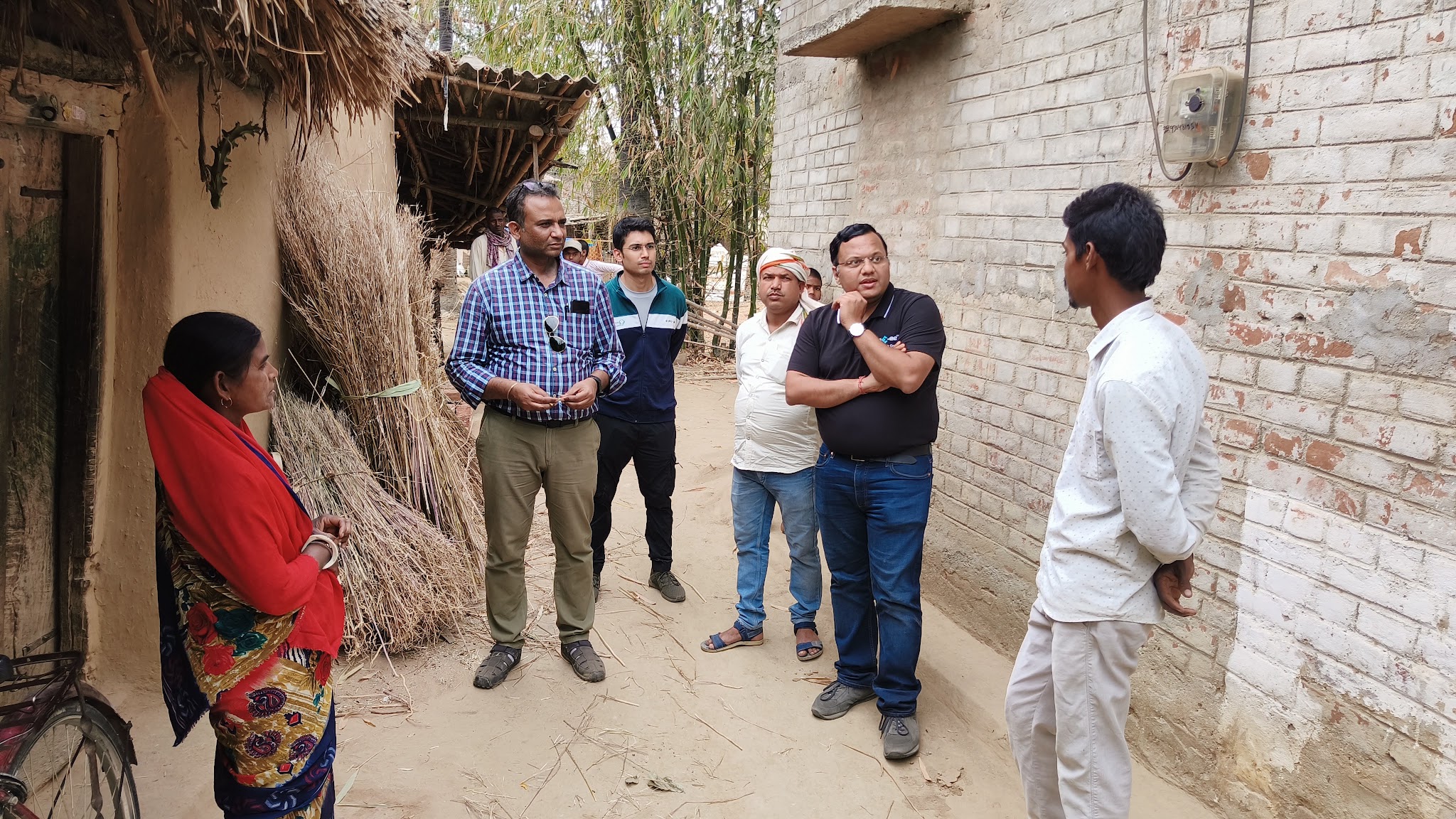
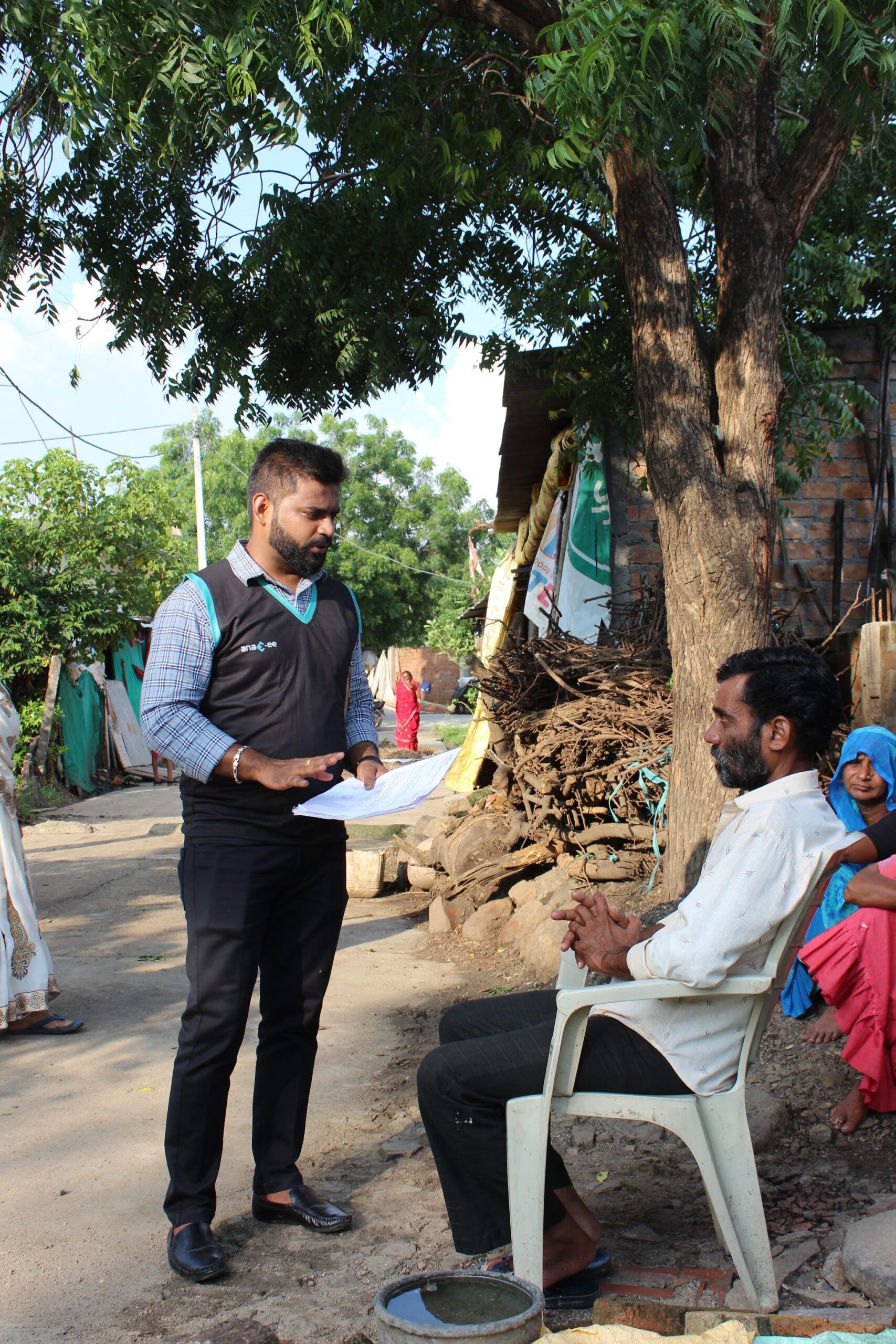
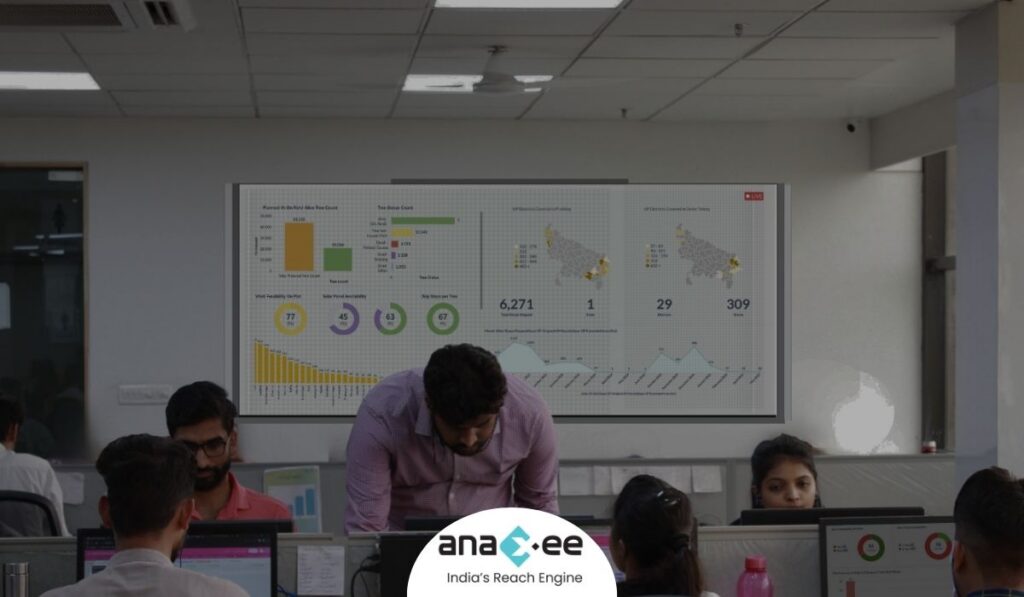
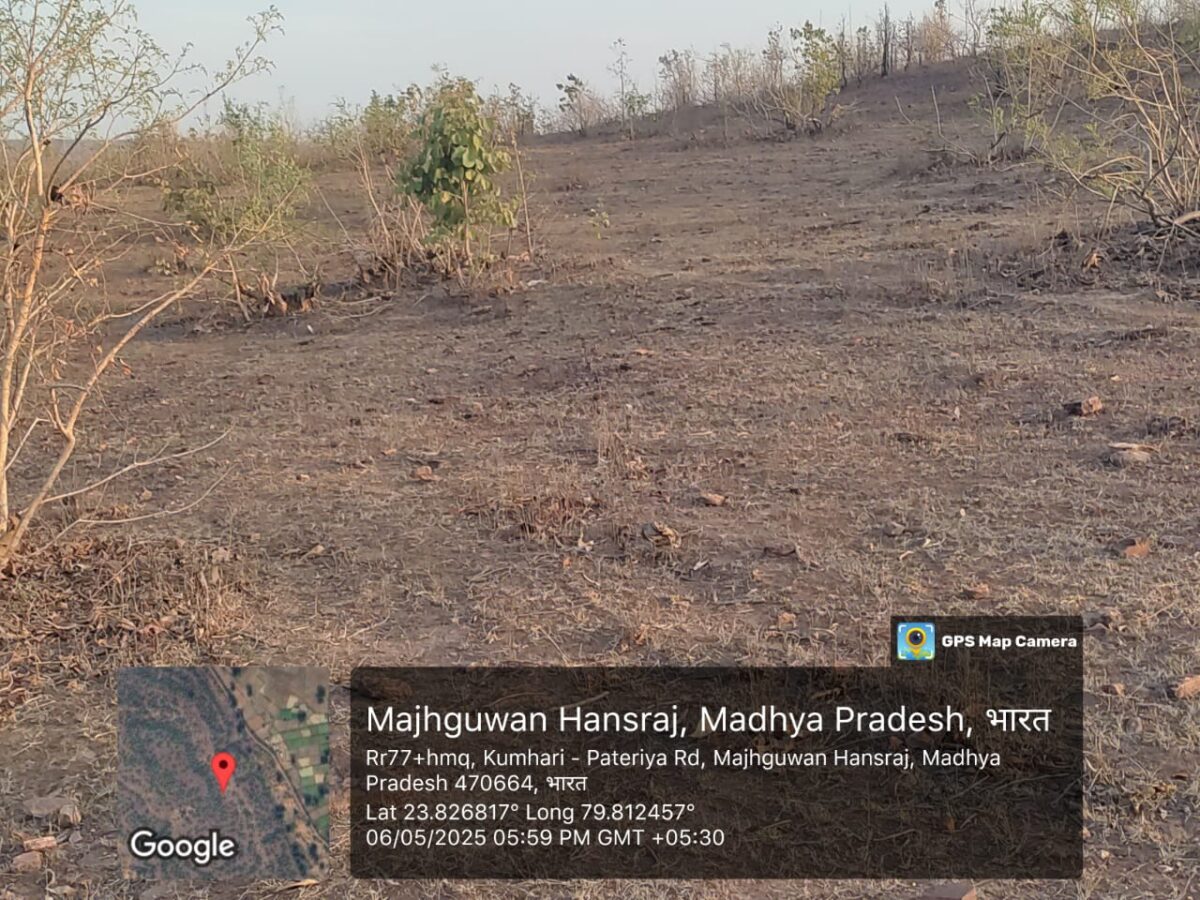
Quick answer: Household surveys in India fall into two broad families — the big national statistical surveys run by government (HCES, NFHS, PLFS and the national income survey) and the applied, programme-level surveys that brands, NGOs, CSR teams and governments commission (socio-economic/BPL, energy & household-solar, CSR & welfare, baseline-endline). Below is what each type measures, who runs it, and when you'd use it.
About Anaxee
40,000+ Digital Runners · 540 districts · 26 states · 11,000+ pincodes of reach
★ Winner, National Startup Award (Govt. of India)Trusted by 350+ brandsIndia’s Reach Engine since 2016
‘Household survey’ is one phrase for very different jobs. A government statistician measuring national consumption and a solar company checking which roofs are ready for a panel are both running household surveys — but almost nothing about their sample, questionnaire or cadence is the same. Knowing which type you're dealing with is the first decision in any project.
This page maps the types used in India, split into the two families they fall into. For how any of them is actually planned and executed, see the complete guide to household surveys in India.
The two families of household surveys
Every household survey in India is, broadly, one of two things: a national statistical survey that measures the country for policy, or an applied programme survey that serves a specific project, scheme or business decision. The first is run by government on long cycles; the second is commissioned by brands, NGOs, CSR teams and researchers, usually through a specialised field partner.
National statistical household surveys
These are the large, scientifically-sampled surveys the government uses to understand the country. You won't commission one — but their formats are the reference every other survey borrows from.
HCES — Household Consumption Expenditure Survey
Measures what households spend on and consume, the basis for poverty lines, the CPI basket and welfare policy. Run by the National Sample Office.
NFHS — National Family Health Survey
Health, nutrition, family planning and demographics at household and individual level, across every state and district. One of the most widely-cited household datasets in India.
PLFS — Periodic Labour Force Survey
Employment, unemployment and the nature of work, measured household by household on a rolling basis.
The national income & other statistical surveys
Alongside these sit income, health and multi-indicator surveys that together form India's official statistical picture — all built on structured, in-person household interviews.
The household universe
~24.9 crore
households in India — roughly 69% of them rural
Whichever type you run, this is the population underneath it — and the majority sit in villages, where phone panels and online surveys miss and feet on the ground win.
This is the family most organisations actually commission — surveys run to serve a specific programme, scheme or decision. These are the ones Anaxee runs.
Socio-economic & BPL surveys — income, assets, amenities and welfare eligibility for a district, scheme or baseline. The workhorse of government and CSR targeting.
Energy & household-solar access surveys — current lighting, roof type & area, energy spend and solar readiness, home by home. Used by solar companies and energy programmes to size and target rollouts.
CSR, health & welfare surveys — beneficiary identification, impact assessment and relief verification for CSR and social programmes.
Baseline & endline surveys — the before-and-after household measurement that proves a programme actually moved the needle.
Agriculture & livelihood surveys — land, crops, irrigation, inputs and advisory needs, household by household across farming geographies.
By method: how the interview is conducted
Cutting across both families is the mode of the interview — and it changes cost, speed and data quality:
CAPI — in-person, app-assisted interviews at the door. The gold standard for household surveys, and how rural India is best reached. More on CAPI surveys.
CATI — telephone interviews, useful for quick follow-ups or where phone penetration is high. Compare CAPI, CATI and PAPI.
PAPI — the old paper-and-pen method. Still used, but slow, hard to verify and error-prone next to a digital app.
Not sure which type of household survey you need?
Tell us the decision you're trying to make and we'll scope the right survey — the sample, the questionnaire and the mode — and run it across the districts you choose.
Fun fact: the national statistical surveys and a solar company's rooftop survey share more DNA than either would admit — the same roster, the same housing and asset questions, the same consent block. Only one section really changes between survey types. That's why a well-built questionnaire is modular: fix the core, swap the programme module.
How Anaxee helps
Anaxee — India's Reach Engine, a National Startup Award winner working with 350+ brands and organisations — runs the applied, programme-level household surveys end to end across 540 districts and 11,000+ pincodes: socio-economic, household-solar and energy, CSR and welfare, baseline-endline and agriculture. Sampling, trained local enumerators, app-based door-to-door capture, AI quality checks and a live dashboard. It's part of our field data-collection work — see the household survey guide, the format & questionnaire, and the survey app.
Proof on the ground — household-level fieldwork we've run
Tell us your objective — what you need to measure and decide.
A real person calls back — our Indore team, within one working day.
We scope the right survey — type, sample and mode — and pilot it before you scale.
A 130+ person team in Indore and 40,000+ Digital Runners on the ground — your enquiry reaches people who run household surveys every day, not an inbox that goes quiet.
Tell us about your household survey
Share what you need to measure and the geography — our team will get back within one working day.
Frequently asked questions
What are the main types of household surveys in India?
Two broad families: national statistical surveys (HCES for consumption, NFHS for health, PLFS for employment, the national income survey) and applied programme surveys (socio-economic/BPL, energy & household-solar, CSR & welfare, baseline-endline, agriculture).
What is the difference between a national and a programme household survey?
National statistical surveys are run by government on long cycles to measure the country for policy. Programme surveys are commissioned by brands, NGOs, CSR teams and researchers for a specific project, scheme or decision — usually through a specialised field partner.
What is a socio-economic household survey?
A survey of income, assets, amenities and living conditions used to understand a population and decide welfare or scheme eligibility — the most commonly commissioned applied type.
What is a baseline and endline survey?
A before-and-after pair: a baseline measures households before a programme starts, an endline measures the same indicators after, and the difference is the evidence the programme worked.
What is a household solar or energy-access survey?
A survey that records each home's current lighting source, energy spend, roof type and area, and solar readiness — used by solar companies and energy programmes to size and target rollouts, captured home by home.
Which type of household survey does Anaxee run?
The applied, programme-level ones — socio-economic, household-solar & energy, CSR & welfare, baseline-endline and agriculture — end to end, with trained local enumerators and an app, across 540 districts.
The bottom line
Before you design a questionnaire or pick a sample, name the type: is it a national statistical exercise, or an applied survey for a specific programme? That decision sets everything downstream — the sample, the questions, the mode and the cadence. And whichever applied type you need, Anaxee can scope it and run it across India.
Quick answer: A household survey app is a mobile tool that lets a field enumerator run a questionnaire at the door — capturing answers, GPS location, a timestamp and a house photo, working offline where there is no network, and syncing clean, verifiable data to a dashboard. Below is what a good one must do, and how Anaxee runs household surveys on the Anaxee Partner app across 540 districts.
About Anaxee
40,000+ Digital Runners · 540 districts · 26 states · 11,000+ pincodes of reach
★ Winner, National Startup Award (Govt. of India)Trusted by 350+ brandsIndia’s Reach Engine since 2016
Paper forms and data-entry operators are how household surveys used to run — and where most of the errors came from. A household survey app replaces that whole chain: the enumerator asks questions on a phone, the app captures the answer plus the proof that the visit really happened, and the data lands structured and ready, with no re-typing in between.
But a rural household survey app has to clear a bar that generic form builders don't: it has to work with no network, train the person using it, and make every record verifiable. Here is what that takes — and how we do it. For the bigger picture, see the complete guide to household surveys in India.
What a household survey app must do
Not every form app survives rural fieldwork. These are the non-negotiables:
Work fully offline. Interviews happen in villages with no signal; the app must capture everything on the device and sync automatically when it's back online — with the geo-tag and timestamp preserved.
Geo-tag, timestamp & photograph every household. So a ‘surveyed’ home is tied to a real place at a real moment — the single best defence against fabricated interviews.
Build any questionnaire, with skip-logic. Your exact format — rosters, multi-select, conditional questions that appear only when relevant — not a fixed template.
Train the enumerator inside the app. An inbuilt training module on that exact form, so the person at the door knows how to ask each question before they start.
Validate as it's entered. Range checks, mandatory fields and logic rules catch errors at the door, not weeks later in a spreadsheet.
Flow to a live dashboard & API. Progress and clean data visible in real time, by district — not a file e-mailed at month-end.
The app in the field
1,00,000+
downloads of the Anaxee Partner app — proven on projects reaching 3 million+ people
This isn't a prototype. The Anaxee Partner app is a live, rated product that our 40,000+ Digital Runners already use every day to run surveys, verifications and GTM tasks across India.
Offline-first: the non-negotiable for rural India
The households that matter most in a survey are often exactly where mobile data is weakest. An app that needs a live connection to save a response simply doesn't work there. The Anaxee Partner app captures the full interview — answers, GPS, timestamp, photos, audio — on the device, and syncs it the moment the phone finds a signal, whether that's an hour or a day later. The enumerator never waits, and no record is lost.
How every survey is verified
A household survey app is only as valuable as the trust you can place in its records. Three layers make each one defensible:
Location & time proof — every record carries GPS, a timestamp and a house photo, captured automatically.
AI quality checks — Anaxee's own AI reads the photos and data to flag interviews that don't add up or visits that never happened.
Human back-checks — supervisors re-verify a sample so the field force stays honest at scale.
From the app to a live dashboard
Data captured on the app flows straight to a centralized dashboard: a spreadsheet view with the answer, photo and location in one row, colour-coded and filterable, plus map views down to village level — and an API into your own systems. You watch a household survey fill in district by district, in real time, instead of waiting for a final file.
Need a household survey run on an app, at scale?
We'll configure your questionnaire in the app, train local enumerators on it, and run it door-to-door across the districts you choose — with a live dashboard from day one.
Fun fact: the app doesn't replace the enumerator — it makes an honest one unbeatable and a dishonest one obvious. When every record is geo-tagged and photo-backed, a fabricated interview stops being easy and starts being visible. The technology's real job isn't speed; it's trust.
How Anaxee helps
Anaxee — India's Reach Engine, a National Startup Award winner working with 350+ brands and organisations — runs household surveys on the Anaxee Partner app across 540 districts and 11,000+ pincodes. We configure your questionnaire, train the enumerators, capture every home offline with geo-tags and photos, run AI quality checks and deliver to a live dashboard. It's part of our field data-collection and platform — see the household survey guide to start.
Tell us your survey — the questionnaire, the geography, the sample.
A real person calls back — our Indore team, within one working day.
We configure & pilot it — your form in the app, tested on a verified sample before you scale.
A 130+ person team in Indore and 40,000+ Digital Runners on the ground — your enquiry reaches people who run app-based surveys every day, not an inbox that goes quiet.
Tell us about your household survey
Share the questionnaire, the geography and the sample size — our team will get back within one working day.
Frequently asked questions
What is a household survey app?
A mobile app an enumerator uses to run a household questionnaire at the door — capturing answers plus GPS, timestamp and a house photo, working offline where there's no network, and syncing verifiable data to a dashboard.
Does the household survey app work offline?
Yes — it's essential in rural India. The Anaxee Partner app captures the full interview on the device in villages with no connectivity and syncs automatically once the phone is back online, preserving the geo-tag and timestamp.
Can the app use my own questionnaire?
Yes. We build your exact format — rosters, multi-select, skip-logic and conditional questions — not a fixed template. Share your questionnaire (or use our free format) and we configure it.
How does the app stop fake or fabricated surveys?
Every record is geo-tagged, timestamped and photo-backed, and Anaxee's AI plus human back-checks flag interviews that don't add up — so a ‘surveyed’ home is tied to a real place and moment.
Is there a live dashboard with the app?
Yes. Data flows from the app to a centralized dashboard — a spreadsheet view with answer, photo and location in one row, map views to village level, and an API into your systems, updated in real time.
Do enumerators get trained on the app?
Yes — the app has an inbuilt training module on the exact form, plus Anaxee's field onboarding, so the person at the door knows how to ask each question before they start.
Can I just license the app, or do you run the survey too?
Most clients have us run the whole survey — the app plus the 40,000+ trained field force to collect the data across 540 districts. Tell us your scope and we'll propose the right model.
The bottom line
A household survey app isn't about going paperless — it's about making every single record trustworthy. Offline capture, geo-tags, inbuilt training, live validation and a real-time dashboard are what separate a survey you can defend from a pile of forms you can't. That's how Anaxee runs household surveys, at national scale.
Quick answer: A household survey format (or questionnaire) is the structured set of sections an enumerator works through at each home — identification, household roster, housing, assets, income, a programme-specific module and consent. Below is a free, field-ready template you can copy, every section explained, sample questions, the open-vs-closed design rules that keep data clean, and a downloadable version you can take straight to the field.
About Anaxee
40,000+ Digital Runners · 540 districts · 26 states · 11,000+ pincodes of reach
★ Winner, National Startup Award (Govt. of India)Trusted by 350+ brandsIndia’s Reach Engine since 2016
A household survey lives or dies on two things: reaching the door, and asking the right questions the right way once you are there. This page is about the second — the format. Get the questionnaire structure right and your data is clean, comparable and usable; get it wrong and no amount of fieldwork saves it.
Below is the exact household survey format Anaxee uses in the field — the one we run for household-solar, CSR, welfare and socio-economic programmes across India. Copy it, adapt it, and when you want it configured as a live mobile form or run across hundreds of districts, that is what we do. For the full picture of how a survey is planned and executed, see our complete guide to household surveys in India.
The household survey questionnaire format
This is a modular format: keep the common core (Sections 1–6 and 8) fixed across every project so your data stays comparable, and swap only Section 7 — the programme module — to fit solar, health, agriculture or WASH.
Household Survey Questionnaire — standard format. Sections 1–6 are the common core; Section 7 is the module you swap per programme; Section 8 is non-negotiable. In a digital survey, the fields marked auto are captured by the app without the enumerator typing them.
1Survey & enumerator identification
Project / survey name & round
Unique survey ID (auto)
Date & time of interview (auto)
Enumerator name & ID
GPS coordinates of the dwelling (auto geo-tag)
Photo of the house / front door (auto)
Language of interview
2Household identification & location
Name of head of household
Full address / landmark
Village or ward · Gram Panchayat
Block / Tehsil · District · State
PIN code
Household listing number
Contact mobile number (optional, with consent)
3Household roster (one row per member)
Name & relationship to head of household
Sex · Age
Marital status
Highest level of education
Primary occupation / activity
Currently attending school / working (yes–no)
4Housing & living conditions
House type — kuccha / semi-pucca / pucca
Ownership — owned / rented
Number of rooms
Main source of drinking water
Toilet facility — type / shared / none
Primary cooking fuel
Electricity connection & typical hours/day of supply
5Assets & ownership
Appliances — TV, fridge, fan, mobile phone, smartphone
Vehicles — bicycle, two-wheeler, four-wheeler
Agricultural land — owned / leased, approximate area
Livestock owned
Ration card type — APL / BPL / AAY / none
6Income & livelihood
Primary & secondary household occupation
Number of earning members
Approximate monthly household income band
MGNREGA job card (yes–no)
Government scheme coverage (as relevant to the programme)
7Programme module — swap to fit the project
Energy / household solar: current lighting source, daily energy spend, roof type & area, interest in a solar connection
Health & welfare: access to care, immunisation, scheme awareness, beneficiary status
WASH / education: water, sanitation, school enrolment & attendance
Keep Sections 1–6 and 8 fixed across projects; change only Section 7. That is what makes a questionnaire reusable and your data comparable across rounds.
8Consent & verification
Respondent consent — purpose, voluntary participation, how the data will be used
Respondent signature / thumb impression
Enumerator declaration — “I personally visited and interviewed this household”
Supervisor / QA check & back-check status
Geo-tag, timestamp & house photo attached (auto)
Get the household survey format — free
Tell us where to send it and we will email you the ready-to-use questionnaire template, plus a printable PDF. Takes 20 seconds — no cost.
Section by section: what to capture and why
A questionnaire is not just a list of questions — each section earns its place. Here is the reasoning behind the format above, so you can adapt it without breaking it.
1–2. Identification & location
This is what makes a record traceable. A survey ID, GPS, timestamp, house photo and the full administrative hierarchy (state → district → block → panchayat → village) mean every row can be found again, de-duplicated and audited. In a digital survey most of this is captured automatically — which is exactly what stops a ‘surveyed’ home from being a fabricated one.
3. Household roster
One row per member is the heart of the survey. It gives you household size, age-sex structure, education and occupation in a form you can actually analyse. Keep it a grid, not a paragraph — consistent columns per person are what make the data add up later.
4–5. Housing & assets
House type, water, toilet, cooking fuel, electricity and asset ownership are the standard proxies for living standard and welfare eligibility. They are quick to ask, hard to fake, and comparable to national surveys — which is why almost every socio-economic format includes them.
6. Income & livelihood
Ask income as a band, not an exact rupee figure — respondents answer bands honestly and refuse exact numbers. Pair it with occupation and number of earners to sense-check it.
7. Programme module
This is the only part that changes per project. Isolating it in one section is what lets you reuse 80% of the questionnaire across programmes and still keep the data comparable.
8. Consent & verification
Never optional. Explicit, recorded consent protects the respondent and you; the enumerator declaration and supervisor back-check are what make the data defensible.
Sample household survey questions
Concrete beats abstract. Here are example questions in the right form — single-idea, non-leading, with defined answer options (the format that produces clean, codeable data):
What is the main source of drinking water for this household? — Piped into dwelling / Public tap / Borewell or handpump / Well / Tanker / Other.
What type of toilet facility does the household use? — Own flush toilet / Own pit latrine / Shared / Public / None (open defecation).
How many hours of electricity does the household get on a typical day? — None / 1–4 / 5–8 / 9–16 / 17–24 hours.
What is the approximate total monthly income of the household? — Under ₹5,000 / ₹5,000–10,000 / ₹10,000–20,000 / ₹20,000–40,000 / Above ₹40,000.
Which of these does the household own? (multi-select) — TV / Refrigerator / Smartphone / Two-wheeler / Four-wheeler / Agricultural land / Livestock.
Open vs closed questions: designing for clean data
The single biggest quality lever in a questionnaire is how you ask. A few rules the format above follows:
Prefer closed questions with fixed options. They code instantly and compare across households. Reserve open text for the one or two things you genuinely can't pre-list.
One idea per question. “Do you have electricity and a toilet?” is two questions pretending to be one — split them.
Never lead the answer. Ask “What do you use for cooking?”, not “You use LPG, right?”
Ask sensitive items as bands or ranges. Income, land and age get more honest answers as ranges than as exact figures.
Keep it short. A 15–20 minute questionnaire gets completed honestly; a 45-minute one gets rushed and guessed at the door.
Fun fact: the most expensive question in a survey is the ambiguous one. A single badly-worded line gets interpreted ten different ways by ten enumerators — and you don't find out until the data is in and nothing reconciles. Piloting the questionnaire on 20–30 real households before you scale is the cheapest insurance in all of fieldwork.
Paper format vs a digital questionnaire
You can run this format on paper, but at any real scale a digital questionnaire wins on every axis: the fields marked auto (GPS, timestamp, photo) are captured without typing, skip-logic hides irrelevant questions, answers are validated as they are entered, and there is no error-prone data-entry step afterwards. Most importantly, a digital form makes each visit verifiable. See how it works on a household survey app.
How Anaxee helps
Anaxee — India's Reach Engine, a National Startup Award winner working with 350+ brands and organisations — doesn't just hand you a format; we run the survey end to end across 540 districts and 11,000+ pincodes. We'll configure this exact questionnaire as a mobile form, train local enumerators on it, capture every household door-to-door with geo-tags and photos, run AI quality checks and deliver clean data to a live dashboard. It's part of our field data-collection work — start with the household survey guide or the types of household surveys.
Proof on the ground — household-level fieldwork we've run
Send us your questionnaire — or use the format above as the starting point.
A real person calls back — our Indore team, within one working day.
We configure & pilot it — as a mobile form, tested on a verified household sample before you scale.
A 130+ person team in Indore and 40,000+ Digital Runners on the ground — your questionnaire reaches people who run household surveys every day, not an inbox that goes quiet.
Send us your questionnaire or ask for the format
Share what you want to measure and the geography — our team will get back within one working day, and can send you the format above as a file.
Frequently asked questions
What is a household survey format?
It's the structured set of sections and questions an enumerator works through at each home — identification, household roster, housing, assets, income, a programme-specific module and consent. A ready-to-copy format is in the section above.
Is there a free household survey questionnaire template?
Yes — the full 8-section format on this page is free to copy and adapt. We can also send it as a PDF or printable sheet, or configure it as a mobile form for your programme. Ask for the file on WhatsApp.
What sections should a household questionnaire have?
At minimum: survey & enumerator identification, household location, a member-by-member roster, housing & living conditions, assets, income & livelihood, a programme-specific module, and consent & verification. Keep the core fixed and swap only the programme module per project.
What are good sample household survey questions?
Single-idea, non-leading questions with fixed options — for example drinking-water source, toilet type, hours of electricity, income band and assets owned. Several worked examples are in the ‘sample questions’ section above.
Should household survey questions be open or closed?
Mostly closed, with defined answer options — they code instantly and compare across households. Reserve open-text for the one or two things you genuinely can't pre-list. Sensitive items like income are best asked as bands.
How many questions should a household survey have?
Enough to answer your objective and no more. Aim for a 15–20 minute interview; longer than that and answers get rushed and guessed at the door. Pilot it on 20–30 households first to cut what isn't pulling its weight.
Can I run this format as a digital form?
Yes — it's built to be digitised. On the Anaxee Partner app the GPS, timestamp and house photo are captured automatically, skip-logic hides irrelevant questions, and answers are validated as they're entered, so there's no separate data-entry step.
Do I need consent in a household survey?
Yes. Explicit, recorded consent — purpose, voluntary participation and how the data will be used — is non-negotiable (Section 8). It protects the respondent and makes your data defensible.
The bottom line
A good household survey format is modular, mostly closed-ended, short enough to finish honestly, and built so every visit is verifiable. Copy the template above, swap Section 7 for your programme, and pilot it before you scale. And when you want it configured and run across India — door to door, geo-tagged and quality-checked — that's exactly what Anaxee does.
Quick answer: Anaxee delivers a field project end to end — a local field force that visits every door or shop, an app that captures each visit offline with a geo-tag, photo and audio, a quality-control framework (now with AI) that catches bad or fake records, and a live dashboard where you watch your data fill in real time, filter it, and pull it straight into your own systems via API. Here is exactly how it works.
About Anaxee
40,000+ Digital Runners · 540 districts · 26 states · 11,000+ pincodes of reach
★ Winner, National Startup Award (Govt. of India)Trusted by 350+ brandsIndia’s Reach Engine since 2016
Anyone can promise feet on the ground. The real question a serious buyer asks is the next one: once thousands of people fan out across hundreds of districts, how do you know the work actually happened, and how do you get it back as data you can use? That gap — between the visit and the verified record on your screen — is where most field programmes fall apart.
Anaxee is built to close it. We don't just send people; we run the whole chain — plan, capture, quality-check and deliver — as one tech-enabled system. This is a look inside that system: the field force, the app, the quality framework and the live dashboard you actually log into.
Proven at national scale
29.8 lakh
people reached door to door in a single programme, on this exact system
Project Swaraksha: 22,340 runners, 13,067 villages, 19 states, a live dashboard the whole way — the same platform that runs a 947-runner retail rollout runs a national one.
From brief to live dashboard — how a field project runs
Every Anaxee project moves through the same five stages. The difference from a plain field agency is that the whole chain is instrumented — nothing depends on a surveyor's word.
Scope & beat-route plan
sample, questionnaire, routes
Field capture in the app
offline · geo-tag · photo · audio
AI + human quality check
the leg tool-only & agency-only skip
Structured, clean data
Live dashboard + API
The field force and the app
The person at the door is a Digital Runner — a local, a son or daughter of the soil who already lives in that market and is trusted there. What makes thousands of them work as one system is the Anaxee Partner app (100,000+ downloads), which turns every visit into a structured, provable event.
Local presence, everywhere. A confirmed runner in the city or village already — no mobilising a team from scratch for each district.
Beat-route planning. The app plots each runner's day as an optimised route, so coverage is planned — no area missed, no shop double-counted.
Works offline. Interviews and audits are captured in no-network villages and sync automatically later — the geo-tag and timestamp preserved.
Geo-tag, photo & audio on every record. Each visit is tied to a real place and moment, with evidence attached — not a form someone could fill from a tea stall.
Trained before they start. An inbuilt 24×7 Learning Portal with bilingual video tutorials trains every runner on that specific project's form before fieldwork begins.
The live dashboard — last-mile visibility on your screen
This is the part buyers remember. Instead of a monthly PDF that's already out of date, you get a centralised dashboard you log into and watch fill as the fieldwork happens. Every record arrives as a single, rich row — the captured data, the geo-tagged photo, the audio clip and a verified status, together:
One record = data + geo-tagged photo + audio + verified status, in a single row. Thousands of these, filterable and live.
Map view
Every visit pinned to its exact village, taluka, district and state — see coverage and gaps on the map as they happen.
Spreadsheet view, with media
Data, image and audio in one row. Colour-coded and sortable, so you scan thousands of records fast.
Filter & drill down
Slice by geography, status, runner or any custom field — from a national rollup down to one shop or home.
Live, not monthly
Records appear as they are captured and quality-checked, so you act on a gap this week, not next month.
API + ERP integration
A REST API streams the data straight into your ERP, CRM or BI tool — real-time flow, no manual handover.
Metadata advantage
Every record carries its geo-tag, timestamp, device and runner — the metadata that makes the data auditable.
Want to see the dashboard with your own project on it?
Scope a pilot in a district or two and watch verified field data land on a live dashboard — before you commit to scale.
A model that generates thousands of data points lives or dies on quality. Anaxee runs a defined framework on every project so the data you see is data you can trust:
Pre-define quality benchmarks for the project before fieldwork starts.
Validate data quality and the resources — is the record complete, and is the runner legitimate?
Analyse the variance between the desired standard and what actually came in.
Structure the collected data properly so it's clean and comparable.
Adopt corrective measures where needed — re-work, re-visit, re-train.
Introduce steps to keep improving quality across the run.
The procedure is tuned per project, but the discipline is constant: catch fraudulent or incomplete data before it ever reaches your dashboard.
Fun fact: on a large project, the geo-tag and photo aren't for you — they're for the data. A single fabricated visit doesn't just waste one record; it poisons every average built on top of it. Instrumenting the visit is what lets the honest 99% be trusted.
Where AI changes the game
The quality framework used to be all human. Now AI does the heavy lifting on top of it. Anaxee builds and deploys AI that reads the field photos and records — flagging an image that doesn't match the brief, cleaning and de-duplicating messy outlet and household lists, and spotting the statistical fingerprints of a visit that never really happened. It turns thousands of raw photos and forms into structured, searchable data, and lets quality checks scale across hundreds of districts without a back office drowning in manual review. The human QA team then focuses on the edge cases the AI surfaces — the best of both.
How Anaxee helps
Anaxee — India's Reach Engine, a National Startup Award winner working with 350+ brands and organisations — runs this whole system – a managed field-manpower-outsourcing model – across 540 districts and 11,000+ pincodes: the field force, the app, the quality framework and the live dashboard and API. Whether it's a go-to-market rollout, a household survey, a retail audit or a national social programme, you get the same instrumented delivery — and the same dashboard to watch it on. It's all part of our field data-collection work.
Tell us the project — what to capture, where, and how many.
A real person calls back — our Indore team, within one working day.
We scope a pilot — live on the dashboard, from a district or two, before you scale.
A 130+ person team in Indore and 40,000+ Digital Runners on the ground — your enquiry reaches people who deliver projects like this every day, not an inbox that goes quiet.
Tell us about your project
Share what you need captured, where, and at what scale — our team will get back within one working day and can walk you through the dashboard.
Frequently asked questions
What does the Anaxee dashboard actually show?
A live map view with every visit pinned to its location, and a spreadsheet view where each record shows the captured data, a geo-tagged photo, an audio clip and a verified status in one row — colour-coded, filterable and updating as fieldwork happens.
Can I see the data in real time?
Yes. Records appear on the dashboard as they are captured and quality-checked, so you act on a stock-out, a coverage gap or a problem this week — not when a monthly report arrives.
Does it integrate with our ERP, CRM or BI tool?
Yes. A REST API streams the structured data straight into your own systems in near real time, so it flows into your ERP, CRM or BI dashboards without manual handover.
How do you stop fake or fabricated visits?
Every visit is geo-tagged and time-stamped with a photo, and both AI and a human QA team check the records against pre-set benchmarks, flag anything that doesn't add up, and send suspect visits for re-work before the data reaches you.
What's captured in each record?
The project's data fields plus a geo-tag, timestamp, one or more photos and (where useful) an audio clip — along with the runner and device metadata that make the record auditable.
How are the field runners trained?
Through an inbuilt 24×7 Learning Portal with bilingual video tutorials and project-specific guides, so every runner is trained on your exact form and process before fieldwork begins, with daily live sessions during a rollout.
Can it work in villages with no network?
Yes. The app captures offline and syncs automatically when the device is back online, preserving the geo-tag and timestamp — essential for deep-rural fieldwork.
How do you plan coverage so nothing is missed?
The app plots each runner's day as an optimised beat route, so the target area is covered systematically — no pocket skipped, no outlet counted twice.
Can I start with a pilot?
Yes, and we recommend it — a district or two, live on the dashboard, so you see the data quality and the delivery for yourself before committing to a national scale.
What kinds of projects run on this system?
Go-to-market and retail rollouts, household and socio-economic surveys, audits and verification, and national social programmes — the same instrumented delivery and dashboard, scaled to the project.
How big can a project be?
From a few hundred visits in one district to lakhs nationwide. Project Swaraksha ran 22,340 runners across 227 districts and 13,067 villages on this platform.
What does it cost?
It's scoped to the project — the number of visits, the geography, the data depth and the frequency — on a pay-per-task basis with no fixed cost. Book a short call for a number for your project.
The bottom line
Field work is easy to promise and hard to prove. What separates a reliable partner from a risky one is the system around the visit — the app that captures it, the framework that checks it, and the dashboard that shows it to you, live. That instrumented chain, from brief to dashboard, is what Anaxee delivers — whether the project is a thousand shops or three million homes.
Quick answer: A household survey is a structured, door-to-door data-collection method that gathers demographic, economic and social information directly from the people living in a home. In India it is the backbone of everything from national statistics to solar, CSR and welfare programmes. Below is what it is, the types used in India, a free field-ready format and questionnaire you can copy, and how to actually run one at scale.
About Anaxee
40,000+ Digital Runners · 540 districts · 26 states · 11,000+ pincodes of reach
★ Winner, National Startup Award (Govt. of India)Trusted by 350+ brandsIndia’s Reach Engine since 2016
Search ‘household survey’ and you get textbook definitions and government PDFs. All correct, none of them much help if you actually need one done — a trained person at ten thousand front doors across rural India, asking the right questions and sending back data you can trust. Defining a household survey is the easy part. Running one, honestly, at scale, is the hard part, and it is where most programmes quietly struggle.
This guide is the operator's version. What a household survey is, the types used in India, a ready-to-use questionnaire format you can take and adapt, and how it's really executed — from a team that has done it for solar, CSR and social-impact programmes across the country.
The household universe
~24.9 crore
households in India — roughly 69% of them rural
That is the real scale of the job. The majority of Indian homes are in villages — which is exactly where phone panels and online surveys miss, and feet on the ground win.
A household survey collects information about a dwelling and the people who live in it — their numbers, ages, education, work, income, assets, living conditions and whatever else a programme needs to know. The unit is the household, not the individual, and the gold standard is a trained enumerator visiting in person, asking a structured questionnaire and recording verified answers.
Sample of households
drawn to represent the population
Door-to-door visit (app, geo-tagged)
the doorstep leg phone & online panels skip
Quality check (AI + human)
Clean data on a dashboard
Types of household surveys in India
‘Household survey’ covers two broad families — the big national statistical surveys, and the applied, programme-level surveys that brands, NGOs and governments commission to run a project.
National statistical surveys — HCES (consumption & expenditure), NFHS (health), PLFS (employment), and the new national income survey. Run by government for macro policy.
Socio-economic & BPL surveys — income, assets, amenities and welfare eligibility for a district, scheme or baseline.
Energy & household-solar access surveys — current lighting, roof type, energy spend and solar readiness, home by home.
CSR, health & welfare surveys — beneficiary identification, impact assessment and relief verification for CSR and social programmes.
Baseline & endline surveys — the before-and-after household measurement that proves a programme actually moved the needle.
Why the last mile is the challenge
6.4 lakh+
villages in India — where most households, and most survey difficulty, sit
Scattered across 540+ districts and hard terrain. A household survey is only as good as your ability to physically reach those doors — which is the whole game.
Household survey format & questionnaire (free template)
Here is a practical, field-tested household survey format you can copy and adapt. It is built the way real Indian fieldwork runs — modular, so you keep the common sections and swap the programme-specific module (solar, health, agriculture, WASH) to fit your project.
Household Survey Questionnaire — standard format. Sections 1–6 are the common core; Section 7 is the module you swap per programme; Section 8 is non-negotiable. In a digital survey, the fields marked auto are captured by the app without the enumerator typing them.
1Survey & enumerator identification
Project / survey name & round
Unique survey ID (auto)
Date & time of interview (auto)
Enumerator name & ID
GPS coordinates of the dwelling (auto geo-tag)
Photo of the house / front door (auto)
Language of interview
2Household identification & location
Name of head of household
Full address / landmark
Village or ward · Gram Panchayat
Block / Tehsil · District · State
PIN code
Household listing number
Contact mobile number (optional, with consent)
3Household roster (one row per member)
Name & relationship to head of household
Sex · Age
Marital status
Highest level of education
Primary occupation / activity
Currently attending school / working (yes–no)
4Housing & living conditions
House type — kuccha / semi-pucca / pucca
Ownership — owned / rented
Number of rooms
Main source of drinking water
Toilet facility — type / shared / none
Primary cooking fuel
Electricity connection & typical hours/day of supply
5Assets & ownership
Appliances — TV, fridge, fan, mobile phone, smartphone
Vehicles — bicycle, two-wheeler, four-wheeler
Agricultural land — owned / leased, approximate area
Livestock owned
Ration card type — APL / BPL / AAY / none
6Income & livelihood
Primary & secondary household occupation
Number of earning members
Approximate monthly household income band
MGNREGA job card (yes–no)
Government scheme coverage (as relevant to the programme)
7Programme module — swap to fit the project
Energy / household solar: current lighting source, daily energy spend, roof type & area, interest in a solar connection
Health & welfare: access to care, immunisation, scheme awareness, beneficiary status
WASH / education: water, sanitation, school enrolment & attendance
Keep Sections 1–6 and 8 fixed across projects; change only Section 7. That is what makes a questionnaire reusable and your data comparable across rounds.
8Consent & verification
Respondent consent — purpose, voluntary participation, how the data will be used
Respondent signature / thumb impression
Enumerator declaration — “I personally visited and interviewed this household”
Supervisor / QA check & back-check status
Geo-tag, timestamp & house photo attached (auto)
Want this as a ready-to-use PDF, printable sheet or a configured mobile form? Message us and we'll send it, or set it up in our app for your exact programme.
How to run a household survey — and who conducts it
A household survey is a project, not a form. Governments run the big statistical ones through the National Sample Office; brands, NGOs, CSR teams and research agencies run programme surveys through a specialised field partner. Either way, four things decide whether the data is any good.
Sampling
Decide who represents the population — usually multi-stage stratified random sampling across rural and urban blocks, or a full census of a defined area for a programme. Get this wrong and no amount of fieldwork saves you.
Enumerators & training
Trained, local people who speak the language and are trusted at the door. The enumerator is the survey; a well-trained local field force is the single biggest quality lever.
Data collection
App-based, offline-capable capture at the door — so interviews happen in villages with no network and sync later — every record geo-tagged, timestamped and photo-backed.
Quality checks
Back-checks, logic validations and AI review of photos and data to catch errors and any visit that didn't really happen, before the data is delivered.
Fun fact: the most expensive household survey is the one you can't trust. A fabricated or mis-located interview doesn't just waste the visit — it quietly corrupts every average and every decision built on top of it. That's why geo-tagging and back-checks matter more than the questionnaire itself.
Where technology and AI change the game
On-ground household surveys used to mean paper forms, data-entry operators and trust. Anaxee runs them as a tech product. Every interview is captured in a household survey app — the Anaxee Partner app, with 100,000+ downloads and proven on projects reaching 3 million+ people. It works offline for no-network villages, builds any questionnaire (the format above and far more), carries an inbuilt training module so each enumerator is trained on that exact form, and geo-tags and time-stamps every household so a ‘surveyed’ home is tied to a real place at a real moment.
Then AI does the quality layer. Anaxee builds and deploys AI that reads the field photos and data — flagging interviews that don't add up, cleaning and de-duplicating household lists, and detecting the patterns of a visit that never happened. Clean, structured data flows to a live dashboard and API, not a monthly file. The result: a household survey that scales across hundreds of districts without losing a single verifiable record.
Tell us your survey — the questions, the geography, the sample.
A real person calls back — our Indore team, within one working day.
We scope a pilot — a verified household sample from a district or two, before you scale.
A 130+ person team in Indore and 40,000+ Digital Runners on the ground — your enquiry reaches people who run household surveys every day, not an inbox that goes quiet.
Tell us about your household survey
Share the questions, the geography and the sample size — our team will get back within one working day, and can send you the format above.
Frequently asked questions
What is a household survey?
A household survey is a structured data-collection method that gathers demographic, economic and social information directly from the people living in a home — usually through a trained enumerator visiting in person and recording verified answers to a questionnaire.
What are the types of household surveys in India?
Two broad families: national statistical surveys (HCES for consumption, NFHS for health, PLFS for employment, the national income survey) and applied programme surveys (socio-economic/BPL, energy & household-solar access, CSR and welfare, baseline-endline).
Who conducts a household survey?
Government runs the large statistical surveys through the National Sample Office. Brands, NGOs, CSR teams, researchers and agencies run programme surveys through a specialised field partner that supplies trained local enumerators and the technology — which is what Anaxee does.
What is a household survey format or questionnaire?
It's the structured set of sections and questions an enumerator works through — identification, household roster, housing, assets, income, a programme-specific module and consent. A ready-to-copy format is in the section above; keep the core sections and swap the programme module per project.
What are good household survey questions?
Clear, single-idea, non-leading questions with defined answer options: household composition, education and occupation of members, housing and amenities, assets owned, income band, and programme-specific items. Always include geo-location, a dwelling photo and explicit consent.
Is there a household survey app?
Yes. Anaxee runs household surveys on the Anaxee Partner app — offline-capable for no-network villages, with inbuilt enumerator training, geo-tagging, photo capture and a live dashboard. It builds any questionnaire, including the format above.
Can a household survey be done offline?
Yes — essential in rural India. Interviews are captured offline on the app in villages with no connectivity and sync automatically once the device is back online, with the geo-tag and timestamp preserved.
How is the sample for a household survey chosen?
Usually multi-stage stratified random sampling to represent the population across rural and urban blocks, or a full census of a defined area for a programme. The sampling design is set before fieldwork begins.
How do you verify an enumerator actually visited the household?
Every interview is geo-tagged and time-stamped with a photo of the dwelling, and AI plus human back-checks flag records that don't add up — so a ‘surveyed’ home is tied to a real place and moment, not just a form.
How do you run a household survey in rural and remote areas?
With a last-mile network already present on the ground. Anaxee's 40,000+ Digital Runners across 540 districts and 11,000+ pincodes reach the Tier 3, 4 and village households that urban panels and phone surveys can't.
Can you run a household solar or energy-access survey?
Yes — it's one of our common modules: current lighting source, energy spend, roof type and solar readiness, captured home by home. We've surveyed tens of thousands of homes for household-solar and energy programmes.
What does a household survey cost in India?
It depends on the sample size, the geographic spread, the length of the questionnaire and the frequency — there's no fixed per-household rate. Anaxee scopes it to your survey and usually proves it with a paid pilot. Book a short call for a number.
How fast can a household survey be done?
From a few hundred homes in one district to lakhs nationwide; pace depends on sample size, geography and questionnaire length. A last-mile field force lets fieldwork run in parallel across many districts at once.
How do we get started?
Start with a pilot in a district or two — a verified household sample you can check before you scale. Tell us your survey by WhatsApp, call, or the form above, and we'll share the format too.
The bottom line
A household survey is simple to define and hard to do well. The questionnaire is the easy 10%; the real work is reaching every door, asking well, and proving each visit was real. Use the format above to build your questionnaire — and when you need it run across India, honestly and at scale, that's exactly what Anaxee does.
Quick answer: CAPI (in-person on an app), CATI (telephonic) and PAPI (pen-and-paper) are the three ways to run a survey in India. Choose by what the study needs: CAPI for depth, verification and the unreachable rural tail; CATI for speed, spread and lower cost; PAPI only where devices truly cannot go. The best large studies blend them — and Anaxee runs all three, verified, across 540 districts.
About Anaxee
40,000+ Digital Runners · 540 districts · 26 states · 11,000+ pincodes of reach
★ Winner, National Startup Award (Govt. of India)Trusted by 350+ brands & institutionsIndia’s Reach Engine since 2016
Every survey starts with the same fork: how do we actually collect the data? Face-to-face, over the phone, or on paper? It looks like a logistics detail, but the mode you pick quietly decides your cost, your speed, who ends up in the sample — and whether the numbers can be trusted at all. Pick wrong, and a well-designed study comes back biased, slow or unverifiable.
This guide lays out the three modes plainly — CAPI, CATI and PAPI — when each wins, and why the strongest studies in India rarely use just one.
Why the choice matters
₹29,008 crore
India’s research & insights industry (FY2025), growing ~10.9% a year — all of it resting on how field data is collected
A large, fast-growing industry — and the mode you choose is the first thing that decides whether its data is sound.
Source: Market Research Society of India, via Research Live.
The three modes at a glance
CAPI
Computer-assisted personal interviewing
In person, on a mobile app. A trained interviewer visits the respondent; answers captured on screen, geo-tagged and photo-verified.
Best for
Depth, rural & unlisted respondents, anything that must be seen or verified.
CATI
Computer-assisted telephonic interviewing
Over the phone from a calling centre, questionnaire on screen. No travel between interviews.
Best for
Speed, wide spread, lower cost per response, tracking and screening.
PAPI
Paper-and-pencil interviewing
The traditional method — printed forms, manual entry afterwards. No device in the field.
Best for
Only where devices genuinely cannot be used; otherwise its weaknesses show.
How to choose — the questions that decide it
Can you reach them by phone? If the respondents are unlisted, low-connectivity or rural, the phone quietly skips them — go CAPI. If they are phone-reachable and the questions are simple, CATI is faster and cheaper.
Does something need to be seen? A crop, a shelf, an asset, a document, a condition — only an in-person visit can capture it. That is CAPI territory, not phone.
How fast, and how wide? A thousand responses by Friday across every state? Phone wins. A deep, representative read of rural districts? Field, even if it takes longer.
How much proof do you need? If a board, client or regulator will scrutinise the data, you want geo-tag, timestamp and photo on every response — CAPI and CATI both capture an audit trail; PAPI cannot.
What is the budget per response? Phone is the lowest cost per interview; field costs more but reaches and verifies what phone cannot. The question is value, not just price.
Why PAPI is usually the wrong default
Paper feels cheap and simple, and for decades it was the only option. But it carries the costs that do not show up on the quote: weeks of manual data entry, transcription errors, no GPS or timestamp to prove the interview happened, and no automated check for the biggest field risk of all — fabrication, where an interviewer fills forms from a tea stall instead of walking the beat. A digital mode removes those costs by default. Unless devices genuinely cannot be used, CAPI or CATI beats PAPI on quality, speed and trust — which is why serious studies have largely moved on from paper.
Fun fact: the single biggest upgrade to survey quality is rarely a longer questionnaire — it is making every response prove, automatically, that it was collected where and when it claims. That is something only a digital mode can do, and it is exactly what separates data you can defend from a spreadsheet you merely hope is right.
The real answer: blend the modes
The framing of “CAPI vs CATI vs PAPI” is a little misleading, because the best studies do not pick one — they combine them. Run CATI for the wide, phone-reachable base, and CAPI for the hard-to-reach rural tail and the parts that need a human eye, delivered as one dataset. Most vendors do one mode or the other; a provider built for field data collection at national scale can run both and switch between them within a single study. That is how you get speed where the phone wins and depth where it does not — without compromising on either.
Not sure which mode your study needs?
Anaxee runs CAPI and CATI — and blends them — across 540 districts, every response verified and on a live dashboard. Tell us the study and we’ll recommend the mix.
Across CAPI and CATI, the same tech layer is what makes the data trustworthy: on-screen scripting with skip logic keeps every interview consistent; geo-tag, timestamp and call recording tie each response to a real place and moment; and AI reads the field photos and flags the suspect records — interviews that ran too fast, impossible locations, duplicate entries — for re-verification. Because it all flows to a live dashboard, you watch coverage build by district and fix the sample or the script while the survey is still running. Paper offers none of this.
Tell us the study — the questions, the audience and the geography — by form, WhatsApp or a call.
A real person calls back — our Indore team, within one working day.
We recommend the mode mix — and scope a pilot, geo-tagged and QA-checked, on a dashboard you can open yourself.
A 150+ person team in Indore, a telecalling command centre and 40,000+ Digital Runners on the ground — people who run surveys every day, not an inbox that goes quiet.
Tell us about your survey
Share the questions and audience — our team will get back within one working day.
Frequently asked questions
What do CAPI, CATI and PAPI stand for?
CAPI = computer-assisted personal interviewing (in person, on an app); CATI = computer-assisted telephonic interviewing (over the phone, questionnaire on screen); PAPI = paper-and-pencil interviewing (printed forms, manual entry).
Which is cheapest?
CATI usually has the lowest cost per response because there is no travel. But “cheapest” and “best value” differ — if the phone cannot reach your respondents or verify what you need, a cheaper mode that produces unusable data is the most expensive choice.
When should I still use face-to-face (CAPI)?
When you need to reach rural or unlisted respondents, see something on the ground, run a long or complex interview, or produce verifiable evidence a board or regulator will trust.
Is paper (PAPI) ever the right choice?
Rarely — only where devices genuinely cannot be used. Otherwise paper loses on speed, accuracy, cost of data entry, and the ability to prove an interview actually happened.
Can one study use more than one mode?
Yes — and it often should. A mixed-mode design runs CATI for the wide phone-reachable base and CAPI for the hard-to-reach tail, delivered as one combined dataset.
How do digital modes prevent fake responses?
Geo-tag, timestamp and (for field) photo capture tie each response to a real place and moment, a sample is back-checked, and AI flags suspect records — the practical cure for fabrication, or “curbstoning.”
Does Anaxee run all three modes?
Anaxee runs CAPI and CATI at national scale and blends them in a single study. It can run paper where a client requires it, but recommends a digital mode wherever possible for quality and verifiability.
The bottom line
There is no single best survey mode — only the right one for the study. Match the mode to who you need to reach, what must be captured, how fast and how verifiable it has to be, and most large studies land on a blend of CAPI and CATI. Get the mode right first, and everything downstream — the sample, the data, the decision — rests on solid ground.
Quick answer: Agritech and agri-input brands win or lose on the last mile — reaching real farmers and dealers in villages, and proving what happened there. Anaxee is that last-mile partner: 40,000+ trained Digital Runners across 540 districts who onboard farmers, map dealers, run crop surveys and demos, and verify every visit with GPS, photos and a live dashboard.
About Anaxee
40,000+ Digital Runners · 540 districts · 26 states · 11,000+ pincodes of reach
★ Winner, National Startup Award (Govt. of India)Trusted by 350+ brands — incl. Mahindra & ITCIndia’s Reach Engine since 2016
Agriculture is India’s biggest, hardest-to-reach market. An agritech app, a seed or crop-protection brand, a tractor company, a lender or an FPO can build a brilliant product — and still stall at the same wall: the farmer lives in a village your team has never visited, speaks a language your app does not, and will not trust a stranger on a phone. Everything downstream — adoption, sales, advisory, credit, carbon — depends on someone actually getting there.
That someone is a last-mile field network. Anaxee runs India’s largest, and runs it as a tech product: every farmer met, every dealer mapped, every crop measured, with GPS, timestamp and photo proof on a dashboard you can open yourself. Below is the full set of agri field services — each a dedicated capability you can use on its own or together.
Why agri is a last-mile problem
~86%
of India’s farmers are small & marginal — scattered across lakhs of villages, not reachable from a city desk
The farmers who matter most are the hardest to reach and verify — which is exactly where a trusted, tech-enabled field network earns its keep.
Source: Agriculture Census, Department of Agriculture & Farmers Welfare.
Anaxee’s agri field services
Six capabilities, one field network. Each links to a dedicated page with the detail, proof and FAQs. New to this? Start with what a farmer survey is and how to run one.
Building an agritech or agri-input play that needs real last-mile reach?
Anaxee onboards farmers, maps dealers and verifies the field across 540 districts — on a dashboard you can open yourself. See our go-to-market and field services.
Three things set a real last-mile partner apart from a list broker or a thin tech tool. Reach — a field force already present in the Tier 2-4 towns and villages where farmers actually are, so there is no recruiting a fresh team for every state. Trust — local Runners who speak the farmer’s language and can win the trust a phone call never will. And proof — every visit geo-tagged, time-stamped and photo-verified, with AI reading the field photos to flag fabricated or duplicate records, so your acquisition and survey numbers are ones you can defend. It is the same engine behind our go-to-market and platform work, pointed at agriculture.
How Anaxee helps
Anaxee — India’s Reach Engine, a National Startup Award winner — runs farmer onboarding, crop surveys, dealer mapping, rural demos and agri data collection through 40,000+ Digital Runners across 540 districts and 11,000+ pincodes, every record verifiable and on a live dashboard — the way brands build a verified farmer network. It is the same last-mile engine behind our work for DeHaat, Samunnati, AgroStar and Escorts.
Tell us the goal — the farmers, dealers, crops or geographies you need to reach — by form, WhatsApp or a call.
A real person calls back — our Indore team, within one working day.
We scope a pilot — a focused batch in one region, geo-tagged and QA-checked, delivered as a dashboard you can open yourself.
A 150+ person team in Indore and 40,000+ Digital Runners on the ground — your enquiry reaches people who work rural India every day, not an inbox that goes quiet.
Tell us about your agri programme
Share the goal and geographies — our team will get back within one working day.
Frequently asked questions
What agri field services does Anaxee provide?
Farmer onboarding and profiling, crop-cutting experiments and digital crop surveys, agri-input dealer mapping and onboarding, rural demos and lead generation, drone crop and acreage survey, and rural market research — all through one verified field network.
Who does Anaxee work with in agriculture?
Agritech platforms, agri-input and seed brands, tractor and farm-equipment companies, FPOs, rural lenders and insurers, and development and carbon programmes — anyone who needs to reach and verify farmers at scale.
What makes Anaxee different from buying a farmer database or using an app?
A bought list is unverified and a tool has no people. Anaxee combines a trained, local field force with app-based capture and AI verification — so you get real reach plus proof, not just names or software.
Can you reach remote villages and interview in local languages?
Yes — 40,000+ Digital Runners across 540 districts and 11,000+ pincodes, working in India’s major languages, built for exactly the Tier 2-4 and rural areas most partners cannot reach.
How do you verify field work actually happened?
Every visit is geo-tagged, time-stamped and photographed, a sample is back-checked, and AI flags suspect records — impossible locations, too-fast visits, duplicate photos — before the data reaches you.
How do we start?
With a paid pilot in one region so you see the evidence and the dashboard, then scale. Book a short call to scope it.
The bottom line
In agriculture, the product is only half the battle — the other half is the last mile, and the proof that you reached it. Anaxee is the field network that gets you to the farmer and the dealer, in their language, and brings back verified evidence of every visit. One engine, every agri field job, across real India.
Quick answer: A white-label fieldwork partner is the on-ground execution arm a research agency plugs into — enumerators, reach and verification — while the agency keeps the client, the design and the analysis. Anaxee runs CAPI and CATI fieldwork across 540 districts as your silent partner: your questionnaire, our 40,000+ trained Runners, every response geo-tagged and QA-checked, delivered on a dashboard you can brand as your own.
About Anaxee
40,000+ Digital Runners · 540 districts · 26 states · 11,000+ pincodes of reach
★ Winner, National Startup Award (Govt. of India)Trusted by 350+ brands & institutionsIndia’s Reach Engine since 2016
Winning the study is the easy part. Delivering the fieldwork — finding trustworthy enumerators in districts you have no presence in, in languages your core team does not speak, and standing behind every response to a demanding client — is where a research project quietly turns into a logistics nightmare. For a research agency, consultancy or evaluator, the field is the part that keeps you up at night.
You do not need to build a national field force to solve it. You need a partner who already has one — and who stays invisible. Anaxee is that partner: we run the ground execution, you keep the client relationship, the research design and the credit.
The network you plug into
40,000+ Runners
across 540 districts, 26 states and 11,000+ pincodes — a field force already present where your study needs to go
No recruiting enumerators from scratch for each project, no gaps in the districts you do not cover — the field layer is already built.
A trained enumerator network. Local, vetted field people already present across districts — no recruiting and onboarding a fresh team for every study.
Reach you do not have. Tier 2-4 towns and villages in states where your own team has no feet — covered from an existing network.
Multilingual field teams. Interviews in the respondent’s own language across India’s major languages, not forced into English or Hindi.
Built-in verification. Every response geo-tagged, time-stamped, photo-captured and back-checked — the quality layer you can show a demanding client.
A dashboard you can brand. Live progress and a clean dataset you present as your own — Anaxee stays behind the curtain.
Your name on it, our field force behind it
The model is simple: you own the client, the research design, the sampling and the analysis; Anaxee is the execution layer that makes the fieldwork happen and holds up to scrutiny. We run in-person (CAPI) and telephonic (CATI) collection, blend them where a study needs both, and deliver verified data on time — without ever appearing in front of your client. For agencies that win national or rural studies but cannot staff them, it is the difference between turning the RFP down and winning it.
Your questionnaire & sample
Anaxee deploys local enumerators, your spec
Field data — geo-tagged, QA-checked
delivered under your brand
You present it to your client
Need a field force you can plug into — and keep your client?
Anaxee runs CAPI and CATI fieldwork across 540 districts as your silent execution partner, verified and on time. See our field data collection services.
You hand us the questionnaire, the sample plan and the quotas; we deploy trained, local Digital Runners against them in the districts you need, interviewing in the respondent’s language. Every response is captured on an app, geo-tagged, time-stamped and photo-verified, and a sample is back-checked, so the data holds up to your client’s scrutiny. Progress and the dataset flow to a live dashboard you can put your own name on, and we escalate between phone and field within a single study as the design requires — one execution partner, one clean deliverable.
Where technology and AI change it
On-screen scripting and skip logic keep every interview consistent; geo-tag and timestamp tie each response to a real place and moment; and the AI reads the field data — flagging interviews that ran too fast, impossible locations, and duplicate records for re-verification. That is how fabrication (“curbstoning”) is caught before the data reaches you, and why you can stand behind a dataset collected by a partner you did not have to supervise yourself. The dashboard is live, so you watch coverage build by district and manage your client’s expectations in real time.
Tell us the study — the questionnaire, sample and geographies — by form, WhatsApp or a call. NDA first if you prefer.
A real person calls back — our Indore team, within one working day.
We scope a pilot — a sample round in your spec, geo-tagged and QA-checked, delivered on a dashboard you can brand.
A 150+ person team in Indore and 40,000+ Digital Runners on the ground — a field partner that delivers and stays invisible, not an inbox that goes quiet.
Tell us about your fieldwork
Share the study and geographies — our team will get back within one working day.
Frequently asked questions
What is a white-label fieldwork partner?
A field-execution provider that runs the on-ground data collection for a research agency or consultancy while staying invisible to the end client. You keep the client, the design and the analysis; the partner supplies the enumerators, reach and verification.
Will Anaxee stay invisible to our client?
Yes — that is the model. We operate as your execution layer, deliver on a dashboard you can brand as your own, and do not approach or appear in front of your client. An NDA up front is welcome.
What does your enumerator network cover?
40,000+ trained Digital Runners across 540 districts, 26 states and 11,000+ pincodes — including the Tier 2-4 and rural areas most agencies cannot staff — working across India’s major languages.
Can you run both in-person and telephonic fieldwork?
Geo-tag, timestamp and photo on every response, a back-checked sample, and AI flags for suspect records — so you get an auditable quality trail to show your client, not just raw data.
How fast can you mobilise, and what does it cost?
Because the field force is already in place, a study can spin up in days. Cost depends on sample, mode, geography and languages — book a short call for a number.
The bottom line
You do not have to own a national field force to win national fieldwork — you have to partner with one that delivers and stays invisible. Anaxee is the enumerator network agencies plug into: your study, our 540-district reach, verified data on a dashboard with your name on it. Win the brief, and let the field be handled.
Quick answer: There is no fixed per-shop rate for a retail audit in India. The cost is driven by four things — how many outlets, how spread out they are, how often you visit, and how deep the data goes. A credible provider scopes a number to your specific network rather than quoting a flat rate, and usually proves it with a small paid pilot first.
About Anaxee
40,000+ Digital Runners · 540 districts · 26 states · 11,000+ pincodes of reach
★ Winner, National Startup Award (Govt. of India)Trusted by 350+ brandsIndia’s Reach Engine since 2016
It is the first question every brand asks, and the one no honest provider can answer in a single number: what does a retail audit cost? The temptation is to want a neat per-shop figure. But a retail audit is not a commodity with a sticker price — the same 1,000 outlets can cost very different amounts depending on where they are and what you need to know about them.
Anyone who quotes you a flat per-shop rate before asking about your markets is guessing — and usually cutting the corners (geo-proof, photos, quality checks) that make the data worth paying for. Here is how retail audit pricing actually works, so you can judge a quote instead of just comparing rates.
Why coverage drives the cost
90%+
of India’s retail sales run through traditional, scattered trade
Your outlets are not in one mall — they are spread across towns and villages. Travel and last-mile reach, not the audit form, are what move the price.
A real quote is built up from your network, not read off a rate card. It is the product of a few variables — and the honest providers show you the maths.
Your outlet count
× how spread out they are
Geography & travel
× frequency & data depth
Scope per visit
the part a flat ‘per shop’ rate ignores
A quote scoped to your network
The four things that move the cost
Number of outlets. The biggest single lever — more shops means more visits. But per-unit cost usually falls as volume rises.
Geographic spread. 500 outlets in one city cost far less per visit than 500 scattered across 50 districts — travel time is real cost. A last-mile network already present on the ground narrows that gap.
Visit frequency. A one-time census is one price; monthly or continuous tracking is a different model entirely. Match the cadence to the decision it feeds.
Data depth. A quick availability check is lighter than a full audit with pricing, planogram, competitor capture and multiple photos per outlet. Deeper data, more time per shop.
A fifth, smaller factor is add-ons: building the outlet list from scratch, custom dashboards, faster turnaround SLAs, or translating findings into actions. Useful, but they sit on top of the four drivers above.
Why the audit pays for itself
3x faster
India’s focused challenger brands grow 3x faster than their markets
An audit that catches stock-outs, ghost outlets and fake visits early protects far more revenue than it costs — the ROI is in the decisions it corrects.
Source: Bain & Company × DSG Consumer Partners (2026), via IBEF
Want a real number for your network? Anaxee will scope it.
Tell us your outlet count, markets, frequency and the data you need — we will come back with a quote built for your coverage, not a flat rate.
A single per-outlet rate quoted before anyone has seen your markets is a red flag. It almost always means the same price for a city shop and a village shop three hours away — which is impossible to deliver honestly — and the corners get cut on exactly the things that make an audit trustworthy: geo-proof, photos and quality checks.
Start with a paid pilot
The smart way to price at scale is to run a small pilot first — a district or two. You see the real data quality and the real unit economics on your own outlets before you commit a national budget. A provider confident in their work will welcome it.
Price on the total cost of truth, not per visit
A slightly higher visit that is verified, photo-backed and quality-checked is cheaper than a bargain visit you cannot trust — because an audit you do not believe gets re-done, or worse, acted on wrongly. Judge cost against reliable data delivered, not rupees per shop.
Fun fact: the most expensive retail audit is the one you cannot trust. You pay for it twice — once for the data, and again for the wrong decision it quietly led you into.
Where technology and AI change the game
Technology is also what makes a modern audit cheaper per outlet than the old paper model. Every visit is captured in a field app, geo-tagged and time-stamped, which removes the back-office cost of re-keying paper forms and the risk of paying for visits that never happened. Findings flow to a live dashboard instead of a manually assembled report.
AI pushes the unit cost down further. Anaxee builds and deploys AI that reads shelf photos to check compliance automatically, and cleans and de-duplicates outlet lists so you stop paying to send someone to a shop that has closed or is listed twice. The field app behind it — Anaxee Partner — Work & Earn, 100,000+ downloads, 4.4★ across 7,000+ reviews — spreads fixed cost across a huge, already-mobilised network. Better data for less, because the machine does the parts that used to need a back office.
How Anaxee helps
Anaxee — India’s Reach Engine, a National Startup Award winner working with 350+ brands — prices every retail audit to your actual network across 540 districts and 11,000+ pincodes, not a flat rate, and proves it with a pilot before you scale. Because the field force is already on the ground, scattered rural coverage costs far less than staffing it yourself. It is part of our Go-To-Market work — see the full retail audit service.
A real person calls back — our Indore GTM team, within one working day.
We scope a pilot & a quote — real numbers for a district or two, before you scale.
A 130+ person team in Indore and 40,000+ Digital Runners on the ground — your enquiry reaches people who do this every day, not an inbox that goes quiet.
Get a quote for your network
Share your outlet count, markets, frequency and the data you need — our team will come back within one working day.
Frequently asked questions
How much does a retail audit cost in India?
There is no single rate — cost is driven by the number of outlets, how spread out they are, how often you visit, and how deep the data goes. A credible provider scopes a number to your network and proves it with a small pilot rather than quoting a flat per-shop price.
Is there a fixed per-outlet price for retail audits?
Not a reliable one. The same per-outlet effort varies hugely between a dense city and a scattered rural belt, so a trustworthy quote is built from your actual geography and scope, not a rate card.
Why won’t you give a flat rate up front?
Because a flat rate quoted before we have seen your markets would be a guess — and the only way to honour it would be to cut geo-proof, photos or quality checks. We would rather scope it properly and show you the maths.
What makes one retail audit cost more than another?
Four things: outlet count, geographic spread, visit frequency, and data depth. Add-ons like building the outlet list, custom dashboards or faster SLAs sit on top.
Does rural and small-town coverage cost more?
Scattered coverage carries more travel time per visit, which raises cost — but a last-mile network already present across 540 districts narrows that gap sharply versus staffing it yourself.
How does visit frequency affect the price?
A one-time census and continuous monthly tracking are different commercial models. Match the cadence to the decision the data feeds — tracking a launch needs frequency; a reach census may not.
Can I start small to control cost?
Yes — a paid pilot in a district or two lets you see real data quality and real unit economics on your own outlets before committing a national budget. It is the recommended way to start.
What is included in the price?
Typically the field visits, in-app capture with geo-tag and photos, AI quality checks, and dashboard access. Building the outlet list from scratch, bespoke dashboards or special SLAs may be priced as add-ons.
How do I keep costs down without losing quality?
Scope to the real question, de-duplicate the outlet list so you do not pay to visit dead shops, and capture the outlet record, audit and shelf photo in one layered visit instead of three.
Does technology actually make audits cheaper?
Yes, per outlet. App capture removes paper re-keying, AI photo-checks replace manual review, and list de-duplication stops you paying to visit closed or duplicate shops.
How do I get a quote?
Share your outlet count, markets, visit frequency and the data depth you need. Book a short call or WhatsApp us and we will scope a number for your coverage.
Is a cheap retail audit worth it?
Only if you can trust it. An unverified bargain audit often gets re-done or, worse, acted on wrongly — so the cheapest line item can become the most expensive decision. Judge cost against reliable data delivered.
The bottom line
A retail audit does not have a sticker price — it has a cost structure, driven by how many outlets, how spread out, how often and how deep. Judge a provider by whether they scope to your network and prove it with a pilot, not by who quotes the lowest flat rate. The real measure is cost per reliable decision, not rupees per shop.
Quick answer: Farmer onboarding is signing up and profiling real farmers in the field — identity, land, crop and contact — so an agritech platform, agri-input brand, FPO or lender can actually serve them. Done right, every farmer is met in person and verified. Anaxee onboards and surveys farmers across 540 districts through trained local Runners, each record geo-tagged, photo-verified and on a live dashboard.
About Anaxee
40,000+ Digital Runners · 540 districts · 26 states · 11,000+ pincodes of reach
★ Winner, National Startup Award (Govt. of India)Trusted by 350+ brands — incl. Mahindra & ITCIndia’s Reach Engine since 2016
Every agritech plan starts with the same line: ‘acquire farmers.’ On a slide it is a number. On the ground it is a person in a village with a smartphone they half-use, in a language your app may not speak, who has been signed up by three companies already and served by none. Getting a real, usable farmer base is not a marketing problem — it is a last-mile, trust-and-verification problem.
And the trap is the easy version: a list of names and numbers, half of them wrong, many never actually visited. That base looks big and converts at nothing. Anaxee onboards farmers the way it does all fieldwork — met in person, profiled properly, and verified — so what you get is a base you can actually build on.
The national direction
~11 crore
farmers the government aims to give a digital Farmer ID under AgriStack — identity is becoming the base layer of agriculture
As farmer identity goes digital, the value is in a verified, enriched farmer profile — not just a name on a list.
Source: Government of India, AgriStack (Agri Stack / Farmer ID programme).
What farmer onboarding & profiling captures
Identity & contact. A real, reachable farmer — name, phone, village — confirmed in person, not scraped from a stale list.
Land & crop profile. Holding size, crops grown, season and practice — geo-tagged to the farm, so the profile is usable, not generic.
App install & activation. Not just a download — the farmer set up, shown how it works, and genuinely activated on your platform.
Surveys & needs. What the farmer uses, buys and needs — the profile depth that makes targeting, advisory and credit actually work.
Verification. Geo-tag, timestamp and photo on every onboarding, so a ‘signed up’ is a real farmer at a real place — not a fabricated row.
Why a farmer list isn’t a farmer base
The cheapest onboarding produces a spreadsheet; the valuable kind produces a relationship. The difference is whether a real person went to the village, confirmed the farmer exists, speaks their language, and actually set them up — or whether a row was typed in somewhere. Unverified farmer data is the quiet killer of agri programmes: it inflates the acquisition number, and then advisory bounces, credit mis-targets, and the field team you pay is reaching ghosts. This is the same discipline behind farmer data collection and our agri-input work — reach plus verification, not reach alone.
Runner meets the farmer in-village
identity + land + crop profile, app install
Record captured — geo-tagged, photo-verified
AI photo-check & back-verify a sample
Delivered on a live dashboard
Need a verified farmer base, not a list of names?
Anaxee onboards and surveys real farmers across 540 districts — geo-tagged, photo-verified, on a dashboard you can open yourself. See our field services.
Anaxee reaches exactly where farmers are — rural India, down to the village — so there is already a trained, local Digital Runner who can meet the farmer, speak their language, and win enough trust to onboard them properly. Each onboarding runs on an app: identity, land, crop and needs captured, the platform installed and shown, every record geo-tagged, time-stamped and photo-verified. A sample is back-checked, and everything flows to a live dashboard you can watch fill in by district. It is the same engine that mapped 2,42,672 farmers for DeHaat and 1,00,000 for Samunnati.
Where technology and AI change it
Geo-tag and timestamp fix every onboarding to a real farm and moment; the AI reads the field photos, validates the record, and flags the suspect ones — duplicate farmers, impossible locations, sign-ups done too fast to be real — so a padded acquisition number is caught before you pay for it. The farmer’s own app activation is tracked too, so ‘onboarded’ means genuinely active, not just downloaded. And because the dashboard is live, you watch the base build village by village and redirect the field effort where it is working.
Tell us the goal — how many farmers, which crops and geographies, and what profile you need — by form, WhatsApp or a call.
A real person calls back — our Indore team, within one working day.
We scope a pilot — a sample batch of onboardings, geo-tagged and QA-checked, delivered as a dashboard you can open yourself.
A 150+ person team in Indore and 40,000+ Digital Runners on the ground — your enquiry reaches people who onboard farmers every day, not an inbox that goes quiet.
Tell us about your farmer programme
Share the target and geographies — our team will get back within one working day.
Frequently asked questions
What is farmer onboarding?
Signing up and profiling real farmers in the field — capturing identity, land, crop and contact details, and where relevant installing and activating a platform — so an agritech company, brand, FPO or lender can serve them.
How is this different from just buying a farmer database?
A bought list is unverified and decays fast; many numbers are wrong and the farmers were never actually met. Anaxee onboards each farmer in person, geo-tagged and photo-verified, so you get a real, usable base rather than a list that converts at nothing.
Can you get farmers to actually install and use an app?
Yes — a local Runner the farmer trusts can install the app, set it up in the farmer’s language, and show them how to use it, which is the difference between a download and genuine activation.
How do you stop fake or duplicate onboardings?
Every onboarding is geo-tagged, time-stamped and photographed, a sample is back-checked, and AI flags duplicates, impossible locations and sign-ups done too fast to be real — before you pay for them.
Which languages and regions can you cover?
Anaxee’s field network works across India’s major languages and reaches the scattered Tier 2-4 and rural villages where farmers actually are — 540 districts and 11,000+ pincodes.
Who uses farmer onboarding services?
Agritech platforms, agri-input and seed brands, FPOs, rural lenders and insurers, and development programmes — anyone who needs a verified, reachable farmer base rather than a raw list.
How many farmers can you onboard, and what does it cost?
From a focused batch in one district to lakhs nationwide. Cost depends on the profile depth, the geography and the volume — book a short call for a number.
The bottom line
A farmer base is only an asset if the farmers are real, reachable and actually yours. Anaxee builds it the slow-is-fast way — a trusted local person meets each farmer, profiles them properly, and proves it with GPS and a photo — so your acquisition number is a base you can build a business on, not a spreadsheet that quietly lets you down.
To provide the best experiences, we use technologies like cookies to store and/or access device information. Consenting to these technologies will allow us to process data such as browsing behaviour or unique IDs on this site. Not consenting or withdrawing consent, may adversely affect certain features and functions.
Functional
Always active
The technical storage or access is strictly necessary for the legitimate purpose of enabling the use of a specific service explicitly requested by the subscriber or user, or for the sole purpose of carrying out the transmission of a communication over an electronic communications network.
Preferences
The technical storage or access is necessary for the legitimate purpose of storing preferences that are not requested by the subscriber or user.
Statistics
The technical storage or access that is used exclusively for statistical purposes.The technical storage or access that is used exclusively for anonymous statistical purposes. Without a subpoena, voluntary compliance on the part of your Internet Service Provider, or additional records from a third party, information stored or retrieved for this purpose alone cannot usually be used to identify you.
Marketing
The technical storage or access is required to create user profiles to send advertising, or to track the user on a website or across several websites for similar marketing purposes.
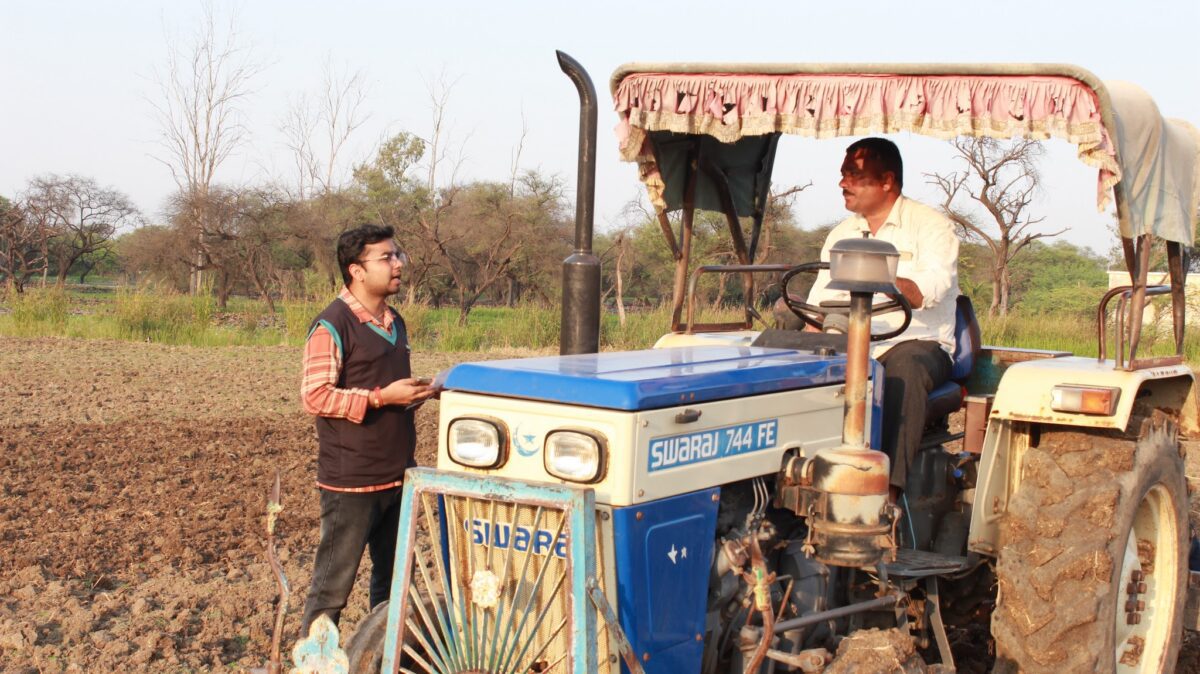
 About Anaxee