Tractor Lead Generation in India: From Verified Field Leads to Dealer Conversion

Nobody buys a tractor off a Facebook ad. For big-ticket rural products, the leads that convert are real farmers a runner has met face to face. Here is how Anaxee generates verified field leads with captured intent — and runs the full funnel to the dealer, across 540 districts.

Quick answer: For big-ticket rural products like tractors, the leads that convert are not form-fills — they are real farmers a runner has met face to face. Anaxee generates verified field leads, captures each farmer’s buying intent, maps where demand is, and runs the full funnel to the dealer: village demos, tele-calling and CRM-tracked follow-up, across 540 districts.
AnaxeeAbout Anaxee

40,000+ Digital Runners · 540 districts · 26 states · 11,000+ pincodes of reach

★ Winner, National Startup Award (Govt. of India)Trusted by 350+ brands — incl. Mahindra & ITCIndia’s Reach Engine since 2016

A tractor is one of the biggest purchases a farming family will ever make. Nobody buys one off a Facebook ad. Yet most “rural lead generation” for high-value products still means buying digital form-fills — cheap leads, poorly verified, with no real signal of whether the person is anywhere near a purchase.

The result is a dealer sales team chasing numbers that go nowhere. The fix is not more leads; it is verified leads — real owners, met in person, with their buying intent captured — and a funnel that actually carries them to the dealer.

One tractor-lead program
96,197 owners met → 33,283 verified leads
One verified lead for roughly every four tractor owners met, face to face
96,197 owners met, 33,283 verified leads~1 in 4 → verified lead
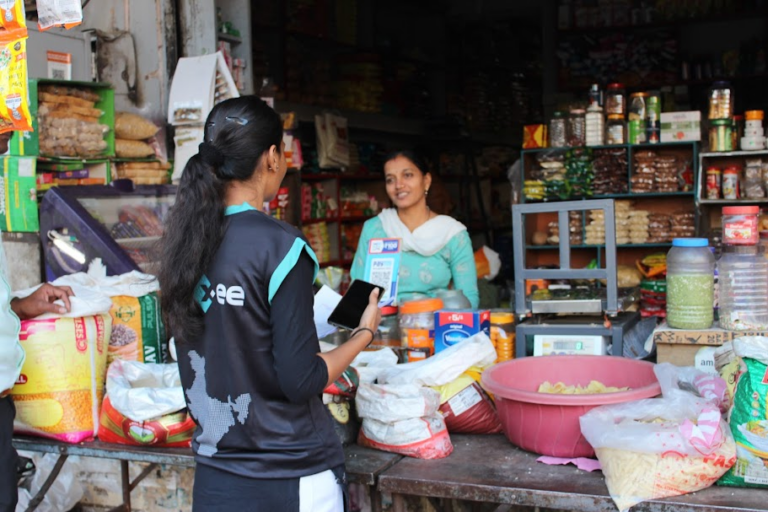
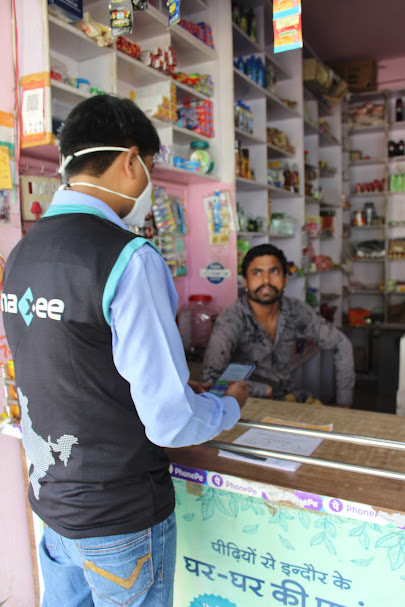
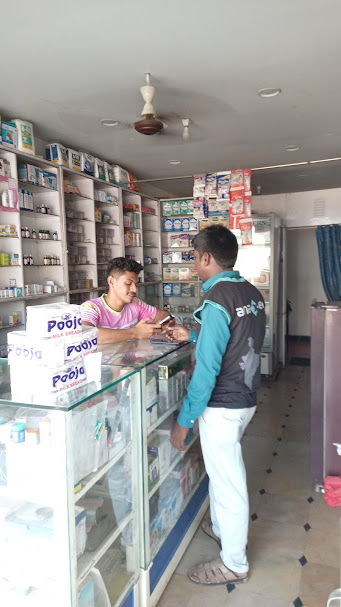
Across 12 states, 370 districts and 10,000+ villages, runners met owners one on one and captured which tractor they own, its age and their intent — the signals a form-fill never gives you.
Source: Anaxee field program data (anonymized tractor brand).

Why digital-only lead gen fails for big-ticket rural products

  • Form-fills aren’t buyers. A click on an ad tells you nothing about whether the farmer owns land, owns a tractor already, or is ready to buy.
  • No verification. Wrong numbers, duplicate entries and “just curious” clicks clog the dealer’s pipeline and burn the sales team’s time.
  • No intent signal. You cannot tell a hot lead from a cold one, so marketing spend sprays across geographies that will never buy.
  • No last-mile follow-through. The lead sits in a sheet. Nobody invites the farmer to a demo, arranges a test drive, or follows up until the sale is made.

How Anaxee generates verified leads

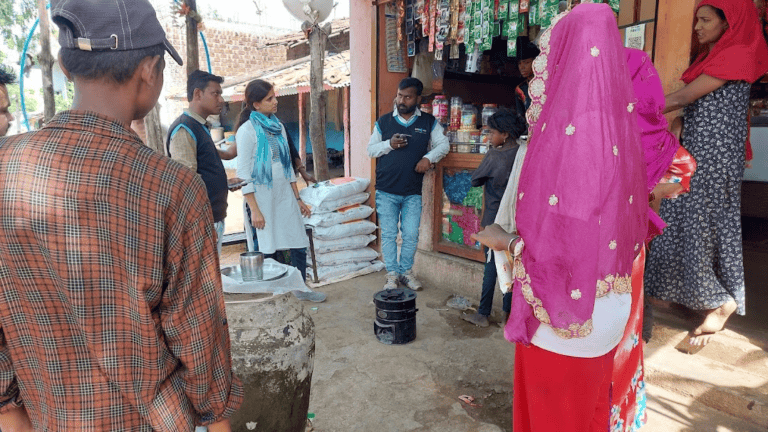
  • Met face to face. A local runner meets owners one on one — in the field, at the mandi, at home — where real conversations happen.
  • Intent captured. Which brand they own, how old the tractor is, which brands they’re considering — the signals that separate a buyer from a browser.
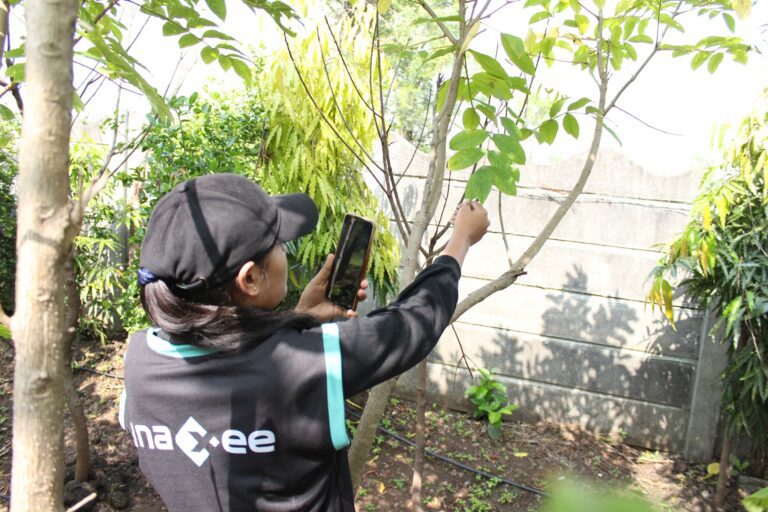
  • Geo-tagged and real. Every lead is a verified person in a real village, located on a map, not a number on a spreadsheet.
  • Scored for conversion. Existing owners, and those whose tractor is many years old, carry higher buy intent — so the dealer works the hottest leads first.

From verified leads to a marketing map

Because every lead is located and tagged, the data becomes a map of where demand actually is — down to the tehsil and village. That turns a scattershot media plan into a surgical one: concentrate out-of-home, van campaigns, radio and village activity where the leads cluster, and run low-cost, targeted digital against the exact mobile numbers you have verified. Spend goes where the buyers are, not where they aren’t.

A form-fill is not a buyer

The difference between a lead and a sale is intent plus follow-through. Knowing that a farmer already owns a 10-year-old tractor tells you far more than any ad click — and inviting that farmer to a live village demo, then following up every few days, is what actually closes the deal.

That is the gap Anaxee fills: not just generating leads, but carrying them all the way to the dealer’s desk.

AnaxeeNeed verified rural leads that actually convert?

Anaxee runs the full funnel — field leads, demos, tele-calling and dealer follow-up — across 540 districts. See our go-to-market services.

Book a meeting

From lead to sale: demos, tele-calling and dealer tracking

A verified lead is only the start. Anaxee can run the conversion engine end to end: organise live tractor demos in the villages with the most leads, with runners inviting farmers and collecting feedback afterwards; run a tele-calling desk that works hot and warm leads, arranges quotations from the nearest dealer and books test drives; and operate a back office that tracks every lead’s status through the dealer and sales-executive chain, so no verified buyer slips through the cracks. Dealer field staff work the leads through a simple task-based app, and you see real-time status across the country.

Where technology and AI come in

All of it runs on Anaxee’s platform. Field captures — text, photo and location — land in one dashboard you can filter and map; leads flow into your CRM through an API, so your team works them where they already work; and the task-based app assigns the next action by the farmer’s stage in the buying journey. AI assists on the data side — validating field entries, flagging duplicates or suspect leads, and helping score intent — so the pipeline your dealers see is clean.

Who it’s for

Any brand selling a considered, high-value product into rural and semi-urban India: tractors and farm machinery, agri-inputs, two-wheelers and small commercial vehicles, solar and pump systems, and consumer durables. Wherever the buyer needs to be met, convinced and followed up — not just clicked — verified field lead generation beats digital-only every time.

How Anaxee helps

Anaxee — India’s Reach Engine, a National Startup Award winner — runs verified rural lead generation and conversion – part of Anaxee’s full agri-tech field services – through 40,000+ Digital Runners across 540 districts and 11,000+ pincodes, every lead geo-tagged and tracked on a live dashboard and into your CRM. It pairs with hyperlocal Prabhavak amplification for awareness and the wider go-to-market playbook. See the Bharat opportunity.

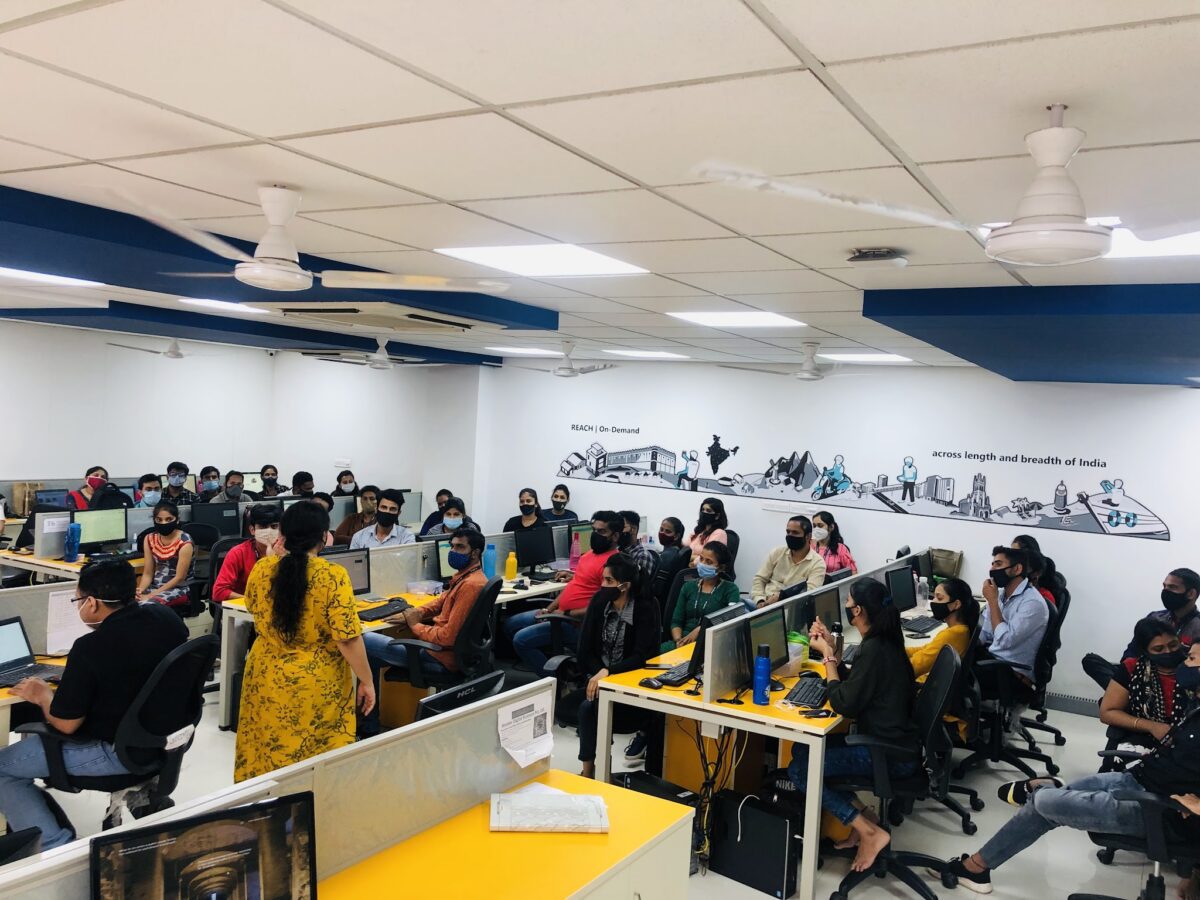
Anaxee team at work in the Indore office

AnaxeeWhat happens when you reach out to Anaxee

  1. Tell us the product and the geography — what you sell, where, and what a qualified lead looks like — by form, WhatsApp or a call.
  2. A real person calls back — our Indore team, within one working day.
  3. We scope a pilot — one district of verified leads with intent, delivered into your CRM and a dashboard you can open yourself.

A 150+ person team in Indore and 40,000+ Digital Runners on the ground — leads you can trust, carried to the dealer.

Tell us about your product

Share what you sell and the geography you want to reach — our team will get back within one working day.

    Frequently asked questions

    What makes a field lead better than a digital lead?
    A runner has physically met the person, confirmed they are real, and captured their buying intent — which product they own, how old it is, what they’re considering. That is a far stronger signal than an ad click, and it means the dealer’s sales team works real prospects instead of junk.
    Do you only generate leads, or help convert them too?
    Both. Beyond verified leads, Anaxee can run village demos, a tele-calling desk, test-drive and quotation support, and a back office that tracks each lead through the dealer and sales-executive chain — the full funnel to the sale.
    Will the leads flow into our CRM?
    Yes. Field data lands on a dashboard and flows into your CRM via API, and dealer field staff work the leads through a task-based app, so you get real-time status across every geography.
    Is this only for tractors?
    No. The same model works for any considered, high-value rural purchase — farm machinery, agri-inputs, two-wheelers and small commercial vehicles, solar and pumps, and consumer durables.
    How do you make sure the leads are genuine?
    Every lead is a geo-tagged, face-to-face capture, with the runner’s legitimacy validated and the data checked — AI flags duplicates and suspect entries — so the pipeline your dealers receive is clean.
    How fast can you run one, and what does it cost?
    From a single district to many states across the 540-district network. Cost depends on the geography, lead definition and how much of the conversion funnel you want us to run — book a short call for a number.

    The bottom line

    For a tractor — or any big-ticket rural product — the buyer is a real person who has to be met, convinced and followed up. Digital-only lead generation skips all three and hands dealers a pipeline of noise. Anaxee generates verified field leads, maps where demand really is, and runs the funnel to the dealer’s desk — so marketing spend lands on buyers and sales teams work leads that close.

    AnaxeeTalk to Anaxee — whichever way is easiest
    Book a meetingCallEmail

    Rural Influencer Marketing in Bharat: The Prabhavak Model for Hyperlocal Word-of-Mouth

    In Bharat, the message that moves buying decisions is the one a trusted local forwards in the family WhatsApp group — not the sponsored ad. Here is how Anaxee’s Prabhavak model turns 40,000+ vetted local runners into measurable, taluka-level word-of-mouth that ads cannot buy.

    Quick answer: Rural influencer marketing in Bharat is not about celebrities — it is about the trusted local person whose WhatsApp and village networks actually move buying decisions. Anaxee’s Prabhavak model turns 40,000+ vetted Digital Runners into hyperlocal amplifiers who share your content inside their own community groups, down to a single taluka — reach that ads cannot buy and ad-blockers cannot stop.
    AnaxeeAbout Anaxee

    40,000+ Digital Runners · 540 districts · 26 states · 11,000+ pincodes of reach

    ★ Winner, National Startup Award (Govt. of India)Trusted by 350+ brands — incl. Mahindra & ITCIndia’s Reach Engine since 2016

    In small-town and rural India, the message that gets acted on is rarely the sponsored ad. It is the link a cousin forwards in the family WhatsApp group, the recommendation a neighbour drops in the village group, the status a local friend posts. That is where trust lives, and where actual buying decisions are made — a space marketers call dark social, because it never shows up in a standard analytics dashboard.

    The problem for brands is that this space cannot be bought with a media plan. You cannot run an ad inside someone’s family group. You need a trusted member of that community to carry your message in. That is exactly what a Prabhavak — Hindi for “one who influences” — does.

    Why reach keeps getting harder

    • Algorithm throttle. On Meta and Google you now pay, again and again, just to reach the followers you already earned. Organic reach keeps shrinking.
    • Renting, not owning. Pay a macro-influencer and you rent their audience for a day. They keep the followers and the equity; you keep the invoice.
    • Blind targeting. Broad geo-targeting sprays spend across people who will never walk into your store — impressions in the wrong talukas entirely.
    • Ad-blindness. People in Bharat have learned to scroll past the “Sponsored” label. A forward from someone they know gets read.
    The multiplier math of trusted networks
    1 × 10 × 250
    One Prabhavak, ~10 WhatsApp groups, ~250 members each → thousands of hyperlocal, trusted impressions
    Multiplier math: one runner, ten groups, hundreds of membersTrusted, peer-to-peer reach per runner
    Illustrative model math — actual reach and conversion vary by campaign, geography and content. The point stands: a forward from a trusted local bypasses ad-blindness in a way paid impressions cannot.

    What a Prabhavak actually is

    A Prabhavak is a vetted, tech-savvy Anaxee Digital Runner who lives in the community you want to reach. They are not random gig workers — they are locals, deeply embedded, with a highly engaged personal footprint: the family WhatsApp group, the local farmer or FPO group, the religious community group, college-friend circles, their own Instagram followers. Unlock that network across 40,000+ runners and you get a localized, peer-to-peer amplification engine — one that reaches into the trusted, private channels where real decisions get made.

    How the Prabhavak engine works

    You feed the engine the content you already have — a video, an offer, a link. The platform force-multiplies the distribution, strictly to the geographies you choose.

    You keep the digital equity

    Here is the part most brands miss. Because every Prabhavak shares your original link — your video, your page — the views, likes and subscribers land on your channel, not an influencer’s. Your page gets the algorithm boost. You pay for the distribution once and keep the audience permanently.

    That is the opposite of the traditional influencer deal, where you get a temporary spike and they keep the following.

    How it compares

    Meta / Google ads Macro-influencers The Prabhavak engine
    Trust level Low — sponsored, scrolled past Medium — clearly paid High — authentic peer-to-peer word of mouth
    Geographic precision Broad, often inaccurate National, scattered Surgical — down to the taluka or panchayat
    Digital equity You rent the click Influencer keeps the followers Your channel keeps the views and subscribers
    Ad-blocker vulnerability High Medium Near zero — native chat and status content

    AnaxeeWant to own the conversation in a district — not rent a click?

    Anaxee activates hyperlocal Prabhavaks across 540 districts, every share routed to the right taluka and tracked on a dashboard. Explore the Prabhavak engine.

    Book a meeting

    Where hyperlocal amplification works best

    • Retail & physical footfall. Drive weekend walk-ins to taluka-level stores and regional supermarkets with local offers shared just before the weekend.
    • FMCG & agri-tech launches. Surgical, taluka-level awareness for seeds, fertilizers, farm inputs or fast-moving consumer goods, aimed straight at the end user.
    • Entertainment & OTT. Instant grassroots buzz for local events, exhibitions, and regional film or series releases.
    • Public-health & awareness. High-trust, rapid distribution of health and awareness messaging to exactly the communities that need it.

    Where technology and AI come in

    The “hyperlocal” part is only possible because of the platform underneath it. Content is ingested and routed to runners in the exact talukas you specify; sharing tasks are dispatched, tracked and attributed, so you can see clicks and conversions by geography rather than guessing. AI helps match content to the right runner profiles and flags low-quality or off-target activity, and the live dashboard shows reach building district by district as the campaign runs — turning word-of-mouth, for the first time, into something measurable.

    How Anaxee helps

    Anaxee — India’s Reach Engine, a National Startup Award winner — runs hyperlocal Prabhavak amplification — see how Prabhavak works and sarpanch-led campaigns — through 40,000+ Digital Runners across 540 districts and 11,000+ pincodes, every share routed to the right taluka and tracked on a live dashboard. It pairs naturally with on-ground go-to-market work. See the wider Bharat opportunity and the go-to-market playbook.

    AnaxeeProof — hyperlocal amplification at scale

    A public-health program reached half a million citizens through 300+ Prabhavaks and 1,600+ community groups; a retail brand used geo-fenced runners to lift weekend footfall at taluka stores over a 3-month campaign. See all case studies →

    Anaxee team at work in the Indore office

    AnaxeeWhat happens when you reach out to Anaxee

    1. Tell us the content and the geography — the link you want amplified and the talukas or districts that matter — by form, WhatsApp or a call.
    2. A real person calls back — our Indore team, within one working day.
    3. We scope a pilot — one district of Prabhavak amplification, with reach and clicks reported on a dashboard you can open yourself.

    A 150+ person team in Indore and 40,000+ Digital Runners embedded in their own communities — trusted voices, not rented audiences.

    Tell us about your campaign

    Share the content and the geography you want to reach — our team will get back within one working day.

      Frequently asked questions

      What is rural influencer marketing, really?
      Not celebrities. It is activating the trusted local person — the one whose WhatsApp groups, community circles and neighbourhood standing actually shape what people in that area buy. Anaxee calls them Prabhavaks: vetted local Digital Runners who carry your message into their own trusted networks.
      How is a Prabhavak different from a normal influencer?
      A macro-influencer rents you their audience for a post and keeps the followers. A Prabhavak shares your original link, so the views and subscribers land on your channel — and the reach is surgical, down to a specific taluka or panchayat, instead of a scattered national audience.
      Is this just WhatsApp forwarding?
      No. It is a routed, tracked system: content is pushed only to runners in the geographies you choose, shares and clicks are attributed, and results show on a dashboard. The channel is native chat and status content, but the targeting and measurement are run from a platform.
      Can you prove it works?
      A public-health program (Arogya World mDiabetes) reached 5,00,000+ citizens through 300+ Prabhavaks across 1,600+ community groups; a retail brand used geo-fenced runners to lift weekend footfall at taluka-level stores over a 3-month campaign. Reach and conversion vary by campaign — we scope a measured pilot first.
      Where does it work best?
      Driving retail footfall, launching FMCG and agri products at the taluka level, buzz for regional entertainment and OTT, and public-health or awareness messaging — anywhere trust and hyperlocal precision matter more than raw national impressions.
      How fast can you run one, and what does it cost?
      From a single district to many states across the 540-district network. Cost depends on geography, the number of runners and the depth of the campaign — book a short call for a number.

      The bottom line

      In Bharat, trust travels through people, not ad slots. The brands winning in Tier 2, 3 and 4 markets are the ones who stop renting attention and start activating the trusted local networks where decisions actually happen. That is the Prabhavak model: your content, carried by a real neighbour, into the groups ads can never enter — and, for the first time, measured.

      AnaxeeTalk to Anaxee — whichever way is easiest
      Book a meetingCallEmail

      App Install Marketing in Bharat: Get Real Downloads Where Ads Don’t Reach

      Buy a million app installs and most will be bots or vanish by evening. Here is how to get real, verified app users in Bharat — installed and activated in person by field runners across 540 districts, every install geo-tagged and tracked on a dashboard.

      Quick answer: App-install marketing is getting your app actually downloaded — and used — by the right people in Bharat, where digital ads are expensive and miss the offline-first user. Anaxee’s runners go shop to shop and door to door, explain the app in the local language, get it installed and the first action done, and verify the install is real — across 540 districts, on a live dashboard.
      AnaxeeAbout Anaxee

      40,000+ Digital Runners · 540 districts · 26 states · 11,000+ pincodes of reach

      ★ Winner, National Startup Award (Govt. of India)Trusted by 350+ brands — incl. Mahindra & ITCIndia’s Reach Engine since 2016

      You can buy a million app installs online tomorrow. Most of them will be the wrong users, some will be bots, and a good share will uninstall by evening. In the metros, performance ads mostly work. In Bharat — Tier 2, 3 and 4 towns and villages — the user you actually want is offline-first, cautious about a new app, often not comfortable in English, and simply not reachable by a social-media ad.

      Getting a real install there takes a person: someone who turns up, explains the app in the user’s own language, and stays until it is installed and doing something useful. That is app-install marketing done on the ground.

      Done on the ground
      1,00,000 users onboarded
      for a single platform — in person, door to door across 800 villages
      1,00,000 users onboarded door to doorUsers onboarded in person
      Real farmers reached and onboarded onto an FPO platform — not ad-network numbers that vanish on inspection.
      Source: Anaxee Samunnati case study (1,00,000 farmers, 800 villages).

      Why digital ads miss Bharat

      • Offline-first users. The person you want is on a phone, but not living in the feed — an ad impression often never lands.
      • A trust gap. People in small towns rarely install an unknown app from an ad. They install when someone they can see explains why it helps.
      • Language and comfort. An English onboarding flow loses the user at the first screen. In-person, in-language onboarding does not.
      • Junk installs. Cheap install campaigns are full of bots and incentivised downloads that never open the app again — you pay for a number, not a user.

      What Anaxee does differently

      • Find the right user. Target by geography, trade or profile — the shops, farmers or households your app is actually for, mapped on a dashboard.
      • Explain it in person, in language. A runner who speaks the local language shows the app, answers doubts, and builds the trust an ad cannot.
      • Install plus first action. Not just a download — the app installed, the account created, and the first real action done, so the user is actually activated.
      • Verify it’s real. Each install is geo-tagged and QA-checked — a genuine user in a real place, not a bot farm on a spreadsheet.
      A download is not a user

      The metric that matters is not installs — it is activated users: someone who opened the app, did the first thing, and has a reason to come back. An ad buys the download; a person in the field earns the user.

      That is why on-ground app marketing, done right, beats a cheap install campaign that looks great in a dashboard and does nothing for your business.

      AnaxeeNeed real app users in Bharat — not junk installs?

      Anaxee drives genuine, verified installs and activations across 540 districts, tracked on a dashboard you can open yourself. See our go-to-market services.

      Book a meeting

      Who it’s for

      Any platform that needs real users in Bharat and cannot get them from ads alone: B2B marketplaces onboarding retailers and kiranas, agri-tech and rural fintech apps reaching farmers, D2C and services apps expanding into smaller towns, and any product whose next million users are offline-first. Anaxee has driven exactly this — from onboarding farmers onto an FPO platform to door-to-door app marketing for a B2B commerce major.

      Where technology and AI change it

      The targeting, the proof and the tracking all run on Anaxee’s platform. Runners work a planned beat, and each install is captured with GPS and a photo so you can see it was a real person in a real place. AI assists on the verification — reading and validating the capture and flagging anything that looks like a fake or duplicate install — while the live dashboard lets you watch activations climb by district as the campaign runs.

      How Anaxee helps

      Anaxee — India’s Reach Engine, a National Startup Award winner — runs on-ground app marketing and user onboarding through 40,000+ Digital Runners across 540 districts and 11,000+ pincodes, every install verified and tracked on a live dashboard. See the go-to-market playbook, how to reach rural retailers, and the wider Bharat opportunity.

      AnaxeeProof — app marketing & onboarding at scale

      Real users onboarded in person across Bharat, every install geo-tagged and verified. See all case studies →

      Anaxee team at work in the Indore office

      AnaxeeWhat happens when you reach out to Anaxee

      1. Tell us the app and the user — who you want, where, and what counts as an activation — by form, WhatsApp or a call.
      2. A real person calls back — our Indore team, within one working day.
      3. We scope a pilot — one district of real, verified installs and activations, delivered on a dashboard you can open yourself.

      A 150+ person team in Indore and 40,000+ Digital Runners on the ground — real people earn real users, not an ad network that inflates a number.

      Tell us about your app

      Share the app and the audience — our team will get back within one working day.

        Frequently asked questions

        What is app-install marketing?
        Driving real downloads and first use of an app among a target audience. Done on the ground, it means a field team reaches the right users in person, helps them install the app and complete the first action, and verifies each install is genuine.
        Why not just run install ads?
        Ads work well in metros, but in smaller towns and villages the user is often offline-first, cautious about a new app and not reachable by the feed — and cheap install campaigns are riddled with bots. On-ground marketing reaches the real user and earns a real install.
        How do you prove the installs are real?
        Every install is geo-tagged and time-stamped, often with a photo, the runner’s legitimacy is validated, and a sample is back-checked — so you can see a genuine user in a real place rather than a number from an ad network.
        Can you get users to actually use the app, not just install it?
        Yes — that is the point. The runner stays until the account is created and the first real action is done, so you are paying for activated users, not downloads that never open again.
        Who is this for?
        B2B marketplaces, agri-tech and rural fintech, D2C and services apps — any platform whose next users are in Bharat and hard to reach with ads alone.
        How large and how fast can you go, and what does it cost?
        From a single district to many states across the 540-district network. Cost depends on the target, the depth of onboarding and what counts as an activation — book a short call for a number.

        The bottom line

        Installs are easy to buy and easy to fake. Real users in Bharat are neither — they are earned, one in-person conversation at a time, in a language the user trusts. Anaxee turns an app into something people in small-town and rural India actually install and use, with every install verified and tracked on a dashboard. That is the difference between a number that looks good and a user base that grows.

        AnaxeeTalk to Anaxee — whichever way is easiest
        Book a meetingCallEmail

        CSR Project Verification in India: Prove the Money Reached the Ground

        CSR project verification is independent, geo-tagged proof that a funded programme actually happened — deliveries, assets, beneficiaries, usage. How Anaxee verifies CSR and relief work across India.

        Quick answer: CSR project verification is independent, on-the-ground proof that the money did what it was meant to — the kits were delivered, the equipment exists and works, the beneficiaries are real, the programme is on track. Anaxee verifies it phygitally: a runner physically checks, captures GPS-tagged photos and a questionnaire, and it lands on a live dashboard a CSR team or funder can open from anywhere.
        AnaxeeAbout Anaxee

        40,000+ Digital Runners · 540 districts · 26 states · 11,000+ pincodes of reach

        ★ Winner, National Startup Award (Govt. of India)Trusted by 350+ brands — incl. Mahindra & ITCIndia’s Reach Engine since 2016
        Series: who does what in CSR and social projects1. Implementation, verification and impact assessment: the difference
        2. Implementation: getting the work done on the ground
        3. Verification: checking the work was done (this page)
        4. Impact assessment: measuring what changed

        You funded the programme. The implementing partner says it went well. But a board, a donor, or a global HQ wants more than a feel-good report — they want proof. Were the 10,000 kits actually delivered, and used? Do the oxygen concentrators still exist and still work, and where are they? Did the plantation survive the summer?

        For a CSR team or a foundation, the distance between “we were told it went well” and “we verified it on the ground” is exactly where credibility lives — and where an independent check earns its keep.

        Verification Anaxee has already done
        2,500+ assets · 160,000+ people
        medical equipment, relief kits and beneficiaries — physically checked and geo-tagged on the ground
        2,500+ assets, 160,000+ beneficiaries verifiedAssets & beneficiaries verified on the ground
        Not a sampling exercise on paper — real assets located, real beneficiaries met, with photos and GPS to prove it.

        What CSR verification actually checks

        • Delivery. Did the kit, the stove, the equipment actually reach the intended beneficiary — not just leave a warehouse?
        • Assets. Do the funded assets — oxygen concentrators, cylinders, water units, solar pumps, plantations — exist, work, and sit where they should, mapped to a GPS point.
        • Beneficiaries. Are they real, reachable people — confirmed by a face-to-face interview, not a name on a list?
        • Usage. Beyond delivery — is the thing actually being used the way the programme intended?
        • Progress over time. Periodic re-checks through the life of the programme, not a single snapshot at the end.

        Why a report is not proof

        Almost everything a funder learns about a programme comes from the people running it — and their report naturally shows the best of it. There is rarely any independent eye on the ground, so a board or a donor in another city, or another country, is asked to take delivery, usage and impact on trust. That is the gap where credibility leaks and, occasionally, where money is lost to a delivery that never happened. An independent, geo-tagged check closes it: a neutral party physically goes, sees, and brings back dated proof.

        For funders and foundations — including from abroad

        A donor in another country cannot fly to a village in rural India to check a relief camp or an oxygen plant. But they can open a dashboard and see it — dated photos, GPS, a verified beneficiary — through an independent party on the ground.

        That is how transparency becomes trust: the programme stops asking to be believed and starts letting itself be checked.

        AnaxeeNeed independent proof your CSR programme worked?

        Anaxee verifies delivery, assets and beneficiaries on the ground across 540 districts, delivered on a dashboard you can open yourself. See our field verification services.

        Book a meeting

        How Anaxee runs it

        Anaxee was built to reach exactly the places CSR programmes run — rural and small-town India — so there is already a runner near almost every beneficiary. Each verification is phygital: a real person physically visits, confirms the beneficiary or the asset, and captures it as GPS-tagged, time-stamped photos with a structured questionnaire. A layer of back-checks and QA re-verifies a sample so the proof holds up to an auditor, and everything lands on a live dashboard — with maps, images and data in one place — that your CSR team, your board or a foundation abroad can open any time. It has been used for relief-kit delivery, medical-equipment tracking, plantation survival and programme monitoring alike.

        Where technology and AI change it

        GPS and photo stamps turn a claim into evidence — the asset, the location, the date, all captured. AI assists the load: reading and validating the field photos, cleaning the data, and flagging anomalies for the QA team. And because the dashboard is live, a programme is monitored as it runs, so a problem is caught and fixed mid-course instead of discovered in a post-mortem.

        How Anaxee helps

        Anaxee — India’s Reach Engine, a National Startup Award winner — runs independent, geo-tagged field verification and data collection – the ground layer behind a credible CSR impact assessment – through 40,000+ Digital Runners across 540 districts and 11,000+ pincodes, delivered on live dashboards. See Project Swaraksha, how we run baseline & endline impact surveys, and why the quality lives in the back office, not the app.

        Anaxee team at work in the Indore office

        AnaxeeWhat happens when you reach out to Anaxee

        1. Tell us the programme — what was funded, where, and what you need to prove — by form, WhatsApp or a call.
        2. A real person calls back — our Indore team, within one working day.
        3. We scope a pilot — a sample of beneficiaries or assets verified in one district, delivered as a dashboard you can open yourself.

        A 150+ person team in Indore and 40,000+ Digital Runners on the ground — a real, independent network verifies your programme, not an inbox that goes quiet.

        Tell us about your programme

        Share what was funded and where — our team will get back within one working day.

          Where Anaxee fits. Verification is a check that the work was executed. It is not an impact assessment, which Anaxee does not do. Anaxee’s main work is implementing CSR and social projects on the ground, end to end, with 40,000+ trained local field executives across 540 districts. It never verifies a project it implemented.

          How we implement CSR projectsImplementation vs verification vs impact assessment

          Frequently asked questions

          What is CSR project verification?
          Independent, on-the-ground confirmation that a funded programme actually happened as intended — that deliveries reached beneficiaries, assets exist and work, people are real, and usage is real. The output is geo-tagged, dated evidence rather than a self-reported summary.
          What can you verify?
          Delivery of kits and goods, physical assets like medical equipment, water and solar units and plantations, beneficiary identity through interviews, usage, and programme progress over time — anywhere a funded output sits on the ground.
          Do you work for foundations and overseas donors?
          Yes. A funder anywhere — including a foundation abroad — can commission independent verification and then inspect the evidence on a dashboard, rather than relying only on the implementing partner’s report or travelling to check in person.
          How is this different from an impact survey?
          An impact survey measures whether outcomes changed (see baseline & endline). Verification confirms the outputs are real — that the money produced what it was supposed to. Many programmes need both.
          How do you stop the verification itself from being faked?
          Every record carries GPS, time and photo stamps, the runner’s legitimacy is validated, and a sample is independently back-checked — the same quality framework we apply to all field data, so the proof holds up to an auditor.
          How large and how fast can you go, and what does it cost?
          From a single district to many states, with the field network spanning 540 districts. Timelines and cost depend on the number of beneficiaries or assets and the depth of the check — book a short call for a number.

          The bottom line

          CSR budgets are under more scrutiny every year, and “trust us, it went well” no longer satisfies a board or a donor. The answer is not a thicker report — it is an independent set of eyes on the ground, with photos, GPS and a date attached. That is what turns a funded programme into a verified one, and it is exactly what Anaxee’s field network was built to deliver, right down to the last beneficiary.

          AnaxeeTalk to Anaxee — whichever way is easiest

          Book a meetingCallEmail

          The Bharat Opportunity: Why India’s Next 500 Million Customers Aren’t in the Metros

          India’s next phase of growth is in Tier 2, 3 and 4 towns and rural India — bigger, faster-growing, and now online. Why Bharat is the opportunity, why it’s hard to reach, and how Anaxee bridges the gap.

          Quick answer: India’s next phase of growth is not in the metros — it is in Tier 2, 3 and 4 towns and rural India, where most Indians live, where demand is now growing faster than in the cities, and where hundreds of millions are coming online. The catch: this “Bharat” is spread across hundreds of thousands of villages and small towns — hard to reach, and harder still to trust data from. Anaxee is the reach engine built for exactly this.
          AnaxeeAbout Anaxee

          40,000+ Digital Runners · 540 districts · 26 states · 11,000+ pincodes of reach

          ★ Winner, National Startup Award (Govt. of India)Trusted by 350+ brands — incl. Mahindra & ITCIndia’s Reach Engine since 2016

          For a decade, brands, platforms and funders optimised for the metros — the eight or ten cities where the money, the data and the delivery pin-codes were easy. That was the right call for its time. It is now the smaller half of the story.

          The centre of gravity has moved. Roughly two in three Indians still live outside the big cities, demand in those towns and villages is now growing faster than in urban India, and the people there are coming online in huge numbers. This is “Bharat” — Tier 2, 3 and 4 towns and rural India — and it is where the next several hundred million customers will come from.

          Bharat is already online
          950 million+
          internet users in India — and rural India is leading the growth
          950 million+ internet users, rural-led growthInternet users · rural-led
          The aspiration for branded products is no longer an urban story. It is arriving in every district — the question is who reaches it first.
          Source: IAMAI–Kantar, Internet in India 2025.

          Why Bharat is the opportunity now

          • That is where the people are. Most of India lives in its small towns and villages, not its metros — the largest consumer base in the world outside the cities.
          • Demand is growing faster than in the cities. Rural India has been outpacing urban on consumption growth — it fuelled much of the country’s recent FMCG growth, not the metros.
          • It is coming online fast. Internet growth is now led by rural users — the same aspiration, the same brands, reaching every district.
          • It still buys offline. The vast majority of commerce in Bharat happens in physical shops, through conventional trade — which is both the opportunity and the hard part.

          Why Bharat is hard to reach — and most brands under-serve it

          If the opportunity is so clear, why is so much of it untapped? Because reaching Bharat is genuinely hard. It is fragmented across hundreds of thousands of villages and small towns, not concentrated in a few postcodes. It speaks dozens of languages. It has little of the last-mile infrastructure the metros take for granted. And there is a trust-and-data gap: a head office in Mumbai or Bengaluru simply cannot see what is happening at a shop counter in a Tier-4 town, so most brands rely on a distributor’s word and a thin, city-biased plan.

          So the demand sits there, growing, while most companies reach only the easy edge of it. The winners will be the ones who close the gap between the boardroom and the ground.

          The reach gap

          You cannot win Bharat from a head office, and you cannot afford to build your own field army in every district. That is the gap: the demand is on the ground, but the cost and complexity of getting there has kept most brands at the edge.

          Closing it needs two things at once — boots on the ground in every district, and the technology to run them at scale and see what they see, live.

          AnaxeeWant to reach Bharat — not just the metros?

          Anaxee is India’s Reach Engine: feet-on-street plus tech across 540 districts. See our go-to-market services.

          Book a meeting

          How Anaxee bridges the gap

          Anaxee was built as India’s Reach Engine — an on-demand network of 40,000+ Digital Runners, a son or daughter of the soil in town after town, paired with a tech platform and a 150+ person back office. You tap it like a utility: no fixed field army, pay for the task, and reach into 540 districts and 11,000+ pincodes. A brand uses it to go to market and sell; a funder or a programme uses it to collect data and verify what is happening on the ground; and everyone gets it back, live, on a dashboard instead of a rumour.

          Where technology and AI change it

          Reach alone is not new; reach you can see and trust is. Every runner works on an app, capturing each visit with GPS and photos; it lands on a live dashboard the client can filter and inspect; and AI assists the heavy lifting — reading and validating field photos, cleaning data, flagging anomalies — while the back office keeps it honest. That is what turns a scattered country into a market you can actually operate in, rather than guess at.

          How Anaxee helps

          Anaxee — India’s Reach Engine, a National Startup Award winner — reaches Bharat for brands, platforms and programmes through 40,000+ Digital Runners across 540 districts and 11,000+ pincodes, for consumer, durable and agri brands and beyond. See the go-to-market playbook, how to reach rural retailers, and our work in rural market research.

          Anaxee team at work in the Indore office

          AnaxeeWhat happens when you reach out to Anaxee

          1. Tell us the goal — the market, the geography and what you need to do or know in Bharat — by form, WhatsApp or a call.
          2. A real person calls back — our Indore team, within one working day.
          3. We scope a pilot — one district reached and captured, delivered as a dashboard you can open yourself.

          A 150+ person team in Indore and 40,000+ Digital Runners on the ground — a real network acts in Bharat, not an inbox that goes quiet.

          Tell us what you want to do in Bharat

          Share the goal and the geography — our team will get back within one working day.

            Frequently asked questions

            What is “Bharat” / Tier 2, 3 and 4 India?
            A shorthand for the India beyond the big metros — the smaller towns and rural areas where most of the population lives. It is the largest and fastest-growing part of the consumer market, and the hardest to reach.
            Why is Bharat the opportunity now?
            Three things lined up: most Indians live there, demand is growing faster than in the cities, and hundreds of millions have come online — with rural users now leading internet growth. The aspiration for branded products is arriving everywhere, not just the metros.
            Why is it so hard to reach?
            It is fragmented across hundreds of thousands of villages and small towns, speaks many languages, and lacks metro-grade last-mile infrastructure — and a head office cannot see or verify what happens at a distant shop counter. So most brands serve only the easy edge of it.
            Can a brand reach Bharat without building its own field team?
            Yes — that is the model. Anaxee is a shared, on-demand field network, so you reach every district without the fixed cost and attrition of your own feet-on-street, and you pay for the task rather than the headcount.
            Is this only for consumer brands?
            No. The same reach serves go-to-market and distribution, large-scale surveys and market research, agri and climate programmes, and CSR and impact work — anyone who needs to act on the ground across Bharat.

            The bottom line

            The easy half of India has been served. The bigger, faster-growing half — Bharat — is still mostly out of reach for the companies that need it most, not because the demand is not there, but because reaching it is hard. Close that gap and you are not chasing the next market; you are already in it. That is the whole reason Anaxee exists: boots on the ground in every district, the tech to run them at scale, and data you can actually trust.

            AnaxeeTalk to Anaxee — whichever way is easiest
            Book a meetingCallEmail

            The Go-To-Market Playbook for Bharat: Map, Profile, Sell

            Growing brand sales across Bharat is a 3-phase playbook: map every shop, profile each retailer, take orders. How Anaxee brings the FMCG distribution playbook to non-FMCG brands — without hiring your own feet-on-street.

            Quick answer: Growing a brand’s sales across Bharat is not about hiring more salespeople — it is a three-phase playbook: map every target shop, profile each retailer, then take orders and build a regular beat. Anaxee runs all three on the ground across India, data-backed on a dashboard — so you reach every corner of your market without hiring your own feet-on-street.
            AnaxeeAbout Anaxee

            40,000+ Digital Runners · 540 districts · 26 states · 11,000+ pincodes of reach

            ★ Winner, National Startup Award (Govt. of India)Trusted by 350+ brands — incl. Mahindra & ITCIndia’s Reach Engine since 2016

            The best FMCG companies cracked distribution decades ago. They do not just sell to a distributor and hope — they map every outlet in a district, push the brand at each one, measure the district’s full potential, and expand to the next town. That machinery is why a sachet of shampoo reaches a village shop a hundred kilometres from anywhere.

            Most non-FMCG brands — electronics, appliances, automotive, footwear, cookware — never built that machinery. They rely on a distributor’s favourite shops and a thin sales team, and they fly blind on everything else. That is the gap. Anaxee brings the FMCG distribution playbook to non-FMCG brands — the ones chasing India’s next 500 million customers — without the fixed cost of a field army.

            Already done on the ground
            75,000+ retail outlets
            mapped, profiled and activated across Anaxee’s GTM projects
            75,000+ retail outlets across GTM projectsOutlets activated · GTM projects
            For brands in auto care, electrical, appliances and B2B commerce — real shops discovered, profiled and sold into, not a slide of a strategy.
            Source: Anaxee GTM case studies (APAR, TTK Prestige, Udaan, Welspun).

            What good distribution actually requires

            • Uniform sales, every district, every month — not a spike where the distributor is strong and silence everywhere else.
            • Every outlet, not just the favourites — reaching shops the distributor skips over relationship, vicinity or credit terms.
            • The district’s full potential — knowing how many shops exist, not just how many you already sell to.
            • Reach into nearby towns and talukas — the Tier-3 and Tier-4 demand that never shows up on a city-only plan.
            • Presence against competing brands — knowing where a rival owns the shelf and winning that counter.

            The three-phase go-to-market playbook

            None of that happens from a head office. It takes a tech-enabled, one-to-one approach on the ground, in three phases. (New to the term? Start with what a go-to-market strategy is.)

            • 1. Market Mapping. Discover and map every target shop in a city or district onto a single dashboard — so you finally see the whole market, not just your current customers.
            • 2. Retailer Profiling (Know Your Retailer). At each shop: what they stock, which brands they carry, where they buy, their class and revenue potential, and whether they keep your brand or a competitor’s. The data that turns a map into a plan.
            • 3. Order Taking. Runners pitch your products, make regular beat visits to the high-potential shops, and book orders in the app — turning a mapped, profiled market into actual sales, width and depth.
            The new equation

            The old way: hire and manage your own feet-on-street in every town — fixed salaries, attrition, patchy coverage. The new way: tap a shared, on-demand field network only where and when you need it.

            Anaxee becomes your feet-on-street across Bharat. You get 100% retailer visibility — down to the shop and the SKU — without carrying the headcount. You become less dependent on any one distributor or employee, and your calls are made on real market data, not gut feel.

            Short of distributors in a new district? Find distributors through Anaxee Distributor Connect, or point local businessmen to our free distributorship registration.

            AnaxeeWant to reach every shop in your market — not just the easy ones?

            Anaxee maps, profiles and sells across 540 districts, data-backed on a dashboard you can open yourself. See our go-to-market services.

            Book a meeting

            Why data-backed beats gut feel

            Run the playbook and the pay-off is visibility you never had. You see your brand’s presence shop by shop and SKU by SKU — the induction sellers who could also stock your mixers, the 264 potential shops in a district where you are in only 140. You become less dependent on a single distributor’s word, and every expansion decision rests on actual market data instead of a hunch. That is the difference between pushing stock and growing a market.

            Where technology and AI change it

            The whole playbook runs on Anaxee’s app and data platform: runners work a planned beat route, capture each shop with GPS and photos, and everything lands live on analytical dashboards you can filter by district, shop class or SKU. AI assists the heavy lifting — reading and validating field photos, cleaning the data, and flagging anomalies — while the field team keeps it honest. The result is a living map of your market, not a report that is stale by the time it reaches you.

            And GTM takes time. Map, profile and sell is not a one-time campaign — it compounds district by district. See why go-to-market is a long-term fitness journey, why consistent field execution beats one-time pushes, and what managed GTM really means.

            How Anaxee helps

            Anaxee — India’s Reach Engine, a National Startup Award winner — runs go-to-market and distribution for brands through 40,000+ Digital Runners and a 150+ person back office across 540 districts and 11,000+ pincodes, data-backed on a live dashboard. See how it applies to reaching rural retailers, retail outlet mapping, and why the quality is in the back office, not the app.

            Anaxee team at work in the Indore office

            AnaxeeWhat happens when you reach out to Anaxee

            1. Tell us the brand and the market — the products, the geography and the goal — by form, WhatsApp or a call.
            2. A real person calls back — our Indore GTM team, within one working day.
            3. We scope a pilot — one district mapped, profiled and sold into, delivered as a dashboard you can open yourself.

            A 150+ person GTM team in Indore and 40,000+ Digital Runners on the ground — a real team acts on your market, not an inbox that goes quiet.

            Tell us about your market

            Share the brand and the geography — our team will get back within one working day.

              Frequently asked questions

              What is the three-phase go-to-market playbook?
              Market Mapping (discover and map every target shop), Retailer Profiling or Know Your Retailer (capture who they are, what they stock and their potential), and Order Taking (pitch, run regular beats and book orders). Each phase builds on the last, all on one dashboard.
              What is “Know Your Retailer”?
              It is shop-level profiling: the products and brands a retailer deals in, where they buy, how long they have traded, their shop class and revenue potential, and whether they stock your brand or a competitor’s. It is what lets you target the right shops for order-taking instead of visiting blindly.
              Do I need to hire my own field sales team?
              No — that is the point of the model. Anaxee acts as your on-demand field sales force across Bharat, so you get full retailer coverage and visibility without the fixed cost and attrition of your own field army.
              Which industries is this for?
              Non-FMCG consumer and durable brands — automotive and auto care, electronics and appliances, electrical, footwear, cookware — and B2B commerce. Essentially any brand that needs to reach a large, fragmented retail base across India.
              Can you reach small towns and rural markets?
              Yes — that is Anaxee’s strength. The field network spans 540 districts and 11,000+ pincodes, so the playbook reaches the Tier-3 and Tier-4 towns and talukas a city-only plan misses.
              How does a project start, and what does it cost?
              Most brands begin with a pilot — one district or city mapped, profiled and sold into — then scale. Cost depends on the number of outlets, phases and geography — book a short call for a number.

              The bottom line

              Great distribution is not luck and it is not a bigger sales team — it is a repeatable playbook run on the ground: map the market, know every retailer, and sell on a regular beat, all data-backed. FMCG brands have run it for decades. Anaxee brings it to everyone else, across 540 districts, without the fixed cost of a field army — so you grow a market instead of just pushing stock.

              AnaxeeTalk to Anaxee — whichever way is easiest
              Book a meetingCallEmail

              Why an App Isn’t Enough for Quality Field Data in India

              Buying a data-collection app is easy — like buying a CRM. Getting trustworthy data at scale is the hard part. Inside Anaxee’s back-office quality framework for field data.

              Quick answer: Collecting field data with a mobile app is the easy part. Getting trustworthy data at scale — not faked, not half-done, consistent across thousands of points in hundreds of districts — takes trained people, back-office quality checks and years of experience. Buying the app is like buying a CRM: easy to buy, hard to run, and worth nothing without the operation behind it. Anaxee is built for that operation.
              AnaxeeAbout Anaxee

              40,000+ Digital Runners · 540 districts · 26 states · 11,000+ pincodes of reach

              ★ Winner, National Startup Award (Govt. of India)Trusted by 350+ brands — incl. Mahindra & ITCIndia’s Reach Engine since 2016

              Here is a trap a lot of teams fall into. They buy or build a data-collection app, watch someone tap through a form with a GPS stamp and a photo, and conclude that field data collection is a solved problem. A few taps, done. What could go wrong?

              Almost everything — once you leave the demo and point thousands of people at that app across hundreds of districts. Did they actually go where they said? Did they fill it honestly, or from under a tree? Did two different people read the same question the same way? Is anyone checking any of it? An app is a tool, not an outcome. Without the machinery behind it, an app just lets you collect bad data faster.

              The CRM parallel

              Think about a CRM. Buying one is easy — a credit card and an afternoon. But a CRM only creates value if every lead gets entered, every follow-up gets logged, every record is kept current. That is discipline, process and people. Skip it, and all you own is an expensive database full of stale junk.

              Field data collection is exactly the same. The app is the CRM. Buying it is easy; implementing it is hard; getting a reliable business output from it is harder still. The output depends entirely on the operation behind the screen.

              The part nobody sees
              A 150+ person back office
              training, quality-checking and correcting the work of 40,000+ field runners
              150+ person back-office and QA operationthe work the app never shows you
              The app is the visible 10%. Training, verification, variance analysis and correction — the back office — is the 90% that decides whether the data is worth anything.
              Source: Anaxee operations (Indore back-office & QA team).

              What actually makes field data trustworthy

              Anaxee runs a defined Quality Control & Analysis Framework on every project, because a model that generates thousands of data points has thousands of chances to go wrong. It is not one check at the end — it is a loop that runs the whole way through.

              • Pre-define the benchmarks. Agree what “good” looks like for this project before anyone goes to the field — the standard every record is measured against.
              • Validate the data and the resource. Not just “is the answer plausible” but “is this runner legitimate, and did they really go there” — checked with GPS, time stamps and photos.
              • Analyze the variance. Compare what was expected against what actually came back, and surface the gaps — the fast-filled forms, the outliers, the patterns that do not add up.
              • Structure the data properly. Clean, coded and organised so it is actually usable — not a pile of raw entries someone still has to untangle.
              • Correct and re-run. Where something fails the benchmark, send it back — re-verify, re-collect, retrain the runner — rather than shipping bad rows and hoping.

              AnaxeeWant data you can actually trust — not just an app?

              Anaxee runs field data collection with the training, QA and correction built in, delivered on a dashboard you can open yourself.

              Book a meeting

              Why the app is the easy 10%

              The app is the part you can see, so it gets all the attention. The real work is everything around it: recruiting and training tens of thousands of runners to ask a question the same way; doing it in the respondent’s own language; actually reaching the villages and small towns where the data is; back-checking a sample of every batch; running a command centre that watches the work in real time; and turning raw entries into a structured dataset on a live dashboard. None of that comes in the box with an app. It comes from having done it, project after project, for years.

              Where technology and AI help — and where they don’t

              Technology does the heavy lifting on the parts that scale: the app enforces a consistent form, GPS and photo stamps make a visit checkable, and AI flags the suspicious patterns — forms filled too fast, answers that do not line up, locations that do not match — so the QA team looks where it matters. But deciding whether a resource is legitimate, judging a borderline case, and taking corrective action still need experienced people. The tech makes quality scalable; the back office is what makes it real.

              How Anaxee helps

              Anaxee — India’s Reach Engine, a National Startup Award winner — runs field data collection, surveys and verification through 40,000+ Digital Runners and a 150+ person back office across 540 districts and 11,000+ pincodes, with quality control built into every project and results on a live dashboard. See our large-scale field surveys, baseline & endline studies, and pharma field audits.

              Anaxee team at work in the Indore office

              AnaxeeWhat happens when you reach out to Anaxee

              1. Tell us the data you need — what, where and to what standard — by form, WhatsApp or a call.
              2. A real person calls back — our Indore team, within one working day.
              3. We scope a pilot — a sample collection with the full QA loop, delivered as a dashboard you can open yourself.

              A 150+ person team in Indore and 40,000+ Digital Runners on the ground — the back office is the point, not an afterthought.

              Tell us what you need to collect

              Share the data and geography — our team will get back within one working day.

                Frequently asked questions

                Isn’t a data-collection app enough on its own?
                No. The app captures data; it does not guarantee the data is real, complete or consistent. At scale, that assurance comes from trained field teams, back-office quality checks, variance analysis and correction — the operation around the app, not the app itself.
                Why compare it to a CRM?
                Because the failure mode is identical. Buying a CRM is easy; the value only comes from the discipline of using it well. A field app is the same — bought in an afternoon, but only useful if a real operation enters, checks, corrects and structures the data behind it.
                How do you stop runners from faking data?
                Every record carries GPS, time and photo stamps, the runner’s legitimacy is validated, and a sample of every batch is independently back-checked. Automated flags catch the tell-tale patterns of fabrication, and anything that fails the benchmark is sent back to be re-done.
                What is Anaxee’s quality framework?
                A loop run on every project: pre-define quality benchmarks, validate both the data and the resource, analyze the variance between expected and actual, structure the data properly, and apply corrective measures where needed — tuned to each project, because the right checks differ by what is being collected.
                Can we just licence your app and run it ourselves?
                The app matters, but the output depends on the field network and the back office behind it. Anaxee delivers the whole system — runners, training, QA and dashboards — so you get verified data, not just a tool you then have to staff and run.

                The bottom line

                Any team can buy an app. Far fewer can turn thousands of field visits into data a board will trust — because that depends on the part nobody demos: the training, the verification, the variance analysis, the corrections, the experience of having done it before. Buying the CRM was never the hard part. Neither is the app. Anaxee’s advantage is the operation behind the screen, and that is exactly what turns field activity into field data you can actually use.

                AnaxeeTalk to Anaxee — whichever way is easiest

                Book a meetingCallEmail

                Telephonic & CATI Surveys in India: Fast Field Data, Verified

                A CATI (telephonic) survey is the fast, wide, lower-cost way to collect field data. How Anaxee runs phone surveys — with QA built in, and blended with on-ground teams — across India.

                Quick answer: A telephonic (CATI) survey is a phone interview run from a calling centre with the questionnaire on screen. It is the fast, wide, lower-cost way to collect field data — and Anaxee runs it from its own telecalling command centre, blended with on-ground teams when you need both reach and depth, every response on a live dashboard.
                AnaxeeAbout Anaxee

                40,000+ Digital Runners · 540 districts · 26 states · 11,000+ pincodes of reach

                ★ Winner, National Startup Award (Govt. of India)Trusted by 350+ brands — incl. Mahindra & ITCIndia’s Reach Engine since 2016

                Not every answer needs a person to walk to a village. Sometimes you need a thousand responses by Friday — a quick poll, a customer-satisfaction check, a screening call before an expensive field visit. That is what telephonic surveys are for: fast, wide, and cheaper than feet on the ground.

                The catch is quality. A call centre that rushes, misreads the script or quietly fabricates is worse than no data at all. Anaxee runs CATI — computer-assisted telephonic interviewing — the way it runs everything on the ground: with verification built in.

                Why the phone reaches Bharat first
                1.17 billion+
                telephone subscribers in India — the widest, fastest channel to reach the country
                1.17 billion+ telephone subscribers in IndiaTelephone subscribers, India
                When speed and spread matter more than a face-to-face visit, the phone is the fastest way to reach respondents across every state.
                Source: TRAI (wireless subscriber base, 2025).

                When a telephonic survey is the right tool

                • Speed. Responses in days, not weeks — because there is no travel between interviews.
                • Spread. Reach every state from one centre, without putting a person in each district.
                • Cost. A lower price per response, so you can cover a larger sample on the same budget.
                • Tracking & pulse. Repeat the same short survey weekly or monthly to watch a number move over time.
                • Screening. Qualify respondents by phone first, so an expensive field visit only goes where it is worth it.

                CATI + CAPI: the hybrid advantage

                Phone and field are not rivals — they cover each other’s blind spots. The phone is unbeatable for breadth and speed; a face-to-face field survey is how you reach respondents without a number, capture what needs to be seen, and go deep. Most vendors do one or the other. Anaxee does both — telephonic (CATI) and in-person (CAPI) — and blends them in a single study: phone for the wide base, feet on the ground for the hard-to-reach tail and the parts that need a human eye. That is the real edge of a provider built for field data collection at national scale.

                AnaxeeNeed fast, wide, verified survey data?

                Anaxee runs telephonic and field surveys — and blends them — with QA built in and results on a dashboard you can open yourself.

                Book a meeting

                How Anaxee runs it

                Anaxee runs CATI from its own telecalling command centre: trained, multilingual callers working from an on-screen script with skip logic, so the questionnaire is asked the same way every time. Calls are recorded and a sample is QA-checked and back-verified, so you can trust what comes back rather than take the caller’s word for it. Responses flow straight onto a live dashboard, and when a study needs the parts the phone cannot reach, the same project escalates to on-ground teams — one provider, one dataset.

                Where technology and AI change it

                On-screen scripting and skip logic keep every interview consistent and complete. Call recording turns “they said yes” into something you can actually audit, and automated checks flag the suspect calls — ones that ran too fast, or with answers that do not add up — for re-verification. Because the dashboard is live, you watch responses arrive and adjust the sample or the script while the survey is still running.

                How Anaxee helps

                Anaxee — India’s Reach Engine, a National Startup Award winner — runs field surveys and data collection in every mode – on the phone (CATI) and on the ground (CAPI), and can help you choose – through 40,000+ Digital Runners and a telecalling command centre across 540 districts and 11,000+ pincodes, every response on a live dashboard. See our large-scale field surveys, baseline & endline studies, and rural market research.

                Anaxee team at work in the Indore office

                AnaxeeWhat happens when you reach out to Anaxee

                1. Tell us the survey — the questions, the audience and the turnaround — by form, WhatsApp or a call.
                2. A real person calls back — our Indore team, within one working day.
                3. We scope a pilot — a sample run of calls, recorded and QA-checked, delivered as a dashboard you can open yourself.

                A 150+ person team in Indore, a telecalling command centre and 40,000+ Digital Runners on the ground — your enquiry reaches people who run surveys every day, not an inbox that goes quiet.

                Tell us about your survey

                Share the questions and audience — our team will get back within one working day.

                  Frequently asked questions

                  What is a CATI survey?
                  CATI stands for computer-assisted telephonic interviewing — a phone survey where the caller works from an on-screen questionnaire with built-in logic, so answers are captured directly and consistently as the call happens.
                  When should I use phone instead of field?
                  Use the phone when speed, spread and cost matter most, and the questions can be asked without being physically present — polls, satisfaction checks, screening, reminders and tracking. Use field when you need to reach people without a number, verify something on the ground, or go deep. Often the best answer is both.
                  How do you make sure call quality is good?
                  Calls run from an on-screen script for consistency, they are recorded, and a sample is QA-checked and back-verified. Automated flags catch calls that ran too fast or have answers that do not add up, so quality issues are caught before the data reaches you.
                  Which languages can you call in?
                  Anaxee’s callers and field network work across India’s major languages, so interviews run in the respondent’s own language rather than forcing English or Hindi where it does not fit.
                  Can you combine phone and field in one study?
                  Yes — that is a core strength. A single project can run CATI for the wide base and in-person (CAPI) for the hard-to-reach tail or the parts that need a human eye, delivered as one combined dataset.
                  How fast and how large can you go, and what does it cost?
                  Telephonic surveys can turn around quickly and scale to large samples across every state. Cost depends on sample size, call length and languages — book a short call for a number.

                  The bottom line

                  When you need answers fast and wide, the phone is the quickest way to reach a billion-plus Indians — but only if the calls are honest. Anaxee runs telephonic surveys with recording, QA and back-checks built in, and blends them with on-ground teams when a study needs both. Fast where the phone wins, deep where it does not, verified either way, and on a dashboard you can open yourself.

                  AnaxeeTalk to Anaxee — whichever way is easiest
                  Book a meetingCallEmail

                  Pharma Field Audits in India: Chemist Stock & Field-Force Verification

                  A pharma field audit verifies what’s really happening at chemists and doctors — stock, off-take, and whether reps actually visited. How Anaxee runs them across India.

                  Quick answer: A pharma field audit is independent, on-the-ground verification of what is actually happening at chemists, stockists and doctors — is the brand stocked, is it selling, did the rep really visit. Anaxee runs these audits across India through its field network, geo-tagged and on a live dashboard, so a pharma company sees the real picture, not just what was reported back.
                  AnaxeeAbout Anaxee

                  40,000+ Digital Runners · 540 districts · 26 states · 11,000+ pincodes of reach

                  ★ Winner, National Startup Award (Govt. of India)Trusted by 350+ brands — incl. Mahindra & ITCIndia’s Reach Engine since 2016

                  Pharma runs on a field force — medical representatives calling on doctors, distributors stocking chemists, promoters pushing a brand at the counter. But the company sitting in headquarters only ever sees what gets reported back. Did the rep actually visit that doctor? Is your brand really on the shelf, or did the stockist quietly swap it for a competitor’s? Is the launch you paid for actually reaching the counter?

                  The gap between the report and the reality is where money leaks. A pharma field audit closes it — by sending independent eyes to the ground and bringing back proof.

                  The field a pharma brand has to cover
                  3rd largest by volume
                  India’s pharmaceutical market globally — served through lakhs of chemists and clinics
                  India: 3rd largest pharma market by volumeVolume rank, global pharma
                  A market that large, spread across small towns and villages, is impossible for any head office to see on its own — which is exactly why independent field audits matter.
                  Source: IBEF.

                  What a pharma field audit checks

                  • Chemist & retail audit. Is your SKU actually stocked, visible and in date at the counter — at the right price, next to the right competitors.
                  • Off-take at the counter (RCPA-style). What is actually selling and being asked for at the chemist, so you see real demand, not just dispatch numbers.
                  • Field-force verification. Independent, geo-tagged confirmation that a doctor or chemist visit actually happened where and when it was reported.
                  • Stockist & distributor checks. Stock on hand, reach into the right outlets, and whether the distribution you are paying for is really there.
                  • Doctor-coverage checks. Whether the target doctor list is genuinely being covered, in the towns you think it is.

                  Why head office cannot see this on its own

                  Almost everything HQ knows about the field comes from the field itself — reported by the very people whose numbers depend on it looking good. There is every incentive to round up, to log a visit that did not happen, to claim a shelf that is empty. Secondary sales tell you what left the depot, not what reached the patient. And a competitor quietly winning the counter is completely invisible from a spreadsheet. Independent eyes, with geo-tagged proof, are the only way to know the ground truth — and to act on it before a quarter is lost.

                  AnaxeeWant to see what is really happening at the counter?

                  Anaxee audits chemists, stockists and field coverage across India — geo-tagged, back-checked and delivered on a dashboard you can open yourself.

                  Book a meeting

                  How Anaxee runs it

                  Anaxee was built to get accurate data out of hard-to-reach India at scale — which is exactly what pharma field audits need. A network of 40,000+ Digital Runners means there is already someone near almost every market, who can walk into the chemist in person. Each visit is captured on a mobile app, geo-tagged and time-stamped, with photos of the shelf and the stock. A back-check and QA layer re-verifies a sample so you can trust what comes back, and the whole audit lands on a live dashboard you can filter by town, outlet or SKU — not a deck that arrives a month after it mattered.

                  Where technology and AI change it

                  Geo-tag and photo stamps turn “I visited” into something you can actually check — the shelf, the location, the time, all captured. Automated checks flag the suspicious patterns (visits logged too fast, locations that do not line up, duplicated entries) for re-verification. And because the dashboard is live, you spot a gap — a region under-covered, a competitor surging at the counter — while you can still do something about it.

                  How Anaxee helps

                  Anaxee — India’s Reach Engine, a National Startup Award winner — runs retail and field audits and verification through 40,000+ Digital Runners across 540 districts and 11,000+ pincodes, captured on app, geo-tagged and delivered as live dashboards. See our work on chemist & pharmacy mapping, doctor database verification, medical-rep coverage & productivity, and retail outlet mapping, and how to run a pharmacy survey.

                  Anaxee team at work in the Indore office

                  AnaxeeWhat happens when you reach out to Anaxee

                  1. Tell us the brief — the brands, the outlets and what you need to verify — by form, WhatsApp or a call.
                  2. A real person calls back — our Indore team, within one working day.
                  3. We scope a pilot — a sample audit in one town or cluster, captured and back-checked, delivered as a dashboard you can open yourself.

                  A 150+ person team in Indore and 40,000+ Digital Runners on the ground — your enquiry reaches people who run field audits every day, not an inbox that goes quiet.

                  Tell us about your audit

                  Share the brands and geography — our team will get back within one working day.

                    Frequently asked questions

                    What is a pharma field audit?
                    It is independent, on-the-ground checking of what is actually happening in the market — whether your brand is stocked and selling at chemists, whether field-force visits really happened, and whether distribution reaches the outlets it should. The output is verified, geo-tagged data rather than self-reported numbers.
                    What is an RCPA, and can you do it?
                    A Retail Chemist Prescription Audit looks at what is actually being sold and asked for at the chemist counter, to gauge real demand and brand share. Anaxee can run chemist-level field data collection of this kind across its network; the exact design is scoped to your brief.
                    Can you verify that medical reps actually visited?
                    Yes. An independent runner can confirm a visit with a geo-tagged, time-stamped record and a photo, so you know a reported doctor or chemist call genuinely took place where and when it was logged.
                    Can you reach small-town and rural chemists?
                    Yes — that is Anaxee’s strength. The field network covers 540 districts and 11,000+ pincodes, so audits reach the small towns and rural outlets most panels miss.
                    Do you handle patient or prescription data?
                    No. Anaxee does outlet, stock and field-coverage audits — we do not collect patient personal data. Audits are designed to capture market and coverage information, not individual health records.
                    How fast and how large can you run it, and what does it cost?
                    Audits can run from a single town to many states, and timelines depend on the number of outlets and the questionnaire. Cost depends on scope — book a short call for a number.

                    The bottom line

                    In a market this large, the brands that win are the ones that know what is actually happening at the counter — not the ones with the tidiest reports. A pharma field audit replaces self-reported optimism with geo-tagged proof: real stock, real off-take, real visits, on a dashboard you can open yourself. That is exactly what Anaxee’s field network was built to deliver, right down to the small-town chemist.

                    AnaxeeTalk to Anaxee — whichever way is easiest

                    Book a meetingCallEmail

                    Baseline & Endline Surveys in India: Proving Your Programme Actually Worked

                    A baseline–endline study measures before and after, so you can prove a programme worked — not assume it. How Anaxee runs impact surveys at scale across rural India.

                    Quick answer: A baseline–endline study measures a situation before a programme starts and again after it ends, so the change can be shown rather than assumed. Anaxee runs these surveys at scale across rural India — thousands of households, geo-tagged and quality-checked, delivered on a live dashboard — so CSR teams, foundations and government programmes can prove what actually moved.
                    AnaxeeAbout Anaxee

                    40,000+ Digital Runners · 540 districts · 26 states · 11,000+ pincodes of reach

                    ★ Winner, National Startup Award (Govt. of India)Trusted by 350+ brands — incl. Mahindra & ITCIndia’s Reach Engine since 2016

                    You ran the programme. You spent the budget. Now someone — a board, a funder, a ministry — asks the only question that really matters: did it work? And “we think so” is not an answer anyone can stand behind.

                    That is what a baseline–endline study is for. You measure the situation before the intervention, you measure it again after, and the difference — carefully collected and honestly reported — is your evidence. The idea is simple. Doing it credibly, across scattered villages in rural India, is not.

                    Why measured impact matters more every year
                    ₹30,000+ crore a year
                    India Inc.’s annual CSR spend — and rising pressure to show what it achieved
                    ₹30,000+ crore annual CSR spendAnnual CSR spend, India Inc.
                    Boards and funders increasingly want proof of outcomes, not just activity — and proof means measurement, before and after.

                    What a baseline–endline study measures

                    • The baseline. Where things stand before the programme — incomes, access, knowledge, behaviour, whatever the project aims to change — captured as a clear starting point.
                    • The endline. The same measures, taken the same way, after the programme — so the comparison is like with like, not apples to oranges.
                    • The change. The difference between the two — the number you can actually report, defend and put in front of a board.
                    • A fair sample. A representative set of households or respondents, so the result reflects the whole population, not a convenient corner of it.
                    • Where a comparison is possible, a control. Measuring an area the programme did not reach helps separate real impact from what would have happened anyway.

                    Why doing it at India scale is hard

                    The method is textbook; the execution is where studies fall apart. Respondents are spread across villages that are hard to reach and easy to skip. Interviews have to run in the local language, consistently, by people who actually turned up. For an endline, you often need to find the same households again, sometimes a year or two later. And the quietest failure of all is fabricated data — an interviewer who fills forms from the shade of a tree instead of knocking on doors. Any one of these turns a careful study into a number nobody can trust.

                    AnaxeeNeed to prove your programme worked?

                    Anaxee runs baseline and endline surveys across rural India — geo-tagged, quality-checked and delivered on a dashboard you can open yourself.

                    Book a meeting

                    How Anaxee runs it

                    Anaxee was built for exactly this problem: getting accurate data out of hard-to-reach India, at scale. A network of 40,000+ Digital Runners means there is already someone near the village, who speaks the language, who can run the interview in person. Responses are captured on a mobile app (CAPI), each one geo-tagged and time-stamped, often with a photo — so you can see the interview happened where and when it was meant to. A layer of back-checks and QA re-verifies a sample of responses to catch fabrication before it reaches your report. And the whole dataset lands on a live dashboard, not a spreadsheet emailed three weeks late.

                    Where technology and AI change it

                    The mobile-first, geo-tagged capture is what makes scale and honesty compatible. GPS and photo stamps make curbstoning — faking interviews — far harder to hide. Automated checks flag suspicious patterns (interviews that are too fast, duplicated answers, locations that do not match) for re-verification. And because everything is live, you watch the data come in and fix problems mid-survey, instead of discovering them after the field team has gone home.

                    How Anaxee helps

                    Anaxee — India’s Reach Engine, a National Startup Award winner — runs field surveys and verification through 40,000+ Digital Runners across 540 districts and 11,000+ pincodes, captured on app, geo-tagged and delivered as live dashboards. See our broader large-scale field surveys, our work in rural market research, and how the same field network powers drone surveys for agriculture.

                    Anaxee team at work in the Indore office

                    AnaxeeWhat happens when you reach out to Anaxee

                    1. Tell us the study — the programme, the geography and what you need to measure — by form, WhatsApp or a call.
                    2. A real person calls back — our Indore team, within one working day.
                    3. We scope a pilot — a sample baseline in one block, captured and quality-checked, delivered as a dashboard you can open yourself.

                    A 150+ person team in Indore and 40,000+ Digital Runners on the ground — your enquiry reaches people who run field surveys every day, not an inbox that goes quiet.

                    Tell us about your study

                    Share the programme and geography — our team will get back within one working day.

                      Where Anaxee fits. Anaxee implements CSR and social projects on the ground, end to end, with 40,000+ trained local field executives across 540 districts. In Project Swaraksha the same network counselled 29.8 lakh rural citizens door to door across 19 states. Where a funder asks, Anaxee also checks on the ground that work done by others was executed. Anaxee does not do impact assessment.

                      How we implement CSR projectsImplementation vs verification vs impact assessment

                      Frequently asked questions

                      What is a baseline–endline survey?
                      It is a pair of surveys that measure the same things before a programme starts (baseline) and after it ends (endline). The difference between them is the evidence of what the programme changed. A midline survey in between is sometimes added to track progress.
                      How is it different from a one-time survey?
                      A one-time survey is a snapshot. A baseline–endline study is a before-and-after comparison, which is what lets you attribute change to the programme rather than just describe a situation.
                      How do you stop interviewers from faking data?
                      Every response is geo-tagged and time-stamped, often with a photo, so you can see the interview happened where and when it should. On top of that, a sample is independently back-checked and automated flags catch suspicious patterns — the combination makes fabrication far harder to hide.
                      Can you find the same households again for the endline?
                      Yes. Because baseline records are geo-tagged and identified, the field team can return to the same respondents for the endline, which is what makes a true before-and-after comparison possible.
                      What kinds of programmes is this for?
                      CSR initiatives, foundation and NGO programmes, development projects and government schemes — anywhere you need to show measured impact rather than report activity.
                      How large and how fast can you go?
                      Anaxee’s field network spans 540 districts and 11,000+ pincodes across 26 states, so studies can run from a single block to many states. Timelines depend on sample size and geography — we scope it to your study.
                      What does a baseline–endline study cost?
                      It depends on sample size, questionnaire length, geography and the number of rounds. Anaxee scopes it to your programme — book a short call for a number.

                      The bottom line

                      Impact you cannot measure is impact you cannot defend. A baseline–endline study, run properly, turns “we think it helped” into a number you can put in front of a board or a ministry — and the hard part is never the method, it is collecting honest data at scale across rural India. That is the part Anaxee was built for: a field network that reaches the village, captures geo-tagged proof, checks its own work, and shows you the change on a dashboard you can open yourself.

                      AnaxeeTalk to Anaxee — whichever way is easiest
                      Book a meetingCallEmail