Quick answer: A data collection form (or format) is the structured template your team fills for every record – the fields, in order, that make the data consistent and verifiable. A good one always has five things beyond the questions themselves: visit metadata, respondent details, the core questions, observation/verification, and quality checks. Below is a free, ready-to-adapt template you can download, plus how Anaxee runs it at scale.
About Anaxee
40,000+ Digital Runners · 540 districts · 26 states · 11,000+ pincodes of reach
★ Winner, National Startup Award (Govt. of India)Millions of verified field data points collectedIndia’s Reach Engine since 2016
Most data problems are born on the form. If the template is vague, inconsistent, or missing the fields that prove a record is real, no amount of analysis later will fix it. A good data collection format is what makes thousands of records, gathered by different people in different places, actually add up.
This page shows what a solid data collection form should contain, gives you a free template to adapt, and explains how to design one that returns clean data – the kind Anaxee has built for projects reaching millions.
What a good data collection form includes
Whatever you are collecting, the structure is the same. Six blocks:
1. Visit metadata. Project code, date and time, collector ID, GPS location and consent – the context that makes a record traceable.
2. Respondent / entity details. Who or what the record is about – name, location (village, district, state, pincode), type or category.
3. Core questions. Your actual data – kept mostly closed-ended (fixed options) so it stays consistent and easy to analyse.
4. Observation & verification. A photo, the condition observed, any measurement – the proof that the visit really happened.
5. Quality checks. A back-check reference, collector remarks and a data-quality flag – so a sample can be re-verified.
6. Close. Notes and whether follow-up is needed.
Get the free Data Collection Form Template
A ready structure (all six blocks, with sample fields and design tips) you can copy into any tool or the Anaxee Partner app. We email it to you in about 20 seconds.
How to design a form that gives clean data
The template is a starting point; these rules decide whether the data is usable:
Closed over open. Fixed options wherever possible – they are faster to fill and far cleaner to analyse than free text.
Skip-logic. Show each respondent only the questions that apply, so the form stays short and relevant.
Validation at entry. Required fields and number ranges catch errors on the spot, not weeks later.
Geo-tag, timestamp & photo on every record. The single biggest upgrade to data quality – it proves each record was collected where and when it claims.
Pilot it first. Run the form with a handful of records before the full collection – you will always find a confusing question.
From a form to a finished dataset
A format is step one. Turning it into a clean, verified dataset across India takes the field force, the technology and the quality control behind it – see data collection and why an app alone isn’t enough. Anaxee runs your form two ways: fully managed by our 40,000+ field executives, or on the Anaxee Partner app for your own team – offline capture, geo-tag, photo, in-app training, payments and a live dashboard. Collecting household data? See the household survey format too.
Want your form run across India – and verified?
Tell us what to collect and where, and we’ll turn your format into a verified dataset on a live dashboard – managed, or on our app for your own team.
A data collection form (or format) is the structured template a collector fills for each record, so data gathered by many people in many places stays consistent and verifiable. It covers visit metadata, respondent details, the core questions, observation/verification and quality checks.
What should a data collection format include?
Six blocks: visit metadata (project, date, collector, GPS, consent), respondent/entity details, core questions (mostly closed-ended), observation and verification (photo, condition), quality checks (back-check, flag), and a close (notes, follow-up). Download the free template above for the full structure.
What is the difference between a data collection form and a questionnaire?
A questionnaire is the set of questions you ask; a data collection form is the complete template around it – including the metadata, verification and quality fields that make each record traceable and trustworthy, not just the questions.
Can I get a free data collection form template?
Yes – use the form above and we will email you Anaxee’s Universal Data Collection Form Template (all six blocks with sample fields and design tips) that you can adapt to any project.
How do you keep form data clean at scale?
Closed questions, skip-logic and entry validation in the form; geo-tag, timestamp and photo on every record; and a back-office that back-checks a sample and re-verifies flagged records – see why an app alone isn’t enough.
The bottom line
Good data starts with a good form. Build the six blocks, keep questions closed and short, and make every record prove itself with a geo-tag, timestamp and photo. Grab the free template above to start – and when you need it collected and verified across India, Anaxee brings the field force, the app and the quality control.
Quick answer: A data collection app lets a field team capture surveys, audits and verifications on a phone – offline, geo-tagged and photo-backed – and send them to a live dashboard. But an app only collects data if someone is there to use it. Anaxee gives you both: the Anaxee Partner app as software for your own team, or the full stack – app plus 40,000+ field executives, training, payments and quality control. The tool, the people, or both.
About Anaxee
40,000+ Digital Runners · 540 districts · 26 states · 11,000+ pincodes of reach
★ Winner, National Startup Award (Govt. of India)Anaxee Partner app · 100,000+ downloadsIndia’s Reach Engine since 2016
Search for a data collection app and you will find plenty of good survey tools – forms, offline capture, a dashboard. They work. But they quietly assume the hard part is already solved: that you have trained people in every market ready to use the app. In India, that assumption is the whole problem. The form is easy; the field is hard.
Anaxee comes at it from the other side. We built a data collection app to run our own 40,000-strong field network – so it is designed for real field conditions – and you can use it two ways: as software for your own team, or bundled with our field force to collect the data for you.
Proven in the field, not just the demo
100,000+ downloads
of the Anaxee Partner app – 4.4★ across 7,000+ reviews, used to run field projects reaching 3M+ people
Not a tool that looks good in a demo – a tool that has survived years of real fieldwork across India.
Source: Anaxee Partner app, Google Play.
What a real data collection app needs
Most tools cover the basics. The ones that survive Indian fieldwork cover all of this:
True offline capture. Collect without a signal and sync later – essential where most of the data actually is.
Geo-tag, timestamp & photo on every record – the proof that a response was collected where and when it claims.
Any questionnaire, with skip-logic, validation and photo/audio questions – so bad data is caught at the point of entry.
Multi-language forms – the same instrument in the languages your respondents actually speak.
In-app training – brings each field worker up to speed on your task before they start collecting.
Enumerator payments & incentives – pay field workers per completed, verified task, inside the app.
Live dashboard + API – watch coverage build in real time and pipe clean data into your own systems.
Meet the Anaxee Partner app
The Anaxee Partner app (“Anaxee Partner | Work & Earn”) is the tool our entire field network runs on every day – 100,000+ downloads, 4.4★. It does all of the above, and because it was built to manage and pay a real field force, it hosts your entire data-collection operation: the forms, the training, the task assignment, the enumerator payments, the geo-tagged capture and the live dashboard – in one place. It is not a demo that collapses at scale; it is production software that has run projects reaching millions.
Buy a tool, build an app, or use Anaxee
A survey tool (SaaS)
App only
Good forms and a dashboard – but you still have to find, train, pay and supervise the people who collect, everywhere.
You still need
The field team, and the QC.
Build your own app
Custom development
Full control, but months of build, a tech team to maintain it, and you still face the same field problem.
You still need
Developers, upkeep, and the field team.
Anaxee Partner app
App + optional field force
Field-proven software as SaaS for your team – or the app plus our 40,000+ executives, training, payments and QC.
You get
The tool, the people, or both.
Three ways to run data collection with Anaxee
The app as software (SaaS). Have your own field team or enumerators? Run them on the Anaxee Partner app and dashboard – your forms, your data, our rails.
Fully managed. Our field executives collect the data for you on the app, with our back office and quality control – you get verified records on a dashboard.
Hybrid. Your team on the app for the markets you cover, plus our network for the districts you cannot reach – one platform, one dataset.
Want the app, the people, or both?
Tell us your data-collection project and how you want to run it – we’ll set you up on the Anaxee Partner app as software, or run the whole thing managed across 540 districts.
An app captures data; Anaxee’s platform also checks it. Every record carries GPS, a timestamp and a photo, and AI reads the field photos and records to flag what does not add up – impossible locations, duplicates, surveys filled too fast – for re-verification. That is the difference between a tool that collects whatever is typed and a system that collects data you can trust – the reason an app alone isn’t enough. It all lands on a live dashboard wired into your systems.
How Anaxee helps
Anaxee – India’s Reach Engine, a National Startup Award winner – gives you the complete data collection stack: the field-proven Anaxee Partner app, an optional on-demand network of 40,000+ field executives across 540 districts, a back office and AI quality control – as software for your team, fully managed, or hybrid. See how Anaxee delivers and the platform.
Tell us your project – the data, the team you have, and the geography – by form, WhatsApp or a call.
A real person calls back – our Indore team, within one working day.
We set you up – the app for your team, or a managed pilot on our network, on a dashboard you can open yourself.
The same app and back office that run projects for millions – available as software, as a service, or both.
Tell us about your data collection project
Share the data, your team and the geography – our team will get back within one working day.
Frequently asked questions
Does Anaxee offer a data collection app?
Yes – the Anaxee Partner app, the same field-proven tool our 40,000+ network uses, with offline capture, geo-tag/timestamp/photo, any questionnaire, multi-language forms, in-app training, enumerator payments and a live dashboard. You can use it as software for your own team or bundled with our field force.
Can I use the app with my own field team?
Yes. Run your own enumerators on the Anaxee Partner app and dashboard as software (SaaS) – your forms and your data, on rails built for Indian fieldwork – with the option to add our network for districts you cannot reach.
Does the app work offline?
Yes – data is captured offline and syncs when a connection is available, which is essential for rural and low-signal areas where much of the data is.
How is this different from a survey tool like a form app?
A survey tool gives you forms and a dashboard, but you still have to find, train, pay and supervise the people who collect. Anaxee gives you the app plus – if you want it – the field force, training, payments and quality control, so the data actually gets collected and verified.
How do you keep app-collected data honest?
Every record is geo-tagged, timestamped and photographed, a sample is back-checked, and AI flags suspect records for re-verification. The app captures; the platform verifies – see why an app alone isn’t enough.
The bottom line
A data collection app is necessary but not sufficient: the form is the easy 10%, the field is the hard 90%. Anaxee gives you a field-proven app you can run yourself as software – or the app plus the people, the back office and the quality control to collect the data for you. The tool, the people, or both; either way the data comes back verified.
Quick answer: Collecting data at country scale in India – across 650,000+ villages, 20+ languages and mostly offline terrain – breaks in predictable ways: reach, fabrication, sampling bias, logistics, inconsistent quality, slow turnaround, cost and no audit trail. The errors you can ignore at 200 records become fatal at 200,000. The fix is a permanent, tech-enabled field network with geo-tagged verification and a managed back office – which is exactly what Anaxee is built as.
About Anaxee
40,000+ Digital Runners · 540 districts · 26 states · 11,000+ pincodes of reach
★ Winner, National Startup Award (Govt. of India)Millions of verified field data points collectedIndia’s Reach Engine since 2016
Collecting a few hundred data points is a task. Collecting a few hundred thousand, reliably, across a country the size of India is a systems problem – and most of what can go wrong is invisible until the scale makes it fatal. A sampling skew that does not matter in one city quietly ruins a national dataset. One unsupervised enumerator is a rounding error; a thousand of them, unchecked, is a fiction.
This is a field guide to the real challenges of large-scale, country-scale data collection in India – and, for each one, what actually solves it on the ground.
The scale of the problem
650,000+ villages
across 28 states and 20+ major languages – roughly 64% of India lives rural, mostly offline
Country-scale data collection in India is a last-mile and logistics problem before it is a research problem.
The nine challenges of large-scale data collection
1. Reach & coverage. The Tier 3-4 towns and villages that matter most are the hardest to reach – and the first to be quietly skipped by a team that was flown in for a week.
2. Language & local trust. A respondent opens up to someone who speaks their dialect and belongs to the area – not to a stranger with a clipboard. Twenty-plus languages make this a staffing problem, not a translation one.
3. Fabrication (“curbstoning”). The single biggest killer of large surveys: unsupervised enumerators filling forms from a tea stall instead of walking the beat. At scale, you cannot watch them – so the data invents itself.
4. Sampling bias. Without quotas enforced in the field, the data over-weights whoever was easiest to find – and a non-representative sample at national scale produces confident, wrong conclusions.
5. Logistics & scheduling. Thousands of people, hundreds of beats, dozens of geographies, all at once – deploying, routing and tracking that is an operations challenge most research vendors are not built for.
6. Inconsistent quality. The same question has to be asked the same way in Assam and Rajasthan. Without standardised instruments and training, every enumerator collects slightly different data, and it will not add up.
7. Slow turnaround. Paper forms and manual entry put weeks between fieldwork and a usable dataset – by which time the decision has already been made without it.
8. Cost & fixed overhead. Building and carrying a national field team for one project is ruinously expensive – and leaves you with idle headcount the moment the project ends.
9. No audit trail. When a surprising number shows up, can you prove where, when and whether each record was collected? Without that, the whole dataset is an act of faith.
How each challenge is actually solved
None of these is solved by a better questionnaire. They are solved by infrastructure – a standing field network, the right technology, and a back office that runs quality:
A permanent local network solves reach, language and trust – people who already live in those 540 districts, speak the language, and are there year-round.
Geo-tagged, time-stamped, photo-backed capture solves fabrication and the audit trail – every record is tied to a real place and moment, so faking it is caught, not trusted.
A back-office command centre solves logistics, consistency and bias – planning beats, enforcing quotas, standardising the instrument and re-checking samples as the data comes in.
Digital capture + a live dashboard solves speed – coverage fills in by district in real time and the dataset is ready days, not weeks, after the last visit.
A pay-per-task network + AI quality checks solve cost and scale – no idle headcount, and AI flags suspect records (impossible locations, duplicates, surveys filled too fast) for re-verification.
The scale paradox: the bigger the data collection, the less you can rely on watching people – and the more you must rely on making every record prove itself automatically. At country scale, trust is an engineering problem, not a supervision one.
Planning data collection at national scale?
Anaxee runs it across 540 districts – geo-tagged, quota-enforced, QA-checked and dashboarded – fully managed, or through our app for your own team.
Country-scale data collection is difficult anywhere; India stacks the difficulty. The population is enormous and overwhelmingly rural, spread across more than 650,000 villages. The ground-truth you need sits with people who speak 20+ languages, many offline, reachable only in person. Addresses are informal, terrain varies wildly, and the last mile is genuinely last. This is precisely why desk research and secondary data run out so quickly here – and why a permanent, India-wide field network is worth so much more than a team assembled per project.
How Anaxee helps
Anaxee – India’s Reach Engine, a National Startup Award winner – is the infrastructure that solves large-scale data collection: 40,000+ field executives across 540 districts and 11,000+ pincodes, with geo-tagged capture, a 150+ person back office, standardised in-app instruments and AI quality control – all on a live dashboard. Use it fully managed, or take the Anaxee Partner app as software to run your own field team on the same rails. See how Anaxee delivers and why an app alone isn’t enough.
Tell us the project – the data, the scale and the geography – by form, WhatsApp or a call.
A real person calls back – our Indore team, within one working day.
We scope a pilot – one region collected, verified and dashboarded, before you scale nationally.
A 150+ person team in Indore and 40,000+ field executives on the ground – built for national scale, not a team assembled per project.
Tell us about your data collection project
Share the data, scale and geography – our team will get back within one working day.
Frequently asked questions
What are the main challenges of large-scale data collection?
Reaching scattered and rural respondents, language and local trust, fabricated responses (curbstoning), sampling bias, logistics and scheduling at scale, inconsistent quality, slow turnaround, high fixed cost, and the lack of an audit trail. At country scale, small errors compound into fatal ones.
What is curbstoning in data collection?
Curbstoning is when a field worker fabricates responses instead of actually collecting them – filling forms without visiting. It is the biggest quality risk in large surveys, and geo-tagged, time-stamped, photo-verified capture is the practical cure.
How do you ensure a representative sample at national scale?
By setting quotas (geography, demographic, outlet or farm type) up front and enforcing them in the field through the app and back office, so the dataset mirrors the real population rather than whoever was easiest to reach.
How is data collection faster at scale with technology?
Digital in-app capture flows to a live dashboard as fieldwork happens, so coverage is visible by district in real time and the dataset is ready days after the last visit instead of weeks after.
Is it cheaper to build your own field team or use a network?
For most projects, a ready pay-per-task network is far cheaper – you avoid recruiting, training and carrying idle headcount, and you tap a force that already covers 540 districts. Building your own only pays off for permanent, concentrated collection.
The bottom line
Large-scale data collection fails in predictable ways – and none of them are solved by trying harder with the same setup. They are solved by infrastructure: a permanent, local, tech-enabled field network that makes every record prove itself, run by a back office that holds the quality bar the same from Kashmir to Kanyakumari. Get that right, and country-scale data stops being a gamble and becomes a dependable asset.
Quick answer:Primary data is collected first-hand, by you, for your exact purpose. Secondary data is existing data someone else already collected. Tertiary data is a compiled summary or index of secondary sources – encyclopedias, directories, aggregated databases, review articles. The further you move from primary to tertiary, the more removed you are from the source, the more generic and dated the data, and the less you can trust or control it. For any decision that matters, primary data wins – and in the AI era, it is becoming the only clean source left.
About Anaxee
40,000+ Digital Runners · 540 districts · 26 states · 11,000+ pincodes of reach
★ Winner, National Startup Award (Govt. of India)Millions of verified field data points collectedIndia’s Reach Engine since 2016
Every dataset you ever use sits somewhere on a chain that runs from the real world to a tidy summary on a screen. At one end is primary data – gathered first-hand from the source. In the middle is secondary data – someone else’s primary data, reused. At the far end is tertiary data – summaries and indexes built on top of secondary sources. Knowing where your data sits on that chain tells you how much to trust it.
This guide explains all three, how they differ, and why – the further the world fills with reused and now AI-generated information – primary data is becoming the most valuable of the three, not the most old-fashioned.
What is primary data?
Primary data is original information you collect first-hand, yourself, for a specific purpose – directly from the source, at the moment it matters. Because you design and control the collection, it is current, specific and reliable; the trade-off is that it takes time, effort and reach to gather.
Examples: a field survey you commission, interviews, a shop audit, direct observation, a geo-tagged count of trees or assets, a household survey.
What is secondary data?
Secondary data is information that already exists because someone else collected it – usually for a different purpose. It is fast and cheap to obtain, and good for context, but it may be dated, too general for your question, or collected to a standard you cannot verify.
Examples: government census and survey reports, industry research reports, company records, published datasets, a competitor’s market study.
What is tertiary data?
Tertiary data is a step further removed again: it compiles, indexes or summarises primary and secondary sources rather than presenting original findings. It is useful for orientation – a quick overview or a pointer to where the real data lives – but it is the most processed and the furthest from the ground.
Examples: encyclopedias, almanacs, directories, abstracts and indexes, aggregated databases, review articles – and, increasingly, AI chat summaries that stitch together other people’s data.
Primary vs secondary vs tertiary, side by side
Primary
First-hand, from the source
Current, specific, controllable, verifiable. Costs time and reach to collect – but it is the only data that reveals something new.
Trust
Highest – you control how it was collected.
Secondary
Reused, by someone else
Fast and cheap. Good for background, but often dated, generic and collected to a standard you cannot check.
Trust
Medium – depends on the original source.
Tertiary
Summarised & indexed
A compilation of secondary sources. Handy for orientation, but the most removed from the ground and easiest to get subtly wrong.
Trust
Lowest for decisions – use it to find, not to decide.
How they really differ
Distance from the source. Primary is at the source; secondary is one step away; tertiary is two or more. Every step loses detail and context.
Freshness. Primary is as current as your fieldwork; secondary and tertiary are as old as whenever the original was collected.
Specificity. Primary answers your exact question; secondary and tertiary answer someone else’s, which you then stretch to fit.
Control & verifiability. With primary data you set the method and can prove how each record was collected; with the others, you inherit the quality – good or bad.
Cost & speed. Secondary and tertiary are cheap and instant; primary costs effort – which is exactly why it is worth more.
Why primary data wins
Secondary and tertiary data are everywhere, free and instant – and that is the trap. The world is awash in reused information, so it is tempting to build decisions on it. But a decision is only as good as the data under it, and reused data has three quiet problems: it is old (the world moved on), it is generic (it answered a different question), and you cannot verify how it was collected. The signal degrades with every copy – like a photocopy of a photocopy. The moment your decision depends on something current, local and specific – what these shops actually stock, what these farmers actually grew, what these households actually earn – only primary data will do. That is why the organisations that win are the ones willing to go and collect it.
And now there is a fourth problem. Much of today’s secondary and tertiary data is increasingly AI-generated – summaries of summaries, with no one left who actually visited the source. That makes genuinely collected primary data not just better, but scarce – and scarcity is value.
Need primary data – collected first-hand across India?
Anaxee collects verified primary data on the ground – surveys, retail, agri, verification – geo-tagged and quality-checked, fully managed or through our app for your own team.
The honest answer is: use all three, in order. Start with tertiary to orient yourself and find what exists. Move to secondary for background and to avoid re-collecting what is already known. Then invest in primary for the part your decision actually rests on – the current, specific, local facts no existing dataset contains. Smart teams do not collect everything first-hand; they collect the right things first-hand.
How Anaxee helps
Anaxee – India’s Reach Engine, a National Startup Award winner – is built to collect primary data at scale: 40,000+ field executives across 540 districts gathering verified, first-hand data – surveys, retail, agri, verification – every record geo-tagged and quality-checked on a live dashboard. Use it fully managed (our people and app), or take the Anaxee Partner app as software for your own team. Either way, you get primary data you can trust – see how Anaxee delivers.
Share what to collect, where and how much – our team will get back within one working day.
Frequently asked questions
What is the difference between primary, secondary and tertiary data?
Primary data is collected first-hand by you for your purpose. Secondary data already exists, collected by someone else for another purpose. Tertiary data compiles or summarises secondary sources (encyclopedias, directories, aggregated databases). Each step moves further from the source, losing freshness, specificity and verifiability.
What is an example of primary data?
A field survey you commission, interviews you conduct, a shop audit, a geo-tagged count of assets or trees, or a household survey – any data gathered first-hand, directly from the source, for your specific question.
What is an example of tertiary data?
Encyclopedias, almanacs, directories, abstracts and indexes, aggregated databases, review articles – and increasingly AI-generated summaries. They compile and point to other sources rather than presenting original findings.
Which type of data is most reliable?
Primary data, because you control how it was collected and can verify it. Secondary data is only as reliable as its original source, and tertiary data is the most removed and processed. For decisions that matter, primary data is the most trustworthy.
Why is primary data important if secondary data is free?
Secondary and tertiary data are abundant, but old, generic and unverifiable. The moment a decision rests on current, local, specific facts, only primary data answers it – which is why primary data is becoming more valuable, not less, especially as reused and AI-generated data floods everything else.
The bottom line
Primary, secondary and tertiary data form a chain from the real world to a tidy summary – and every link away from the source costs you freshness, specificity and trust. Use secondary and tertiary to orient and save effort, but invest in primary data for the facts your decision truly depends on. In a world overflowing with reused information, the ability to collect real, first-hand data is the edge – and it is exactly what Anaxee does.
Quick answer: AI-generated (synthetic) data is created by a model to imitate real data; real-world (primary) data is collected first-hand from actual people, places and events. Synthetic data is genuinely useful for privacy, testing and filling gaps – but it can only reflect what a model already learned, so it inherits every bias and blind spot of its source and cannot discover a new fact about the real world. For any decision that touches the ground, you still need primary data. And as the internet fills with AI content, verified first-hand data is becoming rarer – and more valuable – than ever.
About Anaxee
40,000+ Digital Runners · 540 districts · 26 states · 11,000+ pincodes of reach
★ Winner, National Startup Award (Govt. of India)Millions of verified field data points collectedIndia’s Reach Engine since 2016
Data now comes from two very different places. Some is generated by AI – produced by a model that learned patterns from existing data and can spin out endless lifelike rows, images or text. Some is collected from the real world – gathered first-hand from a shop, a farm, a household, a street. Both are growing fast. They are not interchangeable, and treating them as if they are is quietly becoming one of the most expensive mistakes in data.
This is not an argument against AI or synthetic data – both have real, valuable uses. It is about knowing which kind of data answers which question, and why primary data collected from the real world is getting more important, not less, in the AI era.
The synthetic surge
By 2030
synthetic data is projected to overshadow real data in AI models – most data used to train AI may soon be machine-generated
The more data AI generates, the scarcer – and more valuable – genuinely real, verified data becomes.
Source: Gartner (synthetic data forecast).
What is AI-generated (synthetic) data?
Synthetic data is information produced artificially by an algorithm or AI model rather than collected from real events. A model studies a real dataset, learns its statistical patterns, and generates new, lifelike records that resemble the original without being any specific real person or place. It has earned a real place in the toolkit:
Privacy. Stand-in data that mimics real records without exposing anyone’s actual details – useful where real data is sensitive.
Augmentation. Topping up a thin dataset so a machine-learning model has enough examples to train on.
Rare events & testing. Simulating situations too rare or risky to capture in reality – edge cases, stress tests, what-ifs.
What is real-world (primary) data?
Real-world or primary data is collected first-hand from the actual world – a surveyor asking a household, a field executive photographing a shop shelf, a runner geo-tagging a tree. It is slower and harder to get, but it has one quality synthetic data can never have: it is true of a real place at a real moment. It is the only kind of data that can tell you something you did not already know – because it is discovered, not derived.
Three kinds of data, side by side
AI-generated data
Created by a model
Lifelike, infinite, instant. But it only reflects its training data – it cannot contain a fact the model never saw, and it repeats that data’s biases.
Good for
Privacy, augmentation, simulation, testing.
Secondary data
Collected by someone else
Existing reports and databases. Fast and cheap, but often dated, generic, or not quite your question – and you did not control its quality.
Good for
Background, context, desk research.
Primary (real) data
Collected first-hand
Gathered from the real world for your purpose – current, specific, verifiable. The only data that discovers a new fact about the ground.
Good for
Real decisions, ground-truth, training trustworthy AI.
Where synthetic data breaks down
The limits are not minor, and they are now well documented:
Model collapse. When AI models are trained on data generated by earlier models, quality degrades and rare details vanish – a published finding that recursive, AI-on-AI training makes models forget the real distribution.
Bias in, bias amplified. Synthetic data learns the gaps and prejudices of its source – then reproduces them at scale, looking clean while being just as skewed.
No ground-truth. It can imitate what is typical, but it cannot tell you what is actually happening right now in a specific market, farm or shop.
Confident fiction. A synthetic dataset can look perfectly plausible and be entirely wrong – with no field trail to check it against.
You cannot synthesise the ground
Here is the heart of it. No model can generate what is actually on a shop’s shelf in a small town today, which crop a farmer actually sowed this season, or whether a planted tree is actually alive. Those are facts about the real world, and facts about the real world have to be observed – someone has to go and look. That is ground-truth, and it is collected, never generated. For every decision that ends in money changing hands or a policy being set, ground-truth is the data that counts.
Why primary data is getting more valuable, not less
As AI floods the internet with generated text, images and data, something quietly flips: genuinely real, verified, first-hand data becomes the scarce asset. It is scarce because it is hard to collect, and it is valuable precisely because it cannot be faked by a model. That is true for business decisions – and it is true for AI itself: the models that stay trustworthy are the ones grounded in real, verified human data, not trained in a loop on their own output. In an AI world, whoever can still collect clean primary data from the real world holds the thing everyone else is running short of.
Need real, verified data from the ground – not generated?
Anaxee collects primary data across India – surveys, retail, agri, verification – every record geo-tagged and quality-checked, for your decisions or to train your AI on real ground-truth.
Anaxee – India’s Reach Engine, a National Startup Award winner – exists to collect the data AI cannot generate: verified, first-hand ground-truth from across 540 districts. We’ve collected millions of verified field data points – and you can use our data collection capability three ways:
Fully managed. Our 40,000+ field executives, our app, our back office and quality control collect the data for you – you get verified records on a dashboard.
Our app as software (SaaS). Have your own field team? Use the Anaxee Partner app and dashboard – any questionnaire, offline capture, geo-tag, photo, in-app training and QC – as your data-collection platform.
Hybrid. Your team plus ours, on one platform – scale into districts you cannot reach while keeping your core team on the app.
The Anaxee Partner app (100,000+ downloads, 4.4★) is the same tool our network uses every day – it hosts your entire data-collection operation: forms, training, payments, geo-tagged capture and a live dashboard. So whether you want the app, the people, or both, the ground-truth comes back verified. See how Anaxee delivers and the platform.
Tell us what to collect – the data, the geography and the volume – by form, WhatsApp or a call.
A real person calls back – our Indore team, within one working day.
We collect a pilot – verified, geo-tagged real-world data, on a dashboard you can open yourself.
A 150+ person team in Indore and 40,000+ field executives on the ground – real data, collected and verified, not generated.
Tell us about your data need
Share what to collect, where and how much – our team will get back within one working day.
Frequently asked questions
What is the difference between AI-generated and real data?
AI-generated (synthetic) data is created by a model to imitate real data; real (primary) data is collected first-hand from actual people, places and events. Synthetic data reflects only what the model learned and cannot contain a new real-world fact, while primary data is discovered on the ground and is true of a real place and moment.
Is synthetic data bad?
No – it is genuinely useful for privacy, augmenting thin datasets, and simulating rare or risky scenarios. The mistake is treating it as a replacement for real-world data. It can imitate the typical, but it cannot discover what is actually happening on the ground.
What is model collapse?
Model collapse is the documented degradation that happens when AI models are trained repeatedly on data generated by other AI models: rare details disappear and the model drifts away from the real distribution. It is a key reason real, human-collected data remains essential.
Why is primary data more valuable in the AI era?
As AI floods the internet with generated content, genuinely real, verified first-hand data becomes scarce – and valuable – because it cannot be faked by a model. It is what grounds good business decisions, and what keeps AI models trustworthy instead of training in a loop on their own output.
Can Anaxee collect real data to train AI models?
Yes. Anaxee collects verified, labeled, first-hand field data across India – the real-world ground-truth that models need to train on. It can be collected fully managed by our network, or through the Anaxee Partner app used by your own team.
The bottom line
AI-generated data is a powerful tool for the jobs it fits – privacy, augmentation, simulation. But it is a mirror of the past, not a window on the present: it cannot tell you what is truly happening in a market, a field or a village today. That still takes someone going and looking. In a world drowning in generated data, the ability to collect real, verified ground-truth is the rarest and most valuable data capability there is – and it is exactly what Anaxee does.
Quick answer: Data collection is the systematic process of gathering and measuring information – from people, places, documents or systems – to answer a question, test an idea or make a decision. It can be primary (collected first-hand) or secondary (reused from existing sources), and quantitative or qualitative. In India, the hard part is rarely the definition – it is actually collecting reliable primary data across a vast, scattered country. That is field data collection, and it is what Anaxee does: 40,000+ field executives across 540 districts, every record geo-tagged, verified and on a live dashboard.
About Anaxee
40,000+ Digital Runners · 540 districts · 26 states · 11,000+ pincodes of reach
★ Winner, National Startup Award (Govt. of India)Trusted by 350+ brands & institutionsIndia’s Reach Engine since 2016
Data collection is the first and most important step in any research, business or development project: without reliable data, every analysis and decision after it is built on sand. This guide explains what data collection is, the main types and methods, how the process works, and – the part most guides skip – how you actually collect trustworthy primary data on the ground in India, where the information you need is spread across hundreds of thousands of villages and towns.
What is data collection?
Data collection is the systematic process of gathering, measuring and recording information on variables of interest, in an established and verifiable way, so you can answer research questions, test a hypothesis or guide a decision. The emphasis is on systematic and verifiable: a number is only useful if you know how, where and when it was collected, and can trust that it is real. Good data collection is defined as much by its quality controls as by the information itself.
Why India’s data lives in the field
~64% rural
of India’s population lives in rural areas – the data that matters most is scattered across 650,000+ villages, reachable only on the ground
You cannot collect India’s ground-truth from a desk. Reliable primary data takes feet in the field, everywhere.
Before you collect, it helps to know what kind of data you are after – it decides your method.
Primary data. First-hand information you collect yourself for a specific purpose – surveys, interviews, field observation, verification. Current, specific and reliable, but takes effort to gather.
Secondary data. Existing information collected by someone else – government reports, academic papers, industry databases. Fast and cheap, but may be dated, generic or not quite your question.
Tertiary data. Compiled summaries and indexes of secondary sources – encyclopedias, directories, aggregated databases, and increasingly AI summaries. Useful to orient, furthest from the ground. See primary vs secondary vs tertiary data.
Quantitative data. Numbers you can count and measure – prices, counts, ratings, yields. Good for scale, comparison and statistics.
Qualitative data. Words, reasons and observations – opinions, behaviour, context. Good for the why behind the numbers.
Data collection methods
There is no single best method – you choose by the data you need, the people you are reaching, and the scale. The main methods:
Surveys & questionnaires. Structured questions to many respondents – in person (CAPI), by phone (CATI) or on paper. The workhorse of large-scale data collection.
Interviews & focus groups. In-depth conversations for detailed, qualitative insight – the reasons, not just the ratings.
Observation & physical verification. Recording what is actually there – a shop’s stock, a tree, an asset, a site – with photo and GPS proof. The ground-truth method.
Digital & automated capture. Apps, forms, sensors and APIs that record data continuously – fast and scalable, but only as good as what is entered at the source.
Administrative & secondary sources. Pulling from existing records, registers and databases – useful context, best combined with primary collection.
The data collection process, step by step
Plan. Define the question, the variables, the sample and the quality bar – what counts as a valid record.
Design the instrument. Build the questionnaire or form, with skip-logic, validation and clear definitions.
Collect. Gather the data in the field or remotely, geo-tagged and time-stamped so every record is traceable.
Quality-check. Back-check a sample, flag anomalies, re-verify what does not add up – before the data is used.
Clean & analyse. De-duplicate, structure and turn verified records into answers and decisions.
Primary vs secondary: which do you need?
Secondary data is the right place to start – it is fast, cheap and often enough for background. But the moment your decision rests on something current, specific or local – how many shops in this district stock your brand, whether these trees are alive, what these households actually earn – secondary data runs out, and you need primary data collected in the field. That is where most Indian projects get hard, and where collection quality makes or breaks the result.
Collecting primary data at scale in India
Collecting a few hundred data points is easy. Collecting hundreds of thousands, reliably, across a country of 650,000 villages is a different problem – and you have three ways to solve it.
Build your own team
Hire & manage field staff
Full control, but slow to recruit, costly to carry, hard to supervise across districts, and you build the tech and QC yourself.
Best for
A small, permanent collection team in one area.
A survey tool / panel
Self-serve app or online panel
Fast and cheap for digital respondents, but misses offline Bharat and gives little control over who really answered.
Best for
Quick, urban, digitally-reachable samples.
Managed field collection (Anaxee)
On-demand network + tech + QC
A ready field force that collects, verifies and dashboards data task-by-task across 540 districts. Pay per verified record.
Best for
Large, spread-out, offline primary data that must be trusted.
How Anaxee collects data you can trust
Anaxee does not hand you a spreadsheet and hope – it delivers verified data. Five layers sit on every collection project:
Training. In-app training readies each executive for your instrument – so data is collected the way you defined it.
Quality control. Geo-tag, timestamp and photo on every record, a back-checked sample, and AI that flags suspect data for re-verification – so a record collected is a record you can trust.
Verification & asset data – site, asset and CSR/impact verification, document and record checks.
Need primary data collected across India – and verified?
Tell us what to collect, where and how much, and we’ll run it on our 540-district network – geo-tagged, quality-checked, on a live dashboard. Pay per verified record.
The old worry with field data collection was trust – did the enumerator really visit, really ask, really record what the shop said? Technology settles it, and it is why Anaxee is a technology company that fields people, not a labour contractor. Every record carries GPS, a timestamp, a photo and the data itself, tied to a real person and place. AI reads the field photos and records and flags what does not add up – impossible locations, duplicates, surveys filled too fast – for re-verification, and scores enumerator productivity. It all lands on a live dashboard wired into your systems. That is how you collect data across hundreds of districts without losing sight of a single record – see how Anaxee delivers. And in an age of synthetic data, this real, verified ground-truth is exactly what AI-generated data cannot replace.
How Anaxee helps
Anaxee – India’s Reach Engine, a National Startup Award winner – is the field data collection layer for brands, institutions and governments: an on-demand network of 40,000+ Digital Runners across 540 districts, collecting verified primary data – surveys, retail, agri, verification – with the technology, back office, training and quality control in one place, on a live dashboard. Use it as software (the Anaxee Partner app) for your own team, or fully managed by our network. Start with large-scale field surveys or household surveys.
Tell us what to collect – the data, the geography and the volume – by form, WhatsApp or a call.
A real person calls back – our Indore team, within one working day.
We collect a pilot – verified, geo-tagged data from a district or two, on a dashboard you can open yourself.
A 150+ person team in Indore, a telecalling command centre and 40,000+ field executives on the ground – data collected and verified, not just promised.
Tell us about your data collection project
Share what to collect, where and how much – our team will get back within one working day.
Frequently asked questions
What is data collection?
Data collection is the systematic process of gathering, measuring and recording information on variables of interest, in a verifiable way, so you can answer a question, test a hypothesis or make a decision. It can be primary (first-hand) or secondary (from existing sources), and quantitative or qualitative.
What are the 5 methods of data collection?
The five main methods are: (1) surveys and questionnaires (in person, by phone or on paper), (2) interviews and focus groups, (3) observation and physical verification, (4) digital and automated capture (apps, forms, sensors, APIs), and (5) administrative or secondary sources. You choose by the data you need, the audience and the scale.
What are the four types of data collection?
The four types are primary (collected first-hand for your purpose), secondary (reused from existing sources), quantitative (numbers you can measure) and qualitative (words, reasons and observations). Most real projects combine them.
What is the difference between primary and secondary data?
Primary data is collected first-hand for your specific purpose – current, specific and reliable, but takes effort. Secondary data already exists (reports, databases) – fast and cheap, but may be dated or not quite your question. Decisions that rest on current, local facts need primary data collection.
How do you ensure data collection quality?
With traceability and checks: every record geo-tagged, timestamped and photographed, a sample back-checked, anomalies re-verified, and the data de-duplicated and cleaned. A managed back office and AI checks catch what a bare app cannot – see why an app isn’t enough.
Who does field data collection in India?
Anaxee runs field data collection across all of India – 40,000+ field executives in 540 districts collecting verified surveys, retail, agri and verification data on a live dashboard. You brief what to collect; the network collects and verifies it, nationwide.
The bottom line
Data collection is simple to define and hard to do well – and in India, the hardest part is collecting trustworthy primary data across a country too big and too offline to reach from a desk. Know your types and methods, follow the process, and for ground-truth at scale, use a managed, tech-run field network that verifies every record. Define the question; we’ll bring the data.
A tree census is a 100% count of every tree in an area, each with a GPS location, unique ID, species, girth, canopy and health, mapped on a GIS dashboard. What it records, how it is done in India, and why cities and companies need one.
Quick answer: A tree census is a complete count of every tree in a defined area — a city, a ward, a campus or an estate — where each tree is given a GPS location and a unique ID, and its species, girth, height, canopy and health are recorded and mapped on a GIS dashboard. Unlike a sample survey that counts a few plots and extrapolates, a census visits and records every single tree, which is what a Tree Act count, a biodiversity register or a defensible green-cover number requires.
About Anaxee
40,000+ Digital Runners · 540 districts · 26 states · 11,000+ pincodes of reach
★ Winner, National Startup Award (Govt. of India)Trusted by 350+ brands & institutionsIndia’s Reach Engine since 2016
Most people have never thought about how a city knows how many trees it has. The answer, increasingly, is a tree census — and it is a far bigger exercise than counting trees in a park. When a municipal corporation says a city has four million trees, or a company reports that its CSR plantation holds 50,000 saplings, that number came from somewhere. If it is credible, it came from a census: a structured, tree-by-tree count where every tree was found, located, identified and recorded.
This guide explains what a tree census actually is, what gets recorded for each tree, how one is carried out in India, and why cities and companies are moving from rough estimates to full, geo-tagged counts.
Why it matters now
4 million+
trees counted in Pune’s geo-enabled census — roughly one tree for every 1.27 people in the city
A number that precise is only possible when every tree is visited and pinned on a map — not estimated from the sky. That is the difference between a census and a survey.
Source: Pune Municipal Corporation geo-enabled tree census.
What is a tree census?
A tree census is a 100% count of the trees in a defined boundary. Every tree is physically visited, fixed to a GPS coordinate, given a unique identification number, and described by a set of attributes — its species, size, age and health. All of it is loaded onto a map, so the result is not just a total but a living, searchable record of where each tree stands and what condition it is in.
The word “census” is deliberate. A survey samples — it counts a few representative plots and extrapolates across the whole area. A census counts everything. For a street, a sample is fine. For a legal count under a Tree Act, a biodiversity register, or a green-cover figure a city will defend in public, only a census will do, because the moment anyone asks “show me the trees you didn’t count,” a sample has no answer.
Tree survey
samples a few plots, extrapolates
Tree census
visits & records every tree
A defensible, mapped record
What gets recorded for each tree
A tree census is only as useful as the data it captures per tree. A standard Indian municipal or institutional census records most of the following:
GPS location & unique ID. Every tree pinned to a coordinate and numbered, so it can be found again and never counted twice.
Species. Botanical and common name — the basis of a biodiversity register and diversity mapping.
Girth, height and canopy. The measurements behind age estimation, carbon stock and green-cover area.
Health and hazard condition. Healthy, diseased, hollow or dangerous — the data that guides pruning, removal and public safety.
Ownership and ward. Government, private or institutional land, by zone — so counts roll up the way a corporation reports them.
A dated, geo-tagged photo. One per tree, so every record can be checked against the ground instead of taken on trust.
Planning a tree census for a city, campus or plantation?
See how Anaxee runs a tree census and tree counting end to end — app, field teams, drones, AI quality-check and the data management — or talk it through with our team.
A modern Indian tree census is a GIS and GPS exercise, run in a clear sequence:
1. Scope and boundary
The area is defined — a city, a set of wards, a campus or a plantation — and the attributes to be recorded are fixed, usually against a Tree Act requirement or a reporting standard. A rough tree estimate sets the budget, because census work is priced per tree.
2. Field enumeration
Trained enumerators walk the area, tree by tree. On a mobile app, each tree is geo-tagged, given its unique ID, identified by species, measured for girth, height and canopy, assessed for health, and photographed. Trees that can’t be identified on the spot are photographed for an expert to confirm.
3. Drone cross-check, where it helps
For large or open areas, drones add an aerial layer — an orthomosaic that counts canopy and whole-site totals to cross-check the ground count. Aerial imaging is powerful for scale, but it cannot identify a species under a canopy or read a tree’s health, so it supports the ground census rather than replacing it.
4. Quality control and data management
Records are checked for duplicates, impossible locations and visits that don’t add up; species names are reconciled; and the clean data is loaded onto a GIS dashboard with ward and species roll-ups, plus a biodiversity register.
5. Re-survey over time
Because every tree is geo-located, the same area can be counted again in the next cycle and compared — so a city can measure how its green cover is actually changing, not guess.
Fun fact: Ahmedabad’s municipal tree census was priced at about ₹7.89 per tree — a full-city count running into several crore rupees. When you are paying by the tree, every record has to be real, which is exactly why geo-tagged photos and quality checks matter.
Where technology and AI change the game
The old way — clipboards and spreadsheets — produced a number nobody could verify. A modern census runs on an app, so every tree arrives geo-tagged and time-stamped with a photo, flowing to a live dashboard. Then AI reads the field photos and flags the suspect records — a tree photographed twice, a location that is physically impossible, a run of captures logged too fast to be real — before a human quality-control team signs off. That is how a count of hundreds of thousands of trees stays honest and auditable. It is the same digital method now used in carbon project verification and drone-plus-ground-truth tree counting.
Who needs a tree census — and why
Cities and municipal corporations — a legal count under the Tree Act, a biodiversity register, and a baseline for green-cover planning and tree-felling permissions.
Companies and CSR teams — counting and verifying a plantation’s survival for BRSR and sustainability reporting, where “trees planted” must become “trees proven alive.”
Infrastructure and real estate — tree enumeration for environmental clearance and transplantation planning before construction.
Campuses, estates and communities — a one-time inventory of green assets, mapped and measured.
How Anaxee helps
Anaxee — India’s Reach Engine, a National Startup Award winner — runs field data collection and verification through 40,000+ Digital Runners across 540 districts and 11,000+ pincodes, with its own app, AI photo quality-check and back-office data team. For tree counting, that means a full tree census run end to end — or just the layer you are missing: the software, the field workforce, the drone count, the quality check or the data management. See how it applies to drone tree counting and plantation verification.
Proof — independent field verification at national scale
Independent, geo-tagged field verification delivered across all 26 states, with drone mapping and on-ground truth. See all case studies →
What happens when you reach out to Anaxee
Tell us the area — the city, ward, campus or plantation, and what you need counted — by form, WhatsApp or a call.
A real person calls back — our Indore team, within one working day.
We scope a pilot — one ward or site counted and verified, so you see the method and the data quality before you scale.
A 150+ person team in Indore and 40,000+ Digital Runners on the ground — your enquiry reaches people who run field data collection every day, not an inbox that goes quiet.
Frequently asked questions
What is a tree census in simple terms?
It is a count of every tree in a defined area where each tree gets a GPS location, a unique ID, and a record of its species, size and health, all mapped on a dashboard. It counts everything, rather than sampling a few plots and extrapolating.
What is the difference between a tree census and a tree survey?
A survey samples — it counts representative plots and estimates the total. A census counts every tree. A legal Tree Act count, a biodiversity register or a defensible green-cover figure needs a census; a quick indicative number can come from a survey.
How is a tree census done?
Trained enumerators walk the area and record every tree on a mobile app — geo-tag, unique ID, species, girth, height, canopy, health and a photo. Drones add an aerial cross-check on large sites, the data is quality-checked and cleaned, and it is delivered on a GIS dashboard with a biodiversity register.
What is recorded for each tree?
Typically: GPS location, a unique ID, species (botanical and common name), girth, height, canopy spread, age class, health or hazard condition, land ownership and ward, and a dated geo-tagged photo.
Why do cities conduct a tree census?
To comply with Tree Act requirements, build a biodiversity register, establish a green-cover baseline, plan planting and transplantation, manage hazardous trees, and make tree-felling permission decisions on real data rather than guesswork.
How much does a tree census cost in India?
It is usually priced per tree — city censuses have been tendered at roughly ₹7.89 per tree, which runs into crores for a full city. The cost depends on the number of trees, the area, the terrain and the depth of attributes recorded.
Can drones do a tree census on their own?
Not fully. Drones and satellites estimate tree numbers and canopy from imagery, which is useful for scale, but they cannot identify a species under a canopy or read a tree’s health, and they cannot satisfy a census that needs a human record per tree. They cross-check and support a ground census rather than replace it.
The bottom line
A tree census turns “about how many trees do we have?” into a mapped, verifiable record of every single one. It is more work than a survey — every tree visited, located, identified and photographed — but it is the only kind of count a city, an auditor or a funder will stand behind. Done on an app with geo-tagged photos and AI quality checks, it is also faster, cleaner and more honest than the clipboard era ever was.
Need a tree census run for your city, campus or plantation?
Quick answer: A merchant onboarding agency signs up and activates retailers and merchants onto your platform, app or distribution – in person, where they trade. Anaxee does it on the ground across India: 40,000+ field executives in 540 districts who find the merchant, explain the offer, complete the sign-up, get the first order or app action done, and verify the shop is real – all on one app and dashboard. You get active merchants, not just a list of names.
About Anaxee
40,000+ Digital Runners · 540 districts · 26 states · 11,000+ pincodes of reach
★ Winner, National Startup Award (Govt. of India)Trusted by 350+ brands & institutionsIndia’s Reach Engine since 2016
Every platform and brand growing in India runs into the same job: getting merchants on board. E-commerce needs sellers. B2B marketplaces need retailers buying. Brand apps and loyalty programmes need shopkeepers signed up and using them. Distribution needs new outlets stocking. And almost none of it happens by sending a link – the merchant is a busy shopkeeper who needs someone to walk in, explain the value, and get them started.
That is what a merchant onboarding agency does: it puts people on the ground to acquire, sign up and activate merchants across the country. This page explains the work, the trap most onboarding drives fall into, and the managed field model Anaxee runs.
The merchant base you are onboarding
12 million+
retail outlets in India, the vast majority small, independent stores – the merchants every platform and brand is racing to sign up
Reaching and activating merchants at this scale needs feet on the ground across every market, not a call centre.
The trap in every onboarding drive is counting sign-ups instead of active merchants. It is easy to collect registrations; it is hard to get that merchant to place a first order, list their first product, or actually use the app a week later. A merchant who signed up and never transacted is a cost, not a customer. Good onboarding closes that gap on the first visit – the executive does not just register the shop, they complete the first meaningful action and make sure the merchant knows how to come back. Activation, not acquisition, is where the value is.
Three ways to onboard merchants
Remote / self sign-up
Links, calls, QR codes
Cheap and scalable, but conversion in Bharat is low and activation lower – most merchants need a person to trust and to get started.
Effective but slow and costly to build in every market, and hard to supervise once spread across districts.
Best for
A dense, permanent push in a few core cities.
Managed field onboarding (Anaxee)
On-demand network + tech + QC
A ready field force that acquires, signs up, activates and verifies merchants task-by-task across 540 districts. Pay per onboarded-and-active merchant.
Best for
Wide, fast merchant acquisition that has to actually activate.
Anaxee’s managed merchant onboarding model
Anaxee does not hand you sign-up counts – it delivers merchants who are onboarded, activated and verified. The field force is already across the country; five layers make the onboarding dependable:
The network. 40,000+ field executives across 540 districts and 11,000+ pincodes – local, trusted, already onboarded. They reach merchants a call never will.
The onboarding app. An app plus live dashboard that captures the merchant’s details, shopfront photo and geo-location, runs your sign-up flow, and feeds it to your systems via API in real time.
Activation, not just sign-up. The executive completes the first meaningful action on the spot – first order, first listing, app walkthrough – so the merchant starts active, not dormant.
The back office. A command centre that assigns territories, tracks onboarding and activation rates, and chases what is lagging – the managed-service layer that runs the drive for you.
Quality control. Geo-tag, timestamp and photo on every onboarding, a back-checked sample, and AI that flags fake or duplicate merchants – so every merchant you pay for is a real, verified shop.
What you can onboard with Anaxee
E-commerce & marketplace sellers – sign up and activate retailers and sellers onto your platform, first order included – see field sales outsourcing.
B2B marketplace retailers – onboard kirana and trade buyers and get the first purchase done.
Brand app & loyalty programmes – register retailers, install the app, run the first transaction or scan.
Distribution & dealer networks – add new outlets and dealers, stock them and link them to the channel – via go-to-market.
Agri & rural retailers – onboard input dealers and rural stores, verified with shop surveys.
Need merchants onboarded – and actually active?
Tell us the merchant type, the geography and the volume, and we’ll run a managed onboarding drive across 540 districts – acquire, sign up, activate and verify, on a live dashboard.
Why a tech-run onboarding drive beats raw headcount
The risk in a big onboarding push is paying for sign-ups that are fake, duplicated or dead. Technology removes it, and it is why Anaxee is a technology company that fields people, not a staffing contractor. Every onboarding runs on the app: the merchant’s details, shopfront photo and geo-location, tied to a real place. AI flags what does not add up – duplicate shops, impossible locations, sign-ups logged too fast – for re-verification, and activation is tracked so you see which merchants actually transacted. It all lands on a live dashboard wired into your systems. You pay for verified, active merchants – not a padded list.
How Anaxee helps
Anaxee – India’s Reach Engine, a National Startup Award winner – runs managed merchant onboarding and field manpower outsourcing for platforms and brands across 540 districts: acquire, sign up, activate and verify merchants, with the technology, back office, training and quality control in one place, on a live dashboard. Growing a field sales force alongside it? See field sales outsourcing.
Tell us the merchants – the type, the geography and the volume – by form, WhatsApp or a call.
A real person calls back – our Indore team, within one working day.
We run a managed drive – a pilot that acquires, activates and verifies, geo-tagged and QA-checked, on a dashboard you can open yourself.
A 150+ person team in Indore, a telecalling command centre and 40,000+ field executives on the ground – onboarding merchants and proving they are active.
Tell us about your merchant onboarding need
Share the merchant type, geography and volume – our team will get back within one working day.
Frequently asked questions
What does a merchant onboarding agency do?
It puts people on the ground to acquire, sign up and activate merchants – retailers, sellers, dealers – onto your platform, app or distribution network. A good one does not stop at the sign-up; it gets the first order or first action done and verifies the merchant is real and active.
How is Anaxee different from a sign-up agency?
Many agencies are paid per sign-up, so you get volume but dead accounts. Anaxee delivers onboarded, activated and verified merchants – every one geo-tagged and photographed, a sample back-checked, and AI flagging duplicates and fakes. You pay for real, active merchants on a dashboard, not a padded list.
Do you activate merchants, or just register them?
Both – activation is the point. The executive completes the first meaningful action on the first visit (first order, first listing, app walkthrough) so the merchant starts active rather than dormant, and activation is tracked on the dashboard.
How do you stop fake or duplicate onboarding?
Every onboarding is geo-tagged, timestamped and photographed at the shopfront, a sample is back-checked, and AI flags duplicates, impossible locations and too-fast sign-ups for re-verification – see how Anaxee delivers.
Can you onboard merchants across all of India?
Yes – the network already covers 540 districts and 11,000+ pincodes, so you can run a national merchant drive, or target specific states and towns, without building a team market by market.
Which platforms use Anaxee for merchant onboarding?
E-commerce and B2B marketplaces, consumer and durable brands with retailer apps or loyalty programmes, distribution and dealer networks, and agri-input companies – any business that needs retailers and merchants signed up and active on the ground.
The bottom line
Merchant onboarding is won or lost on activation, and activation is won in person. Sending links collects dead sign-ups; putting a trusted, tech-run field force in front of merchants collects active ones. A managed onboarding partner turns merchant acquisition into a verifiable service – acquire, sign up, activate, verify – across every market in India. You bring the platform; we bring the merchants, active.
Quick answer: Field sales outsourcing means a partner runs your on-ground sales force for you – covering retailers, walking the beat, taking orders and pushing secondary sales – so you grow market reach without building and managing a field sales team yourself. Anaxee runs it as a managed, on-demand sales force: 40,000+ field executives across 540 districts, with beat planning, an order-capture app, a live dashboard, training, incentives and quality control built in. You get coverage and sales, verified – not a team to carry.
About Anaxee
40,000+ Digital Runners · 540 districts · 26 states · 11,000+ pincodes of reach
★ Winner, National Startup Award (Govt. of India)Trusted by 350+ brands & institutionsIndia’s Reach Engine since 2016
Selling in India is a feet-on-the-ground business. Most sales do not happen online or over the phone – they happen when someone walks into a shop, builds a relationship with the retailer, takes the order and makes sure the product is on the shelf. For any brand that sells through distribution, that field sales force is the growth engine. The problem is building and running one at scale.
Recruiting, training, equipping and supervising a field sales team across every market you want to reach is slow, expensive and hard to control. So brands increasingly outsource field sales – handing the on-ground selling to a partner who already has the people, the technology and the system. This page explains how it works and the managed model Anaxee runs.
Why field sales still needs feet
12 million+
retail outlets in India, the vast majority small, traditional stores – a market you reach by covering shops in person, not from a screen
To sell across this market you need people walking the beat everywhere – which is exactly what a field sales force does.
Running your own field sales force everywhere you want to sell is a heavy build. You have to hire and train sales staff in each market, buy or build a sales-force-automation stack (beat plans, order capture, GPS, dashboards), hire a team to run it, and stand up supervision to make sure reps actually visit, actually sell and actually report honestly. That is a large fixed cost – and the hardest part, knowing what your reps really did out there, never goes away. Outsourcing hands the people, the technology and the supervision to a partner, and turns a fixed cost into coverage you can dial up and down.
Three ways to put a sales force in the field
Your own sales team
Hired, trained, managed by you
Full control and deep brand knowledge, but slow to build, expensive to carry, and practical only in a few core markets.
Best for
A permanent core sales team in your strongest territories.
Distributor’s salesmen
Rely on the channel’s own staff
Cheap and already there, but they carry many brands, push whatever moves, and give you little visibility or control over execution.
Best for
Established brands with strong channel pull in a market.
Outsourced managed sales (Anaxee)
On-demand force + tech + back office
A dedicated, trained sales force you deploy market-by-market, run on an app and dashboard, with order capture and QC. Pay per task, zero fixed cost.
Best for
New-market entry, wide coverage, launches and variable sales push.
Anaxee’s managed field sales model
Anaxee does not just supply salespeople – it runs the selling and shows you the result. The sales force is already in place across the country; five layers make it a system you can trust:
The sales network. 40,000+ field executives across 540 districts and 11,000+ pincodes – local, tech-savvy, already onboarded. You deploy into a market, you do not staff one.
Beat planning & order capture. An app plus live dashboard plans the beat, captures every retailer visit and order geo-tagged and time-stamped, and feeds secondary-sales data into your systems via API/ERP – in real time.
The back office. A command centre that assigns beats, tracks coverage and productivity, and chases what is lagging – the managed-service layer that runs the sales operation for you.
Training & incentives. In-app training on your product and pitch before a rep starts; incentives tied to completed, verified sales tasks – so the force sells your line and you run no payroll.
Quality control. Geo-tag, timestamp and photo on every visit, a back-checked sample, and AI that flags suspect activity – so a visit logged is a shop actually covered.
What you can outsource to a field sales force
New-market entry & coverage – open and cover territories you do not have a team in, fast.
Retailer onboarding & beat sales – sign up outlets, run the beat, build the order book – see feet-on-street (FOS).
Order-taking & secondary sales – primary and secondary order capture, upselling, range-selling at the shop.
Distributor & dealer activation – support, stock checks and shop audits across the channel.
Need to grow sales reach – without building a sales team?
Tell us the markets, the channel and the targets, and we’ll put a managed field sales force on it across 540 districts, on a live dashboard – pay per task, zero fixed cost.
Outsourcing field sales does not mean handing over your go-to-market – it means handing over the execution. You set the strategy, the targets and the markets; Anaxee runs the feet. For the thinking behind the execution – how to map a market, profile retailers and build the beat – see the go-to-market playbook. Deciding whether to build or rent the team at all? Start with field manpower outsourcing, or the on-demand vs full-time comparison.
Why a tech-run sales force outperforms a bigger headcount
The old worry with an outsourced sales force was control – are the reps really visiting, really selling? Technology answers it, and it is why Anaxee is a technology company that fields sales people, not a staffing contractor. Every visit runs on the app: geo-tag, timestamp, photos, the order and the data, tied to a real shop. AI flags what does not add up – impossible routes, duplicate visits, calls that ran too fast – for re-verification, and scores productivity so your best performers get more beats. It all lands on a live dashboard wired into your sales systems. A managed, tech-run sales force is more measurable than an in-house team you can only partly see.
Outsourcing the field force gives you the runners — the effort. Wrapping that effort in a tracked programme, with owned planning, verified execution and weekly course-correction, is managed GTM.
How Anaxee helps
Anaxee – India’s Reach Engine, a National Startup Award winner – runs managed field sales and manpower outsourcing for brands across 540 districts: a trained, on-demand sales force with beat planning, order capture, back office, training, incentives and quality control in one place, delivered on a live dashboard. Set the targets; we put the feet on the ground.
Tell us the targets – the markets, channel and sales goals – by form, WhatsApp or a call.
A real person calls back – our Indore team, within one working day.
We put a sales force on it – a managed pilot, geo-tagged and QA-checked, on a dashboard you can open yourself.
A 150+ person team in Indore, a telecalling command centre and 40,000+ field executives on the ground – running the sales operation, not just supplying bodies.
Tell us about your field sales requirement
Share the markets, channel and targets – our team will get back within one working day.
Frequently asked questions
What is field sales outsourcing?
It is engaging a partner to run your on-ground sales force – covering retailers, walking the beat, taking orders and driving secondary sales – instead of building and managing that team yourself. The partner supplies the people, the technology and the supervision; you set the strategy and targets.
How is Anaxee different from a field sales agency?
A typical agency recruits salespeople onto a payroll for you. Anaxee gives you an on-demand sales force of 40,000+ field executives you deploy market-by-market – plus beat planning, order capture, a back office, training, incentives and quality control that deliver verified coverage and sales, not just headcount. You get results on a dashboard.
Will I see what the sales reps actually did?
Yes. Every retailer visit and order is geo-tagged, timestamped and photographed, a sample is back-checked, and AI flags suspect activity. You can see coverage, orders and productivity live on a dashboard – see how Anaxee delivers.
Can you cover markets where I have no team?
That is the main use. The 540-district network is already there, so you can open and cover new territories in days – no hiring, no setup – and scale the push up or down as the market demands.
Which industries outsource field sales to Anaxee?
Consumer and durable brands, electronics and appliances, automotive and agri-input, building materials, and e-commerce – any brand that sells through retail and distribution and needs coverage on the ground across India.
Do I lose control of my go-to-market?
No – you outsource the execution, not the strategy. You own the targets, pricing and markets; Anaxee runs the feet and reports every visit back to you. See the go-to-market playbook for how the execution is planned.
In India, sales reach is built shop by shop – and building the team to do that everywhere is slow, costly and hard to supervise. Outsourcing your field sales force turns it into a managed, measurable service: you set the targets, a tech-run sales force covers the market, and you watch coverage and orders build on a dashboard. Keep the strategy; outsource the feet.
Quick answer: Advertising gets a brand considered; a sample in the hand or a working demo gets it bought. In Bharat that trial moment is physical and local – a promoter in the shop, a demo at the mela, a machine run in the farmer’s own field. Most brands pay for the ad and skip the trial, or run it with no proof it happened. Anaxee runs sampling and demonstration campaigns on the ground across 540 districts – every demo geo-tagged, every lead captured, on a live dashboard.
About Anaxee
40,000+ Digital Runners · 540 districts · 26 states · 11,000+ pincodes of reach
★ Winner, National Startup Award (Govt. of India)Trusted by 350+ brands & institutionsIndia’s Reach Engine since 2016
A brand can run the film, light up the feed and still watch the product sit on the shelf. Awareness is not the same as trial – and in Bharat, the gap between the two is almost always closed by a person. A shopper picks up an unfamiliar brand because a promoter put a sample in her hand; a farmer buys the implement because he watched it run in a field like his own; a household switches because a neighbour demonstrated it first. That first-use moment is where the sale is actually won, and it happens on the ground, outlet by outlet and village by village.
This guide covers what product sampling and demonstration campaigns take in India, where the usual approaches leak money, and how field execution and technology make brand activation something you can measure instead of hope for.
Where trial has to happen
~64%
of India lives in its villages and small towns – where the buying decision leans on a trusted person, not a banner ad
Trial and demonstration are how a brand earns trust where word of mouth and the local promoter outweigh the ad – which is most of the country.
What product sampling and demonstration actually covers
It is the whole family of on-ground brand activation – putting the product into a prospect’s hands or in front of their eyes, in person, so they try it before they buy. The format changes with the category and the market:
In-shop sampling & demo
At the point of sale
A trained promoter at the counter or a branded corner – sampling, live demos, first-purchase nudges where the shopper already is.
Without proof
You pay for promoter-days you cannot confirm happened.
Haat, mela & van activation
Where rural crowds gather
Weekly markets, fairs and van campaigns that reach villages with no modern-trade footprint at all.
Without proof
“We covered 200 villages” is a claim on an invoice, not a fact.
Field & farm demonstration
Product proven in use
A tractor, implement, input or appliance run in real conditions – the demo that converts a considered durable or agri purchase.
Without proof
Leads get captured on paper and never followed up.
Why most sampling and demo spend leaks
Activation is one of the easiest line items to waste, because it is one of the hardest to see. The money leaves the building and the brand mostly takes the agency’s word for what happened on the ground.
No proof the activity happened. Promoter-days and village counts are billed, not verified – the classic place activation budgets quietly disappear.
Leads captured, never followed up. A demo generates interest that dies on a paper form no one ever calls back.
Metro promoters, rural market. A team parachuted in for a week misses the language, the trust cues and the return visit that actually convert.
No read on what worked. Without data by location and SKU, you cannot tell which markets, formats or products the activation actually moved.
What a sampling and demonstration campaign actually requires
Local people who will be seen again. Promoters and field staff who are from the taluka – local language, local trust – reachable across 540 districts and 11,000+ pincodes.
Verification on every touch. Each sample, demo and activation captured with geo-tag, timestamp and photo or short video – so coverage is an auditable fact, not a line on an invoice.
Lead capture and follow-up built in. Every interested prospect logged in the app and routed to a dealer or a call-back – so a demo becomes a sale, not a memory.
A live dashboard, not a monthly PDF. Activations, samples and leads by district and SKU as they build – so you shift budget to what is working mid-campaign.
Amplification that compounds reach. Pair the activation with local peer-to-peer word of mouth – see Prabhavak – so the message travels beyond the people who were physically there.
Fun fact: in rural markets the demonstration often matters more than the discount. A shopper who has used the product once – or watched a trusted neighbour use it – converts at a rate no price-off on an unknown brand can match. Trial, not noise, is what moves the first unit.
Planning a sampling or demo campaign?
Anaxee runs activation on the ground across 540 districts – verified, lead-captured and on a live dashboard. Tell us the product and the market and we’ll scope the ground game.
On-ground activation used to run on paper and trust. Technology changes the economics of both. Every sample, demo and lead is captured in an app – the outlet or village, geo-tag, timestamp, photos or a short video, the prospect’s details – so each touch is tied to a real place and moment. AI reads the field photos and videos and flags the activations that do not add up (impossible locations, duplicates, a ‘demo’ that ran too fast to be real) for re-checking, and de-duplicates the leads so a dealer is not chasing the same farmer twice. Because it all flows to a live dashboard, you watch trial build by district and move spend to the formats and markets that convert – while the campaign is still live.
How Anaxee helps
Anaxee – India’s Reach Engine, a National Startup Award winner – runs sampling, demonstration and on-ground brand activation for consumer, durable, agri and automotive brands as the activation half of a full go-to-market playbook: trained local promoters, verified demos and sampling, lead capture and dealer hand-off, and peer amplification – through 40,000+ Digital Runners across 540 districts and 11,000+ pincodes, every touch verified and on a live dashboard. It is the trial layer that turns a product launch into real first purchases.
Tell us the product and the market – the goal, the geography and the format – by form, WhatsApp or a call.
A real person calls back – our Indore team, within one working day.
We scope the ground game – a verified sampling or demo pilot in a district or two, on a dashboard you can open yourself.
A 150+ person team in Indore and 40,000+ Digital Runners on the ground – a permanent last-mile network, not a team assembled for one campaign.
Tell us about your sampling or demo campaign
Share the product and the geography – our team will get back within one working day.
Frequently asked questions
What is the difference between product sampling and product demonstration?
Sampling puts the product in the prospect’s hands to try – a sachet, a taste, a free unit. A demonstration shows the product working, usually for something you cannot sample outright: a tractor or implement run in a field, an appliance operated in-store, an input applied on a demo plot. Both exist to create trial before purchase; Anaxee runs both on the ground.
How do you prove a demo or sampling activity actually happened?
Every activation carries GPS, a timestamp and photos or a short video tied to the outlet or village; a sample is back-checked; and AI flags anything suspect (impossible locations, duplicates, activities that ran too fast) for re-verification. Coverage becomes an auditable fact rather than a promoter’s word.
Do you capture leads from demonstrations?
Yes. Every interested prospect is logged in the app with their details and routed to a dealer or a call-back, and the leads are de-duplicated so the same person is not chased twice. A demo that generates interest but no follow-up is wasted – closing that loop is the point.
Which kinds of brands run sampling and demo campaigns with Anaxee?
Consumer and durable brands, agri-input and automotive, electronics and appliances – any brand whose first sale depends on a shopper trying the product or seeing it work. It is especially powerful for considered purchases (tractors, implements, appliances) and for new launches entering Tier 2-4 and rural markets.
Can you reach rural markets and weekly haats, not just modern-trade stores?
Yes – that is Anaxee’s strength. The field network spans 540 districts and 11,000+ pincodes, so activation reaches weekly haats, melas, village shops and farms that a modern-trade-only plan never touches.
How does this fit with the rest of go-to-market?
Sampling and demonstration are the trial-and-activation half of go-to-market; mapping, retailer onboarding and order-taking are the distribution half. See the full go-to-market playbook – the same field network runs both, so trial and availability move together.
The bottom line
You cannot advertise your way to trial in Bharat. The first unit is sold by a person – a sample in the hand, a demo in the field, a trusted face at the counter – and the brands that win treat activation as a measurable field operation, not an unaccountable line item. Put trained local people on the ground, verify every touch, capture and follow up every lead, and watch it all on a live dashboard, and sampling and demonstration stop being a cost you hope worked and start being the reason the product sells.
To provide the best experiences, we use technologies like cookies to store and/or access device information. Consenting to these technologies will allow us to process data such as browsing behaviour or unique IDs on this site. Not consenting or withdrawing consent, may adversely affect certain features and functions.
Functional
Always active
The technical storage or access is strictly necessary for the legitimate purpose of enabling the use of a specific service explicitly requested by the subscriber or user, or for the sole purpose of carrying out the transmission of a communication over an electronic communications network.
Preferences
The technical storage or access is necessary for the legitimate purpose of storing preferences that are not requested by the subscriber or user.
Statistics
The technical storage or access that is used exclusively for statistical purposes.The technical storage or access that is used exclusively for anonymous statistical purposes. Without a subpoena, voluntary compliance on the part of your Internet Service Provider, or additional records from a third party, information stored or retrieved for this purpose alone cannot usually be used to identify you.
Marketing
The technical storage or access is required to create user profiles to send advertising, or to track the user on a website or across several websites for similar marketing purposes.
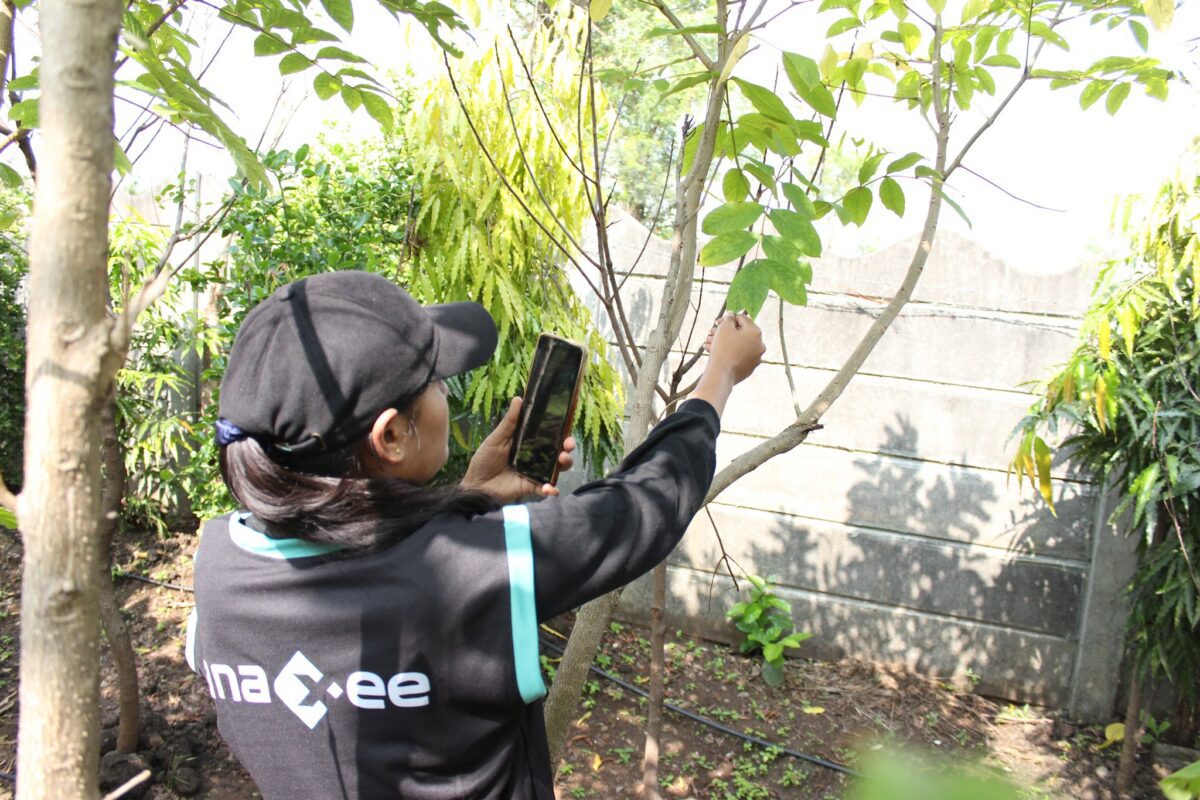
 About Anaxee